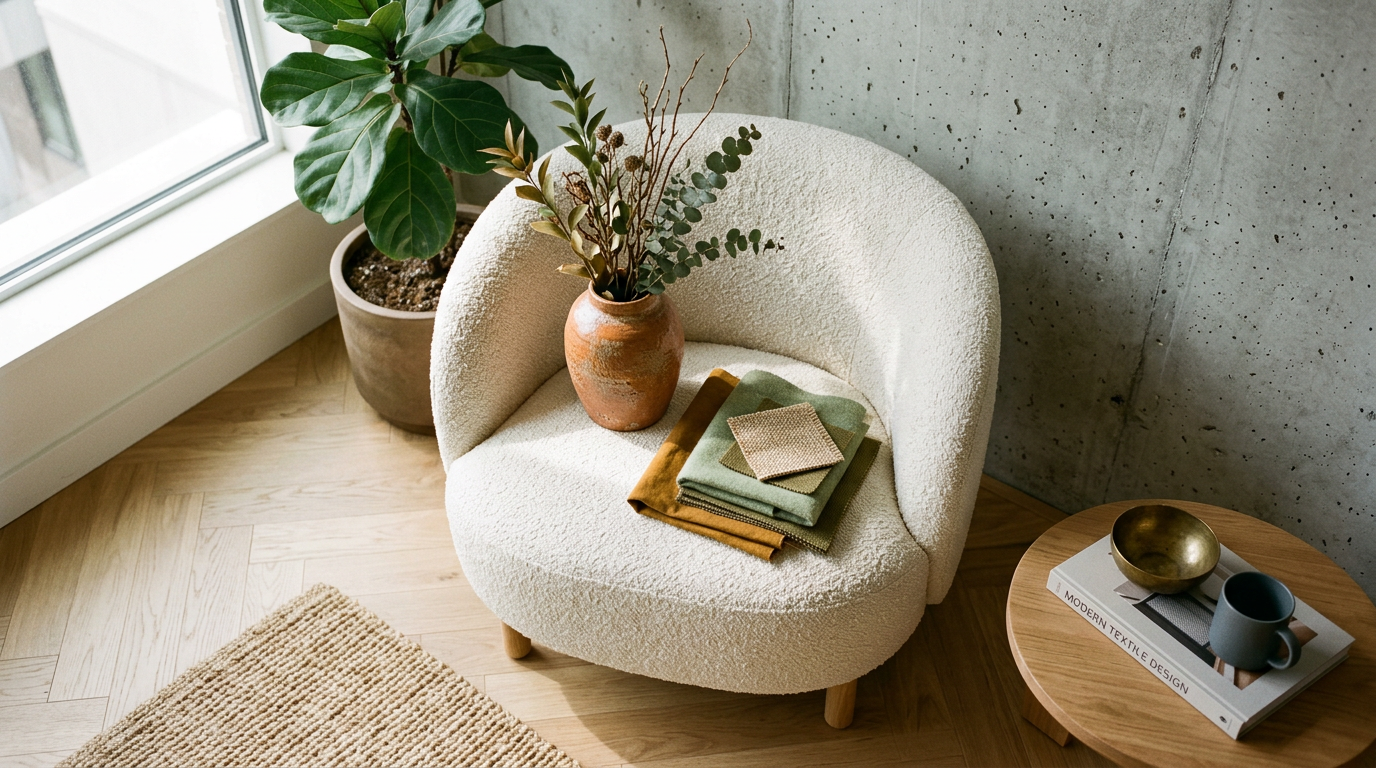
Every season in the design world brings fresh palettes, innovative materials, and new moods. Yet, Autumn/Winter 2025 feels uniquely transformative. It’s a season where design meets purpose, where procurement decisions carry as much weight as the colors we splash across walls. The market is shifting—away from mass-produced monotony and towards meaningful interiors that blend sustainability, craftsmanship, and smart technology without losing warmth. In this blog, explore AW2025–AW2026 interior design trends through the lens of procurement, sustainability, and consumer behavior. Discover real data, evolving material choices, and strategic insights for the future of design.
But what makes Fall 2025 such a turning point? It’s the convergence of global procurement innovations, consumer behavior rooted in wellness and comfort, and a collective desire for authenticity. Procurement isn’t just an operational term anymore; it’s shaping the aesthetics and values of homes. Whether you’re a design professional, procurement leader, or a homeowner curious about the next big thing—this comprehensive guide offers real data, trend insights, and actionable observations to help you navigate this season’s defining movements.
Let’s peel back the layers of AW2025 and consumer trends—exploring the colors, textures, technologies, and procurement dynamics shaping how we live, work, and relax this fall.
The Color Narrative: From Neutrals to Nurturing Tones
Color psychology takes center stage in Fall 2025, reflecting a desire for emotional stability and tactile warmth. Cold greys and sterile whites have ceded ground to mocha, burgundy, ochre, and inky green. According to 1stDibs Interior Design Trend Survey, 70% of designers cited earthy tones as their top palette choice for 2025, with chocolate brown and burgundy seeing a 30% increase in demand over 2024.
Pantone’s forecasts highlight Mocha Mousse and Bordeaux-infused reds as key drivers of this shift. Why? Consumers are leaning into colors that feel grounding—a visual antidote to the chaos of hyper-connected life.
Procurement implications? Dye houses and wood suppliers are recalibrating—sourcing rich walnut, smoked oak, and sustainable veneers instead of light bleached finishes. Paint and wallpaper manufacturers are investing in low-VOC earthy tones, while textile mills are retooling to deliver eco-certified velvet, boucle, and wool blends in these shades.
Material Drenching: Beyond Color, Into Sensory Immersion
One of the most Instagrammed design movements of 2025 is “Material Drenching”—wrapping a room in a single texture or finish. Think: a terracotta bathroom where walls, ceiling, and vanity share the same tactile warmth; or a bedroom layered in clay plaster, wool rugs, and heavy linen curtains.
Why It’s Trending
Consumers want immersive environments—spaces that cocoon and comfort during colder months. According to a Houzz report, searches for “plaster wall finishes” surged +55% YOY entering Q4 2024.
Procurement Response
This trend affects sourcing at every level:
- Plaster and Lime Finishes: Suppliers are expanding eco-based plaster with natural pigments to meet growing demand.
- Colored Marble: MarketWatch data shows a 15% increase in luxury stone orders, particularly for dramatic hues like verde alpi and rosso levanto.
- Wallpaper Manufacturers: Producing tactile, embossed options that mimic plaster or stone for more affordable applications.
Furniture: Sculptural Forms and Human Curves
Curves aren’t new—but in AW2025, they dominate. The puffball sofa—a rounded, cloud-like seat—has become the hero piece in major collections from brands like Fendi Casa and Gubi. Curvilinear benches, kidney-shaped tables, and exaggerated tub chairs are replacing angular silhouettes.
Market Data
Industry sales reports reveal that 33% of upholstery orders in Fall 2024 were for curved forms, up from 18% in 2023. High-end procurement managers cite foam innovation and molded plywood techniques as enablers for these organic shapes.
Curves signal comfort. They echo nature. And when paired with boucle or velvet, they amplify the sensorial experience consumers crave for fall nesting.
Sustainability and Neo-Craft: The Ethical Luxury Revolution
Consumers today aren’t just buying products—they’re buying stories. And they want those stories rooted in responsibility. This has ignited the Neo-Craft movement: blending artisan traditions with modern aesthetics and eco-integrity.
What the Data Says
- 48% of consumers in North America now prioritize sustainability when purchasing furniture (Furniture Today, 2025).
- Sales of reclaimed wood products rose by 27% in 2024 across the U.S. and EU.
- Handwoven textile orders grew by 22%, signaling a revival of craft-based procurement.
Procurement departments are adapting with supplier audits, shorter transport routes, and partnerships with artisan co-ops. This is no longer a niche—it’s a competitive differentiator.
Wellness at the Core: Biophilic Interiors for AW2025
The wellness economy is booming, and interiors are part of it. Fall 2025 trends emphasize biophilic design, with green walls, terracotta planters, and nature-inspired fabrics softening interiors.

A Global Wellness Institute report forecasts that the wellness design sector will hit $147 billion by 2026, with indoor greenery, air-purifying materials, and circadian lighting leading the charge.
Procurement professionals are now sourcing low-emission paints, FSC-certified woods, and natural fibers—not just for sustainability, but for health benefits consumers demand.
Lighting as Jewelry: Statement Pieces Take Over
Lighting has graduated from functional to sculptural art. Pendant lamps resembling abstract flowers, Murano glass chandeliers, and architectural sconces are stealing the spotlight in AW2025 projects.
Sales data from major lighting brands like Flos and Artemide show double-digit growth in designer lighting lines in Q3 2024. Procurement focus? Blown glass, brass hardware, and custom finishes that align with both sustainability and style mandates.
Quiet Luxury Meets Smart Living
Gone are the days of loud logos. Fall 2025 interiors celebrate “Quiet Luxury”—a trend driven by discreet sophistication and touch-worthy textures. Venetian plaster walls, brass inlays, and Zellige tiles whisper refinement without ostentation.
At the same time, homes are getting smarter and quieter. Invisible speakers, automated drapes, and voice-controlled lighting are standard in high-end projects. Procurement is prioritizing integrated tech systems that blend seamlessly into design—serving comfort without sacrificing aesthetics.
Consumer Trends Behavior in Numbers
Understanding consumer psychology helps explain why procurement strategies are evolving. Recent surveys reveal:
- 68% of consumers consider a brand’s sustainability credentials before purchasing furniture (Statista, 2025).
- 40% of homeowners are willing to pay a 10–20% premium for ethically sourced or bespoke products (Houzz).
- Home improvement spending is projected to hit $485 billion by late 2025, signaling sustained demand for design upgrades (Harvard Joint Center for Housing Studies).
Procurement Strategy: The New Design Powerhouse
Behind the scenes, procurement teams are no longer passive participants—they’re design enablers. Strategic sourcing now focuses on:
- Certifications: FSC, Greenguard, OEKO-TEX for credibility.
- Local Partnerships: Reducing carbon footprints and supporting artisanal economies.
- AI-Driven Forecasting: Predicting demand patterns for colors, textures, and wellness-driven materials.
This alignment ensures that design intent meets execution without compromising ethics or performance.
Conclusion:
As we step into AW2025, interior design consumer trends becomes more than aesthetic—it becomes a statement of values. Colors soothe our senses. Materials ground us. Curves embrace us. Lighting inspires. Technology comforts without shouting.
Procurement’s role in this ecosystem is profound. By selecting responsibly, sourcing innovatively, and forging partnerships, procurement professionals shape the interiors of tomorrow—sustainably, intelligently, and beautifully.
And in the words of Mattias Knutsson, a global leader in procurement strategy:
“The future of design lies where ethics, efficiency, and elegance intersect. Procurement isn’t just a back-office function anymore—it’s the architect of responsible beauty.”
Let this season remind us: every object we choose, every material we specify, has the power to tell a story—a story of care, connection, and conscious living.