
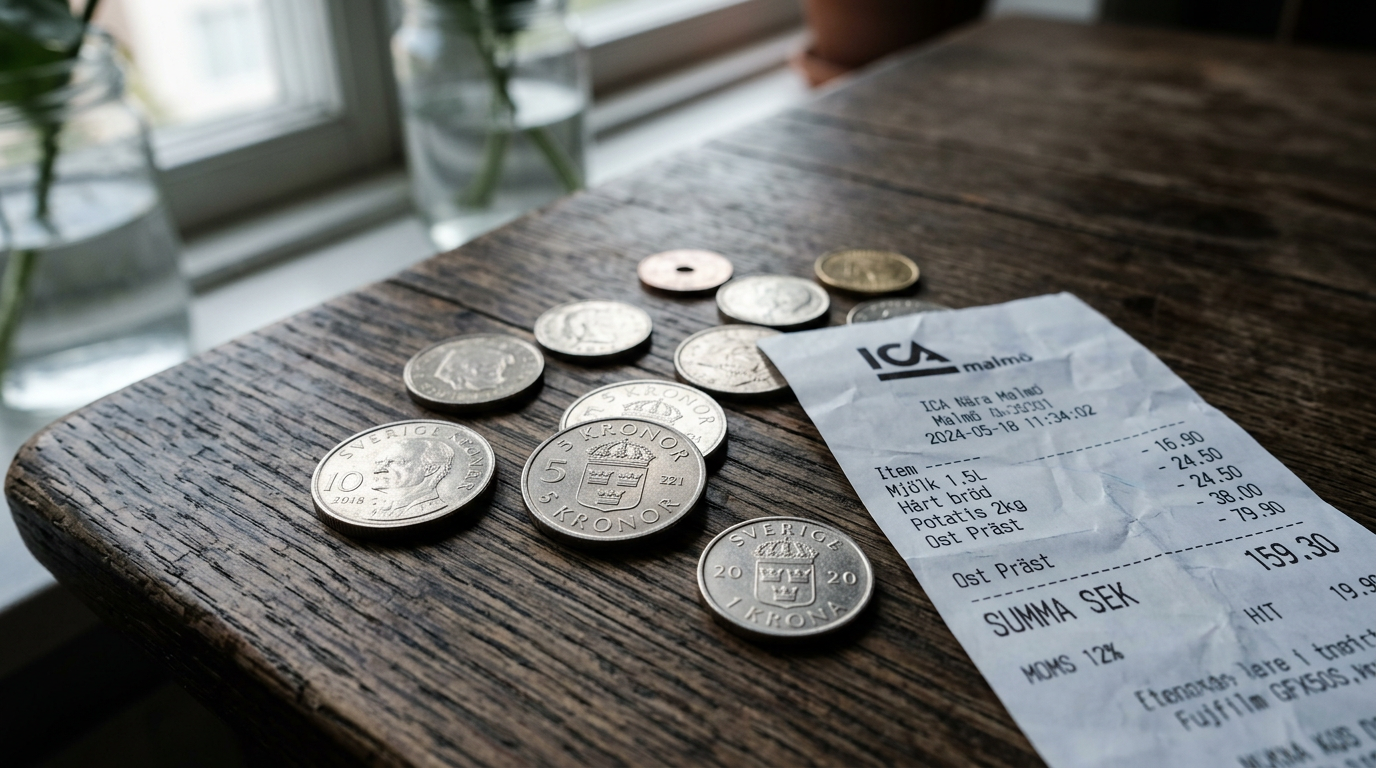
As November 2025 closes, Sweden’s inflation story offers a mix of relief and caution. The Consumer Price Index (CPI), a key measure of how much prices are rising for everyday goods and services, shows signs of easing—but households and businesses are still feeling the impact. Explore Sweden Consumer Price Index (CPI) for November 2025. Understand trends in inflation, key sectors, household impact, and what the data means for the economy and policymakers.
Inflation affects everyone. It shapes household budgets, influences business costs, and guides central bank policy. Even small shifts in CPI can ripple through the economy, altering consumer behavior and business strategies.
November’s data reveals a landscape where price increases are slowing after months of higher-than-average growth. Consumers are adjusting, retailers are recalibrating prices, and policymakers are closely observing the implications for interest rates and economic stability.
In this blog, we’ll explore the latest CPI data for Sweden, sector-specific trends, household implications, policy perspectives, and what this may mean as the country moves into 2026.
Sweden CPI 2025 Overview
November 2025 showed that Sweden’s headline CPI rose by 0.3% month-on-month, after a 0.4% gain in October. On a year-over-year basis, CPI increased by 4.1%, down slightly from 4.3% in the previous month.
These numbers indicate a modest easing in inflation pressures, though the rate is still above what many households would consider comfortable. While some price categories continue to rise sharply, others have stabilized or even declined slightly, creating a more mixed inflation picture.
The trend points to a gradual moderation in the cost of living, but it is far from a return to pre-2022 stability. Households and businesses alike remain alert to fluctuations in energy, food, and services prices, which continue to influence spending and investment decisions.
Understanding the Numbers
Energy Costs
Energy prices, including electricity and fuel, remained volatile but showed a slight decrease in November compared to October. Lower global oil prices and milder weather helped temper household energy bills, which had been a significant driver of inflation earlier in the year.
Despite the small decline, energy costs still represent a notable portion of household expenses. For many families, even minor monthly changes can influence how they allocate funds for groceries, transportation, and discretionary spending.
Food Prices
Food inflation continues to be an area of concern. Prices for essentials such as bread, dairy, and fresh produce rose modestly in November, contributing around 1.2 percentage points to the overall CPI increase.
Households have responded by adjusting shopping habits: comparing prices, seeking promotions, and prioritizing essential items. Food price trends are particularly impactful because they directly affect disposable income and day-to-day living costs.
Services Inflation
Services inflation—including housing rents, healthcare, education, and personal services—remained steady at roughly 2.5% year-on-year. While not as volatile as energy or food, services costs are significant for long-term household budgets.
Rising rents and housing-related expenses continue to contribute meaningfully to inflationary pressures. Even modest monthly increases in rent can accumulate over time, influencing consumption patterns and saving behavior.
Goods Inflation
Goods other than food and energy, including clothing, electronics, and household items, saw price increases of around 1.8% year-on-year. Retailers have been adjusting prices in response to cost pressures from supply chains, wages, and import costs.
Consumer responses vary: some are delaying purchases of higher-priced goods, while others are seeking promotions or alternative products. This balancing act affects retail sales, inventory management, and business profitability.
Core CPI: The Inflation Picture Without Volatile Items
Economists often focus on core CPI, which excludes food and energy due to their volatility. Sweden’s core CPI for November 2025 rose by 3.5% year-on-year, down slightly from October’s 3.7%.
The moderation in core CPI indicates that underlying inflation is beginning to stabilize. While headline CPI captures the immediate impact on consumers, core CPI reflects broader trends that inform policy decisions and longer-term economic planning.
Household Impact
For Swedish households, inflation affects both budgeting and lifestyle decisions. Even with a small slowdown in headline CPI, everyday costs remain elevated compared to pre-2022 levels.
- Food and energy remain the largest concerns for families, influencing meal planning, commuting, and discretionary spending.
- Housing costs, including rent and utilities, continue to take a significant share of income, particularly for urban households.
- Consumer confidence is cautious: households may delay non-essential purchases, prioritize savings, or seek discounts.
The combined effect is a more conservative spending pattern. While consumers are still purchasing goods and services, they are doing so with greater attention to value and necessity.
Business and Retail Response
Businesses are acutely aware of inflation trends. Pricing strategies, cost management, and inventory planning are all influenced by CPI developments.
Retailers, in particular, face a delicate balancing act:
- Passing costs to consumers risks reducing demand, especially if households feel financial strain.
- Absorbing costs can hurt margins but may maintain customer loyalty and sales volume.
- Promotions and discounts are increasingly used to attract price-sensitive shoppers while managing inventory effectively.
Service providers, especially those in housing and healthcare, must navigate wage pressures and rising operational costs while keeping services accessible to consumers.
Policy Considerations
Sweden’s central bank closely monitors CPI when setting monetary policy. Inflation above the target range prompts discussions about interest rates, while easing pressures may allow for a more accommodative stance.
The November data suggests that inflation is stabilizing but not yet returning to pre-pandemic levels. Policymakers may take a cautious approach, balancing the need to control price growth with the desire to support economic activity and employment.
Other factors under consideration include:
- Global commodity prices and energy markets, which can drive sudden CPI changes.
- Exchange rates, which affect import prices and ultimately consumer costs.
- Household debt levels, which can limit flexibility in spending if costs rise too quickly.
Risks and Opportunities
Risks
- Volatile energy or commodity prices could reverse the easing seen in November.
- Persistent food price inflation may continue to strain household budgets.
- Global supply chain disruptions can ripple into goods prices, affecting retailers and consumers.
Opportunities
- Stabilizing inflation may boost household confidence, encouraging spending in retail and services.
- Businesses that adjust operations, optimize supply chains, and implement dynamic pricing can maintain profitability.
- A moderate CPI increase allows policymakers room to support economic growth while maintaining long-term price stability.
Looking Ahead
As Sweden moves into 2026, several factors will shape CPI trends:
- Energy costs: Seasonal changes and global market conditions will remain critical.
- Food prices: Agricultural output, supply chains, and import dynamics may influence inflation.
- Housing and services costs: Rent growth and wage pressures will continue to be key components.
- Consumer behavior: Spending patterns, saving habits, and confidence levels will drive demand-side inflation pressures.
Monitoring these indicators will be crucial for businesses, households, and policymakers aiming to navigate a period of moderate but persistent inflation.
Conclusion
November 2025 Sweden CPI data show a Swedish economy where inflation pressures are easing, but not disappearing. Headline CPI rose modestly, core CPI moderated, and some price categories stabilized.
For households, the impact is tangible: energy and food costs remain central concerns, while discretionary spending is approached with caution. Businesses are responding strategically, adjusting pricing, managing costs, and aligning offerings with consumer priorities.
Policymakers have a clear signal: inflation is under control but still requires attention. Interest rates, fiscal policy, and monitoring of global influences will remain important tools for maintaining stability.
Overall, Sweden’s CPI in November reflects a cautiously optimistic moment. Inflation is no longer accelerating rapidly, but vigilance remains necessary. Consumers, businesses, and policymakers alike are navigating this period with measured strategies, preparing for a stable and sustainable path into 2026.
In times of moderate inflation, steadiness is key. Sweden’s economy is not facing a crisis, but the careful management of prices, costs, and confidence will determine how households and businesses thrive in the months ahead.




