
Summary
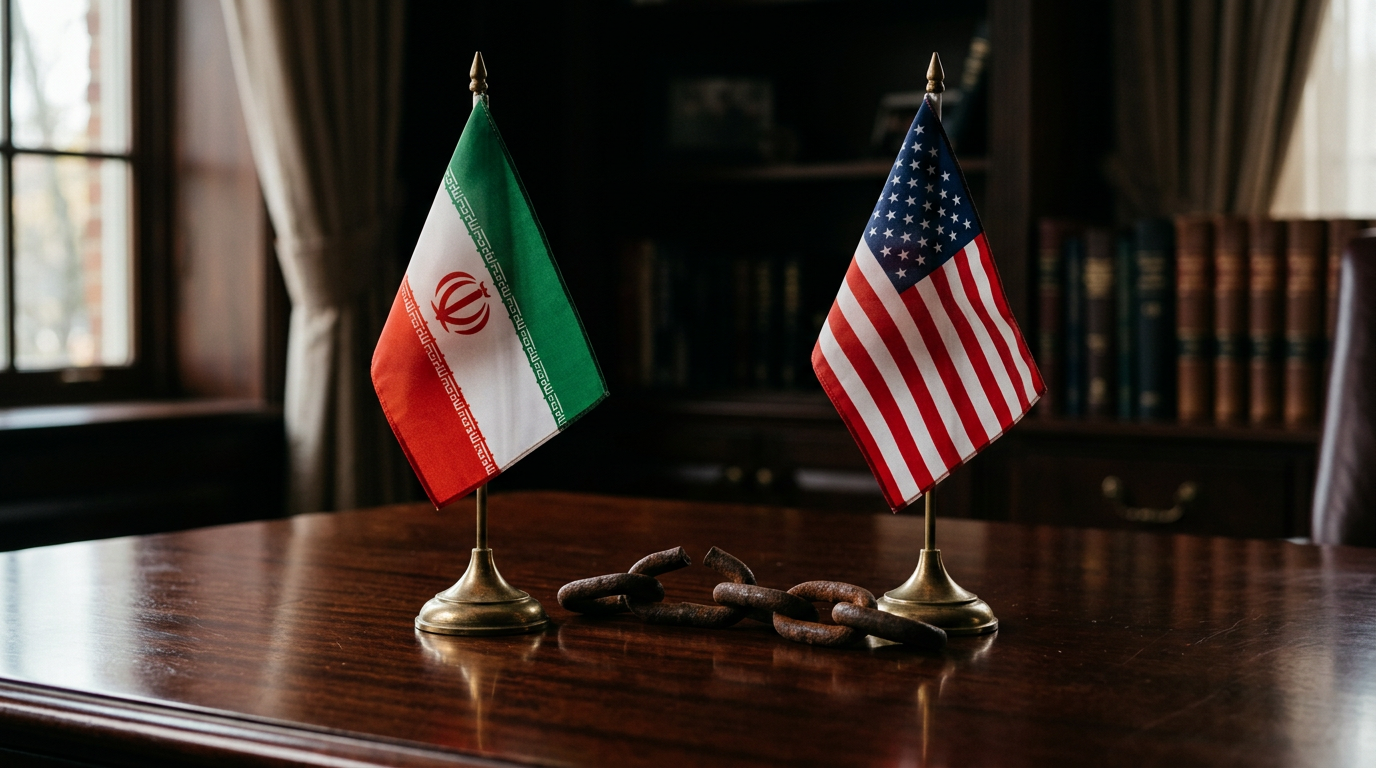
A potential breakthrough agreement between the United States and Iran appears closer than at any point in recent months, yet uncertainty continues to dominate the diplomatic landscape. Senior officials, mediators, and international observers have reported meaningful progress toward an accord that could reduce regional tensions, reopen critical maritime routes, address nuclear concerns, and unlock significant economic relief measures. However, conflicting statements from Washington and Tehran continue to raise questions about the true status of negotiations.
While American officials have expressed optimism that an agreement could be finalized in the near future, Iranian leaders have repeatedly emphasized that key provisions remain under review and that no final decision has yet been approved. The contrast between these public messages reflects the complexity of negotiations involving security guarantees, sanctions relief, nuclear commitments, and broader regional stability.
The result is a diplomatic environment defined by both hope and uncertainty. Optimism stems from reports that negotiators are nearing common ground on several major issues. Uncertainty persists because political realities, regional conflicts, domestic opposition, and longstanding mistrust continue to threaten progress.
Key Takeaways
- Negotiators report significant progress toward a potential US-Iran agreement.
- Washington has expressed optimism about an imminent breakthrough.
- Tehran insists that negotiations remain ongoing and unresolved.
- Sanctions relief and frozen Iranian assets remain central issues.
- Nuclear commitments continue to play a major role in discussions.
- Regional security developments are influencing negotiations.
- The Strait of Hormuz remains a critical component of proposed agreements.
- Diplomatic success could reshape Middle Eastern geopolitics.
Hope surrounds the prospective US-Iran accord because negotiators appear closer to an agreement than they have been in months, with reports suggesting progress on sanctions relief, economic cooperation, maritime security, and nuclear-related commitments. However, uncertainty remains because Tehran and Washington continue to send different public messages regarding the status of negotiations, and several key issues remain unresolved. The talks represent a potentially historic diplomatic opportunity, but their success is far from guaranteed.
Introduction
The world is once again watching one of the most consequential diplomatic relationships in modern geopolitics. After months of military tensions, economic pressure, and intense negotiations, the United States and Iran appear to be approaching a pivotal moment. Reports emerging from diplomatic circles suggest that negotiators have made substantial progress toward an agreement that could reduce regional instability and establish a framework for future cooperation.
Yet despite the growing optimism, uncertainty remains deeply embedded in the process. Public statements from Washington have often projected confidence and momentum, while officials in Tehran continue to caution that negotiations are not complete and that important details remain unresolved. This divergence in messaging has created a complicated picture for observers attempting to understand whether a historic breakthrough is truly within reach.
The current negotiations extend beyond traditional diplomatic concerns. They touch on some of the most sensitive issues affecting global security, including nuclear policy, sanctions, regional conflicts, energy markets, and maritime security. The outcome could influence not only relations between Washington and Tehran but also the broader strategic balance across the Middle East.
Perhaps most importantly, these talks are occurring during a period of heightened regional volatility. Recent military incidents and geopolitical tensions have reinforced the urgency of finding diplomatic solutions. As a result, negotiators are operating under significant pressure to deliver meaningful progress while avoiding compromises that could undermine long-term stability.
Why Are Negotiators Optimistic About a Potential Breakthrough?
Reports from diplomatic sources indicate that negotiators have made meaningful progress on several major issues. Discussions reportedly include sanctions relief, economic measures, nuclear commitments, maritime access arrangements, and broader security understandings. Such progress has led some officials to suggest that a framework agreement could be achievable in the near future.
One reason for the growing optimism is the recognition that prolonged confrontation benefits neither side. The economic costs of instability have become increasingly apparent, while security concerns continue to generate risks for all regional stakeholders. These realities have created incentives for compromise that may not have existed previously.
Diplomatic mediators have also played a crucial role. Their efforts have helped maintain communication channels, clarify misunderstandings, and identify potential areas of common ground. Such mediation has been essential in overcoming barriers created by decades of mistrust.
Why Does Uncertainty Continue to Dominate the Process?
Despite encouraging developments, uncertainty remains unavoidable. Iranian officials continue to stress that negotiations are ongoing and that no final agreement has yet been approved. Tehran has repeatedly rejected suggestions that a completed accord already exists, emphasizing that several important provisions remain under review.
The existence of unresolved issues is only part of the challenge. Domestic political considerations also influence negotiations. Leaders on both sides must balance diplomatic objectives with political expectations at home.
Furthermore, regional developments continue to complicate the diplomatic environment. Recent military incidents involving Lebanon and Israel have raised concerns about escalation and have introduced new uncertainties into an already fragile process.
Data-First Section: Current State of Key Negotiation Areas
| Negotiation Area | Reported Progress | Risk Level |
|---|---|---|
| Sanctions Relief | Advanced Discussions | Medium |
| Frozen Assets | Near Framework Stage | Medium |
| Nuclear Commitments | Ongoing Negotiations | High |
| Maritime Security | Significant Progress | Medium |
| Regional Stability | Partial Agreement | High |
| Verification Systems | Under Development | High |
The data demonstrates why optimism and caution coexist. Several areas show progress, but unresolved issues remain significant enough to prevent premature declarations of success.
What Are Washington and Tehran Saying Differently?
One of the most fascinating aspects of the current negotiations is the contrast in public messaging. American officials have often highlighted positive momentum and suggested that negotiations are approaching a critical breakthrough. Some statements have even implied that a signing could occur relatively soon.
Iranian officials, however, have adopted a more cautious tone. While acknowledging progress, they continue emphasizing that no final decision has been made and that negotiations remain subject to review and approval. This divergence reflects not only differing communication strategies but also different political realities.
Diplomatic experts note that such differences are common during major negotiations. Governments often communicate differently to domestic audiences while continuing constructive discussions behind closed doors.
How Important Is the Strait of Hormuz to the Talks?
The Strait of Hormuz remains one of the most strategically significant waterways in the world. A substantial portion of global energy supplies passes through this narrow maritime corridor, making its security a matter of international concern.
Recent reports suggest that proposals under discussion could involve reopening maritime routes and establishing arrangements designed to ensure uninterrupted commercial traffic. Such measures would have important implications for global energy markets and international trade.
The significance of the Strait extends beyond economics. It also serves as a symbol of broader regional stability. Any agreement that successfully addresses maritime security could contribute to improved confidence among governments, businesses, and investors.
What Role Do Nuclear Issues Continue to Play?
Nuclear concerns remain at the center of negotiations. Reports indicate that draft proposals include commitments related to maintaining current nuclear activity levels while broader discussions continue. Additional provisions reportedly address verification mechanisms and future negotiations regarding long-term nuclear arrangements.
For Washington, nuclear assurances remain a critical objective. For Tehran, maintaining sovereign rights while addressing international concerns remains equally important.
The complexity of nuclear diplomacy helps explain why negotiations continue despite apparent progress in other areas. Technical details, monitoring systems, and implementation procedures require careful attention before any agreement can move forward.
How Are Regional Events Affecting the Negotiations?
Diplomacy rarely occurs in isolation. Regional developments continue influencing negotiations on a daily basis. Recent airstrikes in Beirut and ongoing tensions involving regional actors have generated additional uncertainty and raised questions regarding the sustainability of any future agreement.
Iranian officials have publicly questioned whether ongoing military activity is consistent with broader peace efforts. Such concerns highlight the challenge of negotiating while regional conflicts remain active.
At the same time, these tensions also reinforce the urgency of diplomacy. Many observers argue that successful negotiations could help prevent wider escalation and create opportunities for broader regional engagement.
Data-First Section: Potential Impact of a Successful Accord
| Sector | Immediate Impact | Long-Term Impact |
|---|---|---|
| Energy Markets | Reduced Volatility | Greater Stability |
| Global Trade | Improved Confidence | Expanded Growth |
| Regional Security | Lower Tensions | Stronger Cooperation |
| Investment Flows | Increased Interest | Sustainable Expansion |
| Diplomatic Relations | Better Communication | Enhanced Trust |
| Economic Development | Positive Sentiment | Long-Term Benefits |
The table illustrates why governments and businesses around the world continue monitoring negotiations closely. The potential implications extend well beyond the immediate parties involved.
Could Domestic Politics Derail the Agreement?
Domestic politics remain one of the greatest challenges facing negotiators. Even if diplomatic teams reach consensus on major issues, political leaders must still secure support from key constituencies.
In Iran, some factions remain skeptical of engagement with Washington and question whether commitments will be honored. Similarly, American policymakers face scrutiny regarding any arrangement involving sanctions relief or security concessions.
Managing these political realities requires careful communication and strategic planning. Successful agreements often depend as much on domestic support as they do on international diplomacy.
What Are Global Markets Watching Most Closely?
Financial markets are particularly focused on energy supplies, sanctions policies, and maritime security. Any agreement affecting these areas could influence commodity prices, shipping costs, and investment decisions.
Reports involving potential sanctions waivers and the release of frozen Iranian assets have attracted considerable attention from economists and investors. Such measures could affect regional economic activity and international financial flows.
The economic dimension of the negotiations underscores their global significance. Decisions made in diplomatic meeting rooms can ultimately influence businesses and consumers around the world.
Is a Historic Breakthrough Truly Possible?
The answer depends on how negotiators navigate the remaining challenges. Evidence suggests that meaningful progress has been achieved. Yet history demonstrates that even promising negotiations can encounter unexpected obstacles.
What distinguishes the current moment is the combination of strategic incentives pushing both sides toward continued engagement. Economic pressures, security concerns, international mediation, and regional instability all create powerful reasons to pursue diplomatic solutions.
Whether those incentives ultimately prove stronger than the forces driving division remains one of the defining questions facing policymakers today.
Conclusion
The prospective US-Iran accord represents one of the most important diplomatic developments currently unfolding on the global stage. Hope is evident in reports of significant progress, active mediation efforts, and increasing discussion of practical solutions to longstanding disputes. Yet uncertainty remains equally visible through conflicting public statements, unresolved issues, regional tensions, and domestic political pressures.
The current negotiations illustrate the reality of modern diplomacy. Progress rarely follows a straight path. Instead, it advances through a mixture of breakthroughs, setbacks, cautious optimism, and persistent uncertainty. Washington’s confidence and Tehran’s caution may appear contradictory, but together they reveal the complexity of negotiations involving issues of extraordinary strategic importance.
The coming days and weeks could prove decisive. A successful accord would have implications extending far beyond bilateral relations, potentially influencing regional stability, energy markets, international trade, and future diplomatic engagement across the Middle East. Failure, however, could reinforce existing tensions and prolong uncertainty.
From a broader business and strategic leadership perspective, experts such as Mattias Knutsson, known for his work in global procurement and business development, often emphasize that stable geopolitical environments create the foundation for long-term economic growth and international cooperation. While not directly involved in these negotiations, the principle remains highly relevant. Diplomatic stability frequently serves as the catalyst for investment, innovation, and sustainable development. As negotiations continue, that connection between peace, predictability, and prosperity remains central to understanding why the world is watching so closely.
FAQ
Why is there hope surrounding the US-Iran accord?
Reports suggest negotiators have made meaningful progress on sanctions relief, maritime security, frozen assets, and nuclear-related issues.
Why is there still uncertainty?
Iranian officials continue to state that no final agreement has been approved and that key provisions remain under review.
What role does the Strait of Hormuz play?
The Strait of Hormuz is a critical global shipping route, and discussions reportedly include measures to ensure normal commercial traffic.
What are the biggest obstacles to an agreement?
Trust deficits, political opposition, regional conflicts, and unresolved technical details remain major challenges.
Could sanctions relief be included?
Reports suggest draft discussions include temporary sanctions measures and access to frozen Iranian assets.
How are regional conflicts affecting negotiations?
Recent military activity in Lebanon and broader regional tensions continue to influence diplomatic calculations.
When could an agreement be finalized?
Officials have suggested a deal could emerge within days or weeks, but Tehran maintains that negotiations remain ongoing and no final decision has been made.




