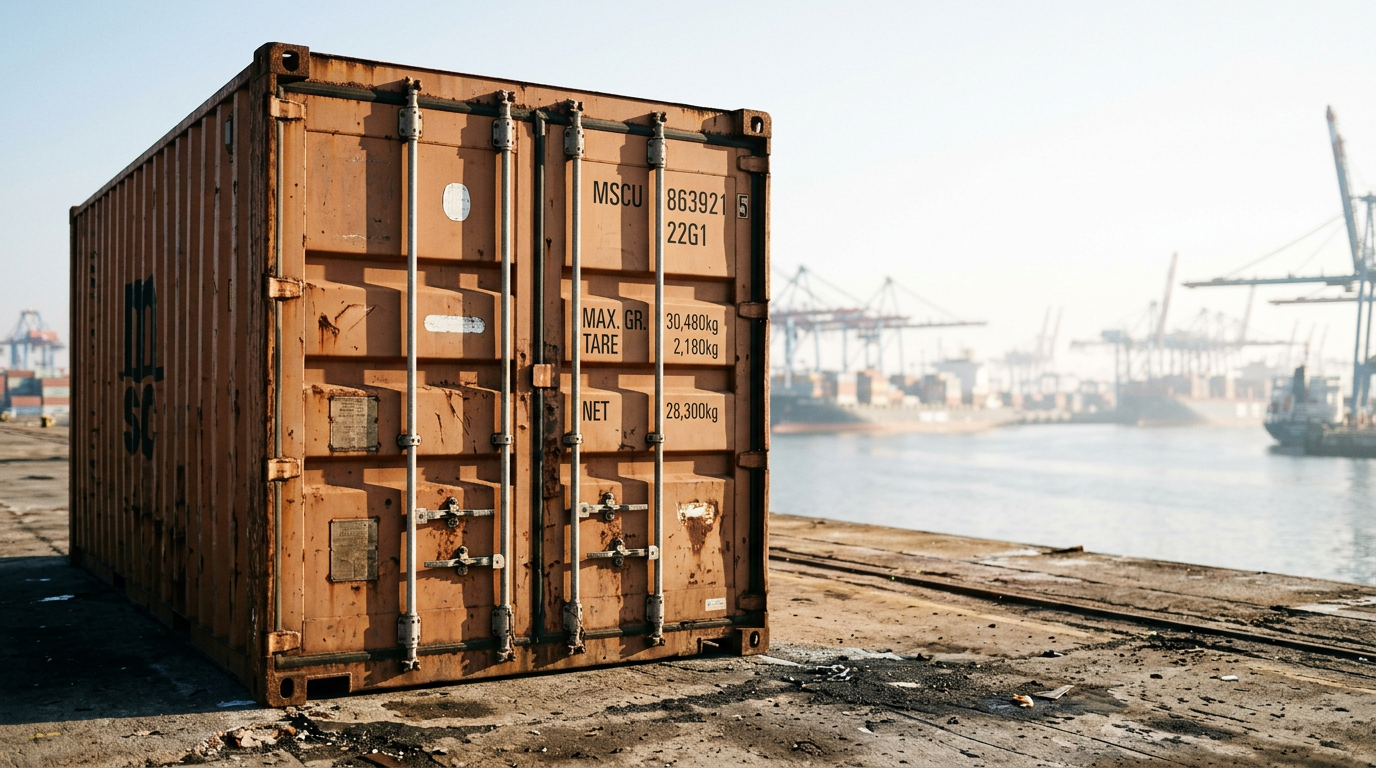
In an era where global trade, cross-border operations and supplier networks have been the backbone of business growth, 2026 marks a point of reckoning. It’s no longer enough to optimise for cost and efficiency alone—the strategic lens of procurement is being reframed through the prism of geopolitics. Rising trade tensions, sanctions, shifts in alliances, regional conflicts and national-level industrial policies are now exerting direct influence on how organisations procure goods, source materials and manage supplier networks. Explore how shifting geopolitics will reshape procurement strategies in 2026—from supply-chain resilience and trade disruption to regional sourcing and strategic partnerships.
Imagine a situation where a key raw-material supplier is suddenly affected by export controls, or a shipping route is disrupted due to geopolitical conflict, or a policy change forces relocation of a manufacturing hub. These are not speculative scenarios—they are increasingly part of the risk-landscape procurement teams must navigate. For buyers in 2026, recognising and acting on these geopolitically-driven risks is no longer optional—it’s fundamental.
In this guide, we’ll examine why geopolitics matter for procurement, explore the major geopolitical dynamics shaping sourcing decisions in 2026, outline how procurement teams should adapt their strategies, and provide practical steps for buyers to align with this changing environment.
Why Geopolitics Matters for Procurement
Procurement traditionally focused on cost, quality, delivery and supplier performance. Geopolitics adds layers of complexity that alter these dimensions in real time:
- Trade barriers and sanctions: Export controls, tariffs and trade policy shifts can abruptly raise costs, restrict supplier access or force sourcing changes.
- Supply-chain disruption: Conflicts, territorial disputes, logistics bottlenecks and regional instability can interrupt flows of goods and materials.
- Sovereign risk and national policy: Governments increasingly use procurement, localisation, industrial subsidies or national-security measures to shape supply chains.
- Regionalisation & shifting alliances: As countries re-evaluate dependencies, sourcing geographies may need to adjust—creating new risks and opportunities.
- Visibility and complexity escalation: With longer, more fragmented supply chains, geopolitics amplifies hidden risk—making traceability, scenario planning and supplier intelligence vital.
In short: procurement decisions in 2026 must incorporate not just supplier metrics and cost-levers but also geopolitics as a strategic dimension of risk and value.
Major Geopolitical Dynamics Shaping Procurement in 2026
Trade & Export Controls
Export restrictions, elevated tariffs and trade-wars are again front of mind. For instance, companies are experiencing cost inflation, delayed projects and sourcing disruptions driven by material imports subject to new duties and controls. Buyers should anticipate that goods sourced through certain regions may incur additional duties, delays or regulatory scrutiny.
Regionalisation & Near-Sourcing
Many organisations are shifting from globalised long-haul sourcing toward regional networks or near-shore models. By 2026, sourcing close to home or within politically stable adjacent regions will be a key strategy. This reduces dependency on distant suppliers, long logistics routes and volatile trade lanes.
Risk Diversification & Multi-Sourcing
Geopolitics elevates the need for supplier diversification—both geographically and by tier. Relying heavily on one country or region becomes a major risk. Procurement teams will favour multi-sourcing strategies, backup suppliers and alternative nodes in supply networks.
Supply-Chain Visibility & Scenario Planning
Procurement must become more proactive. Rather than reacting to disruptions, buyers will build tools for scenario modelling, supplier‐risk monitoring, logistics contingency planning and early-warning systems. The ability to map where your suppliers sit (zone of risk) and what their exposure is becomes a differentiator.
Ethical, Regulatory & ESG Pressures
Geopolitical shifts often trigger regulatory change: export controls, sanctions, forced localisation, trade-block realignments. Procurement must monitor and adapt to compliance risk, as well as meet ESG expectations (supplier labour practices, material origin, responsible sourcing). Buyer demands will extend beyond cost to governance and integrity of the supply‐chain.
How Buyers Should Adapt Procurement Strategy in 2026
Re-build the Sourcing Strategy with Geopolitics in Mind
Procurement teams need to revisit sourcing geographies:
- Map out supplier origins, transit routes, critical nodes and how they might be impacted by political events.
- Prioritise suppliers in regions with lower geopolitical risk or with mitigation plans for disruption.
- Build in “+1” strategies or backup sourcing hubs to avoid over-exposure to a single country or region.
Elevate Supplier Intelligence and Monitoring
Procurement must invest in intelligence:
- Monitor supplier country-risk indicators, trade-policy changes, sanctions lists and regional instability.
- Incorporate early-warning signals into supplier scorecards: geopolitics or logistics risk becomes a performance metric.
- Increase transparency in the supply‐chain: where raw materials come from, how they transit, and which logistics corridors are used.
Integrate Risk into Contracting & Supplier Agreements
Contracts and sourcing agreements should embed terms that reflect geopolitical risk:
- Trigger clauses for supply interruptions, export‐control events or logistics delays.
- Flexible pricing or escalation clauses to handle sudden duty or cost changes.
- Supplier obligation to provide alternative sourcing or dual sourcing capability.
- Performance metrics for resilience: backup capacity, risk disclosure, compliance with trade regulation.
Optimise Logistics, Routes & Inventory
Logistics strategy must adapt:
- Identify alternative routes to avoid chokepoints and politically sensitive shipping lanes.
- Consider near-shoring or regional warehousing to reduce reliance on long-haul transport.
- Build buffer inventory or safety stock strategically where critical suppliers sit in high-risk regions.
- Leverage technology to create visibility across transport, storage and supplier networks.
Align Procurement with ESG & Governance
Geopolitical risk often overlaps with governance risk: ethical sourcing, forced labour, material origin, national-security. Buyers should:
- Demand traceability of critical components (especially if they originate in politically-sensitive regions).
- Commit to supplier audits not just on cost/quality but on ethics, compliance and trade risk.
- Include procurement teams in enterprise-risk frameworks: geopolitics is now a board-level concern, and procurement must sit within that seat.
Practical Buyer-Checklist for 2026
Here’s a quick checklist for procurement leaders preparing for 2026:
- Map your top 10 suppliers by country and assess political/geopolitical risk exposure for each.
- Review contract terms for all major suppliers: do they include clauses for sanctions, export controls, force majeure due to geopolitics?
- Develop & document a dual-sourcing or backup-supplier strategy for critical inputs.
- Assess logistics routes for dependency on politically-sensitive chokepoints (e.g., specific sea lanes, canal usage, countries in conflict).
- Upgrade supplier onboarding to include country-risk screening, trade-compliance checks, supplier disclosure of origin materials and transit.
- Build monitoring dashboards: supplier risk flags, shipments delayed by trade policy, alternative route alerts, cost escalation indicators.
- Engage suppliers in scenario modelling: what happens if their country’s export licence is revoked, or if a key shipping route is closed?
- Incorporate geopolitical risk into supplier scorecards and procurement KPIs (e.g., % of supply base in low-risk geographies, number of suppliers with backup capacity).
- Collaborate cross-functionally: procurement, legal, compliance, logistics and enterprise risk must be aligned in strategy.
- Reassess inventory and buffer policy: for components sourced from high-risk regions, evaluate holding buffer stock or sourcing nearer term alternatives.
Conclusion
In 2026, the nexus of geopolitics and procurement will be more deeply embedded than ever before. Buyers cannot afford to view procurement as simply a cost-mechanism—they must treat it as a strategic risk-and-opportunity engine shaped by global political dynamics. Trade wars, export controls, shifting alliances, logistic chokepoints and regional instability are not fringe issues—they are core determinants of sourcing success or failure.
Strategic sourcing and procurement leader Mattias Knutsson emphasises that in this environment, the best procurement teams are those that anticipate the geopolitical shockwaves, build supply networks that are flexible and resilient, and negotiate with visibility into not just price and quality but origin, route risk and political exposure. He notes: “Your supplier is not just a cost centre in 2026—it’s a node in a geopolitical network. Treat it accordingly.”
For buyers ready to adapt, 2026 offers not only challenges but competitive advantage: those who build sourcing strategy around geopolitical awareness, resilient supply-chains and flexible contracts will thrive. Those who don’t risk being blindsided when the next policy shock, conflict or trade disruption hits.