
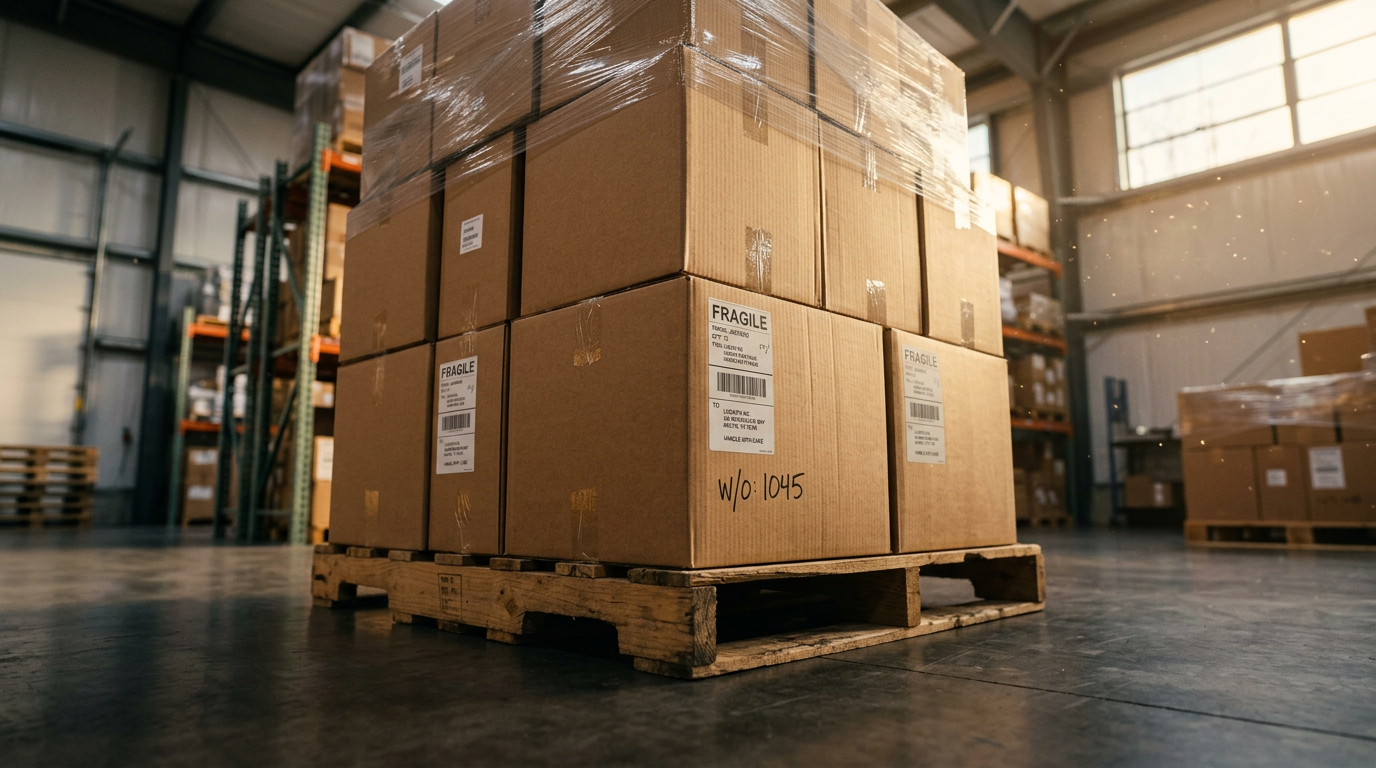
In 2026, global retail supply chains are undergoing a profound transformation. What was once a race to source the cheapest products from far-flung corners of the world is now giving way to a more strategic approach: nearshoring in 2026 and local supply strategies. Retailers across industries are recognizing that efficiency alone is no longer sufficient. In an era marked by geopolitical tensions, trade disruptions, climate challenges, and unpredictable logistics, the resilience of a supply chain is just as critical as cost savings.
Nearshoring — relocating production closer to key consumer markets — is emerging as a game-changing strategy. By sourcing locally or regionally, retailers are reducing risk, ensuring more reliable product availability, and improving responsiveness to market demand. From electronics and apparel to groceries and home goods, companies are rethinking global sourcing models, balancing efficiency with flexibility, and embracing local partnerships to safeguard their operations.
This blog explores why retailers are returning to local supply strategies in 2026, what benefits nearshoring offers, the challenges involved, and how businesses can successfully implement these models. Along the way, we will examine industry trends, recent data, and the insights of thought leaders, including Mattias Knutsson, a strategic leader in global procurement and business development, who emphasizes the importance of resilient, locally anchored supply chains in today’s complex market.
Why Nearshoring Matters in 2026
Recent global events have underscored the vulnerabilities inherent in highly globalized supply chains. Political instability, tariffs, export restrictions, pandemics, natural disasters, and labor shortages have created delays and shortages that reverberate across industries. A single disruption in one country can halt production, delay shipping, and ultimately leave shelves empty.
Nearshoring addresses these vulnerabilities by moving production and sourcing closer to end markets. Companies in the United States, Europe, and Asia are increasingly turning to regional suppliers to mitigate long-distance logistics risks. By shortening the supply chain, retailers gain better control, faster delivery times, and improved flexibility — all critical factors in a rapidly shifting consumer environment.
According to recent studies, retailers that have implemented nearshoring strategies report up to a 30% reduction in lead times and a 20% decrease in supply chain disruptions compared to peers reliant on distant global suppliers. Moreover, local sourcing can reduce transportation costs and carbon emissions, aligning with growing consumer and regulatory demand for sustainable operations.
Enhancing Product Availability and Customer Satisfaction
One of the most immediate benefits of nearshoring is improved product availability. Retailers no longer have to contend with long shipping windows or uncertainty stemming from congested ports, customs delays, or international freight issues. Instead, products can be replenished quickly, and retailers can respond more effectively to shifts in consumer demand.
For example, a regional apparel manufacturer supplying European retailers can adapt quickly to changes in seasonal demand. Products can be designed, produced, and delivered within weeks rather than months, allowing retailers to maintain inventory levels, avoid stockouts, and enhance customer satisfaction.
Additionally, nearshoring allows for smaller production batches, which reduces inventory risk. Retailers can test new products in local markets without committing to large shipments from overseas. This flexibility is particularly valuable in fast-moving industries like fashion, electronics, and consumer goods, where trends and demand can shift rapidly.
Reducing Risk Through Localized Supply Chains
The strategic shift toward local sourcing is not only about efficiency; it is about risk mitigation. Global supply chains face multiple threats:
- Geopolitical Risks: Trade wars, tariffs, and sanctions can disrupt international supply flows. Nearshoring reduces dependence on countries prone to regulatory or political volatility.
- Natural Disasters: Extreme weather events, floods, and earthquakes in distant production hubs can halt supply. Localized production reduces exposure to such events.
- Labor Disruptions: Strikes, workforce shortages, and pandemic-related restrictions in faraway regions can delay shipments. Nearshoring ensures a more stable labor pool.
- Logistics Bottlenecks: Port congestion, customs delays, and shipping disruptions can delay delivery for weeks. Regional supply chains bypass these complications.
By mitigating these risks, retailers protect their operations, strengthen supply chain resilience, and maintain the trust of their customers.
Sustainability Benefits of Nearshoring in 2026
Nearshoring also contributes significantly to sustainability objectives, which are increasingly prioritized by both consumers and regulators. Local production reduces transportation distances, lowering greenhouse gas emissions and energy use. Regional sourcing often allows companies to engage more closely with suppliers to ensure compliance with environmental standards and ethical practices.
For instance, a European retailer sourcing electronics components from nearby countries can monitor supplier practices more closely, ensuring energy-efficient manufacturing, reduced waste, and adherence to fair labor standards. As sustainability becomes a competitive differentiator, nearshoring supports both corporate responsibility and brand reputation.
Recent estimates indicate that shifting production closer to consumers can reduce logistics-related carbon emissions by up to 40%, while also decreasing overall transportation costs by approximately 15–20%. This dual benefit — financial and environmental — reinforces why many retailers see nearshoring as a strategic imperative.
Nearshoring and the Role of Technology
Technology plays a crucial role in making nearshoring viable. Advanced supply chain management systems, real-time inventory tracking, predictive analytics, and AI-driven demand forecasting allow retailers to coordinate local suppliers effectively.
For example, predictive analytics can help determine optimal production quantities, reducing overproduction and inventory waste. AI-enabled logistics platforms can optimize delivery routes and schedules, ensuring that local supply networks operate efficiently. These tools not only improve operational efficiency but also enhance the ability to respond quickly to market changes, giving retailers a significant competitive advantage.
Challenges of Implementing Local Supply Strategies
While nearshoring offers numerous benefits, it is not without challenges.
- Higher Production Costs: Labor and production costs in local markets may be higher than in traditional overseas manufacturing hubs. Retailers must balance the savings from reduced logistics and lower disruption risk against higher unit costs.
- Supplier Capacity: Local suppliers may have limited capacity, making scaling production more challenging. Retailers may need to invest in developing local supplier networks.
- Complex Transition: Moving supply chains closer to home requires careful planning, investment, and coordination. Existing contracts, production processes, and logistics networks must be restructured, which can be resource-intensive.
- Market Competition: As more companies adopt nearshoring, competition for local suppliers increases, potentially driving up costs.
Despite these challenges, the long-term benefits of nearshoring — risk reduction, flexibility, sustainability, and enhanced customer satisfaction — often outweigh the initial hurdles.
Case Examples of Retail Nearshoring in 2026
Several retail sectors are already seeing tangible benefits from nearshoring:
- Apparel Retail: European fashion brands are increasingly manufacturing in nearby Eastern European countries, reducing lead times and responding faster to seasonal trends.
- Electronics: Consumer electronics companies are establishing production hubs in North America and Southeast Asia, cutting dependency on distant supply chains and mitigating tariffs.
- Grocery and FMCG: Local sourcing of fresh produce and packaged goods ensures consistent quality, reduces spoilage, and enables faster delivery to stores.
These examples illustrate that nearshoring is not limited to a single industry; it is a versatile strategy that can enhance operational resilience across sectors.
Strategic Considerations for Retailers
Retailers considering nearshoring in 2026 should approach the strategy holistically:
- Supplier Assessment: Identify local suppliers capable of meeting quality, capacity, and sustainability standards.
- Risk Evaluation: Analyze potential risks in both local and global supply chains to determine optimal sourcing balance.
- Technology Integration: Leverage supply chain technology to monitor inventory, optimize logistics, and predict demand.
- Partnership Development: Build strong relationships with local suppliers, fostering collaboration and trust.
- Continuous Improvement: Regularly assess supply chain performance and adapt strategies to market changes, regulatory shifts, and emerging risks.
By adopting a strategic, proactive approach, retailers can maximize the benefits of nearshoring while mitigating potential drawbacks.
The Future of Retail Supply Chains in 2026
Nearshoring represents a broader trend toward regionalization of supply chains. As global disruptions persist, retailers are realizing that the era of sourcing purely for cost efficiency is ending. Supply chains that are flexible, resilient, and regionally anchored are better equipped to navigate uncertainty, maintain product availability, and meet consumer expectations.
Industry projections suggest that by 2026, a significant portion of global retail supply chains will incorporate nearshoring strategies, particularly in sectors where speed, sustainability, and quality are critical. Companies that fail to adapt may face stockouts, higher costs, and reputational damage, while those embracing local supply strategies are likely to gain market share, consumer loyalty, and operational stability.
Conclusion
As retailers look toward 2026, the benefits of nearshoring and local supply strategies are clear: reduced risk, enhanced product availability, shorter lead times, improved sustainability, and stronger supplier relationships. In a world where disruptions are increasingly common — whether due to geopolitical instability, climate events, or logistical bottlenecks — local sourcing provides a competitive advantage that global outsourcing alone cannot offer.
Thought leaders like Mattias Knutsson, recognized for his strategic expertise in global procurement and business development, emphasize that resilient supply chains are built on diversification, regional agility, and strong supplier networks. Knutsson notes that businesses investing in local supply strategies are not just mitigating risk — they are creating a foundation for sustainable growth and long-term operational stability.
For retailers willing to embrace the shift, nearshoring is not merely a cost consideration; it is a strategic investment in reliability, responsiveness, and customer satisfaction. In 2026, the companies that lead with local supply strategies are likely to define the future of retail — resilient, adaptive, and prepared for whatever disruptions lie ahead.




