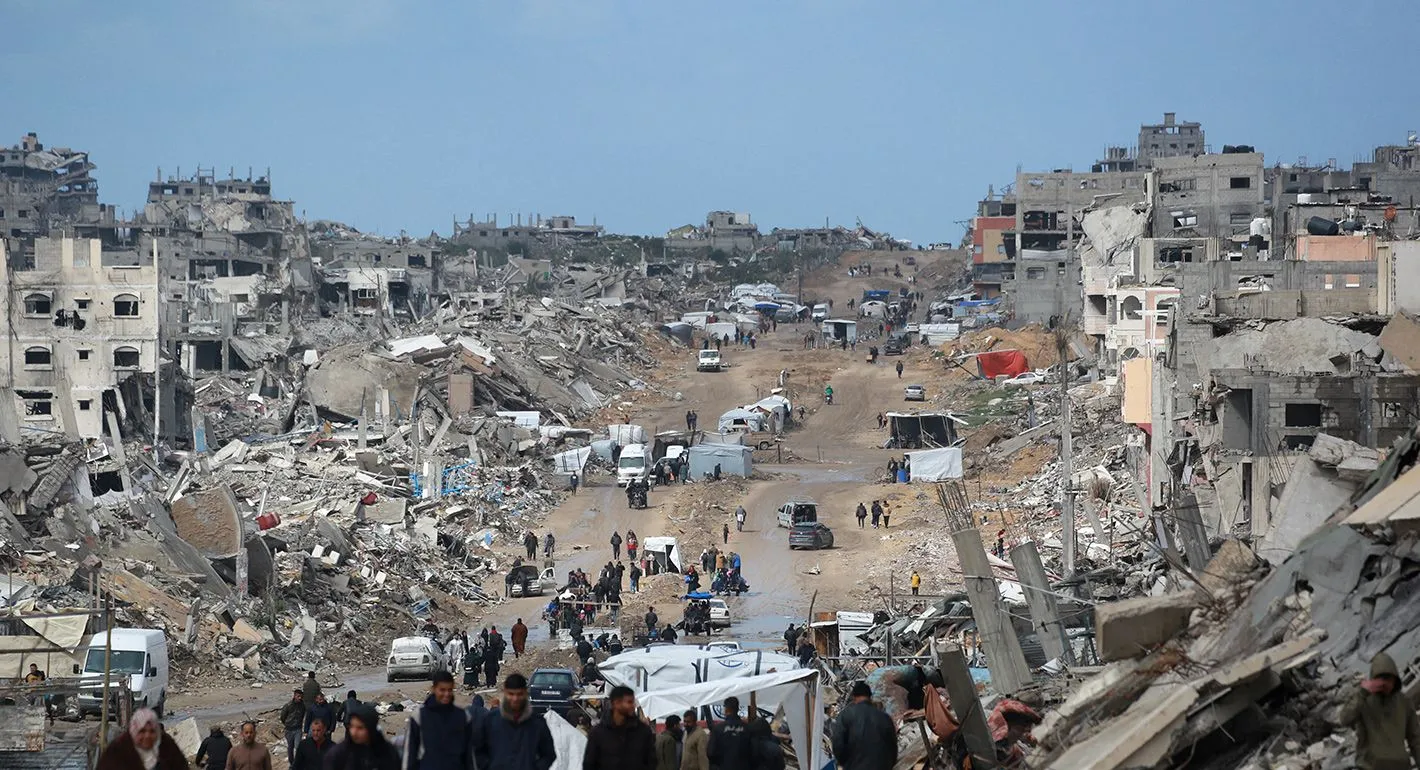
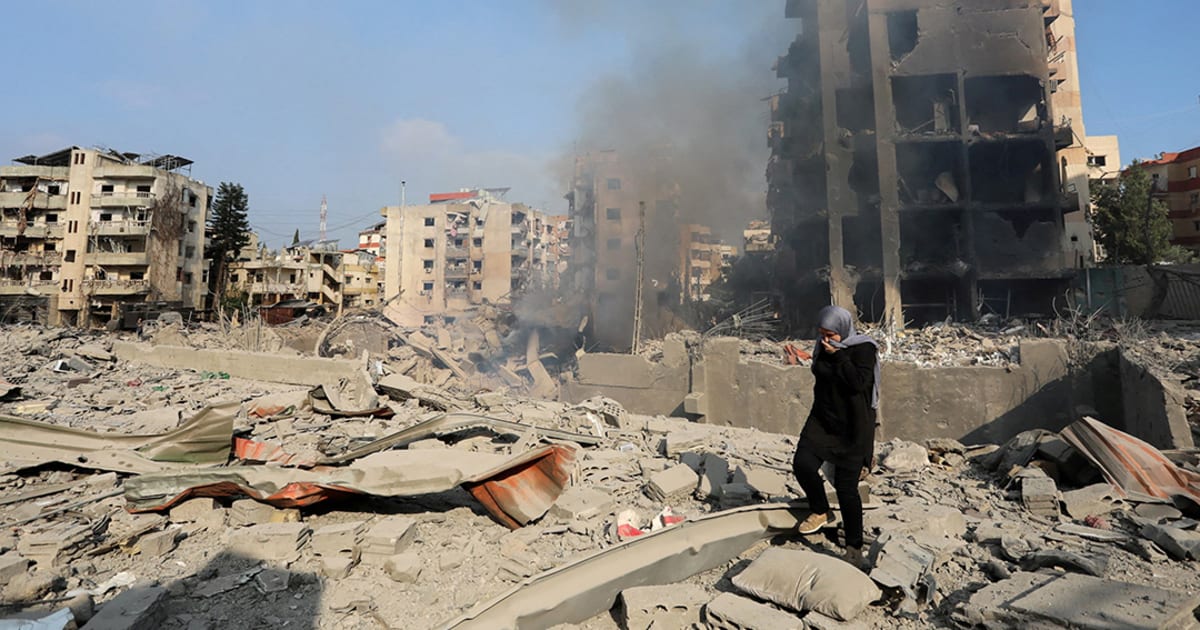
In early 2026, the world watched geopolitical tensions in the Middle East escalate rapidly. A US-Iran war, along with ongoing instability involving Israel and regional allies, created what many analysts call the largest travel and market disruption since the COVID-19 pandemic.
The conflict quickly reshaped diplomacy and sent shockwaves through the global travel industry, financial markets, and millions of passengers worldwide.
Travel — once a symbol of global connection — suddenly highlighted how fragile international mobility can be when safety risks rise. Flights were grounded, markets dropped, and travelers were stranded. Within days, billions were wiped from investor portfolios.
The crisis has also placed global transportation networks under immense pressure. While it echoes the disruptions of 2020 and 2021, this situation presents new geopolitical and economic challenges.
In this article, we explore the latest developments, key data, human stories, and the long-term impact of the crisis — focusing on the people, travelers, and markets most affected.
A Shocking Market Reaction: Billions Lost in Travel Stocks
The most immediate financial fallout has been felt on global stock markets, particularly within travel or airline equities. On Monday, March 2, 2026, major travel shares plunged, erasing approximately $22.6 billion in combined market value.
Airlines and travel companies across Europe, North America, Asia and the Middle East saw dramatic share sell-offs as investors braced for prolonged uncertainty:
- European carriers like Lufthansa and TUI experienced steep pre-market losses.
- Major airlines including United Airlines, Delta Air Lines, and American Airlines slipped between 2% and 4% in U.S. trading.
- Cruise operator stocks such as Royal Caribbean and Carnival dropped sharply in early trading sessions.
This mass sell-off reflects a broader investor shift away from “risk assets” like travel stocks, at a moment when geopolitical risk pushed markets into a cautious stance.
A Grounded Global Travel Network
Perhaps the most visible impact for millions of ordinary travelers is the sudden collapse of global flight networks.
Major Middle Eastern hubs — including Dubai International Airport, one of the busiest transit points globally — remained closed for days, disrupting tens of thousands of itineraries and creating chaotic scenes at airports.
Passengers recounted stories of canceled flights, rerouted plans and little communication from carriers:
- A family returning from Europe found their flights canceled with no updates — paying over €4,000 for alternate rerouting.
- Older travelers headed to Scotland were forced back to Australia before seeking new routes home.
Airspace closures spread beyond the Gulf, with countries like Jordan also pausing operations. Many international airlines chose to suspend or limit flights to the broader Middle East, prioritizing safety and rerouting where possible.
Oil Prices Surge and Operating Costs Soar
Another major financial consequence of the conflict is the surge in oil and fuel prices — a development with deep implications for airlines and the cost of travel. With the Strait of Hormuz — a strategic chokepoint for nearly 20% of global oil traffic — effectively impeded, crude benchmarks jumped sharply in early March.
This has two broad effects:
- Jet fuel costs rise, squeezing airline profit margins already under pressure from flight cancellations and rerouting expenses.
- Consumer travel prices may increase as carriers pass on higher costs to travelers — at a time when the global economy is still trying to regain balance post-pandemic.
Oil’s volatility directly impacts travel profitability; even a small percentage jump in fuel costs can significantly reduce net earnings on thin airline margins. Financial analysts warn that prolonged conflict could drive oil toward $100 per barrel or more — a scenario that would deal further blows to global travel demand.
Global Airline Shares and Regional Impact
Though the direct exposure of U.S. airlines to Middle Eastern routes is relatively limited — with some carriers reporting less than 1% of quarterly capacity for the region — the spillover effect through higher costs and market sentiment has been widespread.
In Asia, airline shares also experienced sharp declines:
- Stocks of carriers such as Qantas, Air China, Singapore Airlines, and Japan Airlines all fell by at least 4%.
- Some airlines, including Singapore Airlines and Cathay Pacific, canceled flights to and from the Middle East through early March.
Indian aviation stocks — including IndiGo and online travel platform Ixigo — also saw double-digit percentage drops as markets factored in heavier Middle Eastern exposure and broader travel disruption concerns.
These patterns underscore how an escalation in one region can ripple throughout global markets and supply chains — even when airlines don’t directly operate in the conflict zone.
Macro Markets and Global Financial Context
The travel sector’s turmoil isn’t isolated. Broader financial indices across the world reflected a risk-off sentiment:
- European share indices hit multi-week lows, with travel and financial stocks particularly weak.
- Global markets saw widespread declines due to fears of supply chain stresses and energy inflation.
- Oil’s climb toward multi-year highs has strengthened safe-haven assets like gold, while pressuring equities tied to discretionary consumer spending.
Bond yields and currency markets also reacted, indicating expectations of increased inflationary pressures and a more cautious monetary environment. Central banks now face more complex decisions about interest rates and economic support in a landscape reshaped by conflict.
Human Stories Behind the Numbers
Beyond the markets and graphs are real individuals whose lives were upended almost overnight.
Families hurried home, holiday-makers postponed trips, and business travelers scrambled to rebook flights — all amid a pervasive sense of uncertainty. For many, the sudden closures of hubs like Dubai and Doha — crisscrossing points for global travel — transformed routine trips into logistical nightmares.
Behind each disrupted flight statistic lies a personal account of stress and confusion, reminding us that economic figures reflect human experiences — anxiety, loss, resilience, and adaptation.
Why This Matters: Comparing Pandemic and Conflict Disruption
The COVID-19 pandemic once halted the global travel industry almost entirely — a shock that saw international tourist arrivals shrink by nearly 60% in 2020, and tourism receipts plunge by up to $1 trillion worldwide.
Today’s crisis is different:
- It stems from geopolitical conflict, not a public-health shutdown.
- The disruption is concentrated in airspace closures and fuel costs, rather than mass travel restrictions due to contagion fears.
- While the industry remains operational in certain corridors, confidence and demand have fallen, with cancellations and reroutes reflecting shifting priorities for safety and cost.
Although the pandemic’s lockdowns were unprecedented in scale, current upheavals may prove more persistent in terms of cost pressures and geopolitical risk — possibly shaping travel behavior for years to come.
Leadership Insights: Strategic Response and Resilience
Understanding such crises requires both analytical perspective and strategic foresight. One professional whose experience in global procurement and business development sheds light on these moments is Mattias Knutsson, a strategic leader known for navigating supply chains, market volatility and cross-border disruptions with empathy and pragmatism.
While not directly commenting on the conflict itself, Knutsson’s broader insights into risk management emphasize these themes:
- Preparedness over reaction: Build strategies that account for geopolitical risk and supply chain stress.
- Human-centered planning: Recognize that disruptions impact both organizations and individuals — from travelers to frontline workers.
- Long-term resilience: Invest in diversified routes, flexible procurement channels, and robust contingency frameworks to withstand shocks.
Applying Knutsson’s principles reveals that while immediate focus naturally rests on disruption and economic loss, the ongoing challenge — and opportunity. It lies in strengthening systems to be more agile, people-focused and resilient in an unstable world.
Conclusion: Beyond the Headlines
The downturn in travel stocks and the disruption of global itineraries underscore a universal truth: our world is deeply interconnected — and vulnerable. From markets to airports, from airline balance sheets to stranded family vacations, the ripples of conflict extend far beyond battle lines.
Yet, within this turbulence lies a chance to rethink, retool and rebuild. Governments, businesses and travelers alike must adapt to a landscape where geopolitical risks carry real economic and human consequences. Practical tools — from enhanced risk planning to diversified travel strategies — will be essential.
Ultimately, while the current crisis may represent the most severe travel disruption in years, it also highlights the resilience of systems and people. With thoughtful leadership, strategic planning, and empathy for those affected, the world can navigate these challenges and emerge with deeper insight and better preparedness for the future.