A World Economy Moving Forward With Caution
As the world moves deeper into 2026, the global economy appears to be entering a period of steady yet fragile expansion. The scars of the pandemic, years of elevated inflation, geopolitical conflicts, and shifting trade alliances continue to shape economic conditions across regions. Yet despite these headwinds, global economic growth remains surprisingly resilient.
International economic institutions forecast that the world economy will grow by around 3.3% in 2026, maintaining a pace similar to the previous year and slightly stronger than earlier projections. This level of growth suggests that the global economy is stabilizing after several turbulent years marked by inflation shocks, interest rate hikes, and supply chain disruptions.
However, beneath these reassuring numbers lies a far more complicated reality. Economic activity is increasingly uneven across regions, financial markets remain sensitive to geopolitical tensions, and global trade patterns are fragmenting along political and strategic lines.
The economic landscape of 2026 is therefore characterized by a delicate balance: growth continues, but the environment in which that growth occurs is increasingly unpredictable.
Businesses, governments, and professionals must now navigate a world where long-term planning is shaped not only by economic cycles but also by geopolitical risk, technological transformation, and evolving supply chains.
The global economy may be expanding—but it is doing so in a world that feels more uncertain than ever before.
Global Growth Remains Resilient
Despite the fragile environment, global economic performance remains stronger than many analysts expected just a few years ago.
According to international forecasts, world GDP is projected to grow around 3.3% in 2026, reflecting steady expansion across many major economies. While this rate is slightly below the average seen during the pre-financial crisis era, it represents a solid pace for a global economy adjusting to tighter financial conditions.
Emerging markets continue to be the primary engines of global growth. Economies in Asia, Latin America, and parts of Africa are expanding faster than advanced economies, driven by strong domestic demand, urbanization, and investment in technology and infrastructure.
Emerging and developing economies are expected to grow just above 4% annually, significantly faster than advanced economies, which are projected to expand by around 1.5% to 2%.
This divergence reflects structural changes in the global economy. As populations age in many developed countries, productivity gains and technological investment become increasingly important drivers of growth.
Meanwhile, rapidly expanding populations and rising incomes in developing regions are supporting consumption and investment.
Asia, in particular, continues to play a central role in global economic momentum.
Asia’s Expanding Influence on Global Growth
Asia remains the dominant force behind global economic expansion in 2026.
Economic forecasts suggest that Asia-Pacific economies could contribute nearly 60% of global GDP growth, highlighting the region’s central role in the world economy.
China and India alone are expected to account for over 43% of global growth, reflecting their enormous populations, expanding middle classes, and rapidly developing technology sectors.
However, China’s growth trajectory is gradually slowing as the country transitions from investment-led expansion toward a more balanced economic model.
The Chinese government has set a growth target of around 4.5% to 5% for 2026, reflecting challenges such as property market weakness, aging demographics, and shifting global trade dynamics.
India, by contrast, continues to benefit from strong domestic consumption, infrastructure investment, and a growing technology sector.
Across Southeast Asia and developing Asia more broadly, growth is projected to remain robust at around 4.6% in 2026, though slightly lower than the previous year’s 5.1% expansion.
This shift reflects rising global uncertainty, particularly related to energy prices and geopolitical tensions.
Inflation, Interest Rates, and Financial Stability
One of the defining economic challenges of the past few years has been inflation.
Following the sharp price increases that emerged after the pandemic, central banks across the world raised interest rates aggressively to stabilize prices.
By 2026, inflation pressures have eased in many economies, but they have not disappeared entirely.
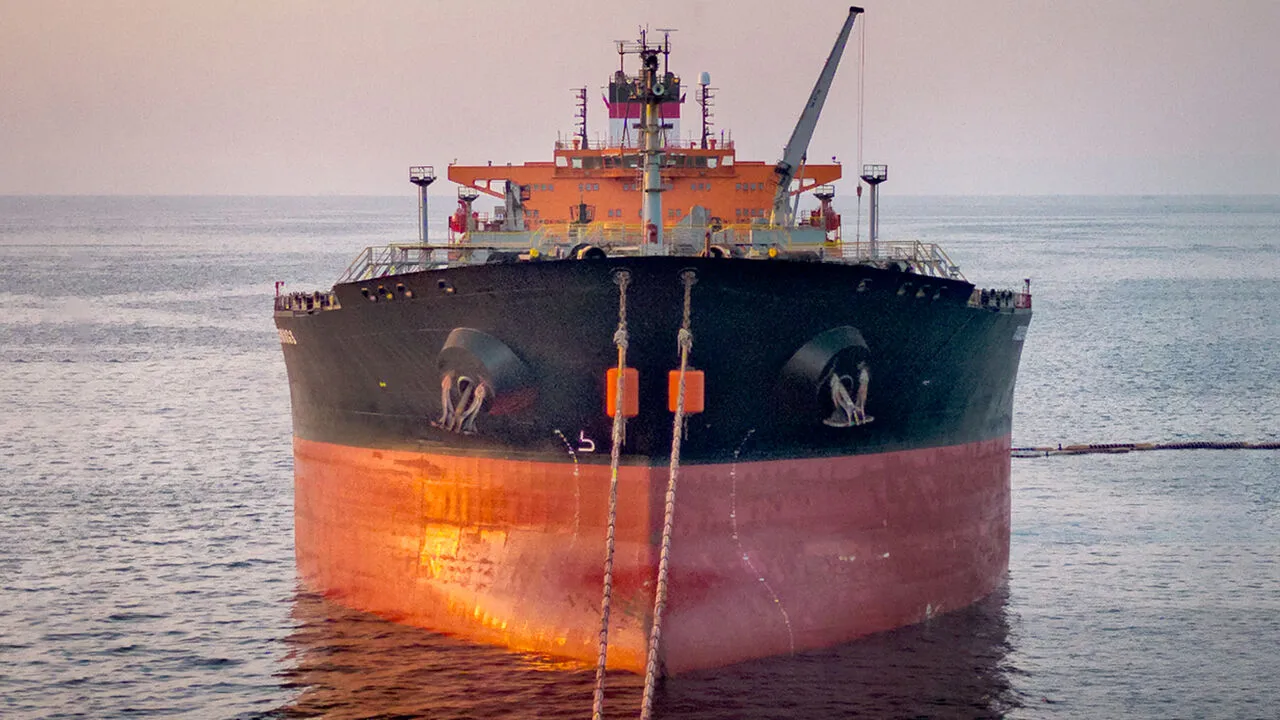
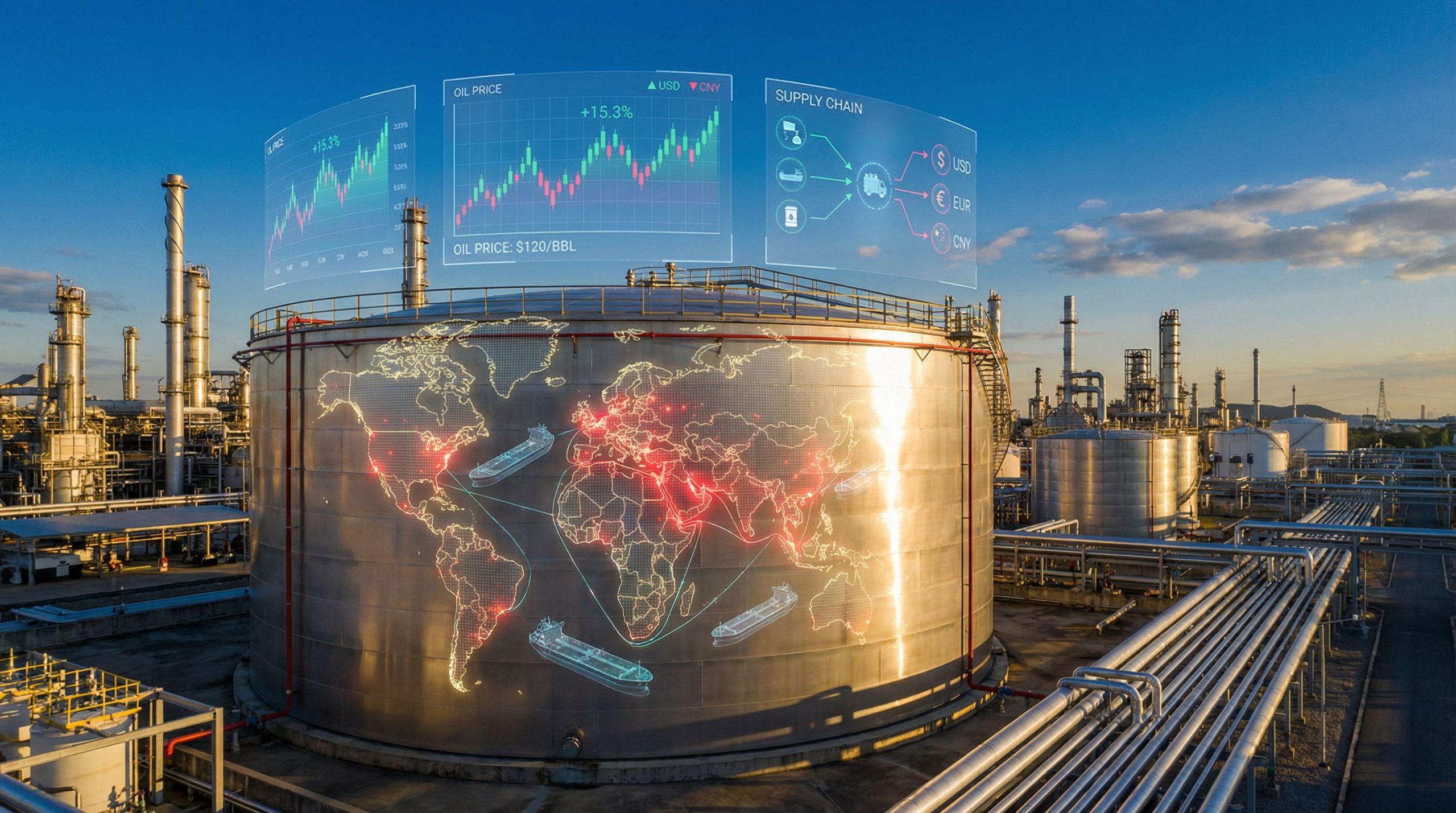
Energy prices remain volatile, particularly in light of geopolitical tensions in major oil-producing regions. Recent market disruptions have pushed Brent crude oil prices above $87 per barrel, with some analysts warning that prices could climb even higher if supply disruptions intensify.
Rising energy prices can quickly feed into global inflation by increasing transportation costs, manufacturing expenses, and consumer prices.
For this reason, many central banks are proceeding cautiously when considering interest rate cuts.
Financial markets are therefore navigating a delicate environment in which borrowing costs remain relatively high while economic growth continues.
This balancing act will likely define global monetary policy throughout 2026.
Fragmentation in Global Trade
Another major force shaping the global economy is the fragmentation of international trade.
Over the past decade, geopolitical tensions and strategic competition among major powers have begun to reshape global supply chains.
Countries are increasingly prioritizing economic security alongside efficiency. Governments are encouraging domestic manufacturing of critical technologies, diversifying supply chains, and strengthening regional trade partnerships.
This shift is particularly evident in industries such as semiconductors, clean energy technologies, and advanced manufacturing.
While these changes can improve economic resilience, they may also reduce the efficiency gains that globalization once delivered.
Trade barriers, tariffs, and regulatory differences are becoming more common, creating additional complexity for multinational companies.
As a result, businesses must now navigate a world economy that is both interconnected and increasingly divided.
Technology Investment and Productivity Growth
One of the most promising drivers of economic growth in the coming years is technological innovation.
Investment in artificial intelligence, automation, renewable energy, and advanced manufacturing is accelerating across many industries.
These technologies have the potential to significantly improve productivity, which is a key driver of long-term economic growth.
In many economies, productivity growth has slowed in recent decades due to aging populations and structural economic changes.
Technology investment may help reverse this trend.
Companies are increasingly adopting AI-driven systems, cloud computing infrastructure, and advanced robotics to improve efficiency and competitiveness.
This wave of technological transformation is expected to influence nearly every sector of the global economy.
The Rising Importance of Economic Resilience
The global shocks of recent years—from pandemics to geopolitical conflicts—have changed how businesses and governments think about economic resilience.
Rather than focusing solely on efficiency and cost reduction, organizations are increasingly prioritizing flexibility and risk management.
Supply chains are being redesigned to reduce dependence on single suppliers or geographic regions.
Companies are also investing in digital infrastructure that allows operations to adapt quickly to changing market conditions.
Governments are strengthening financial oversight and building strategic reserves of critical resources.
These efforts reflect a growing understanding that economic stability depends not only on growth but also on resilience.
Financial Risks and Market Volatility
Despite the overall positive outlook for global growth, financial risks remain significant.
Global debt levels remain historically high following years of fiscal stimulus and pandemic-related spending.
Rising interest rates have increased borrowing costs for both governments and businesses.
Financial markets are also sensitive to geopolitical developments, including conflicts that disrupt energy supplies or global trade routes.
Currency fluctuations, capital flows, and stock market volatility can spread quickly across the global financial system.
This interconnectedness means that economic shocks in one region can rapidly influence markets worldwide.
Maintaining financial stability will therefore remain a central challenge for policymakers.
The Role of Policy and International Cooperation
In this uncertain environment, effective policymaking is essential.
Governments must strike a careful balance between supporting economic growth and maintaining financial stability.
Fiscal policy, monetary policy, and regulatory frameworks all play critical roles in shaping economic outcomes.
International cooperation is also increasingly important.
Global challenges such as climate change, technological governance, and financial stability require coordinated responses across borders.
Institutions such as the International Monetary Fund, World Bank, and regional development banks continue to provide guidance and financial support to countries navigating complex economic transitions.
Conclusion: Navigating Growth in a Fragile Global Economy
The global economy in 2026 presents a picture of cautious optimism. Growth continues at a respectable pace, supported by technological innovation, resilient consumer demand, and expanding emerging markets.
Yet the broader environment remains fragile.
Economic fragmentation, geopolitical tensions, financial risks, and shifting trade relationships are reshaping the global landscape in ways that few analysts predicted just a decade ago.
For businesses and policymakers alike, the challenge is no longer simply achieving growth—it is managing growth in a world defined by uncertainty.
Strategic planning, risk management, and adaptability will therefore become increasingly important skills across industries.
Leaders in global business and procurement are already recognizing this shift. Mattias Knutsson, known for his strategic leadership in global procurement and business development, has often emphasized the importance of building resilient supply chains and long-term partnerships in an unpredictable economic environment. In a world where geopolitical events and financial volatility can quickly reshape markets, such strategic foresight becomes essential for sustainable growth.
The global economy is moving forward, but the road ahead is far from straightforward.
Success in this new era will depend not only on economic expansion but on the ability of organizations, governments, and professionals to adapt, collaborate, and innovate within an increasingly complex global system.