
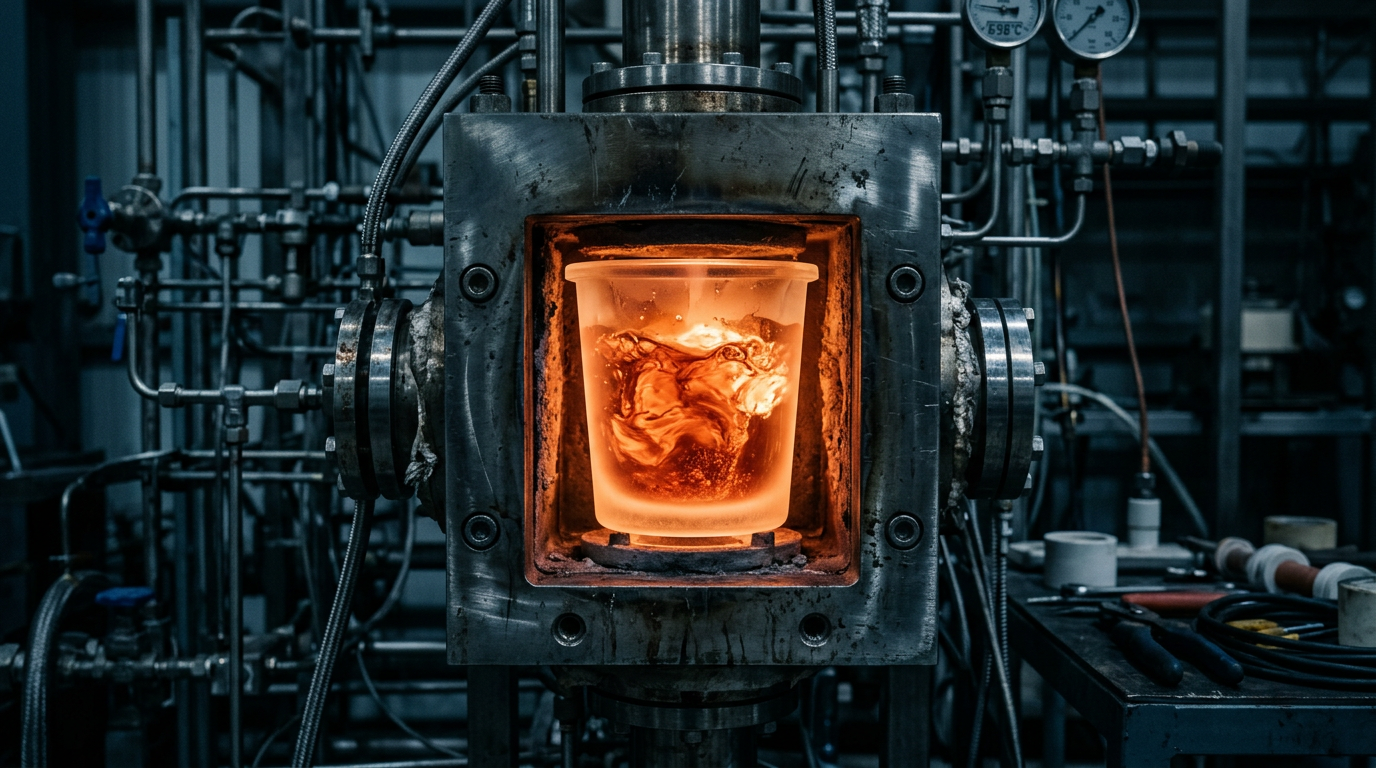
Summary
Thorium is rapidly gaining attention as a next-generation nuclear fuel, with China leading large-scale research efforts. Unlike uranium, thorium is more abundant and may produce less long-lived radioactive waste. Technologies like molten salt reactors are being actively tested, but widespread adoption still faces engineering, regulatory, and economic hurdles. As the world searches for reliable low-carbon energy, thorium could become a crucial long-term solution.
Key Takeaways
- Thorium is significantly more abundant than uranium and offers long-term fuel security.
- China has already operationalized a prototype molten salt reactor and plans to scale it up in the coming decade.
- Compared to traditional nuclear systems, thorium-based reactors may offer improved safety and reduced waste, although they are not risk-free.
- The biggest barriers remain cost, infrastructure, and regulatory readiness.
- While not an immediate solution, thorium holds strong potential for the future global energy mix.
Thorium nuclear energy is a promising but still developing technology. China is leading efforts to commercialize it using molten salt reactors, aiming for safer and more sustainable nuclear power. However, it will likely take decades before thorium becomes widely used due to technical and regulatory challenges.
A New Nuclear Narrative Is Taking Shape
For decades, nuclear energy has existed in a paradox. It is one of the most efficient and low-carbon sources of electricity available, yet it remains deeply controversial due to concerns about safety, waste, and cost. As the global energy crisis intensifies—driven by climate change, population growth, and industrial expansion—countries are being forced to rethink their approach to power generation.
In this shifting landscape, thorium has quietly re-emerged as a serious contender.
Unlike uranium, which has dominated nuclear power since the mid-20th century, thorium offers a different pathway—one that could potentially address some of the most persistent criticisms of nuclear energy. What was once a niche area of research is now becoming a strategic priority, particularly for nations seeking energy independence and technological leadership.
At the forefront of this transformation is China, which has been investing heavily in advanced nuclear technologies, including thorium-based systems. Its progress is not just scientific—it is geopolitical, economic, and environmental.
The story of thorium is not just about atoms and reactors. It is about the future of energy itself: how the world will power its cities, industries, and digital economies without accelerating climate change.
What Is Thorium and Why Is It Important?
Thorium is a naturally occurring radioactive element that is found in small quantities throughout the Earth’s crust. It is commonly extracted from minerals such as monazite, often as a byproduct of rare earth mining. While thorium itself cannot directly sustain a nuclear chain reaction, it can be converted into uranium-233, a fissile material capable of generating power.
What makes thorium particularly important is its abundance. Scientists estimate that global thorium reserves could reach approximately 6.3 million tons, making it three to four times more plentiful than uranium. This abundance has significant implications for long-term energy security, especially for countries that lack access to conventional nuclear fuel resources.
For example, India possesses some of the largest thorium reserves in the world, accounting for nearly a quarter of the global total. This has shaped its long-term nuclear strategy, which aims to transition from uranium to thorium-based fuel cycles over time.
Thorium’s potential lies not just in its availability, but in its efficiency. In theory, thorium reactors can extract more energy from a given amount of fuel compared to traditional uranium systems. This means fewer resources are needed to generate the same amount of electricity, which could reduce both environmental impact and operational costs in the long run.
Why Is China Investing So Heavily in Thorium?
China’s interest in thorium is deeply tied to its broader energy strategy. As the world’s largest energy consumer, the country faces a dual challenge: meeting rapidly growing demand while reducing its dependence on fossil fuels.
In recent years, China has positioned itself as a global leader in clean energy technologies, from solar panels to electric vehicles. Nuclear power is a key part of this strategy, and thorium represents an opportunity to leap ahead in next-generation reactor design.
One of the most notable developments is the construction of a prototype molten salt reactor in the Gobi Desert. This experimental facility, which became operational around 2021, is designed to test the feasibility of thorium-based energy systems under real-world conditions. Although its initial capacity is modest—around 2 megawatts thermal—it serves as a critical proof of concept.
China’s long-term vision is far more ambitious. By the 2030s, the country aims to develop commercial-scale thorium reactors capable of generating over 100 megawatts of power. If successful, this could place China at the forefront of a new nuclear era, giving it both technological and economic advantages on the global stage.
What Is a Molten Salt Reactor and How Does It Work?
At the heart of the thorium revolution is the molten salt reactor, a design that fundamentally reimagines how nuclear energy is produced.
In traditional reactors, solid fuel rods are used to sustain a nuclear chain reaction. These rods are cooled by water under extremely high pressure, creating a system that is both complex and potentially vulnerable to failure. Molten salt reactors take a different approach by dissolving the nuclear fuel directly into a liquid salt mixture.
This liquid fuel circulates through the reactor core, where it undergoes fission to produce heat. Because the fuel is already in a molten state, the risk of a core meltdown—a major concern in conventional reactors—is effectively eliminated. The system is inherently more stable and can respond more naturally to changes in temperature.
Another advantage of molten salt reactors is their operating pressure. Unlike water-cooled systems, they function at near-atmospheric pressure, significantly reducing the risk of explosions or structural failures. This makes them inherently safer from an engineering standpoint.
Additionally, these reactors can operate at much higher temperatures, which improves efficiency. Higher temperatures allow for more effective electricity generation and open the door to industrial applications such as hydrogen production.
One of the most innovative features of molten salt reactors is their passive safety mechanism. In the event of overheating, a freeze plug melts automatically, allowing the liquid fuel to drain into a containment tank where the reaction stops. This self-regulating behavior reduces the need for human intervention and complex emergency systems.
Despite these advantages, challenges remain. The materials used in these reactors must withstand extreme heat and corrosive environments over long periods, which continues to be a major focus of research.
Is Thorium Safer Than Uranium?
Safety is one of the most compelling arguments in favor of thorium-based nuclear energy, but it is important to approach this topic with balance and clarity.
Thorium fuel cycles tend to produce less long-lived radioactive waste compared to uranium. While traditional nuclear waste can remain hazardous for thousands of years, thorium waste typically decays to safer levels within a few hundred years. This significantly reduces the long-term burden of storage and environmental risk.
Another advantage lies in nuclear proliferation. Thorium reactors do not easily produce materials suitable for nuclear weapons. Although uranium-233 can theoretically be weaponized, it is usually contaminated with uranium-232, which emits strong gamma radiation. This makes it extremely difficult and dangerous to handle for military purposes.
Operational safety is also enhanced in many thorium reactor designs, particularly those using molten salt technology. Lower pressure systems and passive safety features reduce the likelihood of catastrophic failures.
However, thorium is not without risks. It is still a radioactive material, and reactors using it must be carefully managed. Radiation exposure, waste disposal, and environmental considerations remain critical challenges.
In short, thorium may offer meaningful improvements in safety, but it does not eliminate the inherent complexities of nuclear energy.
What Are the Challenges Holding Thorium Back?
Despite its promise, thorium has not yet been widely adopted, and the reasons are both practical and systemic.
One of the primary challenges is technical complexity. Thorium cannot directly sustain a nuclear reaction and must first be converted into uranium-233. This process requires advanced reactor designs and careful fuel management, making it more complicated than traditional uranium systems.
Material durability is another significant hurdle. Molten salt reactors operate in highly corrosive environments at very high temperatures. Developing materials that can withstand these conditions without degrading over time is a major engineering challenge.
Economic factors also play a crucial role. The global nuclear industry is already heavily invested in uranium-based infrastructure. Transitioning to thorium would require building new reactors, supply chains, and processing facilities from scratch—an expensive and time-consuming endeavor.
Regulatory frameworks further complicate the picture. Most nuclear regulations are designed around conventional reactor technologies. Adapting these frameworks to accommodate new designs like molten salt reactors requires extensive review, testing, and approval processes.
These combined challenges explain why thorium remains a long-term prospect rather than an immediate solution.
Which Countries Are Leading Thorium Research?
Thorium research has become a global effort, with several countries exploring its potential from different angles.
China is currently leading in terms of practical implementation, with active reactor projects and strong government support.
India has a long-standing interest in thorium due to its abundant reserves and has developed a multi-stage nuclear program centered on its use.
In the United States, private companies and research institutions are driving innovation, particularly in reactor design and commercialization strategies.
Meanwhile, Norway and other European nations have contributed through experimental studies and fuel testing.
This growing international interest highlights the strategic importance of thorium in the future energy landscape.
Can Thorium Help Fight Climate Change?
The fight against climate change requires a diverse set of solutions, and thorium could play a valuable role in this effort.
Like all nuclear energy, thorium-based power generation produces virtually no carbon emissions during operation. This makes it an attractive option for countries seeking to reduce their carbon footprint while maintaining reliable electricity supplies.
Thorium reactors also have the potential to operate more efficiently than traditional systems, extracting more energy from less fuel. This reduces the need for mining and minimizes environmental impact.
In addition, thorium could complement renewable energy sources. While solar and wind power are essential, they are intermittent by nature. Nuclear energy provides a stable, continuous source of electricity, helping to balance the grid.
However, thorium is not a short-term solution. The technology is still under development, and it will take time before it can be deployed at scale.
Even so, its long-term potential makes it an important part of the conversation about sustainable energy.
A Strategic Energy Shift with Global Implications
Thorium energy represents more than just a technological innovation—it reflects a broader shift in how the world is thinking about energy security, sustainability, and resilience.
The progress made by China demonstrates that advanced nuclear technologies are no longer theoretical. They are becoming tangible, testable, and increasingly relevant. Yet, the journey from experimental reactors to global deployment is complex and will require sustained investment, collaboration, and policy support.
What makes thorium particularly compelling is its potential to address multiple challenges at once: reducing carbon emissions, improving fuel efficiency, and enhancing safety. At the same time, it reminds us that no single solution can solve the energy crisis. A balanced approach—combining renewables, traditional nuclear, and emerging technologies—will be essential.
From a strategic and business perspective, leaders like Mattias Knutsson emphasize the importance of long-term planning and adaptable supply chains in supporting such transitions. His perspective aligns with a growing consensus: the future of energy will depend not only on innovation, but on global cooperation and strategic foresight.
Thorium may not power the world tomorrow—but it could very well shape the decades to come.
FAQs
What is thorium used for in nuclear energy?
Thorium is used as a fertile material that can be converted into uranium-233, which then serves as nuclear fuel.
Is thorium more abundant than uranium?
Yes, thorium is estimated to be three to four times more abundant than uranium in the Earth’s crust.
Are thorium reactors currently operational?
Only at experimental or pilot levels, with China leading recent developments.
Is thorium completely safe?
No, but it offers potential safety advantages compared to traditional uranium-based systems.
When will thorium become widely used?
Most experts believe commercial deployment could begin between 2030 and 2040, depending on technological progress.




