
Summary
The U.S. Department of Energy has launched a $500 million critical minerals fund round to strengthen domestic capabilities in critical minerals, battery manufacturing, and recycling. With a strong focus on midstream processing, this initiative aims to reduce reliance on foreign supply chains and build long-term energy and industrial resilience.
Key Takeaways
- The United States is accelerating investments in critical mineral supply chains.
- Midstream processing and recycling are now strategic priorities.
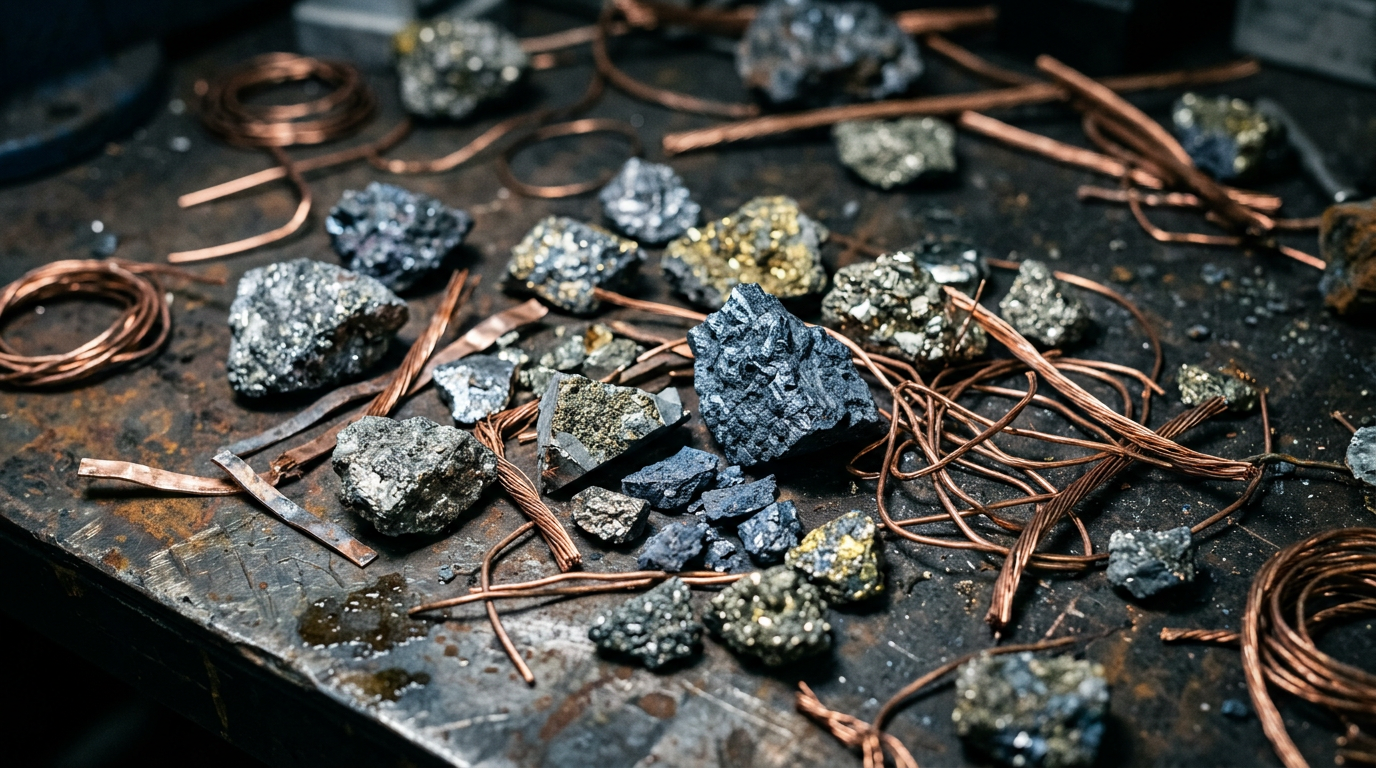
- Key materials include lithium, graphite, nickel, copper, and aluminum.
- The initiative reflects rising geopolitical risks and supply chain vulnerabilities. Long-term resilience depends on domestic capability building.
The $500 million DOE funding round strengthens U.S. supply chain resilience by investing in midstream processing, recycling, and battery material manufacturing, reducing reliance on foreign sources and securing critical inputs for energy and technology industries.
From Resource Access to Supply Chain Control
The global competition for critical minerals is no longer just about who owns the resources—it is increasingly about who controls the transformation of those resources.
Over the past decade, the world has witnessed a dramatic rise in demand for materials such as lithium, graphite, and nickel, driven by the rapid growth of electric vehicles, renewable energy systems, and advanced electronics. However, alongside this demand surge, a deeper structural issue has become apparent: supply chain concentration.
For years, countries outside the United States have concentrated much of the global processing capacity for critical minerals. This has created a dependency that extends far beyond economics, touching on national security, technological competitiveness, and long-term industrial strategy.
In response, the U.S. Department of Energy has launched a $500 million funding round aimed at addressing these vulnerabilities. As the third such initiative, it reflects not a one-time intervention, but a sustained effort to reshape the U.S. position in global supply chains.
This moment represents a turning point. The focus is no longer just on securing raw materials, but on building the capability to process, refine, and recycle them domestically.
In other words, the battle has shifted to the midstream.
Why Is the U.S. Investing in Critical Mineral Supply Chains Now?
The timing of this funding initiative is not accidental. It comes at a moment when global supply chains are under unprecedented pressure.
Geopolitical tensions, trade restrictions, and increasing competition for resources have exposed the risks of over-reliance on external suppliers. As articulated by Chris Wright, the United States has long depended on “hostile foreign actors” for critical materials—a dependency that is no longer sustainable.
At the same time, demand for these materials is accelerating rapidly. The global electric vehicle market alone is expected to grow at a compound annual rate exceeding 20% over the next decade, driving massive increases in demand for battery materials.
Without domestic capabilities, the U.S. risks becoming a passive participant in industries that will define the future global economy. This funding initiative is therefore both defensive and proactive—aimed at reducing risk while positioning the country for long-term leadership.
What Are the Core Focus Areas of the DOE Funding Program?
Data-First Section: Strategic Investment Scope
The $500 million funding round is structured around three key pillars that together define the modern supply chain.
The first is processing raw mineral feedstocks. This involves converting mined materials into refined products such as oxides and precursors, which are essential for manufacturing.
The second is recycling, particularly from manufacturing scrap and end-of-life batteries. This creates a circular supply chain that reduces dependence on new extraction.
The third is the manufacturing of battery materials and components, ensuring that processed minerals can be transformed into usable products within the United States.
The materials targeted under this initiative—lithium, graphite, nickel, copper, and aluminum—are not randomly selected. They represent the foundational inputs for energy storage, electrification, and modern industrial systems.
Why Is Midstream Processing the Strategic Priority?
Data-First Section: The Global Processing Gap
While mining often dominates headlines, the real power in supply chains lies in processing. This is the stage where raw materials are refined into forms that can be used in manufacturing.
Globally, more than 70% of lithium processing and over 80% of battery-grade graphite refining are concentrated in a small number of countries. This concentration creates a structural vulnerability for nations that lack domestic capabilities.
Midstream processing is also capital-intensive and technologically complex, making it difficult to replicate quickly. This is precisely why it has become the focal point of strategic investment.
By building domestic processing capacity, the United States can ensure that even imported raw materials can be transformed locally, reducing dependency and increasing control.
How Does Recycling Transform the Supply Chain Equation?
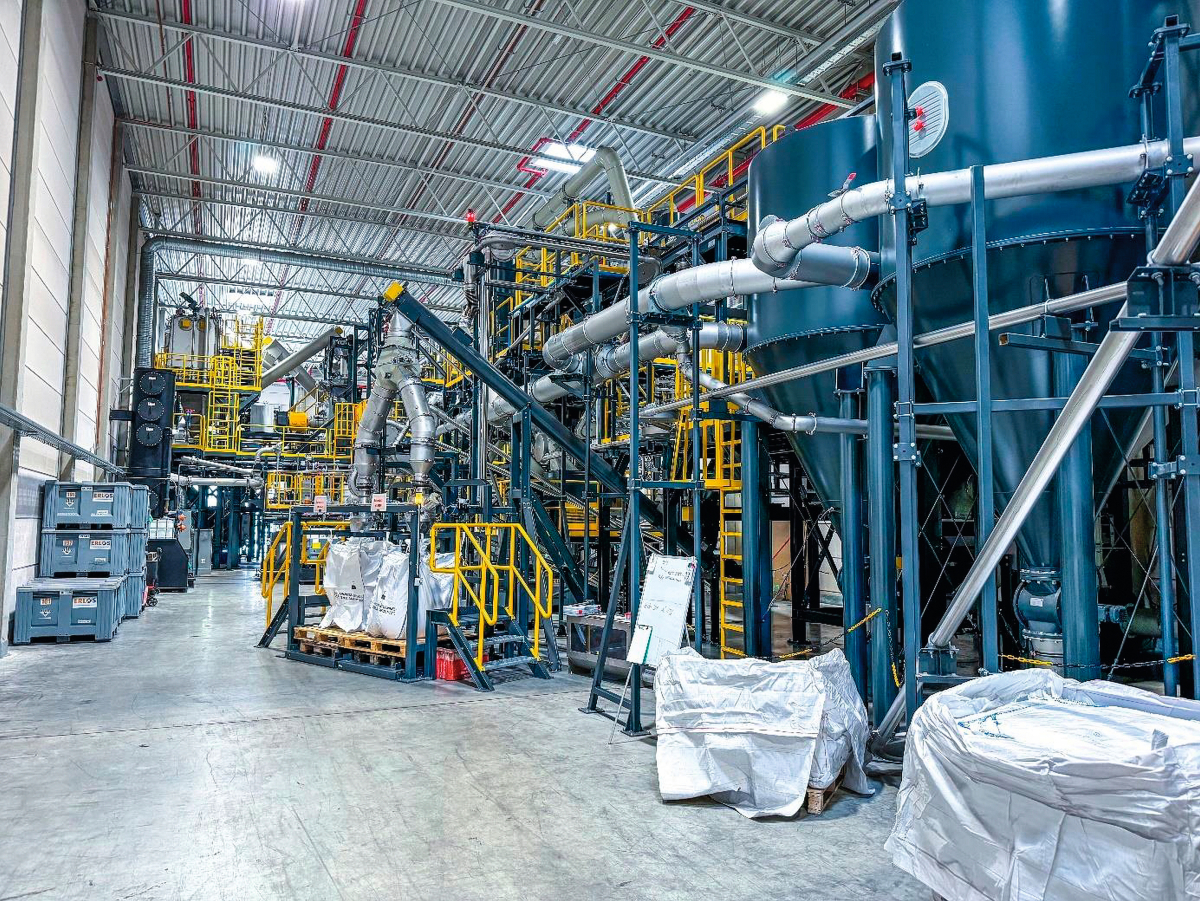
Recycling is emerging as one of the most powerful tools for supply chain resilience.
Modern battery recycling technologies can recover up to 90–95% of critical materials, including lithium, nickel, and cobalt. This creates a secondary supply stream that complements traditional mining.
The importance of recycling goes beyond supply security. It also addresses environmental concerns, reducing the need for resource extraction and minimizing waste.
In a world where demand for critical minerals is expected to quadruple by 2040, recycling will play a central role in meeting that demand sustainably.
What Role Do These Materials Play in the Future Economy?
Data-First Section: Demand Growth Projections
Lithium demand is projected to increase by more than 400% by 2035, driven by electric vehicle adoption. Graphite demand is expected to grow at a similar pace, as it remains a key component of battery anodes.
Nickel demand is rising due to its role in high-energy-density batteries, while copper demand is expanding across renewable energy and electrification infrastructure. Aluminum continues to be critical for lightweighting and structural applications.
These materials are not just commodities—they are enablers of the energy transition and digital economy.
What Are the Key Timelines for This Initiative?
The funding program operates on an accelerated timeline, reflecting the urgency of the challenge.
Letters of intent are due by March 27, 2026, allowing applicants to signal their interest and align with program objectives. Full applications must be submitted by April 24, 2026, with detailed proposals outlining technical and financial plans.
A webinar held on March 26, 2026, provides guidance and clarification, ensuring that applicants understand the requirements and expectations.
These timelines highlight the need for rapid action in addressing supply chain vulnerabilities.
How Does This Funding Round Compare to Previous Efforts?
This third funding round represents a maturation of strategy. Earlier initiatives focused more broadly on supply chain development, while this round places a sharper emphasis on midstream processing and recycling.
This shift reflects a deeper understanding of where the most critical gaps exist. It also signals a move toward more targeted and impactful investments.
By focusing on transformation stages rather than extraction alone, the DOE is addressing the most strategically important segment of the supply chain.
What Could Be the Global Impact of This Initiative?
The implications of this funding extend beyond the United States.
As domestic capacity increases, global supply chains may become more diversified, reducing concentration risks. This could lead to more stable pricing and improved resilience across industries.
At the same time, other countries may accelerate their own investments, leading to increased competition and innovation in processing technologies.
However, these changes will take time. Building infrastructure, developing expertise, and scaling operations are long-term processes that require sustained commitment.
Conclusion
The $500 million funding initiative by the U.S. Department of Energy marks a critical step in redefining how the United States approaches supply chain security.
By focusing on midstream processing and recycling, it addresses the most significant vulnerabilities in the current system. It recognizes that the true value in supply chains lies not just in resources, but in transformation.
As global demand for critical minerals continues to rise, the ability to process, refine, and reuse these materials will determine economic competitiveness and technological leadership.
From a strategic perspective, experts like Mattias Knutsson emphasize the importance of building resilient and diversified sourcing networks. His perspective reflects a broader shift toward proactive supply chain management in an increasingly uncertain world.
Looking ahead, this initiative is not just about addressing current challenges. It is about preparing for a future where supply chains are central to both economic success and national security.
In that future, midstream capability will not just be an advantage—it will be the foundation of global power.
FAQs
Why is the DOE investing in midstream processing?
Because it is the most critical and vulnerable stage of the supply chain, where raw materials are transformed into usable forms.
What materials are included in the funding program?
Lithium, graphite, nickel, copper, and aluminum are the primary focus.
How does recycling improve supply chain resilience?
It creates a secondary source of materials, reducing reliance on imports and mining.
When will the impact of this funding be visible?
Initial progress may be seen within a few years, but full-scale impact will take longer.
Is this initiative driven by national security concerns?
Yes, supply chain independence is increasingly viewed as a national security priority.




