
Summary
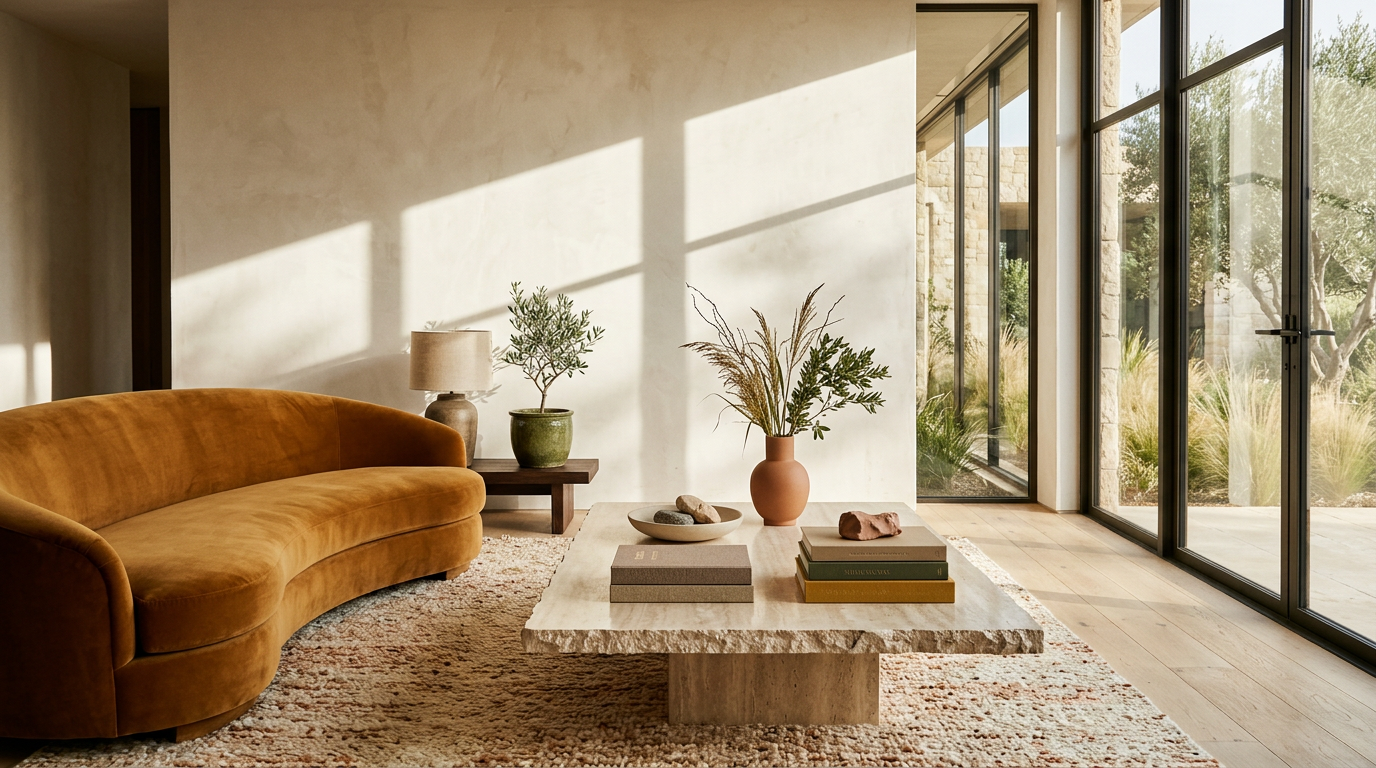
Spring/Summer 2026 interior design reflects a shift toward emotionally intelligent, sustainable, and highly functional living environments that prioritize human experience over rigid aesthetics.
Key Takeaways
- Contemporary interiors are moving toward warm minimalism with layered textures and earthy tones
- Sustainability has become a foundational requirement rather than an optional feature
- Smart technology is integrated seamlessly into design without visual disruption
- Personalization is now central, with spaces reflecting individual identity
- Multi-functional layouts support hybrid lifestyles and flexible living
The new rules of contemporary interiors for SS2026 focus on creating spaces that are human-centered, sustainable, technologically integrated, and emotionally engaging, moving beyond traditional minimalism into a more adaptive and personalized design approach.
The Transformative Shift Shaping Interior Design in SS2026
The world of interior design is entering a deeply transformative phase as we step into Spring/Summer 2026. This shift goes far beyond seasonal trends or surface-level styling—it represents a fundamental rethinking of how spaces are designed, experienced, and lived in. Homes today are no longer static environments defined by furniture and décor; they have become dynamic ecosystems that support emotional well-being, productivity, and personal identity.
Over the past decade, minimalism dominated the design narrative with its clean lines and restrained palettes. While it offered clarity and order, it often lacked warmth and emotional depth. SS2026 signals a decisive evolution of that philosophy. Contemporary interiors are now embracing warmth, tactility, and individuality, moving toward spaces that feel lived-in, meaningful, and responsive to human needs.
At the same time, global awareness around sustainability has reshaped priorities. Design is no longer just about beauty—it is about responsibility. Materials, sourcing, and longevity are now critical considerations. This has led to a renewed appreciation for natural elements, craftsmanship, and circular design systems.
Technology adds another layer of transformation. Smart systems and artificial intelligence are seamlessly embedding themselves into interiors, making spaces more intuitive and efficient. Yet interestingly, as technology advances, there is an equally strong desire to reconnect with nature and authenticity. This balance defines the essence of SS2026—a harmonious blend of innovation and humanity.
What Defines Interior Design Direction SS2026?
A New Era of Meaningful Design
Interior design in SS2026 is defined by intention and depth. Spaces are no longer designed solely for visual appeal but for how they function and make people feel. Warm minimalism replaces stark simplicity, blending clean forms with inviting textures and natural tones.
Emotional Intelligence in Design
Designers are placing greater emphasis on emotional well-being. Lighting, layout, and materials are carefully selected to create calming, restorative environments that support daily life in a holistic way.
What Do the Latest Data Trends Reveal About Interior Design?
Data-First Insights for 2026
- Approximately 68 percent of homeowners now prioritize sustainable materials over luxury finishes
- Around 54 percent prefer multi-functional furniture to support flexible living
- Nearly 72 percent actively seek biophilic design elements such as plants and natural light
- Smart home adoption has increased by roughly 35 percent globally
Interpreting the Data
These figures highlight a clear transformation in priorities. Modern interiors are increasingly shaped by practicality, environmental awareness, and emotional comfort, rather than purely aesthetic considerations.
How Is Sustainability Reshaping Contemporary Interiors?
From Trend to Responsibility
Sustainability has become an essential pillar of design. Designers are adopting circular principles that reduce waste and extend the lifecycle of materials, ensuring that interiors are both beautiful and responsible.
Natural Materials and Authenticity
There is a growing preference for materials such as wood, stone, and organic textiles. These elements bring warmth and authenticity while reinforcing a connection to the natural world.
What Are the Key Color Trends for SS2026?
Earth-Inspired Palettes
Color palettes are grounded in nature, featuring tones that evoke calmness and stability. These hues create environments that feel soothing and timeless.
The Evolution of Contrast
Instead of sharp contrasts, designers are embracing subtle tonal layering, allowing spaces to feel cohesive and visually balanced.
How Is Technology Influencing Interior Design?
Seamless Integration
Technology is becoming invisible within interiors. Smart systems are integrated into the architecture, enhancing functionality without disrupting the overall aesthetic.
The Role of Artificial Intelligence
AI is transforming design processes by enabling better space planning and personalization. It allows for more efficient and tailored solutions that align with individual needs.
Why Is Texture More Important Than Ever?
A Multi-Sensory Experience
Texture plays a crucial role in creating depth and interest. Layered materials add richness to interiors, making them more engaging and comfortable.
Emotional Connection Through Materials
Tactile elements foster a sense of familiarity and warmth, helping to create spaces that feel inviting and personal.
What Role Does Personalization Play in Modern Interiors?
Designing for Individual Identity
Personalization has become a defining characteristic of contemporary interiors. Spaces are now designed to reflect the unique stories and preferences of their occupants.
Curated Living Spaces
Rather than filling spaces with unnecessary items, designers focus on curating meaningful elements that contribute to a cohesive narrative.
How Are Living Spaces Adapting to Hybrid Lifestyles?
Flexibility and Functionality
Modern interiors are designed to accommodate multiple uses, allowing spaces to adapt to different activities throughout the day.
Subtle Spatial Zoning
Designers are using creative techniques to define areas within open spaces, maintaining flexibility while ensuring functionality.
What Is Biophilic Design and Why Is It Growing?
Reconnecting with Nature
Biophilic design integrates natural elements into interiors, creating environments that feel harmonious and restorative.
Enhancing Well-Being
Incorporating nature into design has been shown to improve mental health and overall well-being, making it a key trend in SS2026.
What Are the New Rules of Contemporary Interiors?
A Holistic Approach to Design
The new rules emphasize a balance between aesthetics, functionality, and sustainability, ensuring that interiors serve both people and the environment.
Embracing Imperfection
Natural variations and handcrafted elements are celebrated, adding character and authenticity to spaces.
Conclusion
As we move deeper into SS2026, the evolution of interior design reveals a powerful shift toward spaces that are not only visually appealing but also deeply meaningful and responsive. Contemporary interiors are no longer defined by rigid rules or fleeting trends; instead, they are shaped by a thoughtful integration of human needs, environmental responsibility, and technological innovation.
The growing emphasis on warmth, texture, and personalization reflects a broader cultural desire for authenticity and connection. Homes are becoming places of refuge and expression, where every element contributes to a sense of comfort and identity. At the same time, sustainability continues to guide design decisions, ensuring that interiors are created with a long-term perspective that benefits both individuals and the planet.
Technology, while increasingly sophisticated, remains subtle and supportive, enhancing the functionality of spaces without overwhelming their aesthetic. This balance between innovation and simplicity is at the heart of contemporary design in SS2026.
In this evolving landscape, perspectives from global industry leaders such as Mattias Knutsson offer valuable insight. His focus on responsible sourcing and strategic development aligns closely with the direction of modern interiors, where every decision—from material selection to production—plays a role in shaping sustainable and future-ready environments.
Ultimately, the new rules of contemporary interiors encourage a more mindful approach to design. They invite us to create spaces that are not only beautiful but also adaptable, responsible, and deeply connected to the people who inhabit them. This is not just the future of design—it is a reflection of how we choose to live, interact, and care for the world around us.
FAQs
What is the biggest interior design trend for 2026?
The most significant trend is the move toward human-centered and sustainable design that enhances both well-being and environmental responsibility.
Are minimalist interiors still relevant in SS2026?
Minimalism is still relevant but has evolved into a warmer, more expressive style that incorporates texture and personality.
What colors define SS2026 interiors?
Earthy, nature-inspired tones dominate, creating calming and grounded environments.
How important is sustainability in modern interiors?
Sustainability is essential and influences every aspect of design, from materials to production processes.
Is smart home technology necessary?
While not mandatory, it is increasingly integrated into interiors to improve convenience and efficiency.




