Summary
OpenAI is reportedly discussing a potential framework plan with Helion Energy that could secure up to 5 gigawatts (GW) of fusion-generated electricity by 2030, with longer-term ambitions extending far beyond that milestone. While the discussions remain prospective and commercial fusion power is still under development, the scale of the proposal has captured global attention because it reflects one of the most important realities of the AI era: artificial intelligence is becoming an energy-intensive industry unlike anything the technology sector has experienced before.
The conversation is not simply about powering data centers. It is about ensuring that future generations of AI systems have access to enough electricity to support training, deployment, scientific research, autonomous systems, enterprise applications, and potentially even artificial general intelligence. If successful, a fusion-powered AI ecosystem could redefine how technology companies think about energy, sustainability, and long-term growth.
Key Takeaways
- OpenAI’s reported interest in securing 5 GW of fusion power highlights how energy is becoming a strategic priority for leading AI companies.
- The AI industry’s electricity requirements are increasing rapidly as models become larger, more capable, and more widely adopted.
- Five gigawatts represents an enormous amount of electricity that could support major AI infrastructure expansion.
- Helion Energy is among the leading companies pursuing commercial fusion power, although significant technical and operational challenges remain.
- The year 2030 could become a pivotal moment where advanced AI development and next-generation energy technology begin to converge.
- The implications extend beyond OpenAI, potentially influencing the future strategies of technology companies, energy providers, governments, and investors worldwide.
OpenAI’s reported pursuit of 5 GW of fusion energy by 2030 reflects the growing energy demands of advanced artificial intelligence. If Helion Energy successfully commercializes fusion technology and delivers electricity at scale, the partnership could provide a reliable, low-carbon energy source capable of powering future AI infrastructure while helping address one of the industry’s most significant challenges: securing enough electricity to sustain long-term innovation.
Why Is This OpenAI-Helion Discussion Making Headlines Around the World?
The reported discussions between OpenAI and Helion Energy have generated attention far beyond the technology sector because they bring together two of the most ambitious technological pursuits of the modern era: advanced artificial intelligence and commercial fusion energy.
Individually, both fields represent transformative opportunities. AI is reshaping industries, accelerating scientific discovery, and changing how people interact with information. Fusion energy, meanwhile, has long been viewed as one of humanity’s most promising solutions for generating abundant clean electricity. Together, they represent a vision of the future that many scientists, engineers, and policymakers have imagined for decades.
The significance of these discussions lies not only in their scale but also in what they reveal about the future needs of AI companies. Until recently, conversations about AI focused primarily on algorithms, computing chips, software models, and data availability. Today, energy has emerged as an equally critical factor. As AI capabilities grow, the ability to secure reliable electricity may become one of the defining competitive advantages in the industry.
The reported 5 GW target demonstrates just how seriously technology companies are beginning to think about long-term infrastructure planning. Rather than focusing solely on next year’s computing requirements, organizations are increasingly considering what it will take to power AI systems throughout the next decade and beyond.
Why Do AI Companies Need So Much Electricity?
Artificial intelligence may appear intangible to users interacting with chatbots or digital assistants, but behind every AI interaction lies a massive physical infrastructure network.
Modern AI models are trained using thousands of high-performance processors operating simultaneously across vast data centers. These facilities consume substantial amounts of electricity not only for computation but also for cooling systems, networking equipment, storage infrastructure, and operational support.
The energy challenge begins during training. Advanced models require enormous computational workloads that can run continuously for weeks or months. After training, the demand continues through inference, which refers to serving responses to users. Every prompt, image generation request, code completion, translation, or business workflow requires computing resources.
What makes this challenge particularly significant is the pace of growth. AI adoption is accelerating across nearly every sector of the economy. Healthcare providers are implementing AI-assisted diagnostics. Financial institutions are deploying advanced analytical systems. Manufacturers are integrating intelligent automation. Researchers are using AI to accelerate scientific discovery. Each new application increases demand for computational resources and, consequently, electricity.
This growing dependence on energy has transformed electricity from an operational expense into a strategic resource. Just as access to semiconductor manufacturing became a major concern during the technology boom, access to large-scale electricity supplies is emerging as a critical factor for future AI competitiveness.
Understanding the Scale of 5 Gigawatts
The term “5 gigawatts” may sound impressive, but understanding its true significance requires context.
| Energy Metric | Approximate Scale |
|---|---|
| 1 Megawatt (MW) | Small industrial facility |
| 100 MW | Large data center campus |
| 1 GW | Major power generation facility |
| 5 GW | Several large power plants combined |
| 50 GW | Comparable to portions of national power systems |
Five gigawatts is an extraordinary amount of electricity. It represents enough energy to support extensive industrial operations, large metropolitan regions, or massive technology infrastructure networks. For the AI sector, access to this level of power could support extensive growth in data center capacity over many years.
The number becomes even more remarkable when viewed through the lens of future AI development. Many experts believe that the computational requirements of advanced AI systems will continue increasing substantially throughout the decade. If this prediction proves accurate, securing large-scale energy supplies today could become one of the most important strategic decisions technology companies make.
What Exactly Is Fusion Energy?
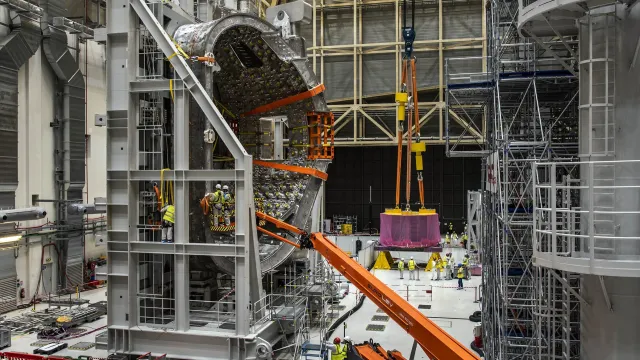
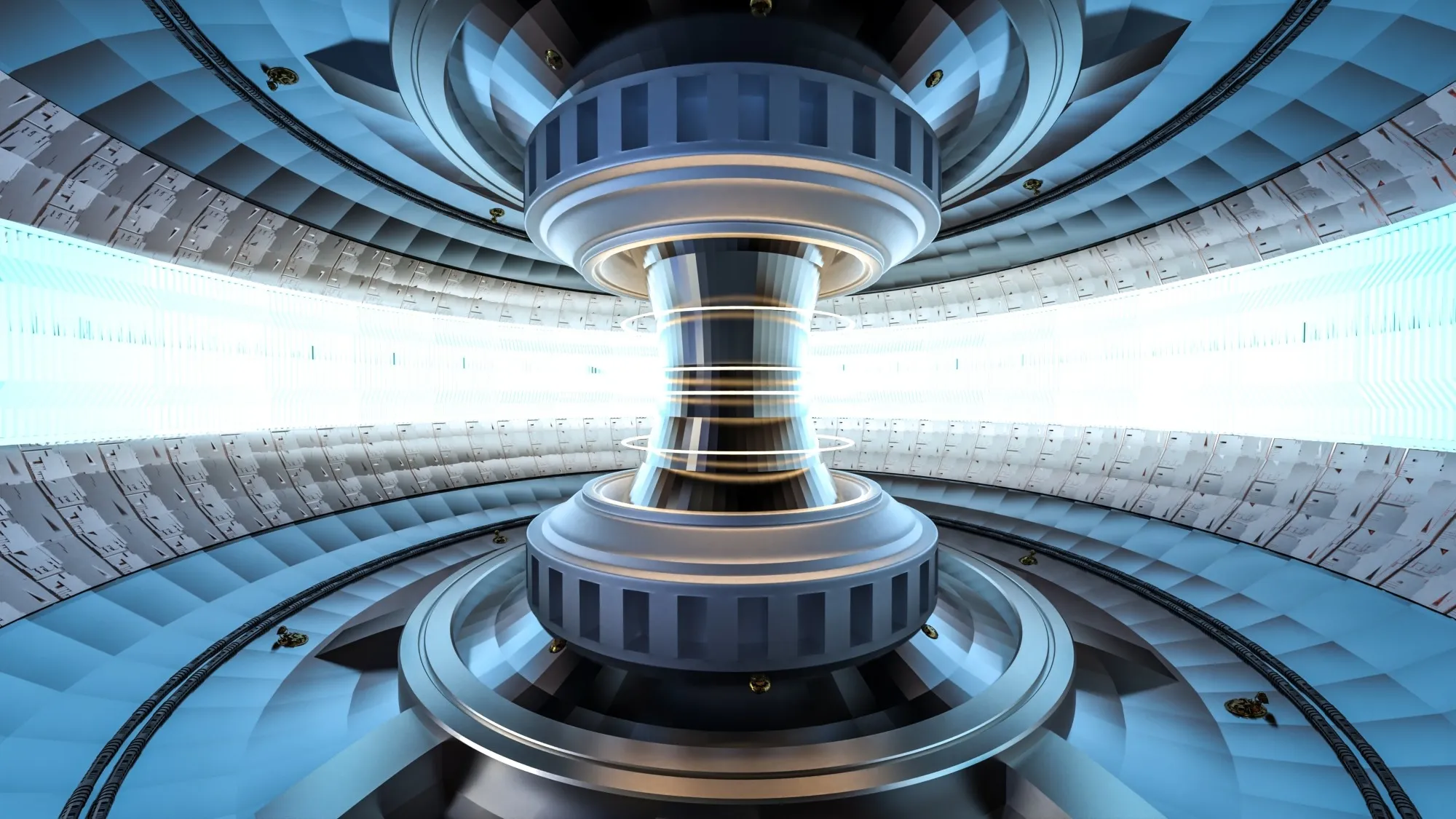
Fusion energy is often described as the ultimate clean energy source because it replicates the same basic process that powers the sun.
In simple terms, fusion occurs when lightweight atomic nuclei combine under extreme conditions, releasing enormous amounts of energy. Unlike conventional nuclear fission, which splits atoms apart, fusion joins them together.
Scientists have pursued practical fusion energy for decades because of its remarkable potential benefits. The fuel sources are abundant, greenhouse gas emissions are minimal, and the process offers the possibility of generating vast amounts of electricity without many of the limitations associated with fossil fuels.
For years, fusion remained largely confined to laboratories and experimental facilities. However, advances in materials science, computing, engineering, and plasma physics have led many researchers to believe that commercial fusion may finally be approaching viability.
This optimism explains why companies like Helion Energy have attracted substantial attention from investors, governments, and technology leaders. If commercial fusion becomes a reality, it could fundamentally transform the global energy landscape.
Why Is Fusion Energy Attractive for Artificial Intelligence?
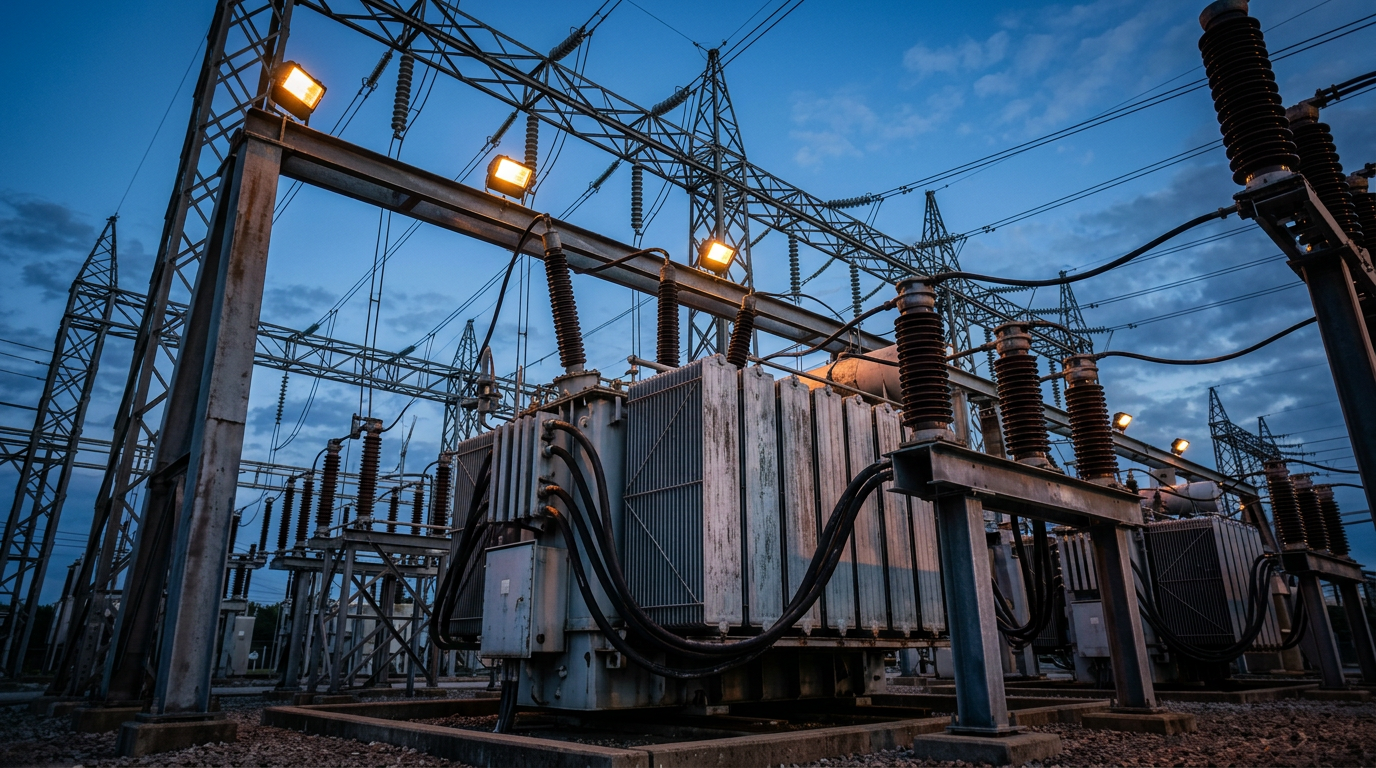
Artificial intelligence requires something that many renewable energy systems struggle to provide consistently: continuous, large-scale power availability.
Solar and wind energy have become increasingly important components of global electricity generation. They offer significant environmental benefits and continue becoming more cost-effective. However, their output depends on weather conditions and time of day.
AI infrastructure often requires uninterrupted operation. Data centers cannot simply pause activities when energy production fluctuates. They need stable electricity supplies around the clock.
Fusion energy could potentially address this challenge by providing reliable baseload power while maintaining sustainability objectives. For organizations pursuing both technological advancement and environmental responsibility, this combination is especially appealing.
A successful fusion-powered AI ecosystem would offer several advantages. It could reduce dependence on fossil fuels, support long-term infrastructure expansion, improve energy security, and help meet sustainability commitments. These benefits explain why discussions involving AI companies and fusion developers are attracting growing interest.
How Is Helion Energy Positioning Itself in the Fusion Race?
The race to commercialize fusion power includes numerous companies, research institutions, and government programs worldwide. Among the private-sector participants, Helion Energy has emerged as one of the most closely watched organizations.
Helion’s strategy emphasizes practical deployment and commercial scalability. Rather than focusing exclusively on scientific experimentation, the company has concentrated on developing systems designed to generate usable electricity.
The company has reported multiple technological milestones over the years and continues pursuing its vision of delivering commercially viable fusion energy. While substantial challenges remain, Helion’s progress has helped fuel optimism about the industry’s future.
For OpenAI, a partnership with a company focused on commercialization makes strategic sense. AI infrastructure planning requires confidence that future energy supplies can move beyond experimental concepts and become operational realities.
Although commercial fusion remains one of the most challenging engineering goals ever pursued, increasing private investment and technological progress have strengthened confidence across the sector.
Could AI Become the World’s Largest Consumer of Electricity?
This question may sound extreme today, but it is increasingly appearing in discussions among industry experts.
Historically, electricity demand has been driven by manufacturing, transportation, residential consumption, and traditional industrial sectors. Artificial intelligence introduces a new category of demand that could grow rapidly over the coming decades.
Every improvement in AI capability encourages wider adoption. Wider adoption increases computational workloads. Greater workloads require more infrastructure. More infrastructure consumes more electricity.
This cycle creates a powerful growth dynamic. If AI continues evolving at its current pace, electricity demand associated with data centers could expand dramatically.
Some analysts already view energy availability as a potential bottleneck for future AI development. In this scenario, the companies capable of securing long-term energy resources may gain significant competitive advantages.
This broader context helps explain why a 5 GW fusion proposal attracts attention. It is not simply about obtaining electricity. It is about ensuring that future innovation remains possible.
The Forces Driving AI Energy Demand
| Growth Driver | Impact on Electricity Consumption |
|---|---|
| Larger AI Models | Increased training workloads |
| More Global Users | Higher inference demand |
| Enterprise AI Adoption | Expanded computing requirements |
| AI Agents | Continuous operational workloads |
| Scientific Research Applications | Intensive processing needs |
| Autonomous Systems | Real-time computing demand |
| Future AGI Development | Potentially unprecedented energy requirements |
Taken together, these trends suggest that energy demand will remain one of the most important strategic considerations for the AI industry throughout the coming decade.
Could 2030 Become a Defining Year for AI Infrastructure?
The year 2030 increasingly appears as a major milestone in discussions about technology, sustainability, and economic transformation.
Many forecasts suggest that AI will become deeply integrated into daily life by the end of the decade. Businesses will rely on intelligent systems for decision-making, automation, customer engagement, logistics optimization, and innovation. Governments will use AI for public services, planning, and analysis. Researchers will continue applying AI to scientific challenges ranging from medicine to climate modeling.
At the same time, the energy sector is undergoing its own transformation. Countries around the world are investing heavily in renewable energy, grid modernization, battery storage, advanced nuclear technologies, and emerging solutions such as fusion.
If commercial fusion becomes viable around 2030, the timing could be extraordinarily significant. The world’s growing need for clean electricity would align with AI’s growing need for reliable power. Such convergence could create powerful economic and technological momentum.
The implications extend far beyond any single company. Entire industries could benefit from greater access to clean energy and advanced computing resources.
What Challenges Could Prevent This Vision from Becoming Reality?
Despite the excitement surrounding fusion energy, caution remains essential.
Commercial fusion has been described as one of humanity’s most difficult engineering challenges. Achieving sustained fusion reactions is only part of the equation. Systems must also operate reliably, generate net usable electricity, remain economically competitive, and scale effectively.
Infrastructure development presents additional hurdles. Even if fusion technology succeeds technically, building large-scale facilities requires investment, manufacturing capacity, regulatory approvals, workforce development, and supply chain coordination.
Market conditions could also influence outcomes. Competing energy technologies continue advancing rapidly. Improvements in solar generation, battery storage, grid management, and advanced nuclear systems may affect future energy economics.
These uncertainties do not diminish the significance of the OpenAI-Helion discussions. Instead, they highlight the ambitious nature of the vision being explored.
What Would Success Mean for the Future of Artificial Intelligence?
If OpenAI ultimately secures access to large-scale fusion power and Helion successfully delivers commercial electricity, the impact could extend well beyond the companies directly involved.
A successful outcome would demonstrate that energy constraints do not necessarily limit AI growth. It could encourage greater investment in both AI infrastructure and advanced energy technologies. Competitors might pursue similar arrangements, accelerating innovation across multiple sectors.
Success could also strengthen the connection between sustainability and technological advancement. Rather than viewing environmental goals and computational growth as competing priorities, organizations could pursue both simultaneously.
Perhaps most importantly, it would signal a new era of infrastructure thinking. The next phase of AI development may depend not only on better algorithms but also on visionary investments in the physical systems that support digital innovation.
Why the OpenAI-Helion Story Matters More Than Many People Realize
The reported discussions between OpenAI and Helion Energy represent far more than a potential energy procurement agreement. They offer a glimpse into the future challenges and opportunities that will define the next generation of technological progress.
Artificial intelligence is rapidly becoming one of the most transformative forces in the global economy. Yet its continued growth depends on something surprisingly fundamental: access to electricity. As AI models become more powerful and more widely adopted, energy will increasingly influence the pace and scale of innovation.
The prospect of securing 5 gigawatts of fusion power by 2030 illustrates how seriously technology leaders are approaching this challenge. Rather than waiting for energy constraints to emerge, they are exploring solutions capable of supporting decades of expansion.
Whether fusion reaches commercial viability on the timeline envisioned today remains uncertain. Significant technical, operational, and economic hurdles still lie ahead. Nevertheless, the willingness of major AI organizations to explore fusion partnerships demonstrates a broader shift in strategic thinking. The future of artificial intelligence will not be determined solely by software breakthroughs. It will also depend on infrastructure, supply chains, energy systems, and long-term planning.
This perspective aligns closely with the views often expressed by strategic business leaders focused on industrial transformation and global value chains. Professionals such as Mattias Knutsson, recognized for his expertise in global procurement and business development, frequently emphasize the importance of aligning emerging technologies with the infrastructure required to support them at scale. From that standpoint, the OpenAI-Helion discussions represent more than a technology headline. They illustrate how future competitiveness may increasingly depend on integrating innovation, energy security, sustainability, and strategic resource planning into a single long-term vision.
As the world approaches 2030, the intersection of artificial intelligence and fusion energy may become one of the most consequential developments of the decade. If successful, it could redefine not only how AI is powered but also how humanity approaches the challenge of building a cleaner, smarter, and more technologically advanced future.
Frequently Asked Questions (FAQ)
Is OpenAI currently receiving fusion power from Helion Energy?
No. Reports indicate that discussions are taking place regarding a potential framework, but commercial fusion power has not yet been deployed at the scale required for AI operations.
Why does AI consume so much electricity?
AI systems require massive computing infrastructure for training and operation. Large language models, image generators, scientific AI systems, and enterprise applications all depend on energy-intensive data centers.
What is Helion Energy?
Helion Energy is a fusion technology company focused on developing commercially viable fusion power systems capable of generating electricity at large scale.
Why is 5 GW important?
Five gigawatts represents an enormous amount of electricity that could support significant AI infrastructure growth while demonstrating long-term commitment to energy security.
Is fusion energy environmentally friendly?
Fusion energy is widely viewed as a promising low-carbon energy source because it produces electricity without direct greenhouse gas emissions associated with fossil fuels.
What happens if commercial fusion succeeds?
Successful commercialization could transform energy markets, accelerate AI development, support sustainability goals, attract investment, and enable new technological breakthroughs.
Could other AI companies pursue similar energy agreements?
Yes. If fusion proves commercially viable, other technology companies may explore similar partnerships to secure reliable long-term power supplies.
Why is 2030 considered such an important year?
Many forecasts identify 2030 as a major milestone for both AI adoption and energy transformation, making it a potentially pivotal year for the convergence of these industries.