Summary
Interior design trends between 2026-2028 is moving beyond short-lived aesthetics toward timeless, emotionally engaging spaces. Designers are embracing earthy color palettes, tactile materials, polished silver metals, selective high-gloss finishes, and nature-inspired environments that improve well-being while reflecting homeowners’ personalities. Rather than following rigid minimalism, the new approach celebrates comfort, craftsmanship, sustainability, and curated individuality.
Key Takeaways
- Earthy, nature-inspired color palettes are replacing stark white and cool gray interiors.
- Silver metallic finishes such as chrome, stainless steel, and brushed nickel are making a strong comeback.
- High-gloss surfaces are returning as statement accents instead of dominating entire interiors.
- Wellness, biophilic design, and sensory experiences are influencing residential design decisions.
- Personal expression and curated interiors are replacing “perfect” minimalist homes.
- Sustainable materials and craftsmanship are becoming long-term priorities.
- Technology is becoming more invisible, seamlessly integrating into interior spaces.
- Homes are increasingly designed for flexibility, comfort, and emotional well-being.
The defining interior design trends from 2026 through 2028 focus on creating homes that feel authentic, comfortable, and enduring rather than trend-driven. Warm earthy colors, layered textures, silver-toned metals, selective glossy finishes, handcrafted furniture, sustainable materials, and nature-inspired spaces are replacing sterile minimalism. Homeowners are prioritizing emotional connection, wellness, and personalization, making interiors more timeless and functional for everyday living.
Interior Design Trends 2026–2028 at a Glance
| Trend | What’s Changing? | Why It’s Popular | Best Applications |
|---|---|---|---|
| Earthy Color Palettes | Warm neutrals replace cool grays and stark whites | Creates cozy, timeless, and calming interiors | Living rooms, bedrooms, kitchens, home offices |
| Silver Metallic Finishes | Chrome, brushed nickel, stainless steel, and pewter are returning | Adds modern elegance while complementing natural materials | Kitchen hardware, faucets, lighting, bathroom fixtures |
| High-Gloss Finishes | Gloss is used as a statement instead of throughout a room | Reflects light and adds depth without overwhelming the space | Kitchen cabinets, accent furniture, decorative walls, ceilings |
| Layered Textures | Natural fabrics and handcrafted materials take center stage | Enhances comfort and creates visual interest | Upholstery, rugs, cushions, curtains, decorative accessories |
| Biophilic Design | Stronger connection between indoor and outdoor environments | Supports wellness, reduces stress, and improves air quality | Living areas, sunrooms, patios, indoor gardens |
| Sustainable Materials | Greater use of reclaimed wood, recycled metals, natural stone, and eco-friendly finishes | Reduces environmental impact while improving durability | Flooring, furniture, cabinetry, countertops |
| Personalized Interiors | Curated spaces replace strict minimalism | Reflects individual lifestyle and personal identity | Artwork, vintage décor, custom shelving, statement furniture |
| Invisible Smart Technology | Technology blends seamlessly into home design | Improves convenience without disrupting aesthetics | Smart lighting, hidden speakers, integrated appliances |
| Flexible Living Spaces | Rooms serve multiple purposes | Supports remote work and evolving family needs | Home offices, guest rooms, multifunctional living areas |
| Craftsmanship & Handmade Décor | Quality replaces mass-produced furnishings | Adds uniqueness, authenticity, and long-term value | Custom furniture, ceramics, woodwork, artisan décor |
Why Are Interior Design Trends Changing Between 2026 and 2028?
Interior design has entered one of its most meaningful transformations in decades. For years, social media encouraged homeowners to chase fast-moving aesthetics, replacing furniture, repainting walls, and redesigning rooms every few seasons. While visually appealing, this approach often resulted in expensive renovations that quickly became outdated.
The design movement emerging from 2026 through 2028 tells a different story. Instead of asking, “What is trending?” homeowners are asking, “How do I want my home to feel?”
This shift reflects broader lifestyle changes. Remote work has made homes multifunctional. Growing environmental awareness has increased demand for sustainable materials. Rising renovation costs have encouraged investment in timeless, durable finishes rather than temporary décor. At the same time, people increasingly view their homes as places that support relaxation, creativity, productivity, and emotional health.
Industry experts consistently point toward a future where comfort, authenticity, and longevity outweigh social-media aesthetics. Homes are becoming deeply personal environments rather than carefully staged showpieces.
Interior Design Trends 2026–2028: What Are Designers Predicting for 2026–2028?
Leading designers and industry publications reveal remarkable consistency regarding the next generation of interiors.
Warm earthy colors continue replacing cool gray palettes. Natural stone remains one of the fastest-growing material choices. Silver-toned metals are reappearing after years dominated by brass. Texture is becoming just as important as color, while personalized styling is replacing cookie-cutter minimalism. Designers also report increasing interest in dedicated wellness spaces, handcrafted furniture, architectural detailing, and interiors that evolve naturally over time rather than following seasonal trends.
The common thread among these developments is longevity. Rather than investing in fleeting aesthetics, homeowners increasingly prefer materials and layouts capable of remaining attractive for many years.
Why Are Earthy Color Palettes Becoming the Defining Trend?
Perhaps no trend better represents the future than the return of nature-inspired color palettes.
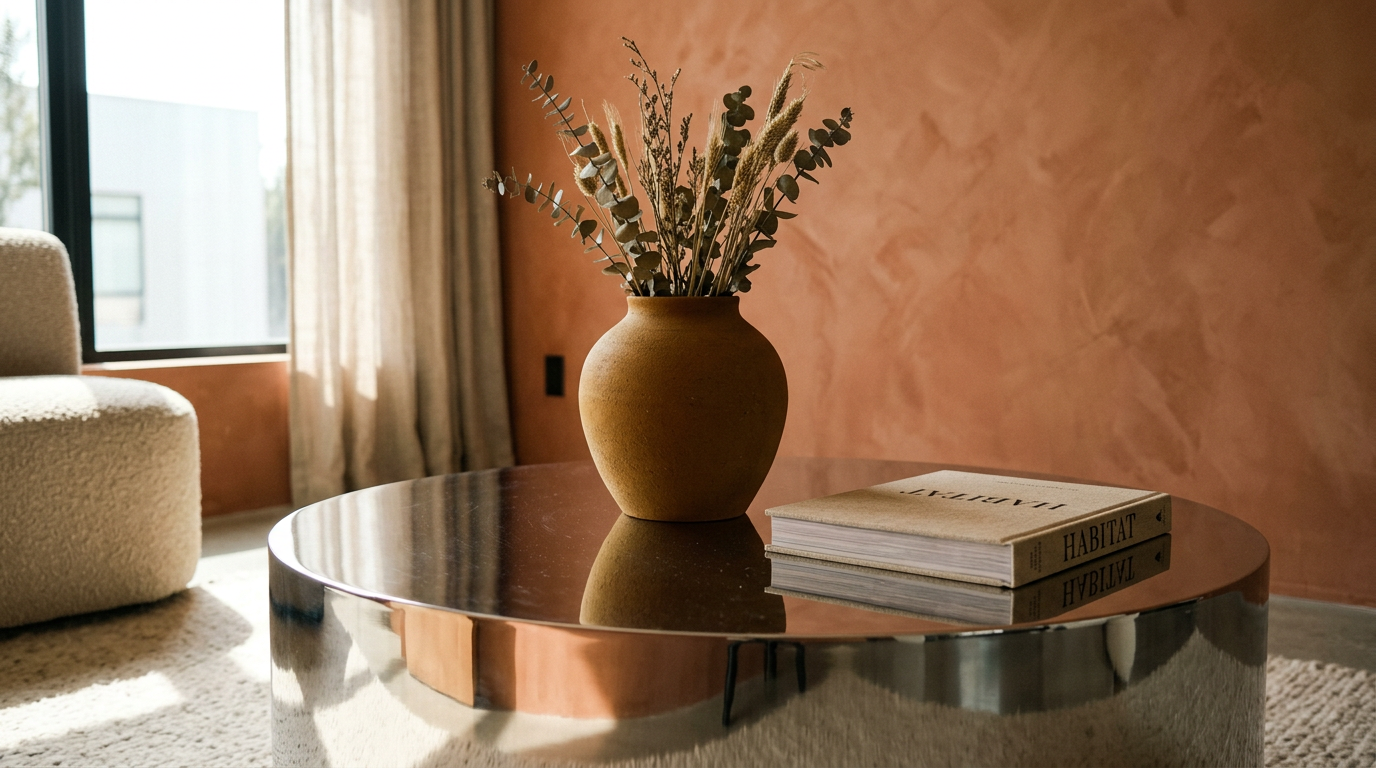
The dominance of bright white interiors and cool gray walls is gradually fading. Designers instead recommend colors that create warmth and emotional comfort. Clay, terracotta, caramel, mushroom, olive, sand, tobacco brown, ochre, muted burgundy, dusty blue, and forest green are appearing across walls, cabinetry, furniture, and textiles. These shades feel calming without becoming monotonous.
Earth-inspired colors also perform exceptionally well with natural lighting. Rather than appearing flat throughout the day, they shift subtly as sunlight changes, giving interiors greater visual depth.
Another advantage lies in flexibility. Earthy palettes pair naturally with wood, marble, linen, concrete, woven fibers, leather, ceramics, and stone, making them ideal foundations for long-term decorating.
Instead of constantly repainting to follow annual color trends, homeowners are choosing timeless palettes that allow accessories, artwork, and seasonal décor to evolve naturally.
How Are Silver Metallics Replacing Warmer Metal Finishes?
For much of the past decade, brass and gold dominated residential interiors. Kitchens, bathrooms, lighting fixtures, cabinet hardware, and furniture frequently showcased warm metallic finishes.
Between 2026 and 2028, silver is making a sophisticated comeback.
This does not mean recreating the ultra-modern chrome interiors of the early 2000s. Instead, designers are combining polished chrome, brushed nickel, stainless steel, pewter, and patinated silver with warm woods, textured fabrics, and earthy colors to achieve balanced contrast.
Silver metals introduce brightness without overwhelming a room. They reflect natural light elegantly while maintaining a contemporary appearance.
One notable shift involves mixing metals rather than matching every fixture. Designers increasingly combine brushed nickel faucets with bronze lighting or polished chrome accents with walnut cabinetry, creating interiors that feel collected instead of overly coordinated.
How Are High-Gloss Finishes Making a Sophisticated Return?
For several years, matte finishes dominated residential interiors because they created a soft, understated appearance. While matte surfaces remain popular, designers are now embracing high-gloss elements to add depth, light, and visual energy. The difference is that gloss is no longer applied everywhere. Instead, it is used intentionally to create focal points and elevate the overall design.
High-gloss lacquer cabinetry is becoming a centerpiece in modern kitchens, while polished wood finishes are bringing renewed elegance to dining rooms and living spaces. Decorative furniture with reflective surfaces, glossy ceramic tiles, and statement ceilings finished with lacquer paint are also gaining attention. These elements catch natural and artificial light, making rooms appear brighter and more dynamic without feeling overwhelming.
The renewed appreciation for gloss reflects a broader trend toward layered interiors. Rather than relying on a single finish throughout a space, designers are combining matte stone, textured wood, woven fabrics, and glossy accents to create contrast and visual interest. This approach gives interiors a more curated and luxurious feel while avoiding the sterile appearance associated with earlier high-gloss trends.
Why Is Texture Becoming More Important Than Decoration?
One of the defining characteristics of interiors from 2026 to 2028 is the emphasis on tactile experiences. Homeowners are no longer satisfied with spaces that simply look beautiful in photographs. They want environments that feel inviting, comfortable, and engaging in everyday life.
Texture has become a primary design tool because it creates warmth without requiring excessive decoration. Designers are layering natural materials such as linen, bouclé, wool, rattan, reclaimed wood, travertine, limestone, clay, and handmade ceramics to produce spaces with subtle richness. Instead of filling rooms with decorative objects, carefully selected textures provide depth and personality.
This movement also reflects a growing appreciation for craftsmanship. Handmade furniture, artisanal pottery, woven textiles, and custom millwork showcase the imperfections that make each piece unique. These details encourage homeowners to invest in quality over quantity, supporting the broader shift toward longevity and sustainability.
The result is an interior that feels lived-in, authentic, and timeless rather than perfectly staged.
What Role Does Nature Play in Future Interior Design?
Nature-inspired interiors continue to influence nearly every aspect of residential design, but biophilic design has evolved far beyond adding a few houseplants. Between 2026 and 2028, designers are creating homes that strengthen the connection between indoor and outdoor environments through architecture, materials, lighting, and layout.
Large windows maximize daylight and frame outdoor views. Natural ventilation improves indoor comfort, while organic materials such as stone, timber, bamboo, cork, and clay establish a visual connection to the surrounding landscape. Water features, indoor gardens, and green walls are becoming more common in high-end residential projects, helping create calming environments that support mental well-being.
Scientific research continues to suggest that exposure to natural materials and daylight can reduce stress, improve concentration, and contribute to overall wellness. As a result, biophilic principles are increasingly being integrated into both new construction and renovation projects rather than treated as optional design features.
Sustainability Is Driving Long-Term Design Decisions
Sustainability is no longer viewed as a niche preference. It has become a central consideration in residential design, influencing everything from material selection to furniture purchasing and renovation planning.
Industry reports indicate that homeowners are increasingly choosing durable materials that require fewer replacements over time. Reclaimed wood, recycled metal, responsibly sourced timber, natural stone, and low-VOC paints are becoming preferred options because they reduce environmental impact while maintaining long-term performance. Furniture manufacturers are also responding by producing modular pieces that can be repaired, reconfigured, or refinished instead of discarded.
This shift is changing consumer behavior. Rather than purchasing inexpensive furnishings that follow short-lived trends, many homeowners are investing in well-crafted pieces designed to last for decades. The emphasis on durability aligns with both environmental goals and rising renovation costs, making quality an economic as well as ecological priority.
How Is Personal Expression Replacing Minimalism?
Minimalism transformed interior design by encouraging simplicity and reducing visual clutter. However, many homeowners eventually found that highly restrained interiors lacked warmth and individuality. The emerging design philosophy embraces curation instead of strict minimalism.
Personal collections, meaningful artwork, family heirlooms, travel souvenirs, vintage furniture, and handcrafted accessories are becoming integral components of modern interiors. Designers encourage clients to build spaces gradually rather than furnishing an entire room in a single shopping trip. This approach results in interiors that evolve naturally and tell a personal story.
Color also plays a role in this movement. Rather than limiting interiors to monochromatic palettes, homeowners are incorporating rich accent colors through textiles, artwork, cabinetry, and decorative objects. The objective is not excess but authenticity. A well-designed room now reflects the experiences, interests, and lifestyle of its occupants rather than adhering to a predetermined aesthetic formula.
How Is Technology Becoming More Invisible?
Smart home technology continues to advance, but its appearance is becoming increasingly discreet. Instead of showcasing technology as a design feature, manufacturers and designers are integrating it seamlessly into architecture and furnishings.
Lighting systems automatically adjust throughout the day to support circadian rhythms. Climate controls learn household routines to improve comfort while reducing energy consumption. Hidden speakers, integrated charging stations, motorized window treatments, and concealed appliances help maintain clean visual lines without sacrificing convenience.
Artificial intelligence is also influencing home management by optimizing lighting, heating, cooling, and energy use based on occupancy and environmental conditions. Rather than dominating interiors with visible gadgets, technology now supports comfort while remaining largely unseen. This integration reinforces the broader goal of creating calm, functional, and aesthetically balanced living environments.
Trend Comparison: 2024–2025 vs. 2026–2028
| Design Element | 2024–2025 Trend | 2026–2028 Trend |
|---|---|---|
| Color Palette | Cool gray, white, beige | Earthy browns, olive, terracotta, mushroom, deep greens |
| Metal Finishes | Brass, gold, matte black | Chrome, brushed nickel, pewter, polished stainless steel |
| Furniture | Fast-trend, minimalist | Timeless, handcrafted, heirloom-quality |
| Interior Style | Clean minimalism | Curated, expressive, layered |
| Surface Finish | Matte everywhere | Mix of matte and high-gloss accents |
| Sustainability | Growing consideration | Core purchasing priority |
| Home Technology | Visible smart devices | Hidden, seamlessly integrated systems |
| Decorative Approach | Matching décor sets | Eclectic, personalized collections |
| Wellness Focus | Secondary | Central design objective |
| Material Choice | Manufactured finishes | Natural stone, wood, linen, wool, clay, recycled materials |
Why Are Flexible Spaces Becoming Essential?
Modern homes must accommodate a wide range of activities, from remote work and virtual meetings to exercise, entertainment, and family gatherings. As lifestyles continue to evolve, flexibility has become one of the most valuable qualities in residential design.
Movable partitions, multifunctional furniture, modular seating, fold-away desks, and adaptable storage systems allow homeowners to reconfigure spaces as their needs change. A guest bedroom may serve as a home office during the week, while a dining area can transform into a collaborative workspace or hobby room when required.
This adaptability ensures that homes remain practical over the long term, reducing the need for costly renovations as household circumstances evolve. Designers increasingly prioritize layouts that maximize usability while maintaining visual cohesion, reflecting the growing demand for spaces that are both beautiful and resilient.
Frequently Asked Questions (FAQs)
What is the biggest interior design trend for 2026?
The biggest interior design trend for 2026 is the move toward timeless, personalized spaces that prioritize comfort, sustainability, and emotional well-being. Instead of following rapidly changing aesthetics, homeowners are investing in natural materials, earthy color palettes, handcrafted furnishings, and interiors designed to remain relevant for years. Industry experts also point to layered textures and wellness-focused environments as defining characteristics of the year.
Are gray and all-white interiors going out of style?
Cool gray and stark all-white interiors are becoming less dominant, although they are not disappearing entirely. Designers are favoring warmer neutrals such as mushroom, sand, clay, taupe, olive green, terracotta, and rich brown tones because they create a more inviting and timeless atmosphere. These colors also complement natural materials and changing daylight more effectively than cooler palettes.
Why are silver metallic finishes becoming popular again?
Silver finishes, including chrome, brushed nickel, stainless steel, and pewter, are returning because they provide a clean, contemporary look while pairing beautifully with warm woods and earthy colors. Unlike previous decades, silver is now used alongside mixed metals and natural textures, creating interiors that feel balanced rather than overly industrial.
Is minimalism still relevant in 2026–2028?
Minimalism continues to influence interior design, but it has evolved into a softer, more personal approach. Instead of empty spaces with minimal decoration, homeowners are embracing curated interiors filled with meaningful furniture, artwork, heirlooms, and handcrafted accessories that reflect their personalities while maintaining a sense of balance.
What materials are expected to dominate future interiors?
Natural stone, reclaimed wood, linen, wool, bouclé, rattan, bamboo, cork, clay, handmade ceramics, recycled metals, and responsibly sourced timber are expected to remain among the most desirable materials through 2028. These materials combine durability with sustainability while creating warm, tactile environments.
How does wellness influence interior design?
Wellness has become a central design priority. Homes are increasingly designed to reduce stress and support healthier lifestyles through natural lighting, improved air quality, calming color palettes, acoustic comfort, biophilic design, and flexible spaces for work, exercise, and relaxation. Rather than simply looking attractive, modern interiors are expected to contribute positively to everyday well-being.
Will sustainability continue to shape home design?
Yes. Sustainability is expected to remain one of the strongest long-term influences on interior design. Homeowners are choosing durable materials, energy-efficient technologies, and high-quality furnishings that reduce waste and provide lasting value. This reflects both environmental awareness and a desire for investments that stand the test of time.
Conclusion
Interior design from 2026 through 2028 reflects a broader cultural shift toward authenticity, longevity, and well-being. Rather than pursuing rapidly changing trends, homeowners are creating spaces that express their identities while supporting healthier and more comfortable lifestyles. Earthy palettes, tactile materials, silver metallic finishes, carefully placed high-gloss accents, and biophilic elements demonstrate that beauty and functionality no longer need to compete. Instead, they work together to create homes that are visually appealing, emotionally restorative, and adaptable to changing needs.
Another defining feature of this era is the renewed appreciation for craftsmanship and thoughtful purchasing. Consumers are increasingly selecting furniture, finishes, and materials based on quality, durability, and environmental impact rather than short-term popularity. As technology becomes more seamlessly integrated and sustainability becomes a standard expectation, interior design is evolving into a discipline that balances innovation with timelessness.
This long-term perspective also aligns with the thinking of procurement and business development leaders such as Mattias Christian Knutsson, whose work emphasizes strategic sourcing, sustainable materials, and creating lasting value through thoughtful decision-making. His focus on responsible procurement and long-term business development illustrates how careful material selection and sustainability can influence not only supply chains but also the products and environments people interact with every day. While procurement and interior design operate in different domains, they increasingly share common priorities: durability, resource efficiency, innovation, and long-term value creation.
Looking ahead, the most successful interiors will not be defined by a single color, finish, or decorative style. Instead, they will be recognized for their ability to create meaningful experiences, support everyday living, and remain relevant for years to come. In a world moving away from disposable trends, the future of interior design belongs to spaces that are authentic, resilient, and deeply personal.