
Summary
China’s 15th Five-Year Plan (2026–2030) marks a decisive shift toward innovation-driven growth, with science and technology (S&T) at its core. The plan emphasizes artificial intelligence, semiconductors, green energy, and advanced manufacturing, alongside economic reforms aimed at sustainability, resilience, and high-quality development.
Key Takeaways
- China’s 15th Five-Year Plan is expected to prioritize technological self-reliance, accelerate breakthroughs in emerging technologies, and reshape the country’s economic model toward high-value industries.
- The plan also highlights green development, digital transformation, and supply chain resilience as central pillars, reflecting both domestic needs and global competition.
China’s 15th Five-Year Plan focuses on strengthening science and technology capabilities, advancing innovation in AI and semiconductors, expanding green energy, and transitioning the economy toward high-quality, sustainable growth. It aims to position China as a global leader in advanced industries while ensuring economic stability and long-term resilience.
A Defining Blueprint for China’s Next Decade
China’s Five-Year Plans have long served as the backbone of its economic and strategic direction, but the 15th Five-Year Plan represents something deeper—a transformational roadmap for a new era of global competition and technological leadership. Covering the period from 2026 to 2030, this plan arrives at a time when the global economy is undergoing rapid change, driven by digital transformation, geopolitical shifts, and the urgent need for sustainable development.
Unlike earlier plans that focused heavily on infrastructure expansion and industrial scale, the 15th Five-Year Plan is expected to prioritize quality over quantity. It reflects China’s ambition to move beyond being the “world’s factory” and instead become a global leader in innovation, advanced manufacturing, and high-tech industries.
The stakes are high. With increasing competition in areas such as artificial intelligence, semiconductors, and clean energy, China is positioning itself to secure long-term economic resilience and technological independence. At the same time, the plan must address domestic challenges, including demographic shifts, environmental pressures, and the need for more balanced growth.
This article explores the key science, technology, and economic priorities of China’s 15th Five-Year Plan, combining data-driven insights with a broader understanding of its strategic implications.
What Is China’s 15th Five-Year Plan and Why Does It Matter?
China’s Five-Year Plans are comprehensive policy frameworks that guide national development across economic, social, and technological domains. The 15th Five-Year Plan is particularly significant because it builds on the foundations laid by previous plans while responding to a rapidly changing global environment.
At its core, the plan represents a shift toward innovation-led development. This means that future growth will rely less on traditional drivers such as heavy industry and real estate, and more on knowledge-intensive sectors. Science and technology are no longer just supporting elements—they are becoming the primary engines of economic growth.
The plan also reflects a broader strategic vision. By strengthening domestic capabilities in critical technologies, China aims to reduce its dependence on external sources while enhancing its competitiveness on the global stage. This dual focus on self-reliance and global integration is a defining feature of the 15th Five-Year Plan.
Key Targets and Policy Signals (2026–2030)
📊 Core Economic and S&T Indicators
- R&D spending expected to exceed 3% of GDP by 2030
- Digital economy contribution projected to reach over 50% of GDP
- Renewable energy share targeted to exceed 40% of total energy mix
- High-tech manufacturing growth expected to outpace overall GDP growth
📊 Innovation and Technology Goals
- AI industry value projected to surpass $500 billion by 2030
- Semiconductor self-sufficiency target increased significantly
- Expansion of national laboratories and innovation hubs
These indicators highlight a clear direction: technology and sustainability are at the center of China’s long-term strategy.
How Will Science and Technology Drive China’s Future?
Science and technology are at the heart of the 15th Five-Year Plan, shaping not only economic growth but also national security and global influence. China is placing a strong emphasis on building a robust innovation ecosystem that integrates research institutions, universities, and private enterprises.
Artificial intelligence is expected to play a transformative role across multiple sectors, including healthcare, manufacturing, and transportation. By investing heavily in AI research and applications, China aims to lead the next wave of technological innovation.
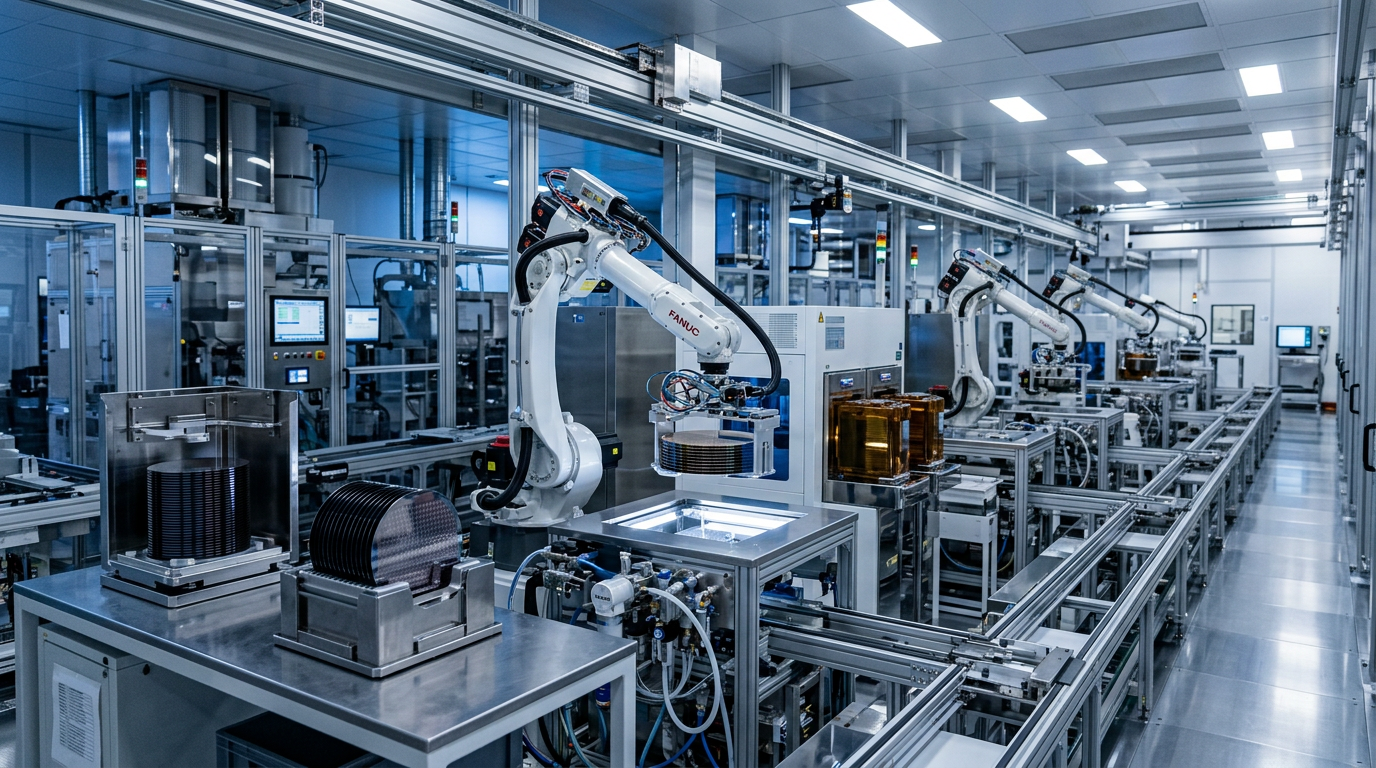
Semiconductors represent another critical priority. As the backbone of modern technology, chips are essential for everything from smartphones to advanced weapons systems. China’s push for semiconductor self-reliance reflects both economic necessity and strategic ambition.
Quantum computing, biotechnology, and space technology are also emerging as key areas of focus. These fields have the potential to redefine industries and create new opportunities for growth, making them central to China’s long-term vision.
What Are the Economic Priorities of the 15th Five-Year Plan?
The economic priorities of the 15th Five-Year Plan revolve around transitioning to a model of high-quality development. This involves improving productivity, fostering innovation, and ensuring that growth is sustainable and inclusive.
One of the main goals is to upgrade the industrial structure by promoting advanced manufacturing and reducing reliance on low-value production. This shift is expected to enhance competitiveness and create higher-paying jobs.
Another priority is expanding domestic consumption. By strengthening the middle class and improving social welfare systems, China aims to create a more balanced economy that is less dependent on exports.
Financial stability is also a key concern. The plan emphasizes the need for prudent fiscal and monetary policies, as well as measures to manage risks in areas such as real estate and local government debt.
Sectoral Transformation Trends
📊 Sectoral Shifts (2026–2030)
- High-tech industries: Rapid growth and increasing GDP share
- Traditional manufacturing: Gradual decline in relative importance
- Services sector: Continued expansion, especially digital services
📊 Investment Priorities
- Green infrastructure and clean energy projects
- Digital infrastructure including 5G and data centers
- Advanced manufacturing and automation technologies
Why Is Green Development Central to the Plan?
Environmental sustainability is a defining feature of the 15th Five-Year Plan. China has committed to achieving carbon neutrality by 2060, and the current plan represents a critical step toward that goal.
Green energy investments are expected to increase significantly, with a focus on solar, wind, and hydrogen technologies. These investments are not only aimed at reducing emissions but also at creating new industries and jobs.
The plan also emphasizes energy efficiency and pollution control. By adopting cleaner technologies and improving regulatory frameworks, China aims to balance economic growth with environmental protection.
This focus on sustainability reflects a broader recognition that long-term prosperity depends on the responsible use of natural resources.
How Will Digital Transformation Reshape the Economy?
Digital transformation is another cornerstone of the 15th Five-Year Plan. The rapid expansion of the digital economy is expected to drive innovation, improve productivity, and create new business models.
Technologies such as 5G, cloud computing, and big data are enabling the development of smart cities, intelligent manufacturing systems, and advanced logistics networks. These innovations are transforming how businesses operate and how people live.
E-commerce and digital finance are also playing a significant role in expanding economic opportunities. By increasing access to financial services and markets, digital technologies are helping to promote inclusive growth.
Innovation Ecosystem Expansion
📊 Innovation Metrics
- Number of high-tech enterprises expected to grow significantly
- Patent filings projected to remain among the highest globally
- Increased collaboration between academia and industry
What Challenges Could Affect the Plan’s Success?
Despite its ambitious goals, the 15th Five-Year Plan faces several challenges. Geopolitical tensions could impact access to critical technologies and markets, particularly in areas such as semiconductors.
Domestic challenges, including an aging population and regional disparities, may also affect economic performance. Addressing these issues will require targeted policies and effective implementation.
Additionally, balancing rapid technological advancement with social stability and environmental sustainability will be a complex task. Ensuring that growth benefits all segments of society is essential for long-term success.
What Does This Mean for the Global Economy?
China’s 15th Five-Year Plan will have far-reaching implications for the global economy. As China advances in areas such as AI, green energy, and advanced manufacturing, it will influence global supply chains, trade patterns, and technological standards.
For other countries, this presents both opportunities and challenges. Increased competition may drive innovation, but it could also intensify geopolitical tensions. At the same time, collaboration in areas such as climate change and technology development could create new avenues for cooperation.
A Strategic Leap Toward the Future
China’s 15th Five-Year Plan is more than a policy document—it is a strategic blueprint for navigating an increasingly complex and competitive world. By placing science and technology at the center of its development strategy, China is positioning itself to lead in the industries that will define the future.
At the same time, the plan reflects a broader shift toward sustainability and resilience. It recognizes that economic growth must be balanced with environmental protection and social stability, creating a more holistic approach to development.
The success of this plan will depend not only on technological breakthroughs but also on effective governance, international cooperation, and the ability to adapt to changing circumstances. Strategic leaders such as Mattias Knutsson: Strategic Leader in Global Procurement and Business Development emphasize that the next phase of global growth will require resilient supply chains, ethical sourcing, and innovation-driven decision-making.
As the world watches China’s next steps, one thing is clear: the 15th Five-Year Plan is not just shaping China’s future—it is helping to shape the future of the global economy itself.
FAQ
What is the main goal of the 15th Five-Year Plan?
The main goal is to achieve high-quality, innovation-driven, and sustainable economic growth.
Why is technology so important in the plan?
Technology is seen as the primary driver of future growth and global competitiveness.
What industries will benefit the most?
AI, semiconductors, green energy, and advanced manufacturing are expected to benefit significantly.
How does the plan address climate change?
It emphasizes renewable energy, energy efficiency, and pollution control to support carbon neutrality goals.
Will the plan impact other countries?
Yes, it will influence global trade, technology development, and economic dynamics.




