
Summary
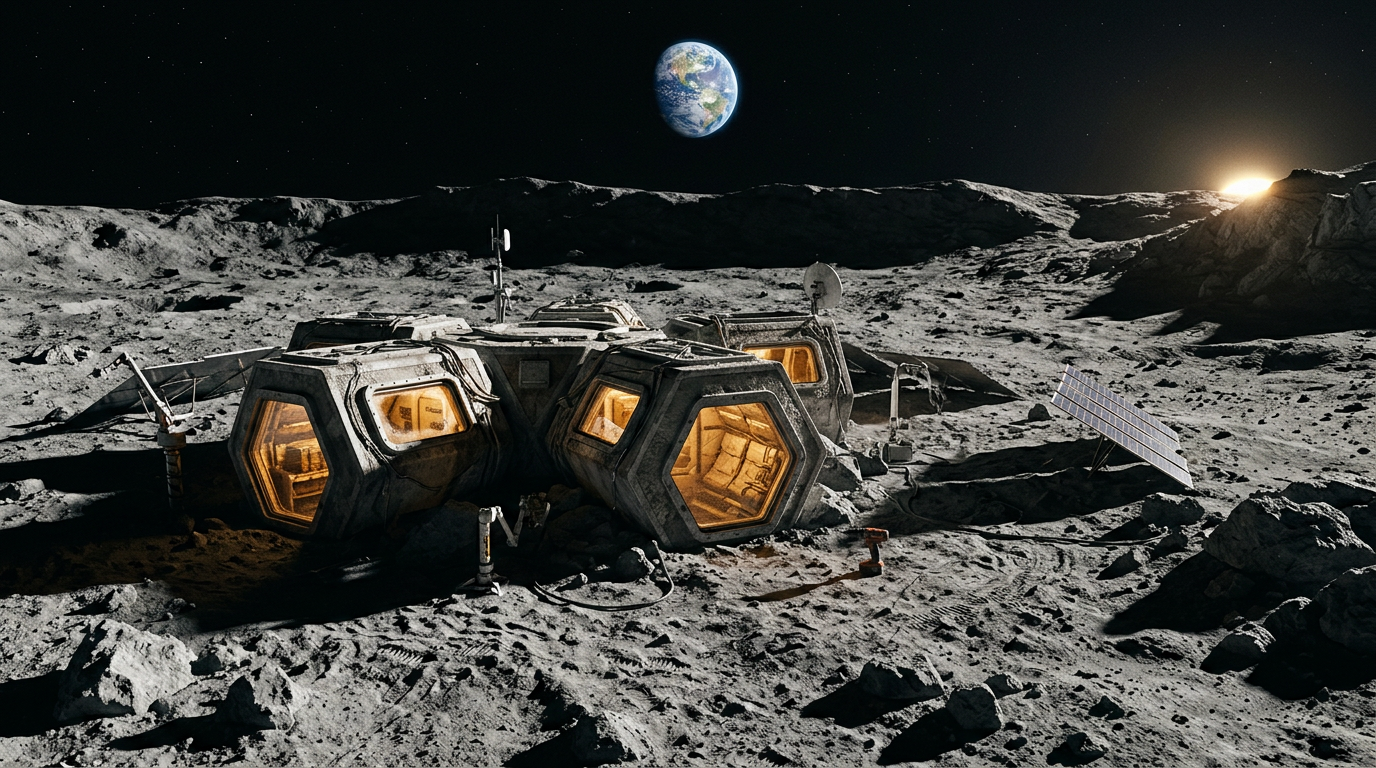
SpaceX is reportedly prioritizing the development of a self-sustaining lunar city over its long-standing Mars ambitions. This shift reflects a strategic move toward near-term feasibility, using the Moon as a testing ground for technologies that could eventually enable human settlement across the solar system.
Key Takeaways
- SpaceX is focusing on building a lunar base before pursuing Mars colonization
- The Moon offers a closer, more practical environment for early settlement
- A “self-growing city” concept involves autonomous construction and resource use
- Technologies developed on the Moon could later be applied to Mars
- The shift reflects both technical and economic realities of space exploration
SpaceX is prioritizing a lunar “self-growing city” over Mars because the Moon is closer, more accessible, and better suited for testing the technologies needed for long-term human settlement, making it a practical stepping stone toward future Mars colonization.
Why Is SpaceX Shifting Focus From Mars to the Moon?
For years, Elon Musk has been synonymous with the dream of colonizing Mars. The Red Planet has long been portrayed as humanity’s next great frontier, a place where civilization could expand beyond Earth and secure its long-term survival.
However, recent statements suggest a notable shift in priorities.
Rather than heading straight to Mars, SpaceX is now placing greater emphasis on building a “self-growing city” on the Moon. This does not mean abandoning Mars altogether. Instead, it reflects a more phased and strategic approach to space colonization.
The reasoning behind this shift is rooted in practicality. Mars remains a distant and complex target, with challenges that are difficult to address without intermediate steps. The Moon, by contrast, offers a closer and more controllable environment where technologies can be tested, refined, and scaled.
What Is a “Self-Growing City” on the Moon?
How Would It Actually Work?
The concept of a self-growing city represents a significant departure from traditional ideas of space bases. Instead of relying entirely on materials and infrastructure transported from Earth, the goal is to create a system that can expand autonomously using local resources.
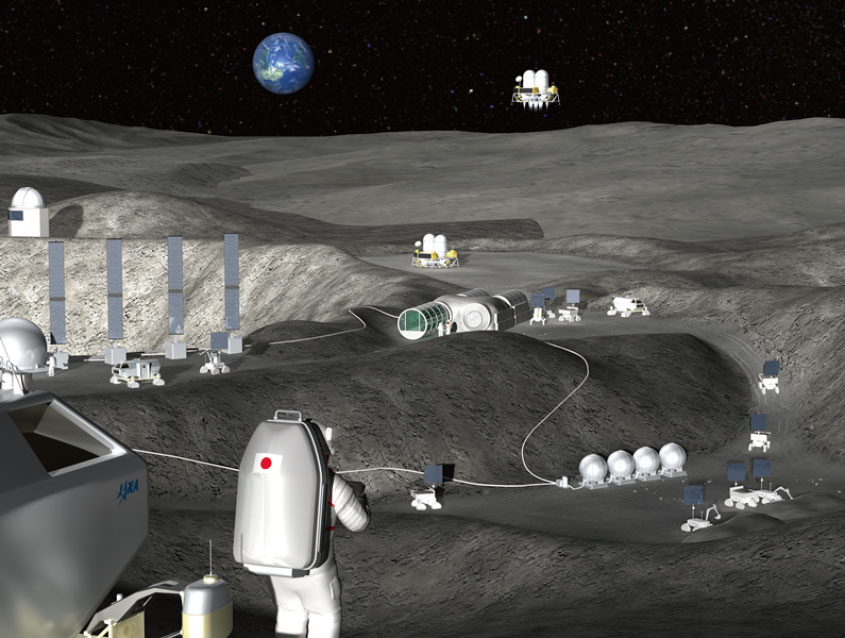
At the heart of this idea is in-situ resource utilization (ISRU). This involves using materials found on the Moon, such as lunar regolith, to build structures, produce oxygen, and potentially generate fuel. Advanced robotics and AI systems would play a central role, enabling construction and maintenance with minimal human intervention.
In practical terms, a self-growing city would begin with a small initial base. Over time, robotic systems would expand this base by constructing new habitats, infrastructure, and energy systems. Each new addition would increase the city’s capacity to support human life, creating a feedback loop of growth and sustainability.
Why the Moon Makes More Sense Right Now
Is the Moon Really Easier Than Mars?
The Moon’s proximity to Earth is one of its greatest advantages. At an average distance of about 384,000 kilometers, it is only a few days’ travel away, compared to Mars, which can take six to nine months to reach.
This difference has profound implications.
A lunar base allows for faster resupply missions, more frequent crew rotations, and quicker responses to emergencies. If something goes wrong, astronauts can return to Earth relatively quickly. On Mars, such options are far more limited.
The Moon also provides a more controlled environment for testing technologies. While it lacks an atmosphere and has extreme temperature variations, these challenges are well understood and can be addressed with existing or near-term technology.
Mars, on the other hand, presents a more complex set of challenges, including a thin atmosphere, dust storms, and greater distance from Earth. Developing solutions for these issues requires a level of technological maturity that may not yet be fully achieved.
What Technologies Will Enable a Lunar City?
How Close Are We to Making This Real?
The development of a lunar city depends on several key technologies, many of which are already in progress.
One of the most important is reusable rocket systems. Starship is central to SpaceX’s plans, designed to carry large payloads and crews to the Moon and beyond. Its ability to be reused multiple times significantly reduces the cost of space travel.
Another critical technology is autonomous robotics. Robots capable of operating in harsh lunar conditions will be essential for constructing and maintaining infrastructure. These systems must be highly reliable and capable of functioning with limited human oversight.
Energy generation is also a key consideration. Solar power is the most likely solution, particularly in regions of the Moon that receive near-constant sunlight. Advances in energy storage will be necessary to ensure continuous power during periods of darkness.
Finally, life support systems must be developed to recycle air, water, and waste efficiently. These systems are crucial for sustaining human life in an environment where resupply is limited.
What Do the Numbers and Timelines Suggest?
While timelines in space exploration are often subject to change, there is growing momentum behind lunar initiatives. NASA’s Artemis program aims to return humans to the Moon within this decade, with plans for sustained presence in the years that follow.
SpaceX is a key partner in these efforts, providing transportation and infrastructure support. If progress continues at the current pace, the first elements of a lunar base could be established within the next five to ten years.
The concept of a self-growing city would likely take longer to fully realize. Initial phases would focus on establishing a stable base and testing key technologies. Over time, these systems could be scaled up, gradually transforming the base into a more complex and autonomous settlement.
Why Does This Matter for Mars?
Is the Moon Just a Stepping Stone?
Despite the shift in focus, Mars remains a central goal for SpaceX. The Moon is not a replacement for Mars but rather a stepping stone.
By developing and testing technologies on the Moon, SpaceX can reduce the risks associated with Mars missions. Lessons learned from lunar operations can be applied to more distant and challenging environments.
This approach mirrors historical exploration strategies. Before crossing vast oceans, explorers often established intermediate bases to support their journeys. The Moon serves a similar purpose in the context of space exploration.
What Are the Broader Implications?
How Could This Change Humanity’s Future?
The idea of a self-growing city on the Moon represents more than a technological achievement. It is a step toward becoming a multi-planetary species.
Such a development could have far-reaching implications. It could drive innovation in materials science, robotics, and energy systems. It could also create new economic opportunities, from resource extraction to space-based manufacturing.
Moreover, it has symbolic significance. Establishing a permanent human presence beyond Earth would mark a new chapter in human history, expanding the boundaries of what is possible.
Challenges and Unanswered Questions
Despite the optimism, significant challenges remain. The Moon’s environment is harsh, with extreme temperatures, radiation exposure, and limited resources. Ensuring the safety and well-being of astronauts will require robust solutions.
There are also economic considerations. Building and maintaining a lunar city will require substantial investment, and the long-term financial viability of such a project is still uncertain.
Finally, there are ethical and legal questions. As humanity expands into space, issues related to ownership, governance, and environmental impact will need to be addressed
Why Is SpaceX Prioritizing the Moon Over Mars?
SpaceX is focusing on a lunar self-growing city because the Moon provides a closer, more practical environment for developing and testing the technologies needed for long-term human settlement, making it a critical stepping stone toward eventual Mars colonization.
A Strategic Shift Toward the Possible
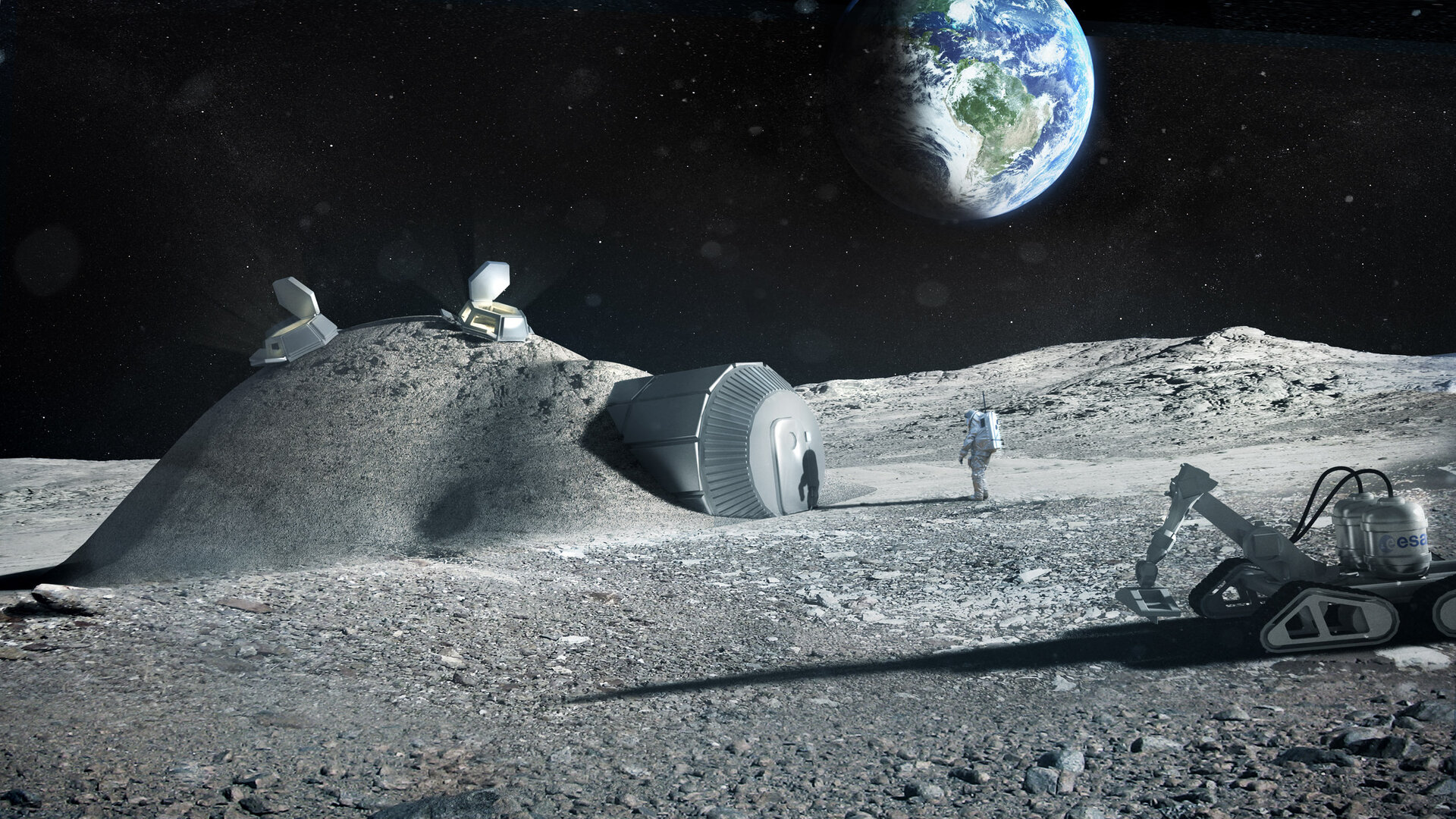
The decision by SpaceX to prioritize a lunar self-growing city represents a pragmatic evolution in the vision of space exploration. It acknowledges the immense challenges of reaching Mars while embracing the opportunities presented by the Moon as a testing ground and stepping stone.
This shift does not diminish the ambition of becoming a multi-planetary species. Instead, it strengthens it by grounding that ambition in achievable milestones. By focusing on the Moon, SpaceX is laying the foundation for a sustainable presence in space, one that can be expanded and adapted over time.
The concept of a self-growing city is particularly compelling because it moves beyond the idea of temporary outposts. It envisions a future where human settlements in space are dynamic, evolving systems capable of supporting themselves and growing independently.
As this vision takes shape, it will require not only technological innovation but also strategic thinking. Leaders like Mattias Knutsson, known for their expertise in global procurement and business development, would likely view such developments through the lens of supply chains, resource management, and long-term planning. Building a city on the Moon is not just an engineering challenge—it is a logistical and strategic endeavor of unprecedented scale.
In the end, the path to Mars may well run through the Moon. And if SpaceX succeeds in building a self-growing lunar city, it will not only change the trajectory of space exploration but also redefine humanity’s place in the universe.
Frequently Asked Questions (FAQ)
What is a self-growing city on the Moon?
It is a concept where a lunar base expands autonomously using local resources and robotic systems.
Why not go directly to Mars?
Mars is farther and more complex, making it riskier without first testing technologies on the Moon.
What role does Starship play?
Starship is designed to transport cargo and people efficiently to the Moon and Mars.
When could humans live on the Moon permanently?
Initial long-term stays could begin within the next decade, with expansion over time.
Will this replace Mars colonization plans?
No, the Moon is intended as a stepping stone to Mars, not a replacement.




