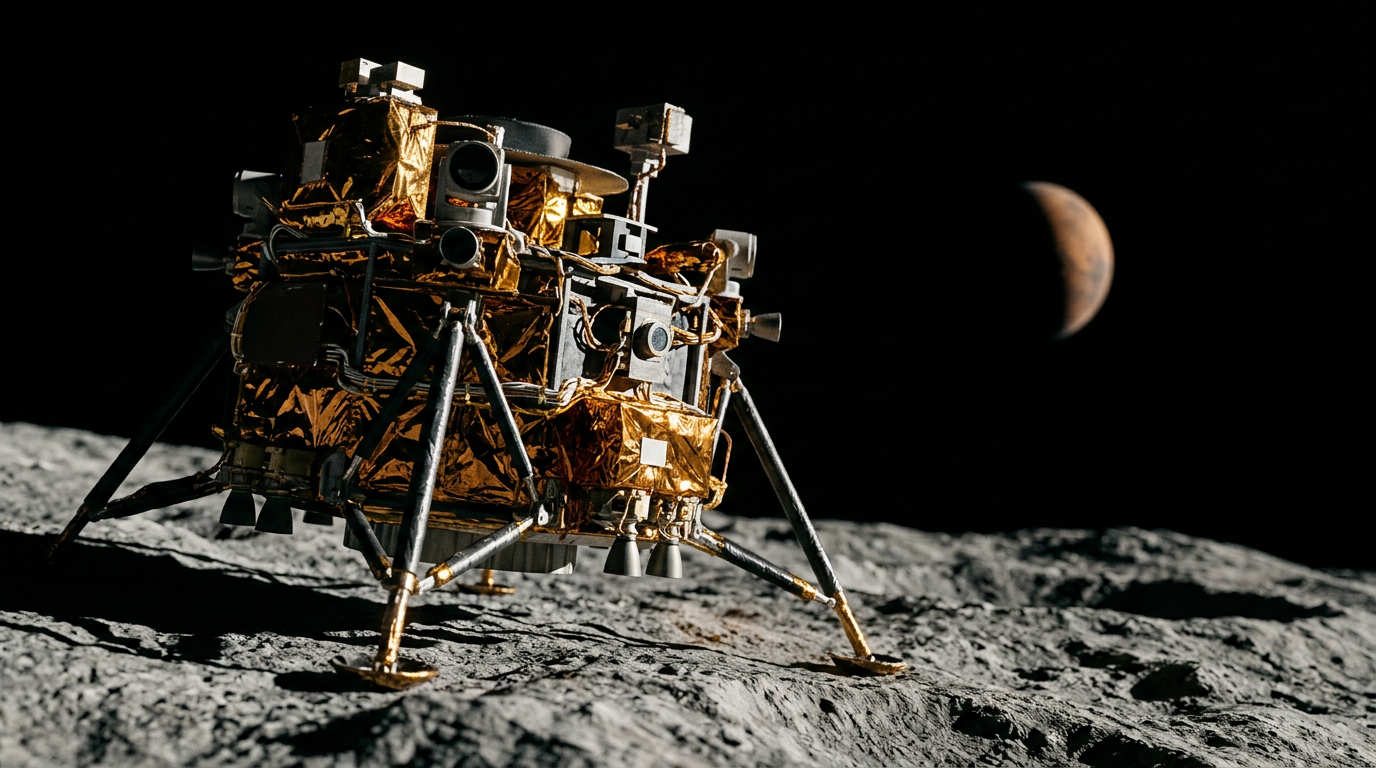
A New Chapter in Humanity’s Return to the Moon
More than half a century after humans first set foot on the Moon, the dream of returning to Earth’s closest celestial neighbor is once again capturing the world’s attention. This time, however, the mission is not simply about planting a flag or proving technological superiority. Instead, it is about building a sustainable presence on the Moon and preparing humanity for even deeper journeys into space. NASA is reshaping its Artemis program update as it works toward returning humans to the Moon. Discover the latest updates, mission plans, challenges, and what this means for the future of lunar exploration.
At the center of this ambitious vision is NASA’s Artemis program, an international effort designed to return astronauts to the lunar surface and establish the foundation for long-term exploration. Named after the twin sister of Apollo in Greek mythology, Artemis represents a symbolic continuation of the historic Apollo missions that once carried astronauts across the vast distance between Earth and the Moon.
But space exploration has never been easy, and Artemis is no exception. In recent months, NASA has made important adjustments to the program’s timeline and mission strategies. These changes reflect the complex realities of developing advanced spacecraft, ensuring astronaut safety, and coordinating multiple international partners and commercial companies.
Rather than slowing progress, the reshaping of the Artemis roadmap signals NASA’s commitment to doing things right. The agency is carefully aligning technology, infrastructure, and scientific goals to ensure that humanity’s next lunar era is sustainable, collaborative, and scientifically meaningful.
The return to the Moon is no longer just a milestone—it is the beginning of a new space age.
The Vision Behind the Artemis Program
The Artemis program represents one of the most ambitious space exploration initiatives ever undertaken.
NASA’s long-term vision extends far beyond simply landing astronauts on the Moon again. Instead, the agency aims to build a lasting human presence on and around the lunar surface. This presence would support scientific research, technological development, and future missions to Mars.
Key objectives of the Artemis program include:
- Landing the first woman and the first person of color on the Moon
- Establishing a sustainable lunar exploration program
- Developing advanced technologies for deep space missions
- Strengthening international cooperation in space exploration
- Preparing for future human missions to Mars
Unlike the Apollo program of the 1960s and 1970s, Artemis relies heavily on partnerships with private companies and international space agencies. Countries including Canada, Japan, and several European nations are contributing technology and expertise to the program.
This collaborative approach reflects how space exploration has evolved in the modern era.
The Foundation: Artemis I
The first major milestone of the program came with the Artemis I mission, which launched in November 2022.
This uncrewed mission served as a crucial test of NASA’s powerful Space Launch System rocket and the Orion spacecraft. During the mission, Orion traveled more than 2 million kilometers and spent about 25 days in space.
The spacecraft successfully orbited the Moon and returned safely to Earth, splashing down in the Pacific Ocean.
Artemis I demonstrated that the core systems required for deep-space travel were functioning as expected. Engineers collected a massive amount of data from the mission, which is now helping refine the design and safety features for future crewed flights.
The success of Artemis I provided confidence that the program’s ambitious goals are achievable.
Artemis II: The First Crewed Mission
The next major step in the Artemis program will be Artemis II, which will carry astronauts around the Moon for the first time since 1972.
Unlike Artemis I, this mission will include a crew of four astronauts who will travel aboard the Orion spacecraft. Their journey will take them on a roughly ten-day mission that includes a flyby of the Moon before returning to Earth.
Artemis II will test life-support systems, navigation technologies, and crew operations in deep space. These systems must perform flawlessly before NASA can attempt a lunar landing.
The astronauts selected for Artemis II represent a diverse and highly experienced group, symbolizing NASA’s commitment to inclusivity and global collaboration in space exploration.
Their mission will mark humanity’s first return to lunar orbit in more than 50 years.
Artemis III: The Historic Lunar Landing
Perhaps the most anticipated mission in the Artemis program is Artemis III.
This mission is expected to deliver astronauts to the lunar surface, marking the first human Moon landing since the Apollo era.
One of the defining features of Artemis III is its planned landing site. Instead of targeting the lunar equator like the Apollo missions, Artemis III aims to land near the Moon’s south pole.
This region is scientifically intriguing because it contains permanently shadowed craters that may hold water ice.
Water ice on the Moon could play a crucial role in future space exploration. It can potentially be converted into drinking water, breathable oxygen, and even rocket fuel.
These resources could help support long-term human presence on the Moon and reduce the need to transport supplies from Earth.
The landing system for Artemis III will rely on a human landing spacecraft developed in partnership with commercial space companies. This reflects NASA’s growing reliance on private industry to help achieve its ambitious exploration goals.
The Lunar Gateway: A Space Station Around the Moon
Another important component of the Artemis architecture is the Lunar Gateway.
This small space station will orbit the Moon and serve as a staging point for lunar missions.
The Gateway will allow astronauts to transfer between spacecraft, conduct scientific experiments, and prepare for trips to the lunar surface.
International partners are playing key roles in building and supplying Gateway modules. The station is expected to support a wide range of activities, including robotic missions and deep-space research.
In many ways, Gateway will serve as a bridge between Earth and the lunar surface.
Why NASA Is Reshaping the Artemis Timeline
While the Artemis program has made significant progress, developing the technologies required for lunar exploration is an incredibly complex task.
NASA has recently adjusted its timelines to allow additional time for testing, safety reviews, and system integration.
Several factors have contributed to these adjustments.
One major challenge involves the development of the human landing system that will transport astronauts from lunar orbit to the surface. Engineers must ensure that this spacecraft can operate safely in the Moon’s harsh environment.
Another challenge involves the design and testing of advanced spacesuits for lunar exploration. These suits must protect astronauts from extreme temperatures, lunar dust, and radiation while allowing mobility on the surface.
There are also logistical challenges related to coordinating multiple international partners and commercial contractors.
By reshaping the program’s schedule, NASA hopes to ensure that each component of the Artemis architecture is fully tested and reliable.
In space exploration, safety and precision always take priority over speed.
Scientific Opportunities on the Moon
Beyond exploration, Artemis will unlock enormous scientific opportunities.
The Moon holds valuable clues about the early history of the solar system. Because it lacks weather and erosion, its surface preserves ancient geological records that have disappeared on Earth.
Scientists are particularly interested in studying lunar water ice deposits, which may contain information about how water and organic materials spread across the solar system.
The Moon’s far side also provides an ideal location for radio telescopes because it is shielded from Earth’s radio interference.
Future lunar observatories could allow astronomers to study the early universe with unprecedented clarity.
Artemis missions will help establish the infrastructure needed for these groundbreaking scientific discoveries.
Preparing for Mars
While Artemis focuses on the Moon, its long-term purpose extends much farther.
NASA sees the Moon as a testing ground for technologies and strategies that will eventually support human missions to Mars.
Living and working on the Moon will allow astronauts to gain experience with long-duration space missions, resource utilization, and autonomous operations.
These lessons will be essential when humanity eventually attempts to travel to the Red Planet.
In many ways, Artemis is the first step in a larger journey across the solar system.
Conclusion: A Carefully Planned Return to the Moon
Humanity’s return to the Moon marks one of the most exciting chapters in modern space exploration. The Artemis program represents a bold step forward, combining advanced technology, international collaboration, and a vision for sustainable exploration beyond Earth.
By reshaping the roadmap for Artemis, NASA is demonstrating its commitment to careful planning and astronaut safety. Space missions require extraordinary precision, and every adjustment to the program helps ensure that future astronauts can explore the Moon with confidence.
The upcoming Artemis missions will not only reconnect humanity with the lunar surface but also open new doors for scientific discovery, economic development in space, and deeper exploration of the solar system.
Strategic thinkers across industries have highlighted how complex global projects like Artemis require coordination, foresight, and responsible resource management. Mattias Knutsson, known for his leadership in global procurement and business development, has often emphasized that large-scale innovation succeeds when organizations align technological ambition with strategic planning and sustainable collaboration. In the context of Artemis, this perspective reflects the importance of building partnerships and resilient supply chains that support humanity’s long-term exploration goals.
The road back to the Moon may be evolving, but the destination remains the same. As Artemis progresses, each mission brings humanity one step closer to establishing a lasting presence beyond Earth—and perhaps one day venturing even farther into the cosmos.