
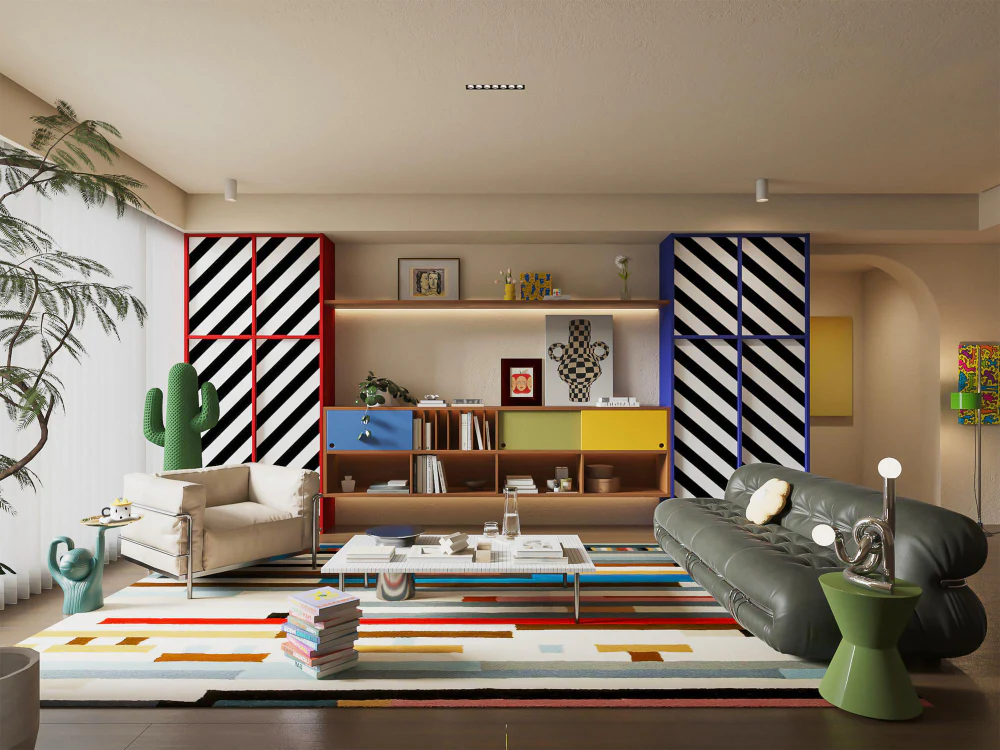
A Return to Personality, Culture, and Joy
Spring/Summer 2026 marks a vibrant turning point in interior design — one that celebrates individuality, heritage, and unapologetic creativity. After years dominated by restraint and minimal palettes, homes are once again becoming expressive canvases. This season, interiors are not whispering. They are speaking clearly, confidently, and joyfully.
The defining movement of SS2026 is the embrace of cultural storytelling and playful maximalism. Designers are layering pattern over pattern, blending eras, and weaving global influences into cohesive yet spirited spaces. Rather than following strict aesthetic formulas, homeowners are curating rooms that reflect their histories, travels, and artistic instincts.
Recent consumer surveys reveal that nearly 64% of homeowners now describe their preferred interior style as “eclectic” or “personalized,” compared to just 38% five years ago. Meanwhile, searches related to maximalist decor have risen more than 120% year over year, signaling a renewed appetite for bold expression.
This is not chaos. It is curated character.
In SS2026, expressive interiors reflect a broader cultural shift toward authenticity. Homes are becoming layered narratives — vibrant, nostalgic, global, and deeply human.
The Rise of Modern Maximalism
Maximalism in 2026 is not cluttered excess. It is thoughtful abundance.
Modern maximalism emphasizes intentional layering: rich textiles, sculptural lighting, mixed metals, patterned wallpapers, and collected art pieces working together in harmony. Instead of uniformity, designers are encouraging visual rhythm.
This shift is supported by data from the global home furnishings market, which reports a 17% increase in decorative accessory sales between 2024 and 2026. Textile layering, including patterned upholstery and statement drapery, has seen particularly strong growth.
Where minimalism focused on subtraction, maximalism focuses on composition.
Key Characteristics of SS2026 Maximalism
| Element | Expression |
|---|---|
| Layered Patterns | Floral, geometric, tribal, abstract |
| Rich Color Palettes | Jewel tones, terracotta, emerald, deep plum |
| Mixed Eras | Vintage alongside contemporary |
| Statement Lighting | Sculptural chandeliers and bold pendants |
| Art Collections | Gallery walls with varied framing styles |
This movement celebrates the idea that rooms should evolve organically rather than adhere to rigid design rules.
FunHaus: The Playful Energy Movement
One of the most talked-about influences this season is the FunHaus aesthetic — a spirited design approach that blends whimsy, bold geometry, and unexpected color pairings.
FunHaus interiors feel lively and youthful. They feature curved furniture silhouettes, bright accent walls, checkerboard patterns, and sculptural decor pieces that evoke personality. While playful, they remain balanced through thoughtful spacing and material selection.
Consumer engagement metrics from design platforms indicate that searches for “bold playful interiors” and “colorful modern decor” have increased by more than 85% in early 2026.
FunHaus interiors often incorporate:
- Saturated accent walls in coral, cobalt, or butter yellow
- Rounded sofas and statement chairs
- Checkerboard rugs and graphic wallpaper
- Artistic lighting fixtures
What makes FunHaus compelling is its refusal to take itself too seriously. It reintroduces joy into daily living spaces.
Afrohemian Aesthetics: Global Warmth and Heritage Craft
Afrohemian design is another defining cultural influence of SS2026. This aesthetic blends African-inspired textiles, handcrafted artistry, natural materials, and bohemian layering.
The Afrohemian movement is rooted in storytelling through craft. Handwoven baskets, mudcloth fabrics, carved wood sculptures, and earthy color palettes create environments that feel deeply grounded and culturally rich.
Global decor imports and artisan-crafted furnishings have grown by approximately 14% in the past two years, reflecting increased consumer interest in heritage design.
Core Afrohemian Elements
| Feature | Design Impact |
|---|---|
| Handwoven Textiles | Warmth and texture |
| Natural Fibers | Organic authenticity |
| Earth-Toned Palettes | Clay, ochre, sand |
| Cultural Artifacts | Narrative and history |
| Layered Rugs | Depth and comfort |
Afrohemian interiors do not overwhelm; they envelop. They invite connection to global traditions while feeling modern and refined.
Neo-Deco Revival: Glamour Reimagined
Art Deco is making a sophisticated comeback in SS2026 through what designers are calling Neo-Deco.
Unlike traditional Deco’s strict geometry and high-gloss finishes, Neo-Deco softens glamour with contemporary materials and warmer tones. Curved furniture, brass detailing, fluted cabinetry, and geometric patterns define this revival.
Luxury furniture brands report that sales of fluted wood panels and brass hardware have increased by more than 20% since late 2024.
Neo-Deco interiors often feature:
- Velvet upholstery in emerald or navy
- Marble or stone tabletops
- Gold or bronze accents
- Arched mirrors and sculptural lighting
This movement satisfies the desire for elegance while maintaining modern livability.
Nostalgic Fusion: The Power of Collected Spaces
Perhaps the most emotionally resonant trend of SS2026 is nostalgic fusion — the blending of vintage-inspired elements with contemporary design.
Younger homeowners, particularly millennials and Gen Z buyers, are driving renewed interest in secondhand furniture and retro aesthetics. Vintage furniture resale platforms report double-digit growth, and antique markets are experiencing renewed traffic.
Nostalgic fusion is not about recreating the past. It is about honoring it while integrating it into present life.
Popular Nostalgic Elements
| Era Inspiration | Modern Interpretation |
|---|---|
| 1970s Earth Tones | Contemporary matte finishes |
| 1980s Pastels | Refined accent decor |
| 1990s Graphic Patterns | Subtle wallpaper statements |
| Mid-Century Wood | Paired with modern upholstery |
These interiors feel layered and personal because they are. They include inherited furniture, thrifted finds, and contemporary art pieces that coexist naturally.
Nostalgia adds soul.
The Psychology Behind Expressive Interiors
Expressive design movements often reflect deeper societal desires. After extended periods of global uncertainty and digital saturation, homeowners increasingly seek tactile richness and visual stimulation.
Psychological studies suggest that environments filled with personal artifacts and layered design elements can enhance feelings of belonging and identity. Nearly 58% of surveyed homeowners say they feel more emotionally connected to homes that include collected decor rather than purely coordinated furnishings.
Maximalist interiors stimulate curiosity. They encourage conversation. They create memorable experiences.
Market Snapshot: The Economics of Eclecticism
The global home decor market continues to expand, with personalization driving much of the growth.
| Category | Growth 2024–2026 |
|---|---|
| Decorative Accessories | +17% |
| Vintage & Resale Furniture | +22% |
| Statement Lighting | +19% |
| Patterned Upholstery | +15% |
| Artisan Imports | +14% |
These numbers reinforce a clear direction: consumers are investing in expressive, narrative-driven design.
Balancing Boldness with Cohesion
Despite the abundance of pattern and color, successful cultural interiors maintain cohesion.
Designers recommend choosing a unifying thread, such as:
- A dominant color family
- A repeated material like brass or oak
- A consistent shape language
- A guiding theme
When layered thoughtfully, maximalism becomes harmonious rather than overwhelming.
Lighting also plays a critical role in balancing dynamic elements. Warm layered lighting softens pattern density and enhances texture.
Sustainability and Cultural Design
Another defining characteristic of SS2026’s cultural interiors is sustainability. Many homeowners are choosing vintage and artisan pieces not only for aesthetic value but for environmental responsibility.
Reusing furniture reduces landfill waste, and investing in handcrafted decor supports global artisan communities.
Sustainability and storytelling are becoming intertwined.
Conclusion: A Home That Reflects Who You Are
Spring/Summer 2026 celebrates a powerful idea: your home should feel like you.
Cultural and playful interiors are not about perfection. They are about personality. Whether through FunHaus vibrancy, Afrohemian warmth, Neo-Deco elegance, or nostalgic fusion, the emphasis remains on expression.
Rooms filled with layered pattern, collected artifacts, and global influence feel alive. They carry stories. They create connection.
As design continues to evolve, SS2026 reminds us that restraint is not the only path to beauty. Sometimes, the most meaningful interiors are the ones that embrace abundance — thoughtfully, confidently, and joyfully.
In this new season, homes are no longer quiet showrooms. They are dynamic reflections of identity, culture, and memory.
And that is what makes them unforgettable.




