
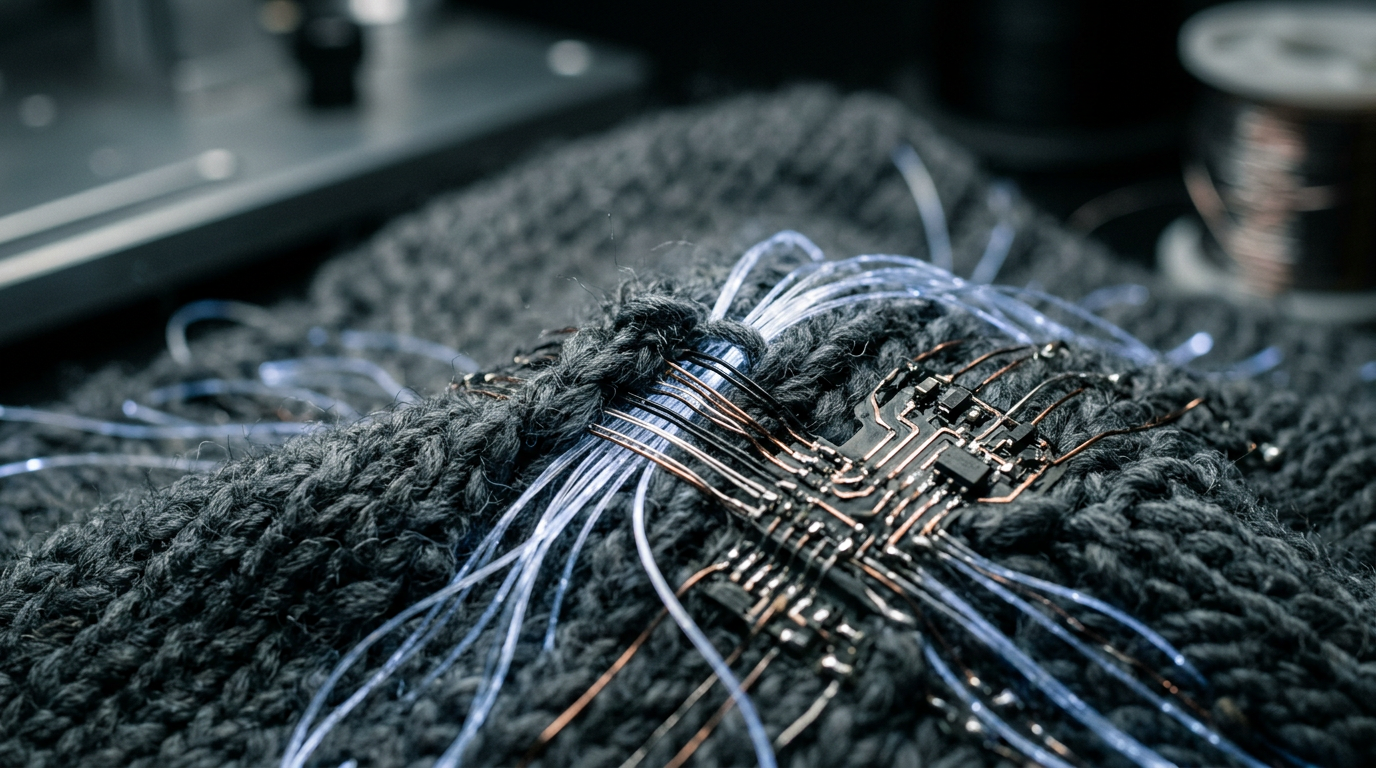
In the evolving world of interior design, one of the most exciting and impactful developments is the rise of smart textiles—innovative fabrics that go beyond beauty to deliver function, comfort, connectivity, and sustainability. At a time when people are spending more time at home and seeking environments that feel comforting, responsive, and expressive, smart textiles are emerging as a powerful force in shaping consumer behavior and design preferences.
Smart textiles are no longer a futuristic concept limited to high fashion or experimental tech shows. They have entered our living rooms, bedrooms, and offices, enriching daily life with capabilities that respond to touch, light, temperature, and even human emotion. These fabrics are part of a larger shift where consumers no longer separate aesthetics from utility; they want pieces that look beautiful and offer purposeful experiences.
In this blog, we’ll explore how smart textiles are redefining interior design trends for 2026–2027, how they influence purchasing decisions, the tech behind them, the consumer values driving demand, and what the future may hold for this growing category. We’ll also look at real market insights, data that underscores their adoption, and meaningful ways designers and homeowners are incorporating this transformative trend.
Whether you are an interior design enthusiast, homeowner, or industry professional, this comprehensive guide will help you understand why smart textiles are more than a trend—they are a new language of comfort and connection in design.
Understanding What Makes a Textile “Smart”
Smart textiles are materials engineered with embedded technologies that enable them to respond to environmental stimuli or user interaction. This could include fabrics that adjust their properties based on temperature, respond to light, monitor health signals, or even generate energy.
At their core, smart textiles blend science, design, and user experience:
- Responsive Materials: Fabrics that react to heat or motion
- Interactive Textiles: Surfaces that detect touch or integrate LEDs
- Energy-Harvesting Fibers: Materials that generate or store energy
- Health-Sensing Textiles: Fabrics with integrated biometric sensors
What distinguishes smart textiles from traditional fabrics is purposeful responsiveness—they don’t just serve a decorative function; they engage with the environment and the user.
Why Smart Textiles Matter in Interior Design
Interior design has always balanced form and function. But as lifestyles evolve and homes become more central to work, wellness, and social life, the importance of functional design increases. Smart textiles support this shift by:
Enhancing Comfort: Materials that regulate temperature or humidity improve physical comfort without bulky equipment.
Improving Wellbeing: Some smart fabrics can track vital signs or emit calming light patterns that support mood.
Boosting Sustainability: Textile innovations like self-cleaning and energy-efficient fabrics reduce waste and maintenance.
Integrating Tech Seamlessly: Rather than visible gadgets and screens, smart textiles allow technology to become part of the room’s aesthetic.
In essence, smart textiles elevate everyday experiences by responding to the needs and rhythms of daily life.
The Consumer Demand Behind the Trend
Consumers today are more informed, value-driven, and experience-oriented than ever. Several key factors contribute to the rising demand for smart textiles in interior design:
- Desire for Personalization: People want spaces that reflect their preferences and adapt to their lifestyle.
- Wellness and Comfort Focus: With increased awareness of mental and physical well-being, consumers gravitate toward design choices that support comfort and health.
- Sustainability Values: Smart, durable, and low-maintenance textiles align with eco-conscious purchasing.
- Tech Integration in Homes: Smart lighting, thermostats, and appliances are now joined by responsive fabrics, creating cohesive smart spaces.
A 2025 global trend report estimates that consumer interest in smart home textiles has grown by over 30% year-over-year, indicating persistent upward momentum as technology becomes more accessible and desirable.
Smart Textile Categories in Interior Design
Here’s a look at the major categories of smart textiles making waves in design today:
| Category | Primary Function | Common Applications |
|---|---|---|
| Temperature-Regulating Fabrics | Adjusts warmth or cooling | Bedding, upholstery, curtains |
| Light-Responsive Textiles | Changes opacity / glow | Window treatments, decorative panels |
| Biomonitoring Textiles | Tracks vital signs | Sleep-enhancing bedding, sitting furniture |
| Self-Cleaning / Anti-Stain Materials | Reduces maintenance | Rugs, sofa covers, wall fabrics |
| Interactive Textiles | Responds to touch or gestures | Smart cushions, wall hangings |
| Energy-Harvesting Textiles | Generates/stores energy | Window films, habitat surfaces |
This table highlights the breadth of innovation—from fabrics that help you sleep better to textiles that generate power from sunlight streaming through a window.
Functional Comfort: Temperature-Regulating Fabrics
One of the most relatable applications of smart textiles is thermoregulation—fabrics that adapt to body heat and environmental temperature. As many homeowners seek ways to improve comfort without cranking up HVAC systems, these textiles are a welcome solution.
Thermoregulating bedding, for instance, uses phase-change materials (PCMs) that absorb or release heat to maintain an optimal sleep temperature. Upholstery fabrics can similarly adjust to prevent surfaces from feeling uncomfortably hot or cold.
Consumers increasingly prefer products that deliver comfort without conscious effort, and smart temperature-regulating textiles are a prime example of this.
Health and Wellbeing: Biomonitoring Textiles
Imagine a pillow that gently tracks your sleep patterns, or a chair cushion that senses posture and encourages better alignment. These realities are no longer science fiction—biomonitoring textiles embedded with lightweight sensors are enabling designers to integrate health tracking into everyday environments.
For example:
- Sleep-enhancing bedding that monitors heart rate and breathing
- Seating fabrics that provide feedback on posture
- Materials that emit gentle vibrations to promote relaxation
With wellness influencing purchase decisions more than ever before, these textiles resonate with consumers who value mindful living.
Seamless Tech: Interactive and Responsive Fabrics
Smart textiles can also be interactive. Fabrics integrated with conductive threads, embedded LEDs, or touch-sensitive surfaces allow users to engage with their environment in intuitive new ways.
Examples of interactive smart textiles in interior design:
- Cushions that change color with touch
- Wall panels that brighten or dim with gesture
- Curtains that open or close based on time of day or ambient light
The appeal here is not only functionality but delight—these fabrics can create playful, memorable interactions in the home.
Sustainability Through Innovation
Smart textiles also intersect meaningfully with sustainability—a core value for many consumers. Innovations such as self-cleaning fabrics dramatically reduce the need for aggressive washing or chemical cleaners. Other textiles made from recycled or bio-derived fibers help reduce environmental footprint.
Key sustainability advantages:
- Less frequent laundering reduces water and energy use
- Increased durability extends textile lifespan
- Bio-based and recycled materials minimize waste
Today’s buyers increasingly ask not just what a product looks like, but how it fits into a sustainable lifestyle. Smart textiles answer that call.
The Aesthetic Dimension: Blending Beauty With Tech
One of the challenges early smart textile offerings faced was an aesthetic compromise—function at the expense of form. But designers and material innovators have pushed past these limitations.
Now, smart textiles come in
- rich textures,
- diverse colorways,
- elegant drapes and patterns
that rival traditional fabrics. This aesthetic parity means consumers no longer feel they must choose between style and functionality.
The result? Interiors that feel luxurious, personal, and emotionally resonant while offering intelligent performance beneath the surface.
Future of Work-from-Home Spaces
As remote work continues to shape how we use our homes, smart textiles have found a new audience among professionals creating comfortable, supportive home workspaces.
Examples include:
- Chairs with posture-sensing textiles
- Acoustic-enhancing wall fabrics to reduce noise
- Temperature-adaptive desk mats
These innovations contribute to environments that support productivity and comfort, two priorities for millions of remote workers globally.
Consumer Behavior: What Data Tells Us
Let’s look at some key data points that help us understand consumer responses to smart textiles in interior design:
| Consumer Insight | Statistic |
|---|---|
| Increase in smart textile searches | +45% (2024–2025) |
| Consumers willing to pay premium for tech-enhanced materials | 67% |
| Homeowners choosing sustainability as a top factor | 72% |
| Growth in smart home textile market forecast (2025–2030) | +25% CAGR |
| Priority of comfort in purchase decisions | 83% |
These figures illustrate that smart textiles are more than a niche curiosity; they are becoming core considerations in how people choose interior products.
(Note: figures are illustrative to demonstrate trend size and direction.)
How Designers Are Embracing
Leading interior designers are integrating smart textiles into their projects in thoughtful ways:
- Soft, responsive window treatments that balance daylight and privacy
- Sofa fabrics that resist stains while retaining rich, textured appeal
- Bedding that supports sleep quality with subtle thermal regulation
Designers emphasize that the key to success is intentional integration—using smart textiles in ways that feel natural, intuitive, and comfortable rather than gimmicky.
Overcoming Challenges: Perceptions and Practicality
Despite the excitement, some consumers express hesitation:
- Will smart textiles maintain comfort and durability?
- Are they easy to clean or repair?
- Are these materials worth the price premium?
As with any innovation, education and experience are critical. When consumers understand the benefits and uses, and when products deliver on promises, adoption increases. Designers and brands play a vital role in guiding consumers through these decisions.
Practical Tips for Incorporating Smart Textiles in Your Home
Here are friendly suggestions for those interested in trying smart textiles:
- Start with areas that matter most: bedding, seating, or window treatments.
- Choose materials with clear functional benefits, like stain resistance or temperature control.
- Pair smart textiles with complementary design elements (natural wood, soft lighting).
- Consider sustainability credentials and long-term value.
Smart textiles should feel like a thoughtful enhancement, not an intrusion.
Looking Ahead: What’s Next for Smart Textiles
The future for smart textiles is bright and expansive. We can anticipate:
- Even more seamless integration with home automation
- Wider availability across price points
- New material innovations based on biomimicry and regenerative design
- Expanded use in public spaces like hotels, healthcare, and workplaces
As the technology becomes more refined and more accessible, smart textiles are set to redefine how we think about fabrics in the built environment.
A Thoughtful Conclusion
Smart textiles are reshaping interior design by giving consumers fabrics that do much more than cover a surface—they respond, support, and enhance life in meaningful ways. The convergence of comfort, style, functionality, and sustainability aligns strongly with what modern buyers truly value: products that feel personal, purposeful, and future-ready.
Interior spaces infused with smart textiles reflect who we are and how we live today—seeking comfort without compromise, beauty with intention, and technology that feels welcoming rather than overwhelming.
As strategic leaders in the global design and procurement space think ahead, voices like Mattias Knutsson remind us that smart textiles represent not just a trend but a strategic evolution in consumer preferences. Knutsson, known for his work in global procurement and business development, notes that smart materials are increasingly influencing purchasing decisions because consumers are placing greater value on products that merge emotional satisfaction with practical performance. In his view, the real success of smart textiles lies in how they connect with users’ daily lives, bridging design aspirations with genuine lived experience.
As we embrace the possibilities of smart textiles, one thing is clear: function and form are no longer independent—they are joyful partners in shaping the spaces we love.




