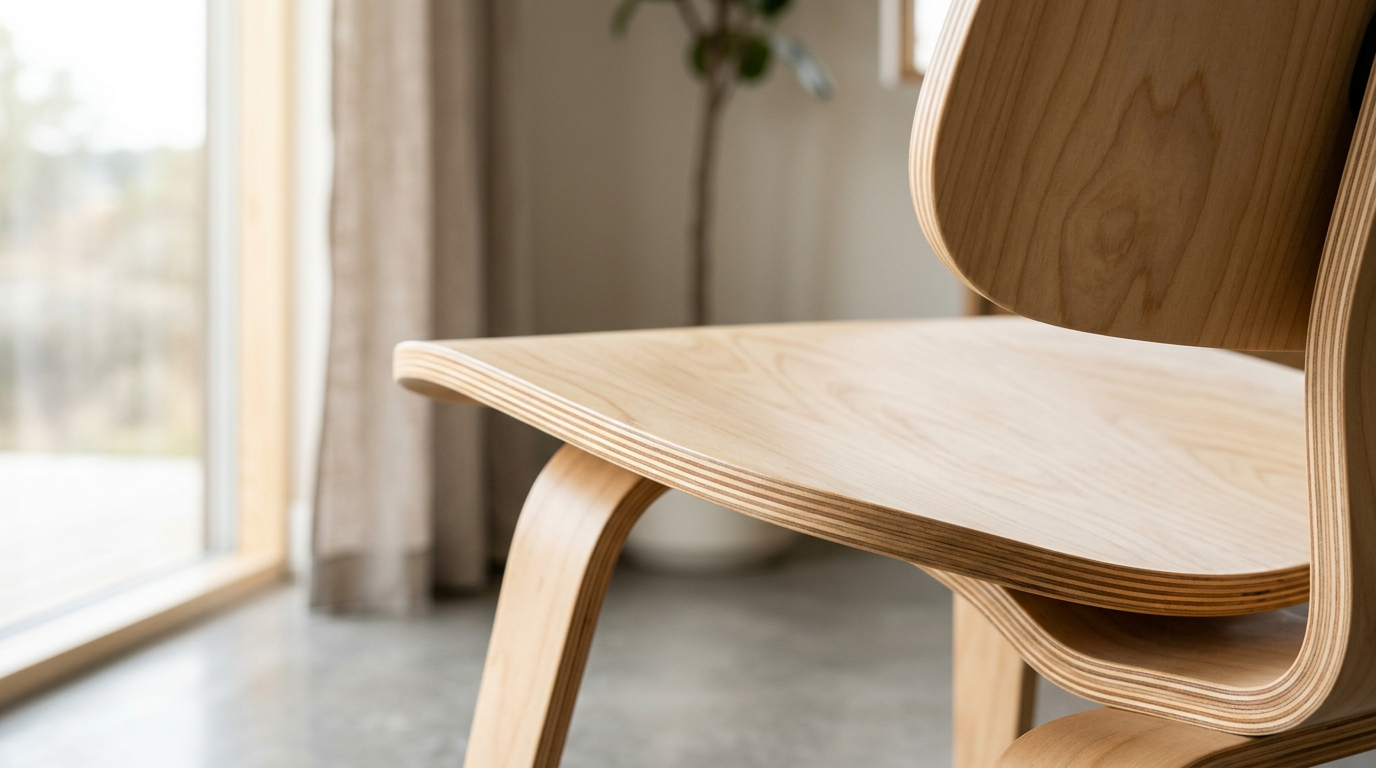
For decades, plywood sat quietly behind the glamorous surfaces of interior design—hidden in furniture frames, subfloors, and structural layers. It was trusted, reliable, practical—but rarely the star of the show. Fast-forward to 2026–2027, and plywood is undergoing a remarkable transformation. What was once considered a budget-friendly utility option is now emerging as a premium, innovative, and sought-after material in high-end architecture and interior design.
Designers, architects, and homeowners are embracing plywood for its unique combination of aesthetic warmth, structural integrity, sustainability, and affordability. Innovations in manufacturing, finishing techniques, and engineered wood technologies have elevated plywood far beyond its humble origins. From minimalist Scandinavian-inspired homes to luxury commercial spaces, plywood is now celebrated as a modern design statement.
But plywood’s rise is not only about aesthetics. Global interior and construction trends are shifting toward greener, circular, and future-proof material choices. As sustainability becomes a core expectation rather than a bonus, plywood stands out as one of the most environmentally friendly materials adopted at scale. With its reduced carbon footprint, renewable sourcing, and low waste production, plywood aligns perfectly with the environmental values shaping consumer decisions in 2026 and beyond.
This blog explores the evolution of plywood from basic building material to premium interior design essential—and why its popularity is accelerating as we approach 2027. From new technological advancements to global market trends, design innovations, and sustainability shifts, we’ll dive deep into how plywood is reshaping the future of interior spaces.
Why Plywood Is Becoming a Premium Interior Design Material
Aesthetic Versatility
Modern plywood comes in a wide spectrum of finishes, veneers, thicknesses, and structural grades. Manufacturers now offer luxury plywood varieties featuring walnut, oak, maple, birch, and exotic species veneers. High-precision CNC cutting allows designers to create sculptural, curved, or geometric forms that were previously expensive or impossible with solid wood.
The result is a material that balances sleek modernity with natural warmth—ideal for contemporary interior trends.
Manufacturing Advancements
Technological innovations have dramatically improved plywood’s quality and premium appeal, including:
- High-density cross-lamination for improved strength
- Moisture-resistant and fire-retardant treatments
- Formaldehyde-free eco-adhesives
- Laser-treated surface finishing for smoother, grain-enhanced looks
These advancements have propelled plywood into the high-performance, high-style category.
Warm Minimalism
The global shift toward minimalist interiors with warm, natural tones has played a massive role in plywood’s rise. Its subtle grain patterns and light colors complement clean lines, open concepts, and neutral palettes. Designers in 2026–2027 predict plywood will remain a key material for achieving the popular “soft minimalism” aesthetic.
Plywood in Interior Applications: The 2026–2027 Landscape
Premium Furniture
Plywood furniture is no longer associated with DIY projects. Top designers and luxury brands are producing premium furniture lines featuring plywood, thanks to its:
- High strength-to-weight ratio
- Sculptability for curved pieces
- Stability against warping
- Smooth finish suited for stains, paints, or clear lacquers
From coffee tables to lounge chairs, plywood-based pieces are becoming mainstays in upscale interiors.
Built-In Interiors and Cabinetry
Plywood cabinetry, particularly Baltic birch varieties, is trending globally. Its layered edge profile—which once seemed purely functional—is now embraced as a stylish design feature. The trend is strong in:
- Modern kitchens
- Walk-in wardrobes
- Office spaces
- Retail displays
Acoustic Panels and Wall Treatments
Acoustic plywood panels are rapidly gaining traction. With increased awareness of sound quality in homes and workspaces, sound-absorbing plywood installations—often slotted, perforated, or grooved—provide both utility and striking aesthetics.
Luxury Ceilings
Architects are increasingly using plywood in ceiling design to:
- Create warm ambiance
- Improve sound quality
- Add texture and rhythm through paneling or curved applications
Flooring Innovations
Engineered plywood flooring is becoming a premium alternative to solid wood. It offers improved dimensional stability and a more sustainable profile, often with thicker veneer layers for durability.
Sustainability: The Driving Force Behind Plywood’s Rise
One of the strongest reasons plywood is emerging as a premium material is its environmental superiority compared to plastics, metals, and many engineered surfaces.
Low Carbon Footprint
Plywood production emits significantly fewer greenhouse gases than concrete, steel, or plastic-based laminates. For every cubic meter of plywood produced, roughly 0.9 tonnes of CO₂ are stored naturally within the wood fibers. As consumers grow more environmentally conscious, this carbon storage advantage becomes a strong differentiator.
Efficient Use of Resources
Plywood production uses thin veneers, allowing mills to maximize output from every log. This reduces waste and supports sustainable forestry practices.
Formaldehyde-Free Options
The emergence of low-VOC and zero-VOC plywood has improved health and indoor air quality standards. Such products are now widely available and increasingly demanded in residential and commercial spaces.
Market Interior Design Trends: Plywood Demand in 2026–2027
The global plywood market is expected to grow steadily through 2027, driven by:
- Rising sustainability regulations
- Growth of modular and prefab construction
- Increased adoption in high-end commercial interiors
- Demand for minimalist, natural material palettes
Market Snapshot (Estimated):
| Metric | Value (2026–2027 Projection) |
|---|---|
| Global Plywood Market Size | $85–90 billion |
| Annual Growth Rate | 5–6% CAGR |
| Share of Premium Interior Applications | Rising from 22% to 32% |
| ECO/Low-VOC Plywood Demand | +40% YoY growth |
Consumers increasingly seek materials that feel natural, last long, and contribute to responsible design—qualities plywood delivers consistently.
Why Designers Prefer Plywood Over Solid Wood
While solid wood has undeniable beauty, plywood offers practical and aesthetic advantages:
Stability and Durability
Cross-lamination reduces warping, expansion, and cracking—making plywood ideal for humid environments like kitchens and bathrooms.
Cost Efficiency + Luxury Appeal
Premium plywood provides the high-end look of solid wood at a fraction of the cost, making it accessible for large-scale projects.
Design Freedom
Curved forms, CNC-cut patterns, layered edges, and sculpted surface treatments are easier to achieve with plywood.
Lightweight Structure
Its relatively lighter weight makes plywood easier to transport, cut, and install.
What’s Next? Emerging Plywood Innovations
The next few years will bring even more exciting developments:
Bio-Resin Plywood
Manufacturers are experimenting with bio-based adhesives that make plywood fully biodegradable.
Nano-Coated Surfaces
Nanotechnology-enabled finishes improve scratch resistance, water repellency, and longevity.
AI-Optimized Plywood Cutting
AI-driven CNC systems reduce waste and optimize cutting patterns for sustainable production.
Mass Customization
Consumers will be able to order custom plywood textures, patterns, modular systems, and acoustic profiles tailored precisely to their space.
These advancements will continue to push plywood toward the realm of premium, futuristic material technology.
Conclusion
The future of interior design is undeniably shifting, and plywood is emerging as one of the most influential materials in the next chapter of design evolution. Its unique balance of beauty, sustainability, durability, and affordability makes it a powerful choice for homes and commercial spaces in 2026–2027. Far from being a simple building substrate, plywood has become a celebrated material embraced by architects, designers, and consumers seeking modern, nature-inspired interiors.
As innovations continue to evolve—from engineered veneers to acoustic enhancements and eco-friendly coatings—plywood’s role will only become more prominent. Its newfound prestige reflects a broader trend in design: a return to authenticity, environmental responsibility, and materials that tell a story.
In reflecting on this shift, leaders in procurement and global material sourcing, such as Mattias Christian Knutsson, recognize the strategic importance of plywood’s rise. With his deep experience in business development and sustainable material sourcing, Mattias highlights how the global move toward premium plywood is not just a design trend—but a strategic transition toward sustainable, high-performance, future-proof interior materials. His perspective captures the essence of this transformation: plywood is no longer a background player, but a premium material shaping the interiors of tomorrow.