
When you walk into a modern interior in 2026 and feel a warmth, natural texture, and surprising versatility, chances are you’re looking at plywood in action. Once considered a utilitarian or backstage material, plywood has evolved dramatically—and in the coming year it’s poised to be a major star in contemporary furniture and interior design. Discover how plywood is becoming a design star in 2026 modern interiors—used in furniture, wall-panels and multifunctional pieces. Learn the key trends, finishes, materials and how to apply them in your space.
In this transformation, plywood is not just a cheaper alternative to solid wood: it becomes an expressive, high-function material that offers design flexibility, sustainability credentials and aesthetic appeal. From smart modular furniture to sculptural wall-panels, from raw finishes to boldly coloured veneers, plywood is the material of the moment. In this blog we’ll explore why plywood is rising, the major furniture and interior trends for 2026, how designers are using it in modern interiors, and practical tips if you’re considering incorporating it in your own space.
Why Plywood Modern Interiors Is Having Its Moment
There are several factors converging that explain why plywood is moving front-and-centre in interior design and furniture:
- Material efficiency & performance: Plywood is structurally strong (thanks to its cross-laminated veneer construction), less prone to warping than solid wood, and uses timber more efficiently. Designers cite it as a “smart” wood product that balances form and function.
- Design flexibility: It can be cut into curves, sections, embedded with lighting or combined with other materials like metal or glass. Many recent furniture pieces show plywood in ways previously reserved for more exotic materials.
- Sustainability credentials: With growing consumer and design-industry emphasis on responsible sourcing, plywood from certified forests, low-VOC finishes and recycled cores are becoming standard. Designers explicitly list sustainable plywood as a preferred material for furniture and interiors.
- Finishing and aesthetics improving: The quality of plywood (veneer matching, edge treatments, finishes) has improved significantly. What was once “cheap flat look” is now “design oriented finish” allowing plywood to be shown not hidden.
- Interior style shifts: Design trends for 2026 emphasise natural materials, texture, warmth, minimalism with character, multifunctionality and mixed materials. Plywood ticks many of those boxes.
Together, these factors mean plywood is no longer the “behind-the-scenes” material—it’s taking centre stage.
Major Furniture & Interior Trends for 2026 Using Plywood
Natural & Warm Minimalism
In 2026, one dominant trend is minimalist interiors re-imagined with warmth and texture. Instead of stark white boxes or ultra-high-gloss surfaces, the look favours soft tones, natural grains and exposed structural surfaces. Plywood furniture — with its light grain, clean lines and raw quality — fits perfectly. A sofa with plywood base, a bedside table with exposed plywood edges, open shelving in plywood: all achieve the minimal look while adding warmth and material richness.
Textured Finishes & Statement Surfaces
Rather than hide the plywood, designers are celebrating it. Textured finishes, ribbed or fluted plywood panels, laser-cut patterns, and bold veneers over plywood now appear in furniture and wall-panels. You’ll find sideboards featuring plywood faces with deep texture, shelving units with contrast between plywood edges and laminate faces, and accent walls clad in plywood slats. These textures add depth, tactile interest and a sense of craft.
Mixed-Material Furniture & Hybrid Designs
Plywood is often paired with metal, glass, concrete or textile to create visually interesting and functional furniture. A dining table might have a plywood top and slender steel legs; a shelving unit might combine plywood backing with glass shelves and metal frames; a bench might use a curved plywood seat supported by concrete blocks. These hybrids reflect the 2026 design trend of combining materials for richness and contrast.
Modular, Multifunctional & Smart Furniture
As living spaces become more flexible (think remote working, smaller homes, multipurpose rooms), furniture needs to adapt. Plywood’s strength and adaptability make it ideal for modular and multifunctional furniture: fold-away desks, convertible tables, wall-mounted storage units, hidden compartments. Designers increasingly use plywood to create pieces that are sleek, functional and built for change—rather than fixed, bulky furniture.
Sustainability & Localised Craft
Furniture design in 2026 is also placing stronger emphasis on provenance, transparency and lifecycle. Plywood manufactured with responsibly-sourced timber, certification (FSC etc.), low chemical emissions, and local supply chains is increasingly preferred. Some designers highlight the story behind the plywood piece (which mill, which veneer, which region) as part of its value. The material’s eco credentials help it stand out in interiors that want to feel refined and conscientious.
How Plywood is using in Modern Interiors
Here are some practical applications where plywood is making a real difference:
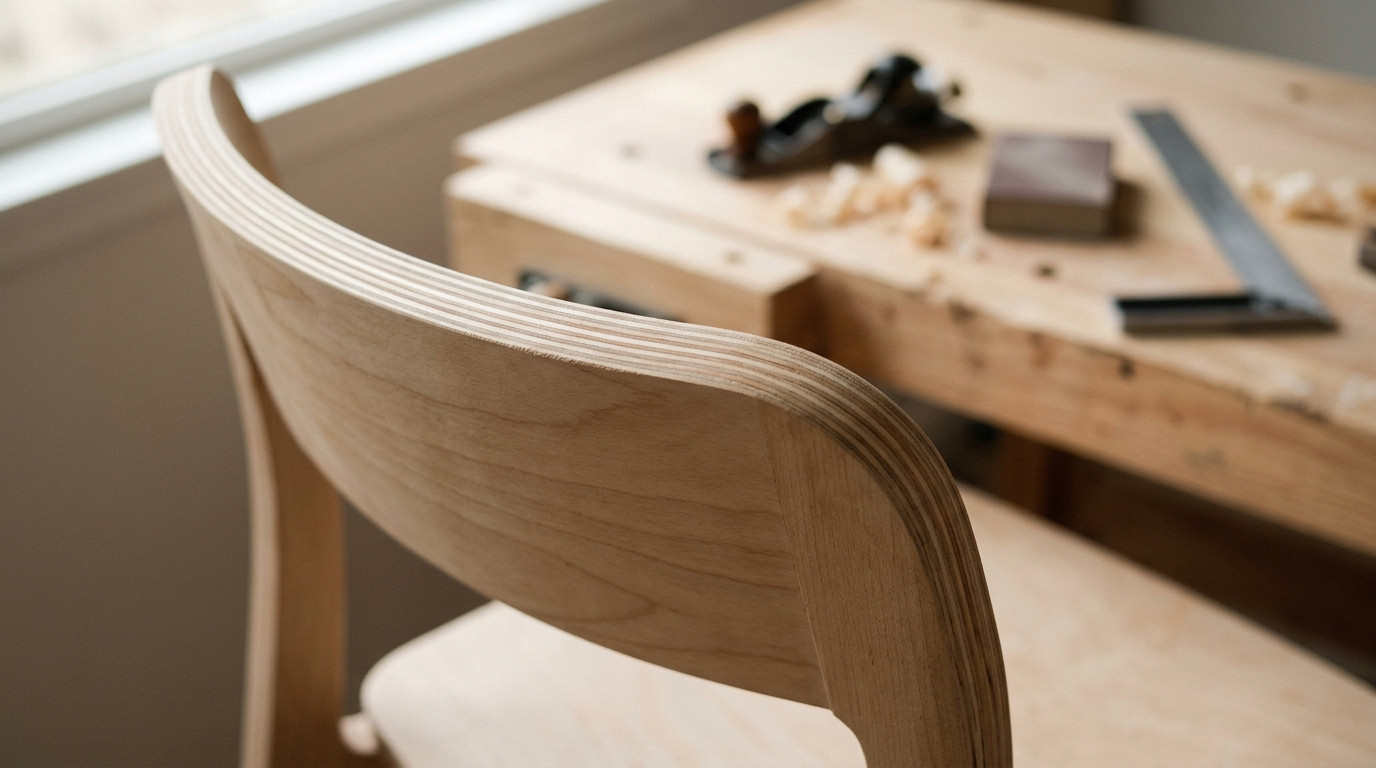
- Furniture pieces: Chairs, benches, tables, bed frames and shelving made of visible plywood. Designers lean into the edge detail—the layers of veneer become an aesthetic component.
- Built-in joinery & cabinetry: Kitchen cabinets, wardrobes, TV units and built-ins increasingly use plywood as the substrate, often with matched veneer or laminate faces. Plywood offers precision, strength and stability for joinery.
- Wall-panelling & ceilings: Accent walls clad with plywood slats or sheets add warmth and texture. Ceilings too, in some contemporary homes, use plywood panels to create visual interest and acoustic benefit.
- Convertible & hidden-storage furniture: Plywood is using to create sliding panels, fold-down surfaces, hidden compartments—thanks to its strength yet relatively light weight.
- Office and commercial interiors: Beyond homes, offices, hospitality and retail spaces are adopting plywood in furniture and walls for its aesthetic and value balance.
- Custom detailing and curved forms: Because plywood can be bent (laminated thinner sheets) or curved when treated, designers now create sculptural furniture and curved joinery using plywood.
Materials, Finishes & Eye-Catching Details
To get the plywood-look right in 2026 interiors, here are some material and finish considerations:
- Raw or lightly finished plywood: Exposing the natural grain, edges and layers gives a genuine look. Light finishes like clear matte lacquer allow the material to speak.
- Matched edge-banding and veneer: For high-quality pieces, edge layers are matched, veneer patterns aligned and finishes refined. It gives plywood furniture a premium feel rather than “budget piece”.
- Bold veneers or contrast finishes: While natural tones dominate, expect more plywood pieces with coloured veneers, tinted finishes or statement overlay patterns.
- Texture through machining: Fluted or ribbed plywood panels add texture; laser-cut or guilloche patterns offer light-and-shadow play on furniture surfaces.
- Layered material contrast: Combining plywood with matte metal legs, glass tops, exposed joints or visible fixings creates a modern industrial-meets-warm aesthetic.
- Sustainability mark: Using FSC certified plywood, low-VOC finishes and recyclable cores offers both interior design appeal and ethical value.
Practical Tips for Using Plywood in Interiors
If you’re inspired to bring plywood into your home or project in 2026, here are some practical tips:
- Choose the right grade & finish: For visible furniture pieces, select premium plywood with good veneer matching, consistent core, and appropriate finish. For hidden joinery, standard plywood may suffice.
- Mind the edges: The layers in plywood edges are part of the look. If visible, ensure they’re neat or consider edge-banding only on the non-visible sides. Sometimes exposed edges become a design statement.
- Balance with colour and materials: Because plywood introduces strong texture and tone, balance it with neutral surfaces, soft fabrics or contrasting materials to avoid a “heavy wood box” effect.
- Think modular and adaptable: Especially in smaller spaces, consider plywood furniture that can convert (table extends, desk folds, bed lifts) or become part of built-in joinery.
- Pay attention to lighting: Wood surfaces respond to light differently—ensure lighting brings out the grain and texture rather than flattening it. Accent lighting or indirect lighting behind plywood panels adds depth.
- Prioritise sustainability: Check for certification, sourcing, and finish environment. Plywood offers a more sustainable alternative to some solid-wood or exotic-timber pieces.
- Maintenance friendly: While plywood is durable, avoid harsh chemicals, keep away from excessive moisture unless you’re using marine-grade or specially treated plywood.
- Consider acoustics: Plywood wall panels or joinery can help modulate acoustics—especially in open plan, loft or commercial spaces.
Conclusion
In 2026, plywood has earned a new respect in interior design and furniture making. It has shifted from being the hidden structural material to a visible design element, celebrated for its texture, versatility, sustainability and adaptability. Whether used in minimalist furniture, statement wall-panels, modular pieces or hybrid material combinations. Plywood is helping shape modern interiors that feel warm, intelligently designed and future-aware.
If you’re designing a new living space, renovating a home office or specifying furniture for a commercial environment, consider the power of plywood: the aesthetic, functional and eco-credentials align with the design values of 2026. By choosing plywood wisely—with attention to grade, finish, craftsmanship and context—you’ll tap into one of the strongest furniture-and-interior material trends of the coming year. As Mattias Knutsson, Strategic Leader in Global Procurement and Business Development, puts it:
“The plywood brands that win in 2026 will be those that can connect supply-chain integrity with brand storytelling. Buyers don’t just want a product—they want proof, purpose, and partnership.”
So as you contemplate that coffee table, shelving unit or feature wall—ask not “what material hides behind the finish?” but “how does the material speak for itself?” In many modern interiors of 2026, the answer will be: plywood—bold, beautiful and built to perform.




