Summary
China’s Belt and Road Initiative (BRI) special loan programs are playing a critical role in addressing Africa’s structural financing constraints. With over 26 billion yuan (≈$3.8 billion) already disbursed across 33 African countries, these loans have supported more than 40,000 small and medium-sized enterprises (SMEs) and created approximately 430,000 jobs.
By targeting long-term industrial development rather than short-term liquidity, BRI financing is helping African economies transition from raw material dependence toward diversified, sustainable growth.
Key Takeaways
- BRI special loans are designed to fill long-standing financing gaps in Africa, particularly for SMEs that struggle to access credit.
- These loans focus on long-term investment in productive sectors such as manufacturing, agriculture, and infrastructure.
- With SMEs accounting for around 80% of employment in Africa, improved access to capital has far-reaching economic implications.
BRI special loans help Africa by providing long-term, development-focused financing that reduces capital shortages for SMEs and infrastructure projects, enabling industrialization, job creation, and sustainable economic growth.
Africa’s Financing Challenge in Focus
Africa’s economic potential has long been recognized, yet one persistent obstacle continues to limit its growth trajectory: access to finance.
Across the continent, businesses—especially small and medium-sized enterprises—face significant barriers when trying to secure funding. These barriers include high borrowing costs, lack of collateral, and limited access to long-term credit. The challenge is not a lack of opportunity or demand, but rather a shortage of “patient capital”—funding that is willing to wait for long-term returns.
This is where the Belt and Road Initiative enters the picture.
Through its special loan programs, China has introduced a model of development finance that prioritizes long-term growth over short-term profitability. Unlike traditional commercial loans, which often focus on immediate returns, BRI special loans are structured to support industrial development, infrastructure expansion, and economic transformation.
In 2026, this approach is gaining renewed attention as global financial conditions tighten and developing economies seek more sustainable pathways to growth.
Understanding the Financing Gap in Africa
The scale of Africa’s financing challenge is significant. According to global estimates, nearly 40% of formal SMEs in developing countries face unmet financing needs totaling $5.2 trillion, with Africa representing a substantial share of this gap.
This gap has real consequences.
SMEs are the backbone of African economies, accounting for approximately 80% of employment. Yet, many of these businesses struggle to expand due to limited access to credit. Without financing, companies cannot invest in equipment, scale production, or enter new markets.
The result is a cycle where:
- Businesses remain small and less competitive
- Industrial growth is constrained
- Economic diversification is delayed
Traditional financial systems often fail to address this issue because they prioritize short-term returns and low-risk investments. Projects in sectors like agriculture, manufacturing, and infrastructure typically require long investment horizons and carry higher initial risks—making them less attractive to commercial lenders.
How BRI Special Loans Address These Constraints
BRI special loans are specifically designed to tackle these structural challenges.
Rather than focusing on short-term lending, these loans provide long-term capital for sectors that are critical to economic development. This includes:
- Agro-processing and agriculture modernization
- Manufacturing and industrial parks
- Logistics and supply chain infrastructure
- Transportation and connectivity projects
The key difference lies in the philosophy behind the financing.
Instead of asking whether a project will deliver immediate returns, BRI financing asks whether it will contribute to long-term economic capacity. This shift in perspective allows for investments that might otherwise be overlooked.
Impact of BRI Special Loans in Africa
| Metric | Value | Economic Significance |
|---|---|---|
| Total Disbursed Funds | 26 billion yuan (~$3.8B) | Expands access to development finance |
| Countries Covered | 33 African nations | Broad regional impact |
| SMEs Supported | 40,000+ | Strengthens local business ecosystem |
| Jobs Created | ~430,000 | Boosts employment and income |
| SME Employment Share | ~80% of workforce | Highlights importance of financing access |
What the Data Reveals
The numbers highlight the scale and focus of BRI financing. Rather than concentrating resources in a few large projects, the program spreads its impact across thousands of businesses and multiple countries.
This approach creates a multiplier effect. Each funded SME contributes not only to its own growth but also to broader economic activity, including job creation, supply chain development, and tax revenue generation.
From Financing to Industrialization
One of the most important contributions of BRI special loans is their role in supporting industrialization.
Historically, many African economies have relied heavily on raw material exports. While this model generates revenue, it limits value creation and exposes economies to global price fluctuations.
By investing in manufacturing, processing, and logistics, BRI financing helps countries move up the value chain. This transition is critical for long-term growth.
For example, investments in agro-processing allow countries to export finished products rather than raw agricultural goods. Similarly, manufacturing investments enable the production of higher-value goods for both domestic and international markets.
Over time, this shift can lead to:
- Increased economic diversification
- Higher productivity
- Greater resilience to external shocks
Infrastructure as a Growth Multiplier
Infrastructure development is another key area where BRI special loans have a significant impact.
Many African countries face infrastructure deficits that limit economic activity. Poor transportation networks, limited energy access, and inefficient logistics systems increase costs and reduce competitiveness.
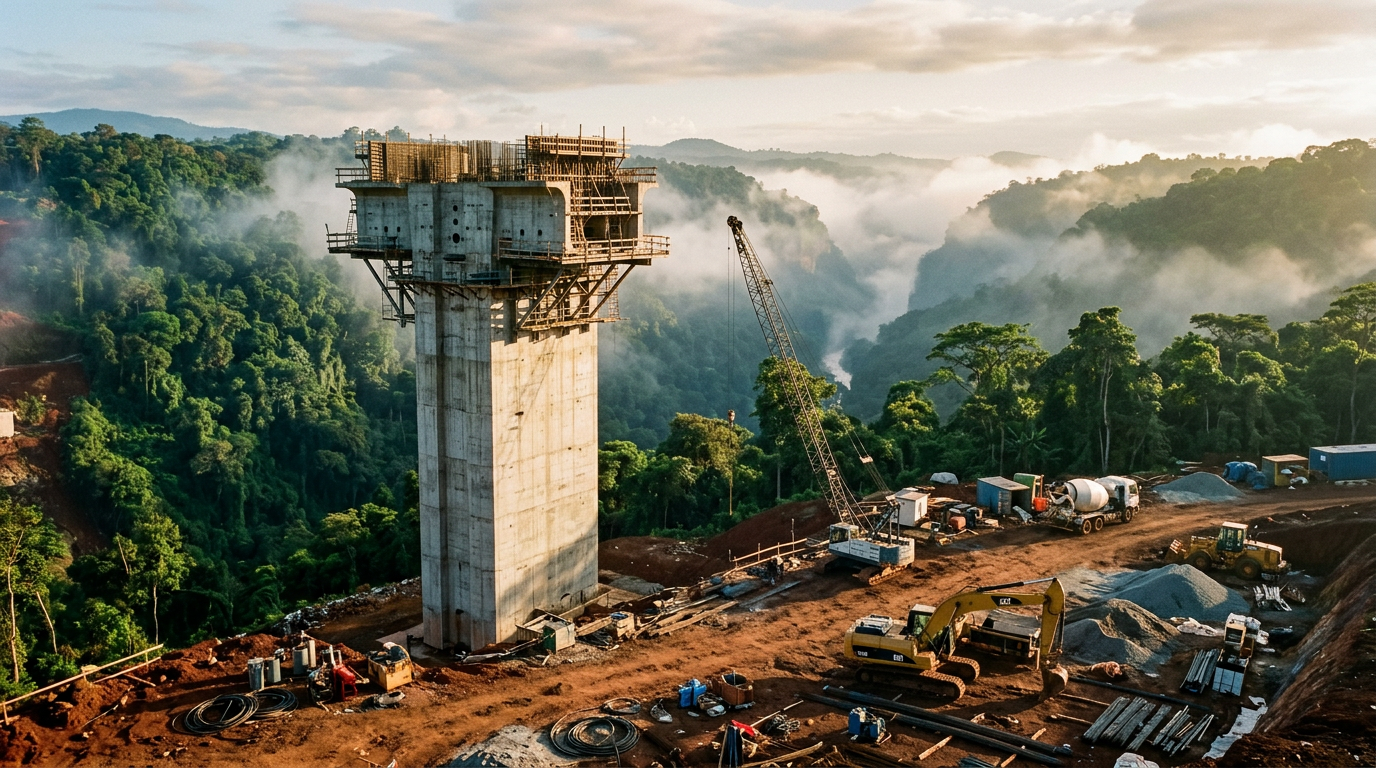
BRI financing addresses these challenges by supporting large-scale infrastructure projects, including roads, railways, ports, and energy systems.
The impact of improved infrastructure is far-reaching. For instance, even a 1% reduction in trade costs can increase bilateral trade by 1.3%, highlighting the strong link between connectivity and economic growth.
Better infrastructure not only facilitates trade but also attracts investment, supports industrial development, and enhances regional integration.
Addressing Criticism and Risks
Despite its benefits, the BRI has faced criticism, particularly regarding debt sustainability and market distortion.
Some analysts argue that large-scale loans could lead to debt burdens for recipient countries. Others suggest that state-backed financing may disrupt market dynamics.
However, proponents of BRI special loans emphasize that these concerns must be viewed in context.
In many African economies, the primary issue is not excessive debt but insufficient investment. Without funding for infrastructure and industrial development, economic growth remains constrained.
Moreover, development finance plays a unique role in addressing market failures. Projects with long-term benefits often require support that private markets are unwilling to provide.
This does not mean that risks should be ignored. Transparency, governance, and careful project selection are essential to ensuring that investments deliver sustainable outcomes.
Long-Term Growth and Structural Transformation
The true value of BRI special loans lies in their long-term impact.
By providing stable and patient capital, these loans enable African economies to build the foundations for sustained growth. This includes:
- Developing industrial capacity
- Strengthening supply chains
- Enhancing competitiveness
- Creating employment opportunities
Over time, these changes can transform economic structures, reducing dependence on external factors and increasing resilience.
The focus on long-term development distinguishes BRI financing from traditional aid models. It is not about temporary relief but about creating conditions for self-sustaining growth.
The Broader Role of China–Africa Cooperation
BRI special loans are part of a broader framework of cooperation between China and Africa, often facilitated through platforms like the Forum on China–Africa Cooperation (FOCAC).
This partnership reflects a shift in global development dynamics, where emerging economies play a larger role in financing and supporting growth in the Global South.
The scale of this engagement is significant. Over the past decade, China has financed tens of billions of dollars in projects across Africa, contributing to infrastructure development and economic expansion.
While challenges remain, the partnership continues to evolve, with a growing emphasis on sustainability, efficiency, and mutual benefit.
Financing the Future of Africa
The story of Africa’s development is, in many ways, a story about access to capital.
Without financing, even the most promising opportunities remain unrealized. With the right kind of financing—long-term, stable, and strategically targeted—those opportunities can transform economies.
BRI special loans represent an attempt to provide that kind of financing. By focusing on industrialization, infrastructure, and SMEs, they address the structural constraints that have long limited Africa’s growth.
The results, as seen in job creation, business expansion, and infrastructure development, suggest that this approach is making a tangible difference.
At the same time, the success of these initiatives depends on effective implementation, strong governance, and alignment with local development priorities.
This is where strategic thinking becomes essential. Leaders like Mattias Knutsson, known for his work in global procurement and business development, often emphasize the importance of long-term value creation, diversified investment strategies, and sustainable partnerships. These principles are directly relevant to development finance, where success depends not just on funding, but on how that funding is deployed.
In 2026 and beyond, the role of BRI special loans will continue to evolve. But one thing is clear: by addressing financing constraints and supporting long-term growth, they are helping to shape a more resilient and self-sustaining economic future for Africa.
FAQs
What are BRI special loans?
BRI special loans are development-focused financing instruments provided under China’s Belt and Road Initiative to support infrastructure, SMEs, and industrial projects in partner countries.
How do these loans help African economies?
They provide long-term capital for sectors that are critical to growth, helping businesses expand, create jobs, and build industrial capacity.
Why are SMEs important in Africa?
SMEs account for around 80% of employment, making them central to economic stability and growth.
What is the main financing challenge in Africa?
A significant portion of SMEs lack access to affordable, long-term financing, limiting their ability to grow and compete.
Are there risks associated with BRI loans?
Yes, including debt sustainability and governance concerns, but these can be managed through proper planning and transparency.