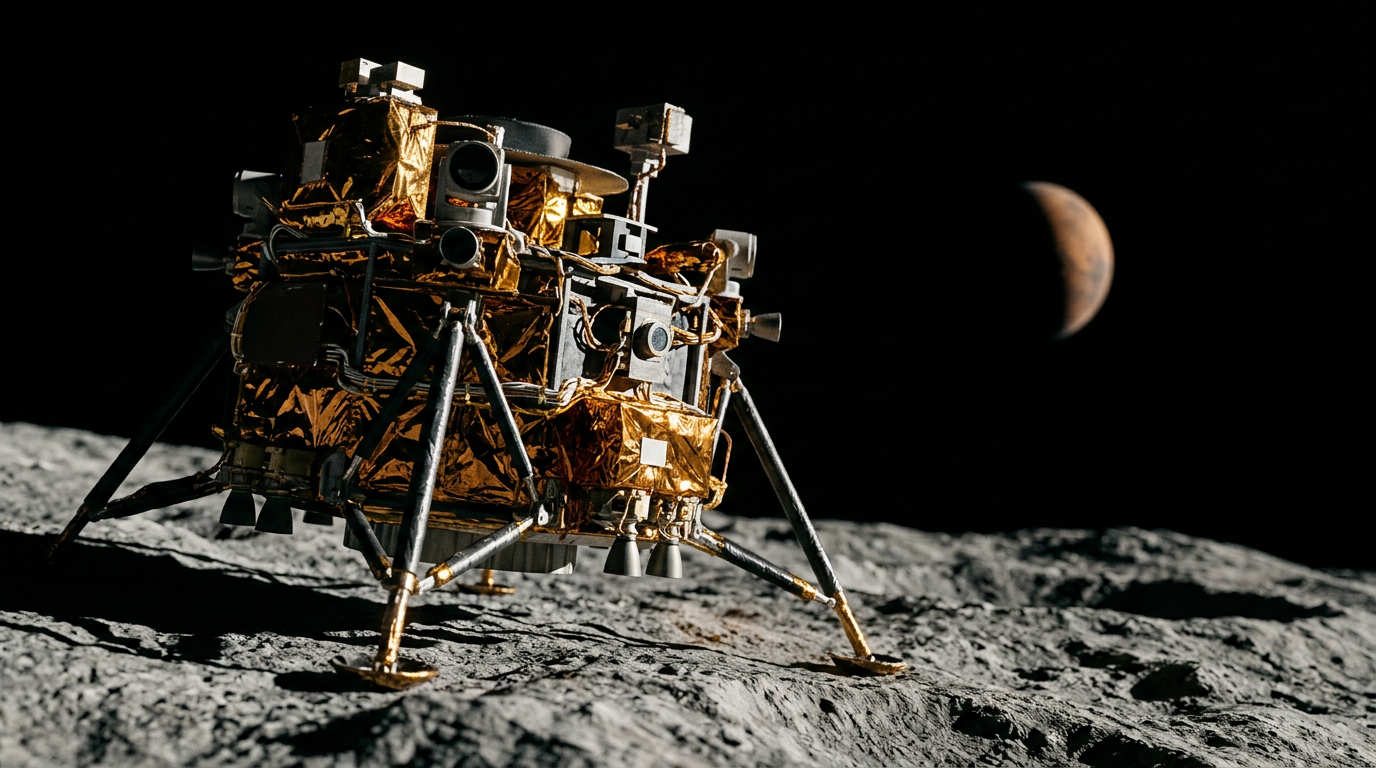
Humanity has always looked to the stars with curiosity, ambition, and a touch of audacity. The 2026 Mars mission by SpaceX is poised to take that ambition to a transformative level. While much of the global excitement centers around human exploration and colonization, a less obvious but equally revolutionary goal is emerging: off-world mining.
Mining on Mars is not science fiction—it is becoming a critical pillar of sustainable interplanetary operations. By utilizing Martian resources, such as water, metals, and rare-earth elements (REEs), future missions can reduce dependence on Earth, lower mission costs, and accelerate human settlement. These resources could provide life support, fuel, construction materials, and even high-value components for technology.
The 2026 mission is set to test the technologies that could make off-world mining a practical reality, creating a blueprint for the first interplanetary supply chain. This blog explores the potential of SpaceX’s Mars mission to revolutionize mining beyond Earth, the technologies involved, the economic opportunities, and the challenges we face along the way.
The Concept of Off-World Mining
Off-world mining refers to the extraction and utilization of resources from extraterrestrial bodies, including the Moon, Mars, and asteroids. Mars offers unique opportunities due to its abundance of water ice, metal-rich regolith, and trace amounts of rare-earth elements.
Key resources for the 2026 mission include:
| Resource | Application | Estimated Abundance on Mars | Use in 2026 Mission |
|---|---|---|---|
| Water (ice) | Life support, hydrogen fuel | 5–10% in polar ice caps, subsurface deposits | Drinking water, oxygen, propellant production |
| Iron & Aluminum | Construction, habitat infrastructure | High in regolith | 3D-printed building materials, structural components |
| Magnesium & Silicon | Alloys, solar panels | Moderate | Electronics, renewable energy generation |
| Rare-Earth Elements (REEs) | Electronics, magnets, energy systems | Trace concentrations | High-value equipment, magnet production |
By sourcing these materials locally, SpaceX could significantly reduce the payload weight launched from Earth, improve mission economics, and test technologies essential for long-term human habitation.
Technologies Enabling 2026 Mars Mission Mining
The 2026 mission will likely rely heavily on in-situ resource utilization (ISRU)—the practice of producing essential materials on Mars rather than transporting them from Earth.
Regolith Processing
Martian soil contains metal oxides such as iron, aluminum, magnesium, and silicon, which can be extracted for construction and electronics. Technologies include:
- 3D Printing with Regolith: Habitat walls, tools, radiation shields, and infrastructure components can be manufactured directly from processed soil.
- Electrochemical Extraction: Uses electricity to separate metals from the soil, minimizing chemical transport from Earth.
- Thermal Processing: High-temperature furnaces melt regolith into usable bricks or alloys.
Water Extraction
Water is a cornerstone of sustainable operations on Mars. Extraction methods may include:
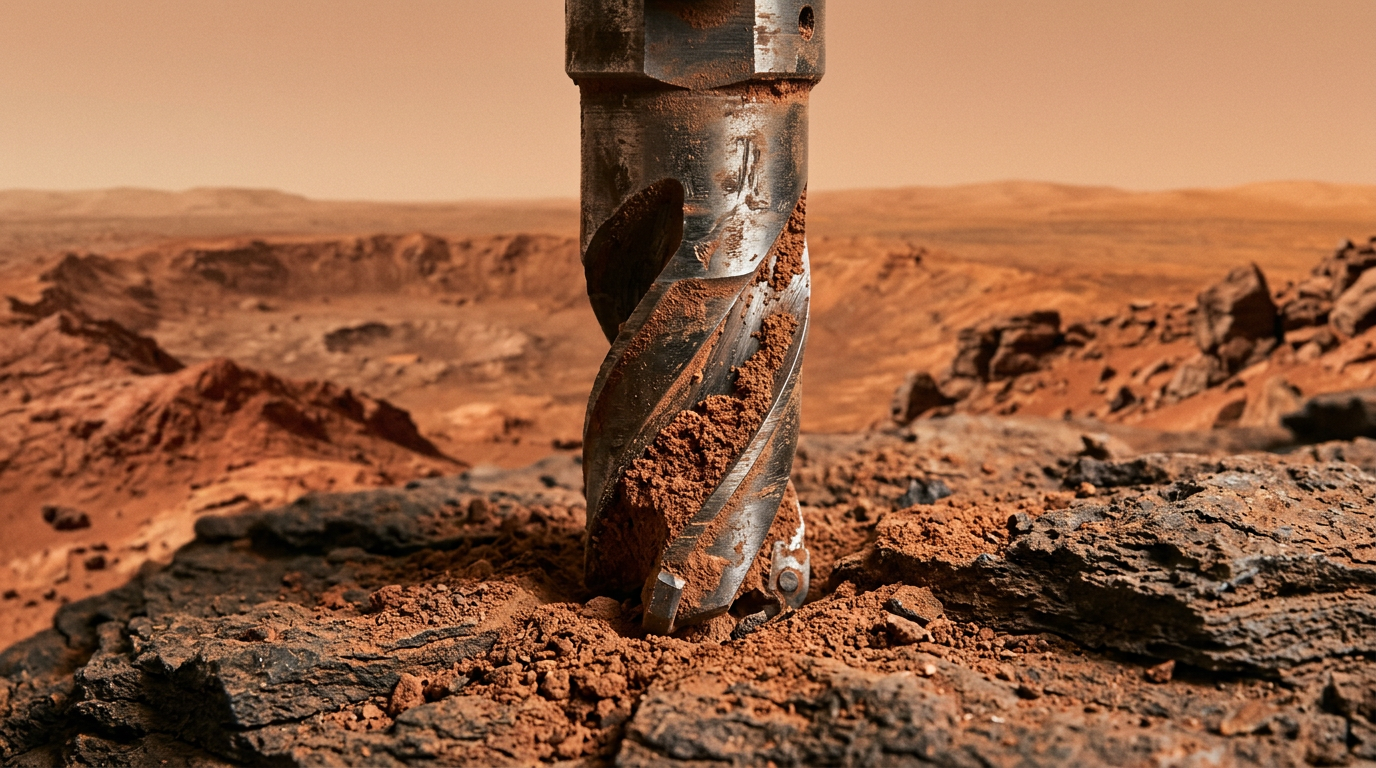
- Thermal Drilling: Drills heated to sublimate ice into vapor, then condense it into liquid water.
- Microwave Heating: Targeted heating of ice deposits to efficiently release water.
Water supports:
- Life Support Systems (drinking water, oxygen)
- Agricultural Systems (growing food locally)
- Hydrogen Production (fuel for rockets and energy storage)
Rare-Earth Element (REE) Extraction
While REEs on Mars are present in trace amounts, small-scale extraction could produce high-value materials for essential technologies. Potential methods include:
| Method | Description | Advantages | Limitations |
|---|---|---|---|
| Solvent Leaching | Dissolves metals using chemicals | Efficient, established | Requires chemical supply from Earth |
| Electrochemical | Uses electricity to separate metals | Eco-friendly, no chemical transport | Needs stable power source |
| Mechanical Sorting | Concentrates metal-rich regolith | Low energy requirement | Only effective in high-concentration zones |
REEs such as neodymium and dysprosium could be critical for permanent magnets in motors, generators, and renewable energy systems.
Why SpaceX’s 2026 Mission is a Game-Changer
The 2026 mission is more than exploration—it is a technological and strategic testbed for off-world resource utilization:
- Payload Efficiency: Extracting and producing materials locally reduces launch weight and costs.
- Technology Validation: Provides real-world testing for 3D printing, ISRU processing, and autonomous mining systems.
- Economic Opportunity: Early off-world mining could create high-value products and enable commercial ventures.
- Strategic Leadership: Establishes expertise in interplanetary resource utilization, positioning SpaceX and its partners as pioneers in a new space economy.
Integrating Robotics and AI in Off-World Mining
Automation will be crucial for Mars operations. Human labor will be limited and expensive, so AI-driven robotics are expected to handle most resource collection, processing, and habitat construction tasks.
Applications include:
| Technology | Role | Benefits |
|---|---|---|
| Autonomous Drills | Extract ice and regolith | Continuous operation, precise targeting |
| Smart Sorting Robots | Identify metal-rich or REE-rich soil | Higher yield, reduced human error |
| Drones & Mobile Robots | Survey terrain, monitor equipment | Safety, real-time data collection |
This integration of robotics and AI mirrors Earth-based smart mining systems, adapted for Mars’ harsh environment.
Challenges of Off-World Mining
Despite the promise, mining on Mars poses unique challenges:
- Harsh Environment: Low temperatures, radiation, dust storms, and low gravity complicate operations.
- Energy Supply: Mining equipment and processing facilities require reliable power sources—solar arrays or small nuclear reactors.
- Remote Operation: Autonomous systems must operate independently, with minimal human intervention.
- Low REE Concentration: Extracting trace REEs will require highly efficient separation technologies.
Overcoming these challenges will provide critical lessons for future Mars colonization and asteroid mining.
Economic and Strategic Implications
Off-world mining has the potential to create a new industrial frontier:
- Cost Reduction: Local sourcing reduces the need to transport heavy payloads from Earth.
- High-Value Materials: Even small quantities of REEs can support scientific instruments, electronics, and renewable energy systems.
- Commercial Ventures: Early-stage mining could attract private investment for Martian infrastructure, research, and eventual export ventures.
Potential Off-World Mining Benefits:
| Benefit | Impact on Mission |
|---|---|
| Reduced Payload Costs | Lower launch mass, cost savings |
| High-Value Materials | Magnets, electronics, fuel production |
| Sustainable Operations | Self-sufficiency reduces reliance on Earth |
| Strategic Advantage | Early mastery of interplanetary resource extraction |
Steps Toward a Martian Mining Economy
The 2026 mission may focus on small-scale, high-impact experiments:
- Extract water ice and produce drinking water and hydrogen fuel.
- Process regolith into construction materials for 3D-printed habitats and tools.
- Conduct pilot REE extraction to test technology and prepare for future expansion.
- Deploy autonomous robots and AI systems to validate operational strategies.
Mars Mining Timeline:
| Year | Milestone | Goal |
|---|---|---|
| 2026 | First human landing & ISRU tests | Extract water, produce small-scale metals, test robotics |
| 2028 | Small-scale REE extraction | Produce high-value components for electronics and power systems |
| 2030+ | Expanded mining operations | Support multiple habitats, large-scale fuel production, and scientific research |
Conclusion
SpaceX’s 2026 Mars mission represents more than human exploration—it could be the starting point for humanity’s first interplanetary mining economy. By leveraging Martian resources, from water and regolith to rare-earth elements, the mission lays the foundation for sustainable operations, technological advancement, and economic opportunity.
Strategic thinkers like Mattias Christian Knutsson, an expert in global procurement and business development, emphasize that early off-world resource utilization is not just a technical challenge but a strategic imperative. He notes: “The ability to harness resources off-world fundamentally changes the equation for space exploration. Each kilogram sourced locally is a step toward sustainable human presence beyond Earth.”
By combining cutting-edge robotics, AI, and ISRU technology, SpaceX’s mission could transform Mars into a proving ground for sustainable mining, industrial self-sufficiency, and the expansion of human civilization into space.