History tells us that the world economy can be shaken not only by wars or pandemics but by something as simple as restrictions on critical resources. Oil shocks defined the 1970s. Semiconductor shortages rattled the 2020s. Now, as of late 2025, rare earth elements (REEs) are emerging as the flashpoint of what many are calling “Supply Chain Shock 2.0.” New tariffs on REEs threaten global tech and defense supply chains. Discover the risks, ripple effects, and strategic responses shaping 2025 and beyond.
On August 28, 2025, the United States, citing national security and supply chain resilience, announced sweeping tariffs of up to 25% on Chinese rare earth exports. China, which currently controls about 60–70% of global REE production and over 85% of processing capacity, immediately threatened retaliatory restrictions. The move followed months of escalating trade tensions and increasing recognition of rare earths’ role in everything from smartphones and electric vehicles to missile guidance systems and fighter jets.
The ripple effects were instant: tech stocks dipped, EV manufacturers raised alarms, and defense contractors quietly began recalculating procurement costs. Analysts warn that this could be the most significant supply chain disruption since the semiconductor shortages of 2020–2022—only this time, the stakes are not just economic, but geopolitical.
This blog dives into why tariffs on rare earths matter, how they could reshape global tech and defense industries, and what this means for the next decade of supply chain strategy.
Why Tariffs on REEs Matter?
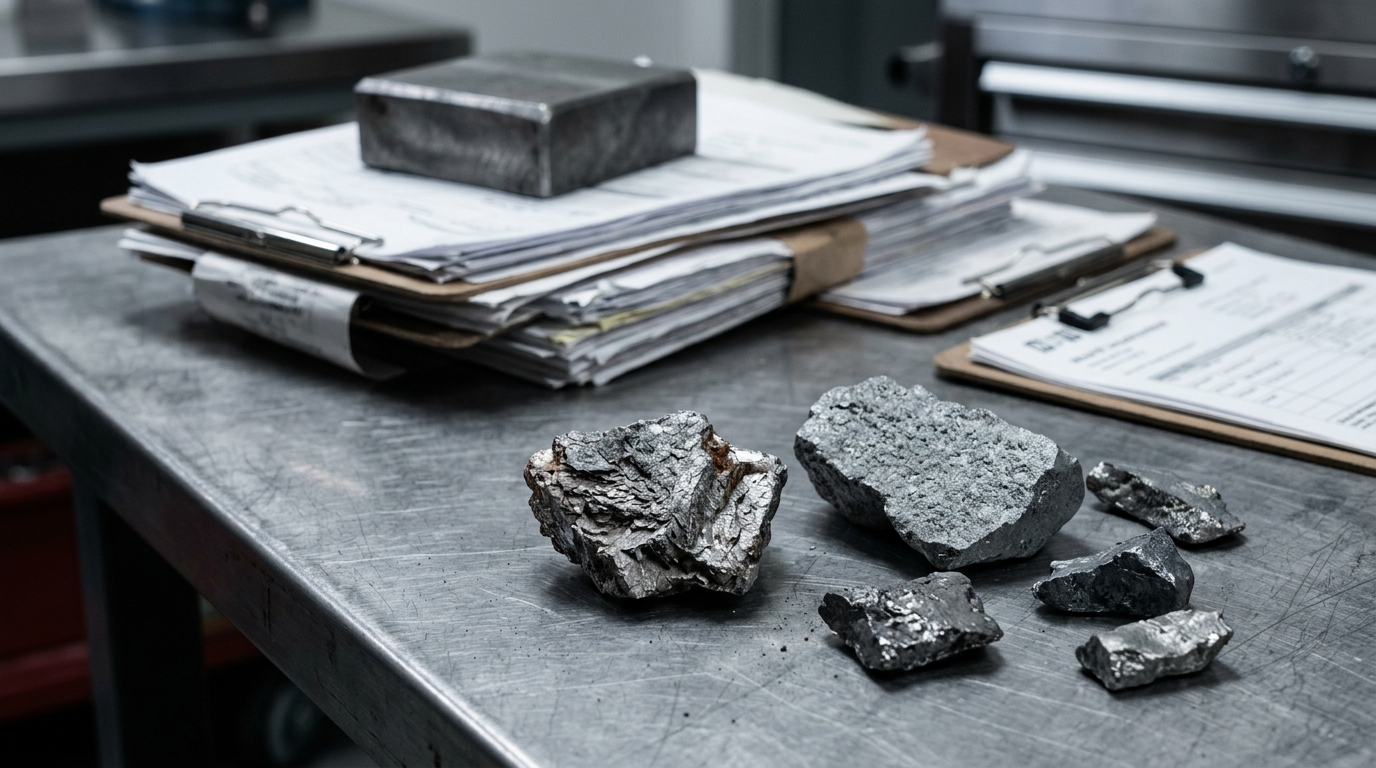
Rare earths are a group of 17 chemically similar elements including neodymium, dysprosium, terbium, and yttrium. While not actually “rare” in geological terms, they are rarely found in concentrated deposits and require complex, environmentally taxing processing.
They are indispensable for modern technology:
- Smartphones & Laptops: Miniaturized magnets and displays.
- Green Energy: Wind turbines rely on neodymium magnets, EV batteries require lanthanum and praseodymium.
- Defense: F-35 fighter jets need nearly 400 kg of rare earths each; missile guidance systems and radar are packed with REE-based components.
- AI & Computing: Servers and GPUs require yttrium-stabilized ceramics and neodymium magnets for cooling systems.
In short, without rare earths, the digital economy stalls and the defense sector weakens.
Tariffs on REEs as a Tool: A Double-Edged Sword
The new U.S. tariffs are designed to encourage diversification away from Chinese supply dominance. Yet, as with many tariffs, they are a double-edged sword:
- Pros:
- Signals seriousness about reducing dependence on China.
- Could accelerate domestic and allied production (U.S., Canada, Australia).
- Encourages recycling and alternative materials R&D.
- Cons:
- Raises immediate costs for manufacturers.
- Risks retaliation from China, which could restrict exports further.
- Could slow down EV adoption and renewable energy targets due to higher input costs.
As one Wall Street analyst put it: “This is not like tariffs on steel or textiles—rare earths are irreplaceable in many applications. Even short-term disruptions cascade across multiple industries.”
Impact on Technology Industries
Consumer Electronics
Apple, Samsung, and other giants source REEs heavily from China. With tariffs, the cost of each smartphone could rise by $10–15, a small figure per unit but massive across global sales volumes of over 1.2 billion smartphones annually.
Electric Vehicles
Tesla, BYD, and Volkswagen are already warning of production bottlenecks. Each EV requires about 2–3 kg of rare earth magnets. A 20% increase in REE prices could add $200–$500 per vehicle, threatening affordability at a time when EV adoption is critical for climate targets.
Semiconductors and AI Chips
NVIDIA and AMD rely on yttrium and other REEs for specialized chip production and cooling systems. While silicon dominates, without REEs in supporting roles, chip performance suffers.
Impact on Defense and Security
Perhaps the most sensitive arena is defense.
- Missiles: Rare earths are integral to guidance and targeting.
- Fighter Jets: The Pentagon has openly acknowledged dependence on Chinese REEs for F-35 programs.
- Naval Systems: Submarine sonar relies heavily on terbium and dysprosium.
The Pentagon’s own reports estimate that over 90% of critical defense rare earth needs are currently met by imports, with China a dominant supplier. Tariffs thus hit at a strategic vulnerability—forcing rapid reassessment of defense procurement chains.
The Global Chessboard: Geopolitics of REEs
China’s Leverage
China has long wielded rare earths as a geopolitical tool. In 2010, it restricted exports to Japan amid territorial disputes, causing global price spikes of over 300%. Its immediate response to U.S. tariffs suggests it could repeat the tactic.
Allies and Alternatives
- Australia: Lynas Rare Earths, the largest non-Chinese producer, is scaling capacity.
- Canada & Greenland: Rich deposits but face environmental and indigenous land concerns.
- Africa: Tanzania and Malawi hold potential, though infrastructure challenges persist.
Recycling and Innovation
The EU and U.S. are investing in REE recycling programs and alternatives like ferrite magnets. However, these solutions are 5–10 years away from scale.
The Economic Fallout: Supply Chain 2.0
The rare earth shock is not isolated—it overlaps with existing supply chain fragilities exposed during COVID-19 and semiconductor shortages. McKinsey estimates that disruptions in rare earth supply could cause $1–2 trillion in economic impact globally by 2030 if not addressed.
- Stockpiling: Nations are hoarding REEs as they once did with oil.
- Price Volatility: Markets saw a 17% spike in neodymium prices within a week of the tariff announcement.
- Strategic Realignment: Tech firms are lobbying for subsidies, mirroring the CHIPS Act playbook.
Smaller Players: Caught in the Middle
For small and medium-sized manufacturers, especially in medical devices, automotive parts, and clean energy startups, tariffs are devastating. They lack the leverage to negotiate long-term supply contracts and are forced to absorb higher costs.
Some may innovate by shifting to alternative materials or recycling partnerships, but many risk being squeezed out entirely—just as semiconductor shortages shuttered smaller electronics companies in 2021–22.
The Defense of Tomorrow: National Security Meets Industrial Policy
The tariffs on REEs highlight a broader truth: supply chains are no longer just economic—they are national security assets.
The U.S., EU, and Japan are now rolling out strategic mineral strategies akin to Cold War stockpiles. The question is not whether these measures will be costly—they will—but whether the cost is worth the insurance of independence from adversarial suppliers.
Conclusion:
The story of tariffs on REEs is more than another trade war headline. It is a glimpse into the fragile scaffolding of modern life—how every phone, every EV, every missile depends on a handful of minerals concentrated in one country.
The tariffs of 2025 will almost certainly disrupt industries, raise prices, and spark political friction. But they may also accelerate diversification, spur innovation in recycling, and force nations to confront uncomfortable truths about dependence.
As Mattias Knutsson, Strategic Leader in Global Procurement and Business Development, notes: “In procurement, shocks expose hidden dependencies. The leaders who succeed are those who use crises not just to react, but to re-architect supply chains for resilience. Rare earths are not just a commodity—they are a test of strategic foresight.”
Supply Chain Shock 2.0 is here. The challenge now is whether governments, businesses, and innovators can turn disruption into resilience—and scarcity into opportunity.
More related posts: