
Wars are often analyzed through strategy, missile ranges, and political calculations. But their true impact is measured in hospital wards, empty classrooms, grounded aircraft, and anxious households.
In the wake of coordinated U.S.–Israel strikes on Iran and the subsequent Iranian retaliation, the human and economic cost of escalation has become painfully visible. What began as a targeted military operation has rippled outward, affecting civilians in Tehran, families in Israeli cities, travelers across continents, and markets worldwide.
The conflict is no longer just a geopolitical standoff. It is a lived reality for millions.
Tehran: A Capital Shaken
Tehran, a sprawling metropolis of nearly nine million people, woke to shockwaves and sirens.
Residents reported hearing multiple explosions in the early hours as strikes targeted military and strategic facilities. While officials emphasized that targets were defense-related, the force of the blasts carried far beyond their intended zones.
Windows shattered in nearby residential districts. Cars were damaged by falling debris. Emergency responders navigated smoke-filled streets. Ambulances moved quickly through traffic-clogged avenues.
Hospitals in central Tehran reported treating civilians for injuries caused by blast pressure, flying glass, and structural collapses. In some neighborhoods, power outages followed the strikes, leaving entire blocks in darkness for hours. Water systems experienced temporary interruptions in affected areas.
For families, uncertainty replaced routine. Parents kept children indoors. Grocery stores saw surges in demand. Fuel stations faced long queues as residents prepared for the possibility of prolonged instability.
The psychological shift was immediate. A city accustomed to tension but not constant direct bombardment now faces the reality of vulnerability.
Schools and Civilian Spaces Caught in the Crossfire
One of the most distressing developments has been the impact on schools and civilian facilities during retaliatory exchanges.
In a tragic incident, debris from intercepted missiles reportedly fell near a school compound, injuring students and staff. Emergency services transported the wounded for treatment. Authorities have not released comprehensive casualty numbers, but images circulating online show damaged buildings and shaken families.
Across several districts, educational institutions closed temporarily as a precaution. Teachers communicated remotely with parents. Exams were postponed. Children, already exposed to sirens and alerts, now face disrupted schooling and heightened anxiety.
Civilian infrastructure often lies near strategic facilities in dense urban environments. Even when military targets are precise, the surrounding community feels the impact.
In Israel, similar scenes unfolded. Air raid sirens sent families rushing to shelters. Schools in vulnerable areas suspended classes. Public transportation slowed during high-alert periods.
For children on both sides, war has replaced routine with fear.
Regional Reverberations: Beyond Borders
The shockwaves extended far beyond Iran and Israel.
As Iranian missiles and drones targeted Israeli territory and U.S. installations in the Gulf, defensive systems activated across neighboring countries. Residents in Bahrain and Qatar reported hearing loud explosions as air defenses intercepted incoming threats.
Governments quickly elevated security levels. Military units reinforced key installations. Civil aviation authorities issued emergency advisories.
For Gulf nations, the situation is deeply unsettling. Many host U.S. military bases. At the same time, they maintain economic ties with Iran. Escalation places them in a precarious position.
Even where no direct strikes occurred, the fear of spillover reshaped daily life.
Aviation Disruption: More Than 700 Flights Affected
Perhaps the most visible economic disruption has unfolded in the skies.
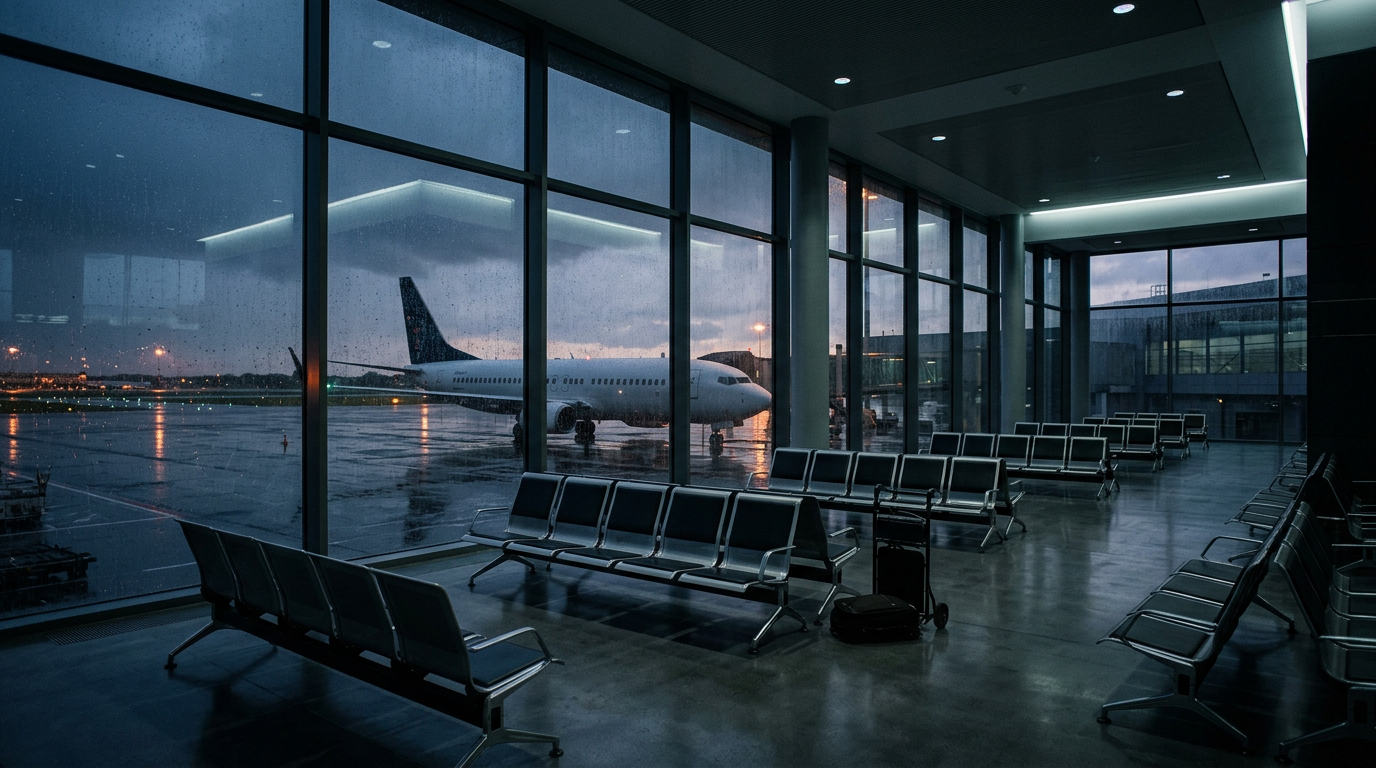
Within 24 hours of the escalation, more than 700 flights were canceled, delayed, or rerouted due to widespread airspace closures. Iranian, Israeli, Iraqi, and portions of Gulf airspace were either restricted or placed under tight military control.
Major international carriers suspended routes. Aircraft already en route were diverted mid-flight. Some journeys between Europe and Asia added several hours due to rerouting around closed corridors.
Airlines face mounting costs. Longer routes increase fuel consumption. Crew scheduling becomes complex. Aircraft rotations fall behind schedule.
Passengers face uncertainty. Families are stranded in transit hubs. Business travelers miss meetings. Pilgrims, students, and migrant workers find themselves caught in a rapidly changing travel environment.
Global aviation networks rely on predictable corridors. Even temporary closures create cascading logistical strain.
Insurance premiums for flights crossing high-risk zones are rising. Analysts warn that prolonged restrictions could reshape route planning and ticket pricing.
The conflict has turned the Middle East — a critical aviation crossroads — into a zone of caution.
Economic Shockwaves Across Global Markets
Energy markets reacted quickly.
Oil prices surged in early trading sessions as investors assessed risks to shipping lanes near the Strait of Hormuz. Roughly a fifth of global oil supply transits through this narrow waterway. Even limited military activity raises fears of disruption.
Stock markets displayed volatility. Defense stocks climbed. Airline and tourism shares dropped sharply. Shipping companies reviewed security protocols for vessels operating near contested waters.
Small and medium-sized businesses also feel the impact. Travel cancellations affect hotels and tour operators. Importers and exporters adjust to fluctuating fuel costs. Consumers brace for potential price increases in goods linked to energy transport.
Economic consequences often outlast the initial military exchange.
Digital Disruption and Information Anxiety
Beyond physical damage, digital disruptions have amplified uncertainty.
Internet slowdowns in parts of Iran followed the strikes, as authorities sought to manage communications. Social media platforms flooded with unverified videos and conflicting casualty reports.
Misinformation spreads rapidly in times of crisis. Rumors about further strikes circulate quickly. Families struggle to distinguish confirmed updates from speculation.
Governments across the region monitor online narratives closely. Information control becomes part of crisis management.
For civilians, the digital space becomes both lifeline and source of stress.
The Human Toll: Fear, Fatigue, and Fragility
The human cost of conflict extends beyond physical injury.
Psychologists warn that repeated exposure to sirens, explosions, and uncertainty can create lasting trauma, especially for children. Sleep disruptions rise. Anxiety intensifies. Families experience emotional strain.
Hospitals prepare not only for physical casualties but also for mental health cases. Aid organizations report increased hotline activity.
Even those not directly harmed feel the weight of instability. The unpredictability itself becomes a burden.
War’s impact is cumulative. Each night of uncertainty adds to fatigue.
Humanitarian Organizations Prepare for Escalation
International aid groups are mobilizing resources in anticipation of potential escalation.
Medical supplies are being positioned in strategic locations. Relief agencies are coordinating with local authorities. Contingency plans for displacement are under review.
While large-scale displacement has not yet occurred, humanitarian organizations stress that urban conflict can escalate rapidly. Damage to water systems or power grids could trigger secondary crises.
International bodies are urging all sides to protect civilian infrastructure and adhere strictly to humanitarian law.
The window to prevent deeper humanitarian fallout remains open — but narrowing.
A Region Interconnected by Consequences
Modern conflicts do not remain localized.
Airspace closures in Tehran affect passengers in Singapore. Oil price volatility influences consumers in Europe. Insurance risk assessments shift in global shipping markets.
The Middle East sits at a strategic crossroads for energy, aviation, and trade. When instability strikes, its effects travel quickly.
From damaged neighborhoods in Tehran to crowded departure halls in Frankfurt and Dubai, the crisis resonates across continents.
Conclusion: The Civilian Cost Comes Into Focus
Military leaders speak of deterrence. Politicians speak of security. Diplomats speak of stability.
But civilians speak of safety, schooling, shelter, and certainty.
Explosions in Tehran. Injured students. Families in shelters. More than 700 flights disrupted. Markets rattled. Anxiety spreading across borders.
The broader fallout reveals a fundamental truth: even limited military operations carry expansive human consequences.
As diplomatic efforts continue and military strategies evolve, the civilian toll grows clearer.
From city streets to global skies, the human side of this conflict is no longer secondary. It is central.




