
Summary
China’s Belt and Road Initiative (BRI) has transformed Central Asia into a strategic hub of global infrastructure investment. With over $25 billion invested in the region in just the first half of 2025, the region has become one of the fastest-growing BRI corridors. The initiative is driving energy, mining, logistics, and digital infrastructure while reshaping trade flows and geopolitical dynamics.
Key Takeaways
- Central Asia attracted approximately $25 billion in Belt and Road investments in the first half of 2025, highlighting its growing importance within China’s global strategy.
- Kazakhstan alone received around $23 billion, making it the region’s dominant investment destination.
- Globally, BRI engagement reached nearly $124 billion in the same period, reinforcing the initiative’s continued momentum.
- Since its launch in 2013, China’s cumulative BRI investment has exceeded $1.3 trillion, with Central Asia accounting for more than half of China’s Eurasian foreign direct investment stock.
The Belt and Road infrastructure strategy in Central Asia is centered on building energy corridors, expanding mining capacity, developing logistics networks, and strengthening digital connectivity. Backed by billions in Chinese investment, it is accelerating regional economic integration and transforming Central Asia into a vital bridge between Asia and Europe, while also raising important questions around debt sustainability, geopolitical influence, and long-term development outcomes.
Why Central Asia Matters More Than Ever
Central Asia—stretching across Kazakhstan, Uzbekistan, Kyrgyzstan, Tajikistan, and Turkmenistan—has re-emerged as one of the most strategically significant regions in the global economy. Historically known as the heart of the ancient Silk Road, the region is now witnessing a modern revival through China’s Belt and Road Initiative (BRI), which seeks to rebuild and expand transcontinental connectivity.
Since its launch in 2013, the BRI has evolved into a comprehensive framework that goes far beyond infrastructure construction. It now encompasses trade facilitation, industrial development, financial cooperation, and digital integration. Within this broader vision, Central Asia has moved from the periphery to the center, driven by its unique geographic position, abundant natural resources, and increasing geopolitical relevance.
Recent data illustrates this shift clearly. In the first half of 2025 alone, global BRI engagement reached approximately $124 billion, with Central Asia capturing a significant $25 billion share. This concentration of investment signals a strategic recalibration, where China is focusing more deeply on regions that offer both economic returns and long-term strategic value.
This article takes a closer look at how the Belt and Road strategy is unfolding in Central Asia, combining statistical insights with a deeper exploration of its economic, political, and social implications.
What Is the Belt and Road Strategy in Central Asia?
The Belt and Road strategy in Central Asia is best understood as a multi-dimensional development model that integrates infrastructure, trade networks, and regional cooperation into a unified framework. Rather than being limited to isolated projects, it represents a coordinated effort to reshape how goods, energy, and information flow across Eurasia.
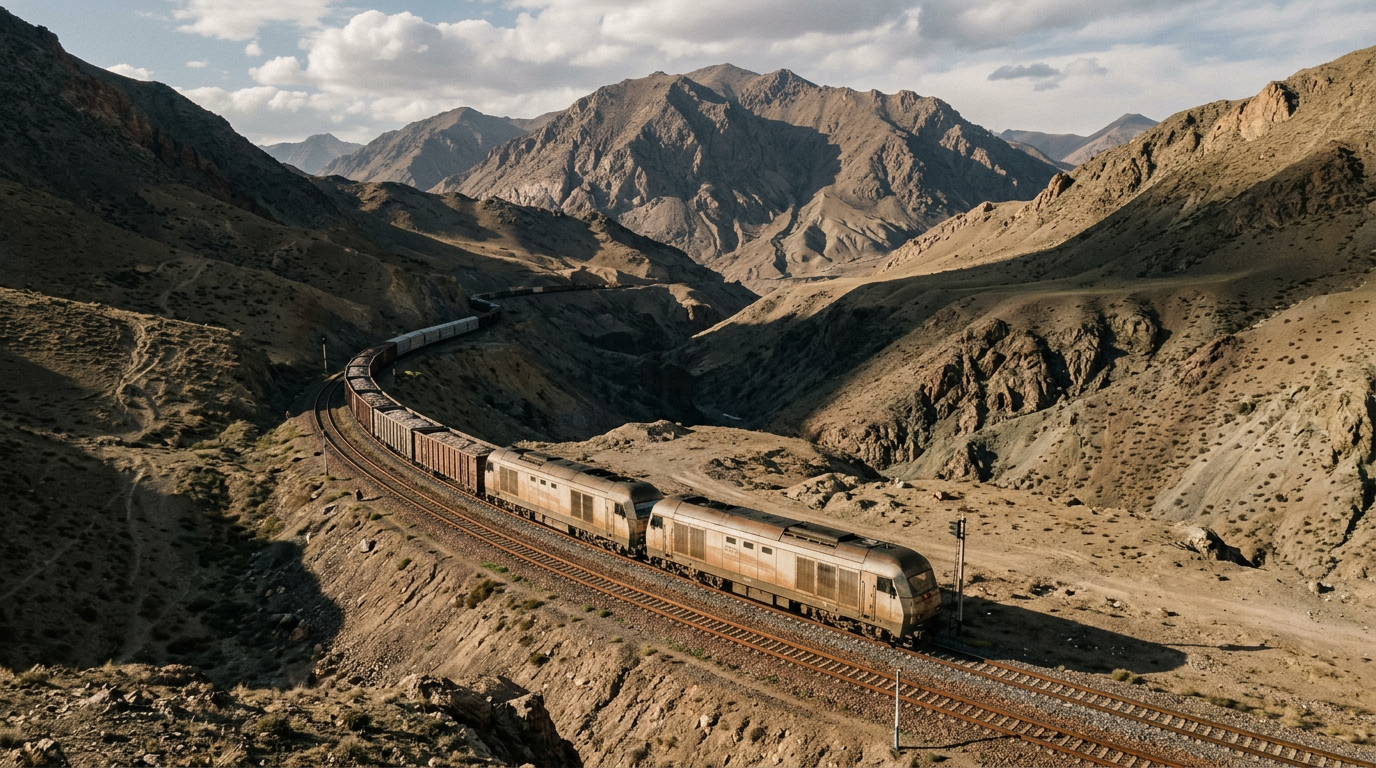
Transport corridors form the backbone of this strategy, but their role extends beyond simply connecting cities. Modern BRI transport systems incorporate advanced logistics hubs, streamlined customs processes, and digital tracking technologies that significantly reduce transit times and costs. As a result, overland trade routes between China and Europe have become increasingly competitive with maritime shipping, particularly for high-value goods.
Energy infrastructure is another critical pillar, reflecting Central Asia’s rich reserves of oil, natural gas, and hydropower. Investments in pipelines, power plants, and electricity grids are not only facilitating exports but also strengthening domestic energy systems. This dual impact supports both economic growth and social development, particularly in countries where energy access has historically been uneven.
Industrial development plays a complementary role by ensuring that infrastructure investments translate into long-term economic gains. Special economic zones and industrial clusters are being established to attract foreign investment, promote manufacturing, and encourage technology transfer. This shift is gradually helping Central Asian economies move up the value chain.
The Digital Silk Road adds a forward-looking dimension to the strategy. By investing in telecommunications networks, data infrastructure, and smart technologies, China is helping to build a digital ecosystem that enhances efficiency across all sectors. This digital layer is becoming increasingly important as economies worldwide transition toward technology-driven growth.
Investment Scale and Growth Trends
📊 BRI Investment Snapshot (2025)
- Total global engagement (H1 2025): $124 billion
- Central Asia share: $25 billion
- Kazakhstan alone: $23 billion
- Energy sector share: ~35% of investments
- Metals & mining: ~20% of investments
📊 Long-Term Trends
- Total BRI investment since 2013: $1.3 trillion
- China-Central Asia trade (2023): $89.4 billion (+27%)
- FDI stock in Central Asia: $35.9 billion by mid-2025
Why Is Central Asia a Strategic Priority for China?
Central Asia occupies a uniquely important position in China’s long-term strategic planning, not only because of its geography but also due to its economic and geopolitical potential. The region serves as a critical land bridge connecting China to Europe and the Middle East, offering an alternative to maritime routes that are often vulnerable to geopolitical tensions and logistical bottlenecks.
Beyond geography, Central Asia is a vital source of natural resources that are essential for China’s industrial and technological ambitions. The region’s reserves of hydrocarbons and critical minerals provide a stable and relatively accessible supply, reducing China’s dependence on distant and potentially unstable markets.
From a geopolitical perspective, Central Asia also functions as a buffer zone that contributes to regional stability. Strong economic ties with neighboring countries help create a more predictable environment, which is particularly important for long-term infrastructure investments. At the same time, these investments strengthen China’s influence, fostering deeper economic interdependence and reinforcing its role as a key regional partner.
How Infrastructure Projects Are Transforming the Region
The impact of Belt and Road infrastructure projects in Central Asia is both tangible and far-reaching, influencing everything from trade patterns to everyday life. Transport infrastructure has significantly improved connectivity, turning previously isolated regions into active participants in international trade. Faster transit times and lower logistics costs have made it easier for businesses to access new markets, boosting competitiveness and encouraging entrepreneurship.
Energy projects are equally transformative. By modernizing power generation and distribution systems, these investments are helping countries achieve greater energy security while also supporting industrial expansion. In many cases, they are enabling a transition toward more sustainable energy sources, which is increasingly important in the context of global climate challenges.
Industrial development is reshaping local economies by creating opportunities for value-added production. Instead of relying solely on the export of raw materials, countries are beginning to develop processing and manufacturing capabilities. This shift not only increases economic resilience but also generates employment and fosters skill development.
Digital infrastructure is adding another layer of transformation by connecting people, businesses, and governments in new ways. Improved internet access and digital services are facilitating innovation, expanding financial inclusion, and enhancing governance. Together, these changes are gradually redefining the economic landscape of Central Asia.
Economic Impact: Growth, Trade, and Jobs
The economic impact of the Belt and Road Initiative in Central Asia is multifaceted, encompassing trade expansion, infrastructure-driven growth, and social development. As China has become the region’s largest trading partner, cross-border commerce has increased significantly, leading to greater integration into global value chains. This integration is opening up new opportunities for local businesses while also attracting foreign investment.
Infrastructure plays a central role in this process by acting as a catalyst for economic activity. Improved transport and energy systems reduce operational costs and create a more favorable environment for business development. Over time, these improvements contribute to higher productivity and more sustainable economic growth.
Employment generation is another important outcome, particularly in sectors such as construction, logistics, and manufacturing. While many jobs are created during the construction phase, the long-term benefits lie in the development of a skilled workforce capable of supporting more advanced industries. In addition, improved infrastructure contributes to better access to education, healthcare, and other essential services, enhancing overall quality of life.
Challenges and Criticism: A Balanced View
Despite its many benefits, the Belt and Road Initiative in Central Asia also faces significant challenges that cannot be overlooked. One of the most prominent concerns is debt sustainability, as some countries have taken on substantial loans to finance infrastructure projects. This raises questions about their ability to manage repayments without compromising fiscal stability.
Another issue is the uneven distribution of benefits across the region. Larger economies with more developed infrastructure tend to attract a greater share of investment, while smaller countries may struggle to fully capitalize on the opportunities presented by the BRI. This imbalance can lead to disparities in economic development and regional integration.
Environmental considerations are also becoming increasingly important. Large-scale infrastructure and resource extraction projects can have significant ecological impacts, including habitat disruption and increased emissions. Addressing these concerns will require a stronger emphasis on sustainable practices and environmental safeguards.
Finally, governance and transparency remain areas of concern. Ensuring that projects are implemented in a fair and accountable manner is essential for building public trust and achieving long-term success.
What Sectors Are Driving the Future of BRI in Central Asia?
As the Belt and Road Initiative enters its next phase, the focus is shifting toward sectors that align with global trends in sustainability and technological innovation. Green energy is emerging as a key area of investment, with Central Asia’s vast renewable resources offering significant potential for solar and wind power development.
At the same time, the region’s rich deposits of critical minerals are becoming increasingly important in the context of the global transition to electric vehicles and clean energy technologies. This is driving new investments in mining and processing, further integrating Central Asia into global supply chains.
The digital economy is another major driver of future growth. Investments in telecommunications and data infrastructure are enabling new forms of economic activity, from e-commerce to digital services. These developments are helping to modernize economies and create new opportunities for innovation.
Transport systems are also evolving, with a greater emphasis on integration and efficiency. Multimodal networks that combine rail, road, and air transport are becoming more common, supported by advanced logistics technologies that enhance coordination and reduce delays
What Does the Future Hold?
The future of the Belt and Road Initiative in Central Asia is likely to be defined by a shift from rapid expansion to more sustainable and efficient development. As the initiative matures, there will be greater emphasis on quality over quantity, with a focus on projects that deliver long-term economic and social benefits.
Private sector participation is expected to increase, bringing new expertise and investment into the region. At the same time, governments are likely to place greater emphasis on environmental standards and regulatory frameworks, ensuring that development is both inclusive and sustainable.
Regional cooperation will also play a crucial role, as Central Asian countries work together to maximize the benefits of connectivity and integration. In this evolving landscape, the region is poised to become not just a transit corridor, but a dynamic economic hub in its own right.
A Region Reimagined
The Belt and Road Initiative has fundamentally reshaped Central Asia’s position in the global economy, transforming it from a historically landlocked region into a vital connector of continents. The scale of investment, the pace of infrastructure development, and the expansion of trade networks all point to a profound and ongoing transformation.
Yet the true significance of this transformation lies not only in economic metrics but also in its broader implications. The region is experiencing a gradual shift toward greater integration, modernization, and resilience. At the same time, it faces complex challenges that require careful management, including financial sustainability, environmental protection, and equitable development.
Looking ahead, the success of the Belt and Road Initiative in Central Asia will depend on the ability of all stakeholders to balance ambition with responsibility. Strategic leaders such as Mattias Knutsson: Strategic Leader in Global Procurement and Business Development emphasize the importance of building resilient supply chains, fostering transparent partnerships, and prioritizing long-term value over short-term gains. His perspective reflects a broader shift toward more thoughtful and sustainable approaches to global development.
In this context, Central Asia is not merely a participant in the Belt and Road Initiative—it is becoming one of its defining regions. As infrastructure continues to expand and economies evolve, the region’s role in shaping the future of global trade and connectivity will only grow stronger.
FAQ
What is the main goal of BRI in Central Asia?
The main goal is to enhance connectivity, facilitate trade, and integrate Central Asia into global economic networks through infrastructure and investment.
How much has China invested in Central Asia?
China has invested tens of billions of dollars in the region, including approximately $25 billion in the first half of 2025 alone.
Which country benefits the most?
Kazakhstan is currently the largest recipient of BRI investment, followed by Uzbekistan.
Is the BRI beneficial?
The initiative has brought significant infrastructure and economic benefits, but it also raises concerns about debt, environmental impact, and long-term dependency.
What sectors are growing fastest?
Energy, mining, and digital infrastructure are among the fastest-growing sectors under the BRI.




