Summary
Mars exploration in 2026 has entered a phase of recalibration rather than rapid acceleration. NASA has effectively stepped back from its flagship Mars Sample Return program due to cost and complexity concerns, while SpaceX has delayed its Mars ambitions to prioritize lunar missions. Meanwhile, China National Space Administration is advancing steadily with its own Mars sample return plans, and a new wave of commercial players is building enabling technologies behind the scenes. The result is a more fragmented but potentially more sustainable path toward Mars exploration and eventual human settlement.
Key Takeaways
- Mars exploration in 2026 is defined less by bold timelines and more by strategic reassessment.
- Government-led programs are facing budgetary and technical constraints, while private sector innovation is quietly gaining momentum.
- China is emerging as a consistent and focused player, and the long-term roadmap to Mars is shifting toward a multi-decade, multi-actor effort rather than a single defining mission.
As of 2026, Mars exploration has slowed in terms of headline missions but is becoming more realistic and diversified, with NASA scaling back, SpaceX delaying, China advancing, and commercial companies laying the groundwork for future human missions.
A Reality Check for Mars Ambitions
Just a year ago, the narrative around Mars exploration was filled with urgency and optimism. Plans for sample return missions, human landings, and even early settlement concepts were being discussed with increasing confidence. It felt as though humanity was on the brink of a new era—one where Mars would transition from a distant scientific target to a tangible destination.
In 2026, that narrative has shifted.
The change is not one of failure but of perspective. The challenges of Mars exploration—technical, financial, and logistical—have become more apparent, prompting major players to reassess their strategies. Rather than racing toward ambitious deadlines, space agencies and companies are now focusing on building the capabilities required for long-term success.
This shift has created a more complex landscape. Progress is still being made, but it is less visible and more incremental. High-profile missions have been delayed or restructured, while quieter developments in technology and infrastructure are gaining importance.
Understanding Mars exploration in 2026 requires looking beyond headlines and examining the broader ecosystem. It is a story of recalibration, competition, and gradual advancement.
What Happened to NASA’s Mars Sample Return Program?
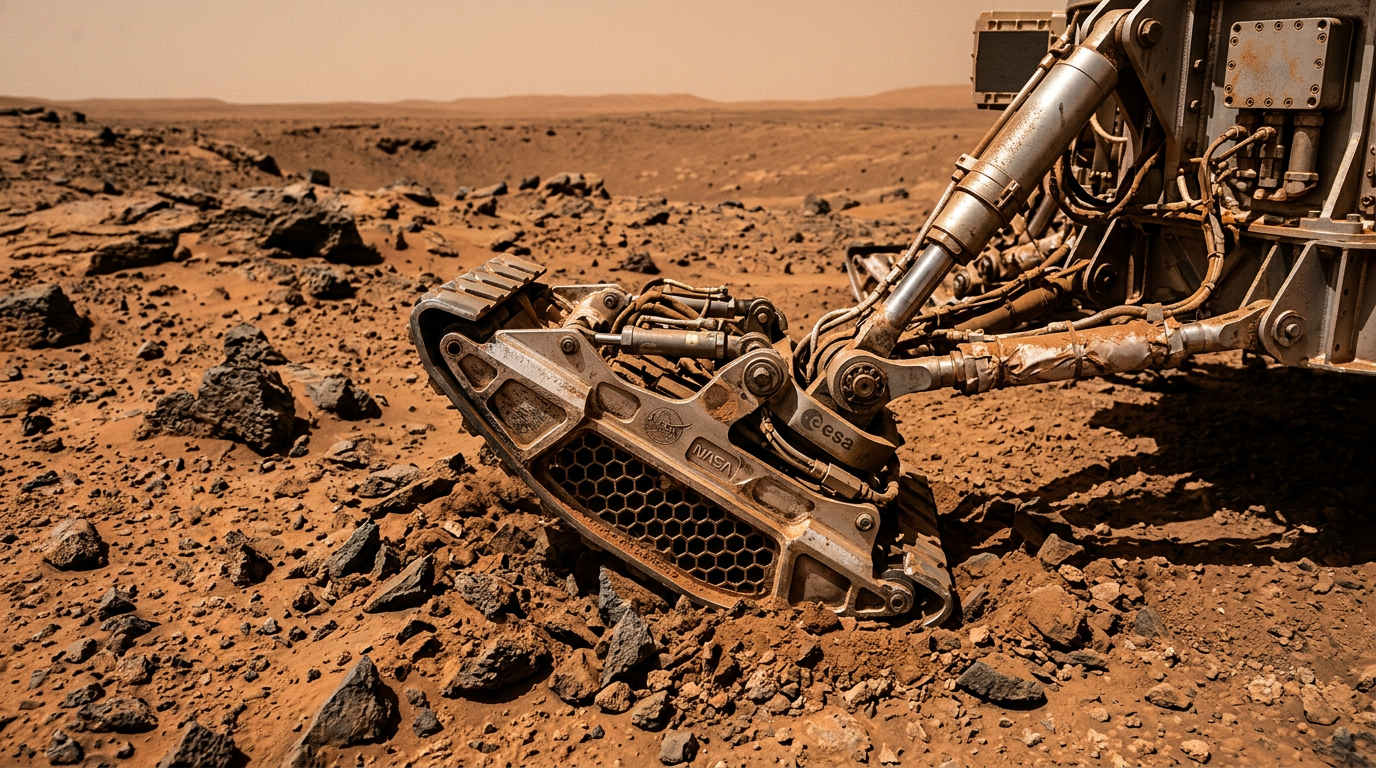
The Mars Sample Return mission was once considered one of the most important scientific endeavors of the decade. Led by NASA in collaboration with European Space Agency, the program aimed to bring samples collected by the Perseverance rover back to Earth for detailed analysis.
However, in January 2026, the program was effectively halted.
The reasons behind this decision are rooted in both cost and complexity. Estimates for the mission had risen significantly, reaching levels that were difficult to justify within existing budgets. At the same time, the technical challenges of retrieving samples from Mars, launching them into orbit, and safely returning them to Earth proved more difficult than initially anticipated.
This decision does not mean that Mars sample return is no longer a priority. Rather, it indicates a shift toward rethinking how such a mission can be achieved more efficiently. NASA is now exploring alternative approaches that could reduce costs and simplify mission architecture.
The cancellation marks a turning point. It highlights the limits of traditional, large-scale government-led programs and underscores the need for new approaches.
Why Did SpaceX Delay Its Mars Plans?
SpaceX has long been associated with ambitious plans to send humans to Mars, driven by the vision of its founder Elon Musk. The company’s Starship system was widely seen as a potential game-changer, capable of enabling large-scale missions to the Red Planet.
In February 2026, however, SpaceX announced that it would delay its Mars ambitions by several years.
The primary reason for this shift is strategic focus. The company is prioritizing lunar missions, particularly those associated with NASA’s Artemis program. These missions serve as a testing ground for technologies that will eventually be used for Mars exploration, including landing systems, life support, and in-space refueling.
This delay reflects a broader realization: reaching Mars is not just about building a powerful rocket. It requires a comprehensive ecosystem of technologies and infrastructure, many of which can be developed and tested closer to Earth.
By focusing on the Moon first, SpaceX is effectively adopting a step-by-step approach. While this may slow progress toward Mars in the short term, it increases the likelihood of success in the long term.
China’s Steady March Toward Mars
While Western programs are undergoing reassessment, China National Space Administration is moving forward with a clear and consistent strategy.
China has announced plans for its own Mars sample return mission, with a timeline that could see samples brought back to Earth before the end of the decade. This mission builds on the success of previous efforts, including the Tianwen-1 mission, which successfully placed a rover on Mars.
What sets China’s approach apart is its emphasis on incremental progress. Rather than pursuing highly complex, multi-stage missions from the outset, the CNSA has focused on building capabilities step by step. Each mission contributes to a growing foundation of experience and technology.
This approach has positioned China as a serious contender in Mars exploration. While it may not capture headlines in the same way as more ambitious announcements, its steady progress could yield significant results.
The Rise of Commercial Players
One of the most important developments in 2026 is the growing role of commercial companies in Mars exploration. While government agencies continue to lead major missions, private firms are increasingly contributing to the underlying technologies that make these missions possible.
These companies are working on areas such as propulsion systems, robotics, in-situ resource utilization, and habitat design. Their efforts are often less visible than high-profile missions, but they are essential for long-term progress.
This shift reflects a broader trend in the space industry. Exploration is no longer the exclusive domain of national agencies. Instead, it is becoming a collaborative effort involving multiple stakeholders, each contributing different capabilities.
The involvement of commercial players also introduces new dynamics. Competition can drive innovation, while partnerships can reduce costs and accelerate development.
Mars Exploration Landscape in 2026
| Player | Current Status (2026) | Key Focus | Timeline Outlook |
|---|---|---|---|
| NASA | Sample Return paused | Re-evaluation of mission design | Late 2020s or beyond |
| SpaceX | Mars plans delayed | Lunar missions and Starship testing | Early 2030s |
| CNSA (China) | Active development | Mars sample return mission | Late 2020s |
| Commercial Sector | Emerging role | Technology development | Ongoing |
Interpreting the Data
The table illustrates a fragmented but evolving landscape. No single player is dominating the field. Instead, progress is distributed across multiple actors, each pursuing different strategies.
This diversification may ultimately strengthen the overall effort. While it reduces the likelihood of a single breakthrough moment, it increases the resilience of the exploration ecosystem.
What Does the Roadmap to Mars Look Like Now?
The roadmap to Mars in 2026 is less about specific dates and more about sequential milestones.
The first stage involves continued robotic exploration. Missions focused on mapping, sampling, and environmental analysis will provide the data needed for future human missions. These efforts will also help refine technologies such as autonomous navigation and resource utilization.
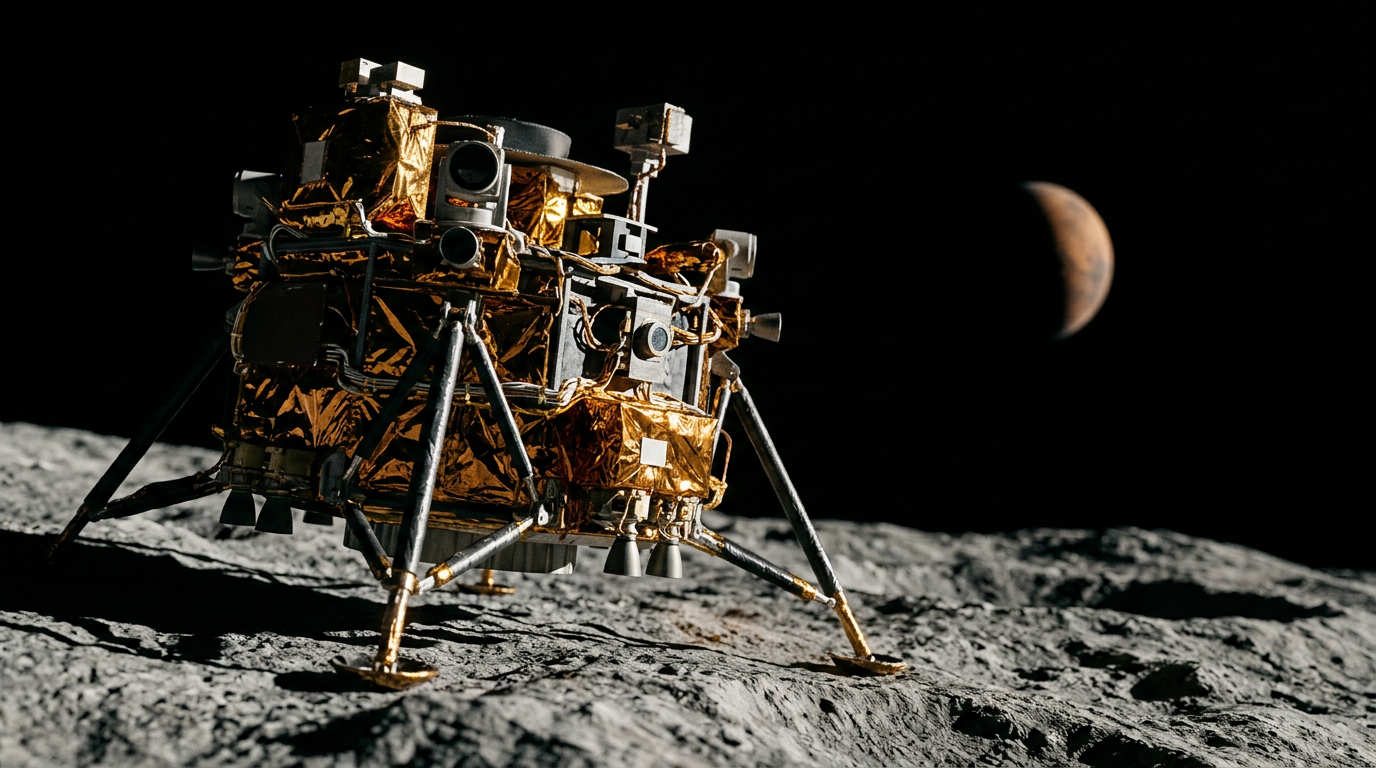
The second stage centers on lunar missions. The Moon serves as a proving ground for many of the systems required for Mars, including habitats, life support, and surface operations. Success on the Moon will reduce risks associated with Mars missions.
The third stage involves developing the infrastructure needed for deep-space travel. This includes propulsion systems, in-space refueling capabilities, and long-duration life support systems.
Finally, the fourth stage is human exploration. While timelines remain uncertain, most projections now place the first crewed missions to Mars in the early to mid-2030s.
This phased approach reflects a more realistic understanding of the challenges involved. It acknowledges that Mars exploration is not a single mission but a long-term endeavor.
Challenges That Continue to Shape Mars Exploration
Mars remains one of the most difficult destinations in the solar system. The distance alone presents significant challenges, including communication delays and the need for self-sufficient systems.
Radiation exposure is another major concern. Without the protection of Earth’s magnetic field, astronauts would be exposed to higher levels of cosmic radiation, requiring advanced shielding solutions.
Landing on Mars is also notoriously difficult. The planet’s thin atmosphere complicates descent, making it harder to slow spacecraft effectively.
These challenges are not insurmountable, but they require time, investment, and innovation to address.
A Slower but Smarter Path to Mars
Mars exploration in 2026 is not defined by dramatic breakthroughs or headline-grabbing missions. Instead, it is characterized by a quieter, more deliberate form of progress.
The setbacks and delays seen this year are not signs of failure. They are signs of maturity. They reflect a growing recognition that reaching Mars is one of the most complex challenges humanity has ever undertaken.
By stepping back, reassessing strategies, and focusing on foundational technologies, space agencies and companies are laying the groundwork for sustainable exploration. This approach may lack the excitement of rapid advancement, but it increases the likelihood of long-term success.
The journey to Mars is no longer a race. It is a collective effort, involving multiple nations, companies, and disciplines. Each step, no matter how small, contributes to a larger goal.
In this sense, 2026 may be remembered not as a year of setbacks, but as a turning point—when Mars exploration shifted from ambition to realism.
And in that realism lies the true promise of reaching the Red Planet.
FAQs
Why was NASA’s Mars Sample Return program cancelled?
The program was halted due to rising costs and technical complexity, prompting a reassessment of how to achieve the mission more efficiently.
Has SpaceX given up on Mars?
No, SpaceX has delayed its Mars plans to focus on lunar missions, which will help develop the technologies needed for future Mars exploration.
Is China ahead in Mars exploration?
China is making steady progress and could achieve a Mars sample return mission sooner than other players, but overall leadership remains shared.
When will humans go to Mars?
Current estimates suggest the first human missions could occur in the early to mid-2030s.
What role do private companies play?
Commercial companies are developing key technologies that will enable future missions, including propulsion, habitats, and resource utilization systems.