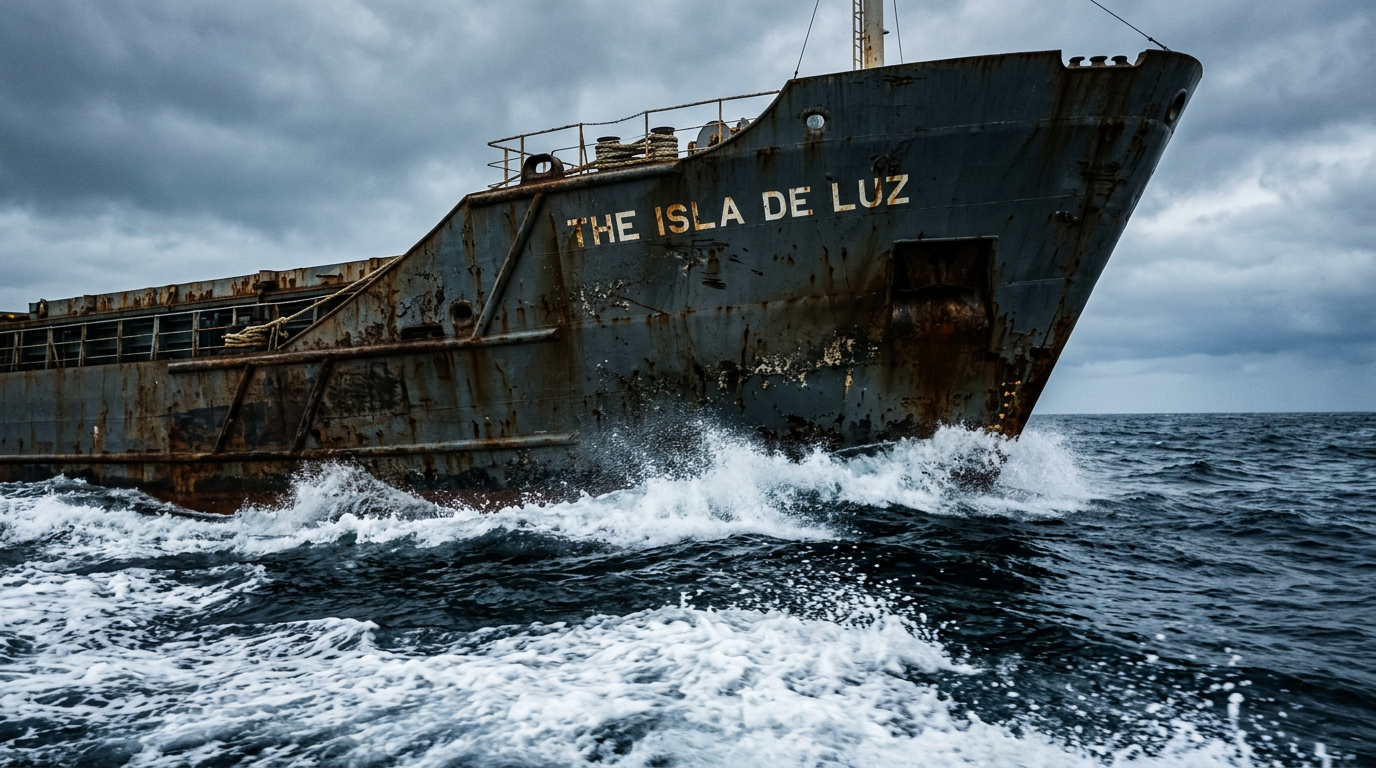
Summary
The global economy in 2026 faces mounting uncertainty as geopolitical tensions threaten stability. Under a short-lived conflict scenario, global growth is expected to slow to 3.1%, while inflation could rise to 4.4%. However, a prolonged or renewed conflict may deepen economic strain, pushing fuel prices higher and disrupting supply chains across industries. Explore the global economic outlook for 2026, including growth forecasts, inflation trends, and how geopolitical tensions could impact supply chains, fuel prices, and financial stability worldwide.
Key Takeaways
- Global growth is projected to slow to 3.1%
- Inflation may rise to 4.4%, driven by energy and logistics costs
- Renewed conflict could trigger severe supply chain disruptions
- Fuel prices remain a critical vulnerability in global markets
- Emerging economies are likely to face disproportionate risks
If geopolitical conflict remains short-lived, the global economy will slow moderately in 2026. However, if tensions escalate, the world could face higher inflation, reduced trade efficiency, and significant supply chain disruptions, impacting both developed and developing economies.
What Is Driving the Global Economic Outlook for 2026?
The global economic landscape entering 2026 is shaped by a delicate balance between recovery and risk. After years of post-pandemic stabilization, economies were expected to regain steady momentum. However, geopolitical tensions—particularly the threat of renewed conflict—have introduced fresh uncertainty into forecasts.
At present, economists estimate global GDP growth will slow to 3.1% in 2026, a noticeable decline from stronger recovery years earlier in the decade. While this figure suggests continued expansion, it reflects underlying fragility rather than robust growth.
Inflation, another critical metric, is projected to rise to 4.4% globally. This increase is largely tied to energy price volatility and ongoing supply chain inefficiencies, both of which are sensitive to geopolitical developments.
What makes this moment particularly complex is the interconnected nature of the global economy. A conflict in one region does not remain isolated—it ripples through trade routes, commodity markets, and financial systems worldwide.
How Could Conflict Impact Global Growth and Inflation?
The relationship between conflict and economic performance is both immediate and long-term. Even under the assumption of a short-lived conflict, the global economy is expected to experience measurable strain.
Immediate Effects
In the early stages of conflict, the economic consequences tend to surface rapidly. One of the first areas affected is energy supply chains. When geopolitical tensions arise in or around key oil- and gas-producing regions, supply disruptions can occur almost instantly. This leads to uncertainty in energy markets, often driving prices upward.
Transportation and logistics costs also rise sharply. Shipping routes may need to be altered to avoid conflict zones, increasing transit times and fuel consumption. Insurance premiums for cargo and vessels can spike as well, adding another layer of cost for global trade.
At the same time, investor confidence tends to weaken. Financial markets react quickly to uncertainty, often experiencing volatility as investors shift toward safer assets. This can reduce capital flows into emerging markets and slow down business investment globally.
Long-Term Risks
If conflict persists or reignites, the long-term economic implications become more pronounced. One of the most significant risks is a decline in foreign direct investment. Companies are less likely to commit capital to regions perceived as unstable, which can slow infrastructure development and economic growth.
Another major concern is the fragmentation of global trade networks. Countries may begin to prioritize regional alliances over global cooperation, leading to reduced trade efficiency and higher costs. This shift can reverse decades of globalization, making goods more expensive and less accessible.
Finally, productivity growth may suffer. Ongoing uncertainty discourages innovation and long-term planning. Businesses may focus more on risk management than expansion, which can limit technological advancement and economic dynamism.
Key Economic Projections for 2026
Here’s a snapshot of the most relevant economic indicators:
| Indicator | 2025 Estimate | 2026 Projection | Risk Scenario |
|---|---|---|---|
| Global GDP Growth | 3.4% | 3.1% | Below 2.5% |
| Global Inflation | 3.8% | 4.4% | Above 5% |
| Oil Price (Avg/Barrel) | $78 | $90+ | $110+ |
| Trade Growth | 4.2% | 3.5% | Below 2% |
These projections highlight a clear pattern: even moderate instability leads to slower growth and higher inflation. In a worst-case scenario, the global economy could approach stagflation—where growth stagnates while prices continue rising.
Why Are Supply Chains Still Vulnerable?
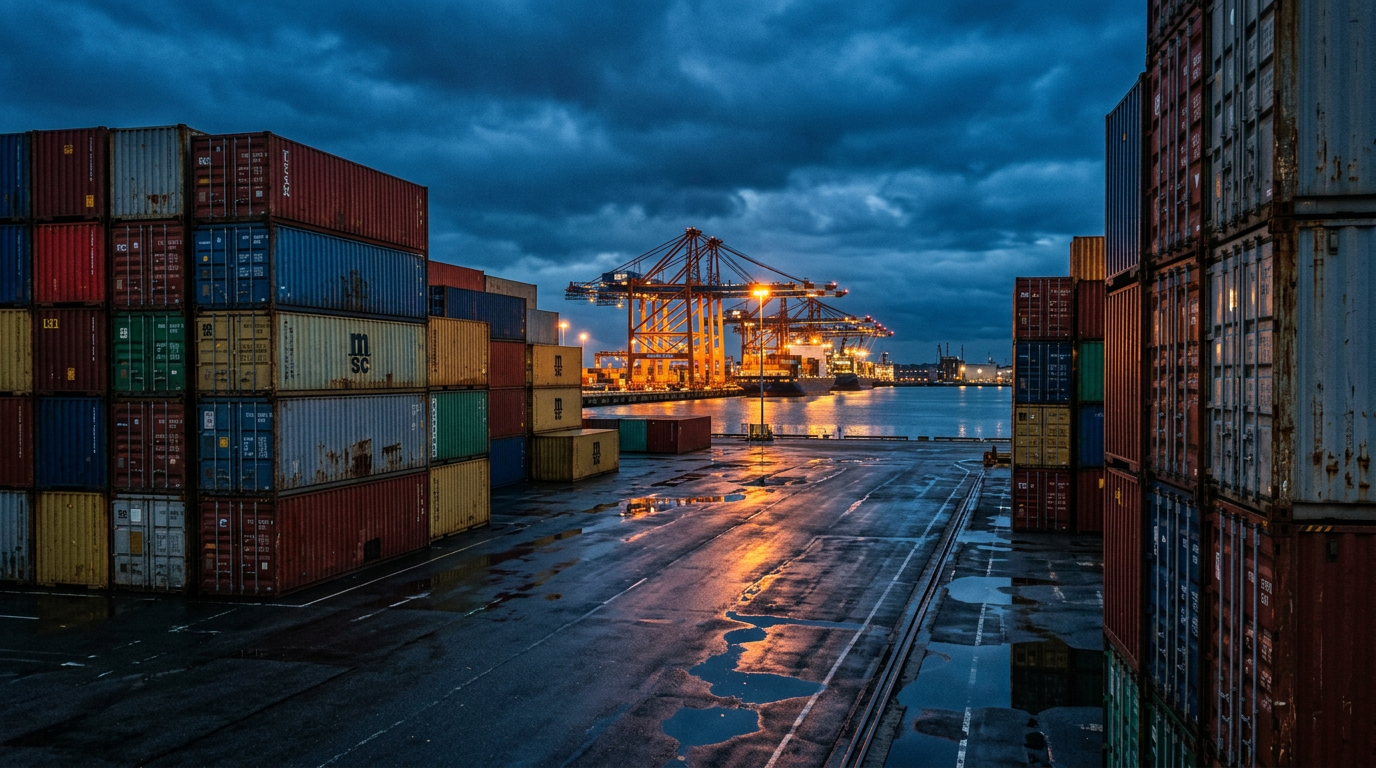
Despite improvements since the pandemic era, global supply chains remain fragile. The system is highly optimized for efficiency, not resilience. This means even small disruptions can cascade into larger problems.
Key Weak Points
One of the most significant vulnerabilities lies in the heavy reliance on specific geographic hubs. Many industries depend on a limited number of regions for critical components, such as semiconductors or raw materials. When these regions face disruption, the entire supply chain is affected.
Another issue is the lack of redundancy in shipping routes. Global trade relies on a few major corridors, including key canals and straits. Any blockage or restriction in these areas can cause widespread delays and increased costs.
Additionally, the widespread use of just-in-time inventory systems leaves little room for error. While efficient under normal conditions, this approach minimizes запас inventory, meaning companies have limited buffers to absorb shocks.
How Conflict Amplifies These Issues
Geopolitical tensions can quickly turn these vulnerabilities into full-scale disruptions. Conflict may block critical trade corridors, forcing ships to take longer, more expensive routes. This not only delays deliveries but also increases fuel consumption and costs.
Shipping insurance and security expenses also rise in unstable regions. Companies must account for higher risks, which translates into increased prices for goods.
Production cycles are another casualty. Delays in receiving raw materials or components can halt manufacturing lines, leading to reduced output and missed deadlines.
For example, disruptions in major maritime routes can add weeks to delivery times, significantly impacting global trade efficiency.
Which Regions Are Most at Risk?
Not all economies are affected equally. Emerging markets often bear the brunt of global instability due to their dependence on imports and limited fiscal flexibility.
High-Risk Regions
Energy-importing nations, particularly in parts of Asia and Africa, are especially vulnerable. These countries rely heavily on external sources for fuel, making them sensitive to price increases and supply disruptions.
Economies that depend on global trade flows also face heightened risks. When trade slows or becomes more expensive, these nations experience reduced export revenues and slower growth.
Countries with high debt levels are another at-risk group. Rising interest rates and inflation can make it more difficult to service debt, increasing the likelihood of financial instability.
More Resilient Economies
Some countries are better positioned to weather economic shocks. Nations with diversified energy sources, including renewable energy, are less exposed to fluctuations in fossil fuel prices.
Economies with strong domestic demand can rely more on internal consumption, reducing their dependence on global trade.
Additionally, countries investing in supply chain localization—bringing production closer to home—are better equipped to handle disruptions and maintain stability.
This uneven impact raises concerns about widening global inequality, as vulnerable nations struggle to absorb shocks while more resilient economies adapt more effectively.
What Role Do Fuel Prices Play in Inflation?
Fuel prices are one of the most direct channels through which conflict affects the economy. Energy costs influence nearly every sector—from transportation to manufacturing to agriculture.
When fuel prices rise, transportation becomes significantly more expensive. This affects everything from shipping goods internationally to delivering products locally.
Production costs also increase, as factories rely on energy to operate machinery and processes. These higher costs are often passed on to consumers in the form of higher prices.
Food prices are particularly sensitive to fuel costs. Agriculture depends on fuel for machinery, irrigation, and transportation, meaning energy price increases can quickly translate into higher grocery bills.
A sustained increase in oil prices to $100+ per barrel could add 1–1.5 percentage points to global inflation. This may force central banks to maintain higher interest rates, further slowing economic growth.
How Are Businesses Responding to Economic Uncertainty?
Companies worldwide are adapting their strategies to navigate this uncertain environment.
Common Business Responses
One of the most notable changes is the diversification of supply chains. Instead of relying on a single supplier or region, businesses are spreading their sourcing across multiple locations. This reduces the risk of disruption if one area becomes unstable.
Many companies are also increasing inventory buffers. By holding more stock, they can better withstand delays or shortages, though this approach ties up capital and increases storage costs.
Investment in regional production hubs—often referred to as nearshoring or reshoring—is another growing trend. By moving production closer to key markets, businesses can reduce transportation risks and improve responsiveness.
Additionally, firms are increasingly hedging against fuel and currency risks. Financial instruments allow them to manage price volatility, providing a degree of stability in uncertain conditions.
While these strategies enhance resilience, they also increase operational costs. This trade-off between efficiency and security is shaping the future of global business.
Corporate Adaptation Trends
Recent surveys of global firms indicate:
- 68% are actively diversifying suppliers
- 52% are increasing inventory levels
- 47% are investing in nearshoring or reshoring
- 35% are adopting digital supply chain technologies
These figures suggest a clear transition from efficiency-driven strategies to resilience-focused operations.
What Does This Mean for Consumers?
For everyday consumers, these macroeconomic shifts translate into tangible impacts:
- Higher fuel and transportation costs
- Increased prices for goods and services
- Slower wage growth in some sectors
- Potential job market uncertainty
While the global economy continues to grow, the quality of that growth may feel uneven. Households, particularly in lower-income brackets, are likely to experience the greatest strain.
Can Policy Interventions Stabilize the Situation?
Governments and central banks play a crucial role in mitigating economic shocks.
Potential Policy Measures
One of the most immediate tools available to governments is the use of strategic fuel reserves. By releasing stored energy supplies during periods of shortage, authorities can help stabilize prices and prevent extreme spikes.
Central banks, on the other hand, focus on controlling inflation through interest rate adjustments. Raising rates can help reduce demand and slow price increases, though it may also dampen economic growth.
Fiscal support for vulnerable industries is another important measure. Governments can provide subsidies, tax relief, or direct financial assistance to sectors most affected by rising costs and disruptions.
Finally, long-term investment in infrastructure and supply chain resilience is essential. Improving transportation networks, diversifying energy sources, and strengthening domestic production capabilities can reduce vulnerability to future shocks.
Balancing these policies is challenging, as each comes with trade-offs. Effective coordination between governments and institutions will be key to navigating the uncertainties ahead.
Navigating an Uncertain Economic Future
The global economic outlook for 2026 reflects a world at a crossroads. On one hand, steady—if modest—growth continues, supported by innovation and adaptation. On the other, the persistent threat of geopolitical conflict casts a long shadow over progress.
The projected slowdown to 3.1% growth and rise in inflation to 4.4% are not merely statistics—they represent real challenges for governments, businesses, and households alike. The possibility of renewed conflict introduces a layer of unpredictability that complicates decision-making at every level.
Yet, within this uncertainty lies an opportunity. The shifts we are witnessing—from supply chain restructuring to energy diversification—could lead to a more resilient global economy in the long term.
Strategic thinkers like Mattias Knutsson emphasize the importance of adaptability in this evolving landscape. From his perspective, organizations that prioritize flexibility, diversify sourcing, and embrace innovation will be better positioned to weather disruptions and seize emerging opportunities.
Ultimately, the story of 2026 will not just be about economic headwinds—it will be about how effectively the world responds to them. The choices made today will shape not only recovery, but the very structure of the global economy for years to come.
Frequently Asked Questions (FAQ)
Will global growth recover after 2026?
Recovery is possible, especially if geopolitical tensions ease. However, long-term growth may depend on structural changes in trade and energy systems.
Why does conflict affect inflation so quickly?
Conflict disrupts supply chains and energy markets, causing immediate price increases that ripple through the entire economy.
Are supply chains becoming more resilient?
Yes, but slowly. Businesses are investing in diversification and technology, though vulnerabilities still exist.