
Summary
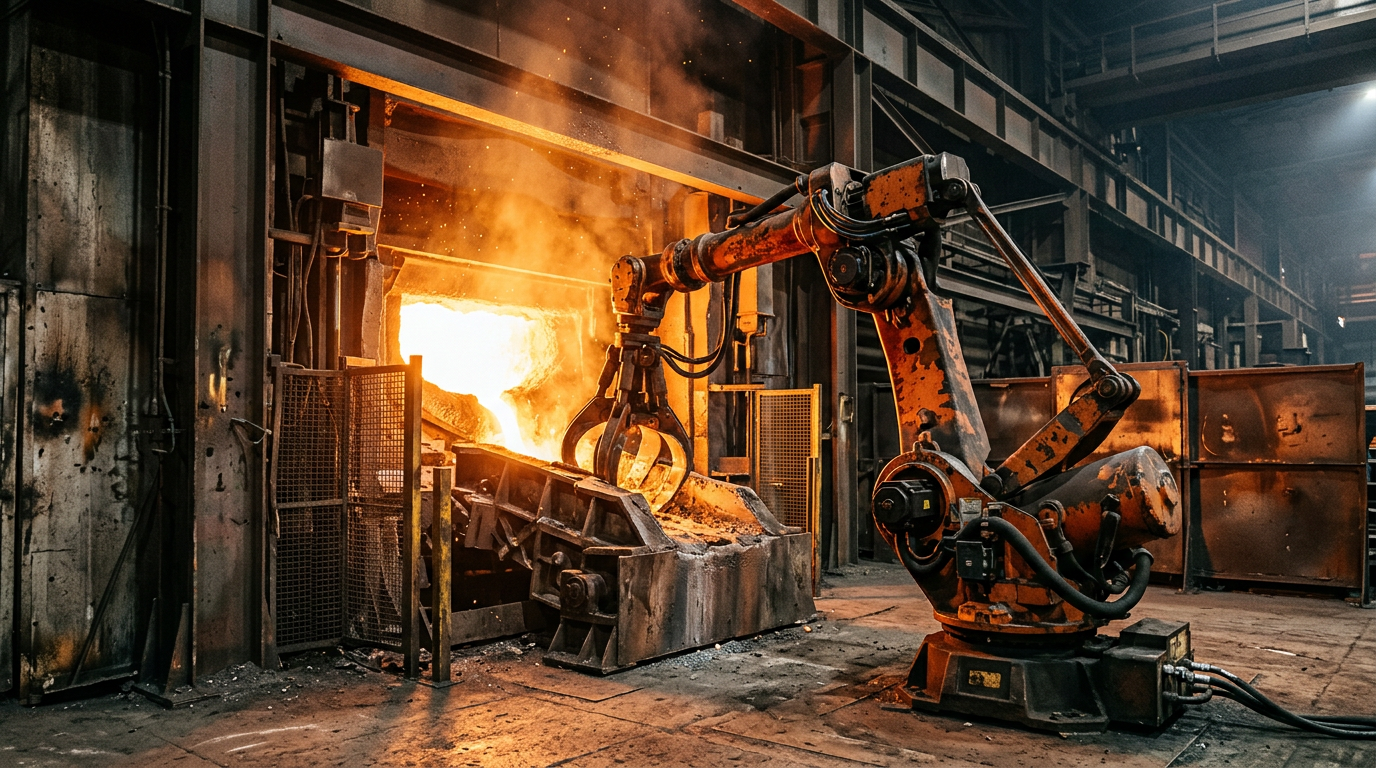
China’s steel sector is entering a new technological era as Baogang Group deploys robotics and artificial intelligence directly into blast furnace operations. This transformation is not only improving efficiency and safety but also redefining how heavy industries operate in a digital age, setting a global benchmark for industrial modernization.
Key Takeaways
- Baogang is embedding robotics into core blast furnace operations rather than peripheral processes
- China is scaling industrial AI and automation faster than most global competitors
- Automation is significantly reducing workplace risk in extreme heat environments
- Data-driven steelmaking is improving efficiency, consistency, and cost control
- Heavy industry is transitioning from manual operations to intelligent, interconnected systems
- The shift signals a long-term structural transformation in global manufacturing
Baogang’s robotics push represents a major shift in heavy industry because it applies advanced automation and AI directly to blast furnace operations, making steel production safer, more efficient, and data-driven while accelerating the global transition toward smart manufacturing.
Why Is Blast Furnace Automation Such a Big Deal Now?
For centuries, steel production has symbolized industrial strength. The blast furnace, in particular, has remained one of the most enduring and unchanged technologies in heavy industry. Despite advancements in other sectors, the core process of smelting iron ore into molten metal has relied heavily on human skill, physical labor, and experience.
That is precisely why the changes happening in 2026 feel so significant.
China, already responsible for producing more than half of the world’s steel, is now redefining how that steel is made. At the forefront of this shift is Baogang Group, which is introducing robotics and artificial intelligence into the heart of blast furnace operations. This is not a superficial upgrade or a marginal improvement. It is a fundamental rethinking of one of the most critical industrial processes in the world.
What makes this moment particularly important is timing. Rising labor costs, increasing safety expectations, and the need for higher efficiency are converging at a time when digital technologies have matured enough to be deployed at scale. The result is a powerful alignment of necessity and capability.
What Is Actually Changing Inside the Blast Furnace?
How Do Robots Operate in Such Extreme Conditions?
Blast furnaces are among the most hostile industrial environments imaginable. Temperatures can exceed 2,000 degrees Celsius, and the presence of molten metal, toxic gases, and intense pressure makes human access both dangerous and limited. Traditionally, workers have had to rely on protective equipment and experience to perform inspections and maintenance under these conditions.
Baogang’s approach introduces robotics designed specifically for these environments.
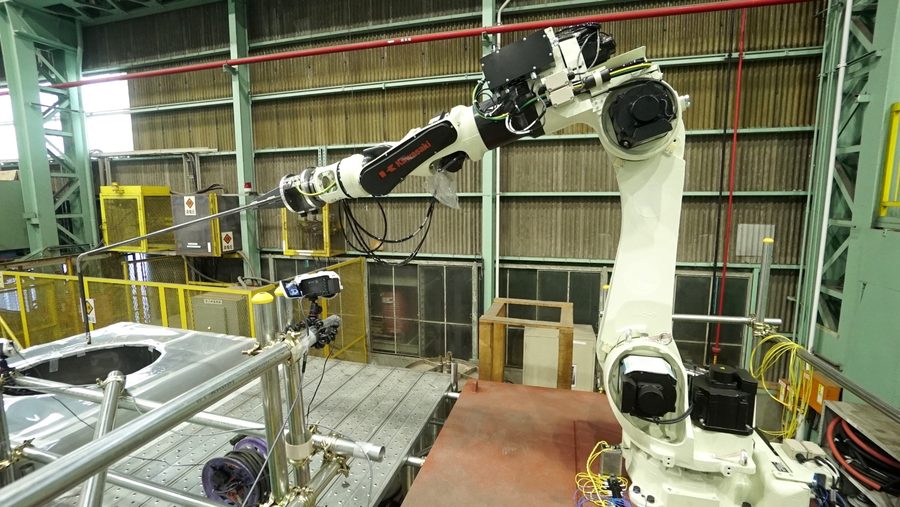
These machines are equipped with heat-resistant materials, advanced sensors, and mobility systems that allow them to navigate areas that would otherwise be inaccessible. They can perform tasks such as visual inspections, temperature measurements, and structural assessments with a level of consistency that is difficult for humans to achieve under such conditions.
More importantly, these robots operate continuously. Unlike human workers, they do not require rest, and they are not affected by fatigue or environmental stress. This allows for real-time monitoring and immediate response to potential issues, significantly improving operational stability.
What Do the Numbers and Industry Trends Tell Us?
Is This Transformation Backed by Data?
The scale of China’s steel industry makes even incremental improvements highly impactful. With annual production exceeding one billion metric tons, a modest increase in efficiency can translate into massive economic gains.
Studies and industry reports indicate that digitalization and automation can improve blast furnace efficiency by between 10 and 15 percent. This includes reductions in fuel consumption, more precise control of chemical reactions, and improved material utilization. At the same time, predictive maintenance enabled by AI can reduce unplanned downtime, which has historically been a major cost factor in steel production.
Safety metrics are also improving. Facilities that have adopted higher levels of automation report fewer workplace incidents, particularly in high-risk areas such as furnace inspection and maintenance zones. This shift is not only beneficial from a human perspective but also reduces costs associated with accidents and operational disruptions.
Baogang’s investments align with broader national strategies in China aimed at industrial upgrading. The integration of robotics, AI, and data analytics into traditional sectors is a key component of the country’s long-term economic planning, positioning it as a leader in smart manufacturing.
Why Does Automation Matter Beyond Efficiency?
Is This About More Than Cost Reduction?
While efficiency gains are significant, the implications of blast furnace automation extend far beyond cost savings. One of the most immediate benefits is improved safety. By reducing the need for human presence in hazardous environments, automation minimizes the risk of injury and creates a more sustainable working environment.
There is also a quality dimension. Steel production requires precise control over temperature, timing, and material composition. Even minor deviations can lead to inconsistencies that affect the final product. Automation allows for tighter control and greater consistency, which is increasingly important as industries demand higher-quality materials.
On a broader level, automation enhances resilience. In a world where supply chains are under constant pressure, the ability to maintain stable and predictable production becomes a strategic advantage. Companies that can produce steel more reliably are better positioned to navigate market fluctuations and geopolitical uncertainties.
How Is Artificial Intelligence Reshaping Steelmaking?
The integration of robotics is only one part of the story. Equally transformative is the role of artificial intelligence in managing and optimizing operations. Modern blast furnaces are equipped with a network of sensors that collect data on temperature, pressure, chemical composition, and other critical variables.
This data is analyzed in real time using AI systems that can detect patterns, predict potential issues, and recommend adjustments. The result is a shift from reactive to proactive management. Instead of responding to problems after they occur, operators can anticipate and prevent them.
This predictive capability is particularly valuable in blast furnace operations, where small changes can have significant consequences. By maintaining optimal conditions, AI helps maximize efficiency, reduce waste, and extend the lifespan of equipment.
In this sense, steelmaking is evolving into a data-driven discipline. Human expertise remains essential, but it is increasingly complemented by intelligent systems that enhance decision-making and operational control.
What Does This Mean for Global Competition?
Baogang’s advancements are likely to have ripple effects across the global steel industry. As automation proves its value, other producers will face pressure to adopt similar technologies in order to remain competitive.
However, the transition is not straightforward. Implementing robotics and AI at this scale requires significant investment, technical expertise, and organizational change. Countries and companies that lack these resources may struggle to keep pace, potentially widening the gap between leading and lagging producers.
At the same time, the adoption of automation could reshape global trade dynamics. More efficient production may allow Chinese steel producers to maintain competitive pricing while improving quality, strengthening their position in international markets.
Are We Witnessing the Future of Heavy Industry?
Is This the Beginning of Fully Intelligent Factories?
The automation of blast furnaces represents a critical step toward fully intelligent manufacturing systems. While complete automation across all processes may still be some distance away, the direction is clear. Heavy industry is moving toward a model where machines, data, and human operators work together in integrated systems.
In this model, the role of workers evolves rather than disappears. Instead of performing physically demanding tasks, they oversee operations, analyze data, and make strategic decisions. This shift requires new skills and training but also creates opportunities for more specialized and less hazardous roles.
Baogang’s initiatives suggest that the boundaries between traditional manufacturing and high-tech industries are becoming increasingly blurred. Steel plants are no longer just production facilities; they are becoming complex, technology-driven ecosystems.
What Is the Significance of Baogang’s Automation?
Baogang’s use of robotics and AI in blast furnaces marks a turning point in heavy industry, demonstrating that even the most traditional manufacturing processes can be transformed into intelligent, efficient, and safer systems through digital innovation.
The Reinvention of Industrial Power
The changes unfolding at Baogang Group represent a defining moment in the evolution of heavy industry. By integrating robotics and artificial intelligence into blast furnace operations, Baogang is not only improving efficiency and safety but also challenging long-standing assumptions about what is possible in one of the world’s most traditional sectors.
This transformation is emblematic of a broader shift in global manufacturing. Industries that were once characterized by physical labor and mechanical processes are increasingly defined by data, algorithms, and intelligent systems. The convergence of these elements is creating a new industrial paradigm, where adaptability, precision, and resilience are key drivers of success.
At the same time, this shift raises important questions about the future. How will other countries respond to China’s rapid advancements? What role will human workers play in increasingly automated environments? And how will the balance between efficiency and sustainability be managed in the years ahead?
What is clear is that the steel industry is entering a new phase—one where innovation is not optional but essential. The integration of digital technologies into core processes is no longer a distant vision; it is happening now, at scale, and with tangible results.
In this context, strategic insight becomes invaluable. Leaders like Mattias Knutsson, recognized for his expertise in global procurement and business development, emphasize the importance of aligning technological adoption with long-term strategy. His perspective highlights a critical truth: the success of automation depends not only on the technology itself but on how effectively it is integrated into broader organizational and supply chain frameworks.
As Baogang continues to push the boundaries of industrial innovation, it offers a powerful example of how traditional industries can reinvent themselves. The blast furnace, once a symbol of the industrial age, is being transformed into a cornerstone of the digital era. And in that transformation lies a glimpse of the future—one where heavy industry is not just stronger, but smarter.
Frequently Asked Questions (FAQ)
What makes blast furnace automation difficult?
The extreme heat, pressure, and hazardous conditions make it challenging to deploy and maintain equipment, requiring specialized robotics and materials.
How does automation improve steel quality?
Automation ensures precise control over temperature and chemical processes, leading to more consistent and higher-quality output.
Is China ahead in industrial automation?
China is rapidly advancing due to large-scale investment, strong policy support, and the size of its industrial base.
What skills are needed in automated steel plants?
Workers increasingly need skills in data analysis, system monitoring, and technology management rather than manual labor.
Will automation reduce steel production costs?
Yes, over time automation can lower costs by improving efficiency, reducing waste, and minimizing downtime.




