
Summary
The global retail sector in 2026 is undergoing a profound transformation often described as a “retail renaissance.” Rather than declining under the pressure of e-commerce, physical retail is evolving and integrating with digital channels to create seamless, experience-driven environments. Store visits have grown by approximately 1% year-over-year, signaling resilience, while artificial intelligence, sustainability, and value-based consumer behavior are redefining how businesses operate. Retail stores are no longer just points of sale—they are becoming experience hubs that blend commerce, community, and technology.
Key Takeaways
- Retail in 2026 is no longer divided between online and offline channels.
- Instead, it operates as a unified ecosystem where physical stores and digital platforms complement each other.
- AI is enhancing personalization and operational efficiency, sustainability is shaping consumer choices and brand strategies, and stores are being redesigned as experiential spaces.
- This shift reflects a deeper change in consumer expectations, where shopping is as much about engagement and values as it is about purchasing products.
The retail sector in 2026 is experiencing a renaissance driven by the integration of physical and digital experiences, where AI-powered personalization, sustainability initiatives, and experiential store formats are transforming traditional retail into a hybrid, value-driven ecosystem.
The Return of Retail—But Not as We Knew It
For years, the narrative surrounding retail was dominated by disruption. The rapid rise of e-commerce led many to predict the decline—even the eventual disappearance—of physical stores. Headlines spoke of a “retail apocalypse,” and businesses scrambled to adapt to a digital-first world.
In 2026, that narrative has fundamentally changed.
Retail has not disappeared. It has reinvented itself.
The current phase of the industry is better described as a renaissance—a period of renewal and transformation. Instead of competing against each other, physical and digital retail channels are converging. The boundaries between online and offline shopping are dissolving, creating a more fluid and integrated experience for consumers.
This transformation is being driven by several powerful forces. Artificial intelligence is enabling unprecedented levels of personalization and efficiency. Sustainability is becoming a central concern, influencing both consumer behavior and corporate strategy. At the same time, shoppers are increasingly seeking value—not just in terms of price, but in terms of experience, quality, and alignment with their personal beliefs.
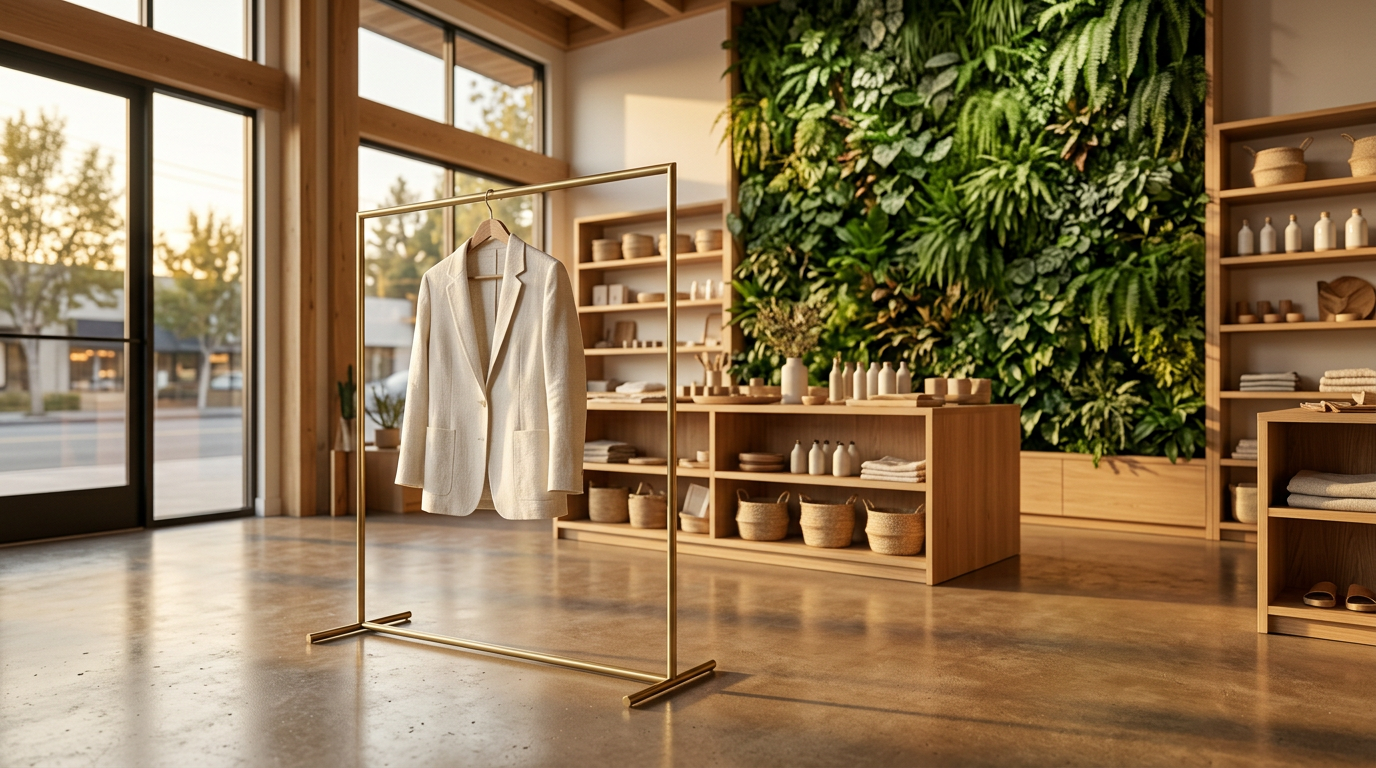
Perhaps the most visible manifestation of this shift is the changing role of physical stores. No longer limited to transactions, they are evolving into spaces where customers can engage with brands, interact with communities, and experience products in ways that digital platforms alone cannot replicate.
The Resilience of Physical Retail
Despite years of predictions about its decline, physical retail has demonstrated remarkable resilience. In 2026, store visits have grown by approximately 1% year-over-year, a modest but significant показатель that challenges earlier assumptions about the dominance of e-commerce.
This growth is not uniform across all categories or regions, but it highlights an important reality: physical retail still plays a vital role in the shopping journey.
One of the key reasons for this resilience is the unique value that physical stores provide. They offer sensory experiences, immediate product access, and human interaction—elements that are difficult to replicate online. Consumers continue to value the ability to see, touch, and try products before making a purchase.
However, the nature of this value is changing. Customers are no longer visiting stores solely to buy products. They are seeking experiences, inspiration, and connection. This shift is driving retailers to rethink the purpose and design of their physical spaces.
From Stores to Experience Hubs
The concept of the store as an “experience hub” is central to the retail renaissance.
In this new model, stores are designed to engage customers on multiple levels. They may host events, workshops, or community gatherings. They may incorporate interactive displays, immersive technologies, or personalized services. The goal is to create an environment that encourages customers to spend time, explore, and connect.
This transformation reflects a broader change in consumer behavior. Shopping is increasingly seen as an activity rather than a task. Customers are looking for experiences that are enjoyable, meaningful, and memorable.
Retailers are responding by investing in store design, staff training, and technology. The physical space becomes a stage where the brand story is brought to life, and where customers can engage with that story in a tangible way.
Retail Transformation Metrics
| Metric | Value | Insight |
|---|---|---|
| Physical Store Visit Growth | ~1% YoY | Indicates resilience of in-store retail |
| Online Retail Share | ~22%–25% globally | Digital remains a major channel |
| AI Adoption in Retail | ~60%+ large retailers | Driving personalization and efficiency |
| Consumers Prioritizing Sustainability | ~65%–70% | Influences purchasing decisions |
| Omnichannel Shoppers | ~70%+ | Prefer integrated shopping experiences |
What the Data Reveals
The data underscores the hybrid nature of modern retail. Digital channels continue to grow, but physical stores remain relevant and are evolving to meet new expectations. The high percentage of omnichannel shoppers highlights the importance of integration, while the growing emphasis on sustainability reflects changing consumer values.
The Role of Artificial Intelligence in Retail
Artificial intelligence is one of the most transformative forces shaping the retail sector in 2026.
At the operational level, AI is improving efficiency. Retailers are using machine learning algorithms to optimize inventory management, forecast demand, and streamline supply chains. These improvements can reduce costs and minimize waste, contributing to both profitability and sustainability.
At the customer level, AI is enabling personalization at scale. By analyzing data on customer behavior, preferences, and purchase history, retailers can offer tailored recommendations, targeted promotions, and customized experiences.
This level of personalization enhances customer satisfaction and loyalty. It also increases conversion rates, as customers are more likely to engage with products and offers that are relevant to them.
Importantly, AI is not replacing human interaction. Instead, it is augmenting it. Store associates can use AI tools to better understand customer needs and provide more informed assistance, creating a more seamless and effective shopping experience.
Sustainability as a Core Retail Driver
Sustainability has moved from the periphery to the center of retail strategy.
In 2026, approximately 65% to 70% of consumers consider sustainability when making purchasing decisions. This shift is influencing everything from product design and sourcing to packaging and logistics.
Retailers are responding in several ways. Many are adopting more sustainable materials, reducing waste, and improving transparency in their supply chains. Others are introducing circular economy initiatives, such as recycling programs, repair services, and resale platforms.
Sustainability is also becoming a differentiator. Brands that can demonstrate genuine commitment to environmental and social responsibility are gaining a competitive advantage.
However, this is not without challenges. Implementing sustainable practices can increase costs, and consumers still expect value for money. Balancing these factors requires careful strategy and innovation.
The Rise of Value-Based Shopping
Value-based shopping is another defining trend in the retail renaissance.
Consumers are becoming more discerning, evaluating purchases not only in terms of price but also in terms of quality, durability, and alignment with their values. This shift is partly driven by economic factors, such as inflation and cost-of-living pressures, but it also reflects a broader change in mindset.
Shoppers are asking questions such as:
- Is this product worth the price?
- Does it align with my values?
- Will it last?
This emphasis on value is influencing product development, pricing strategies, and marketing. Retailers are focusing on transparency, quality, and storytelling to communicate the value of their offerings.
Omnichannel Integration: The New Retail Standard
The integration of physical and digital channels—often referred to as omnichannel retail—is now the standard rather than the exception.
In 2026, more than 70% of consumers engage in omnichannel shopping, using a combination of online and offline touchpoints throughout their journey. A customer might research a product online, visit a store to see it in person, and then complete the purchase through a mobile app.
This behavior requires retailers to provide a seamless experience across channels. Inventory systems must be integrated, customer data must be unified, and branding must be consistent.
The benefits of omnichannel integration are significant. It enhances convenience, improves customer satisfaction, and increases sales opportunities. However, it also requires substantial investment in technology and infrastructure.
Challenges Facing the Retail Renaissance
Despite its opportunities, the retail sector faces several challenges.
Economic uncertainty remains a key concern. Inflation, changing consumer spending patterns, and global supply chain disruptions can all impact retail performance.
Technology adoption, while beneficial, also presents challenges. Implementing AI and digital systems requires investment, expertise, and ongoing maintenance. Smaller retailers may struggle to keep pace with larger competitors.
Sustainability adds another layer of complexity. While consumers demand more sustainable practices, they are not always willing to pay higher prices, creating a tension that retailers must navigate.
Finally, competition remains intense. The barriers to entry in digital retail are relatively low, leading to a crowded marketplace where differentiation is essential.
A New Era of Retail Possibility
The retail sector in 2026 is not simply recovering from disruption—it is redefining itself.
What we are witnessing is not a return to the past, but the emergence of a new model that combines the best of physical and digital retail. This model is more flexible, more responsive, and more aligned with the needs and values of modern consumers.
At its core, the retail renaissance is about connection. It is about connecting channels, connecting brands with customers, and connecting commerce with experience. It is about creating environments where shopping is not just a transaction, but an interaction.
The integration of artificial intelligence, the emphasis on sustainability, and the rise of value-based shopping are all part of this transformation. Together, they are shaping a retail landscape that is more dynamic and more complex than ever before.
For businesses, the challenge is to navigate this complexity and turn it into opportunity. Those that can successfully integrate technology, design meaningful experiences, and align with consumer values will be well positioned for the future.
Ultimately, the renaissance of retail is a reminder that industries do not disappear—they evolve. And in that evolution lies the potential for innovation, growth, and renewal.
FAQs
What is the retail renaissance?
The retail renaissance refers to the transformation of the retail sector into a hybrid model that integrates physical and digital experiences, driven by AI, sustainability, and changing consumer behavior.
Are physical stores still relevant in 2026?
Yes, physical stores remain relevant and are evolving into experience hubs that offer engagement, interaction, and community.
How is AI impacting retail?
AI is improving operational efficiency and enabling personalized customer experiences, enhancing both profitability and customer satisfaction.
Why is sustainability important in retail?
Sustainability influences consumer decisions and helps retailers build trust and differentiate their brands.
What is omnichannel retail?
Omnichannel retail integrates online and offline shopping experiences, allowing customers to move seamlessly between different channels.




