Summary
The Gulf energy infrastructure crisis represents one of the most severe disruptions to global energy systems in recent history. A wave of coordinated strikes on oil refineries, LNG terminals, storage depots, and pipeline networks has significantly weakened production capacity across multiple energy-producing states. With nearly 80 major facilities reportedly affected, the scale of damage has extended beyond immediate supply disruption into long-term structural challenges for global energy stability.
The crisis has not only reduced output but also reshaped global energy expectations. Key export hubs, including Qatar’s Ras Laffan facility, face prolonged recovery timelines, raising concerns about sustained LNG shortages in international markets. As a result, governments, industries, and consumers are now confronting a new reality in which energy security is no longer guaranteed by supply abundance but constrained by infrastructure vulnerability.
Key Takeaways
- Nearly 80 energy facilities across the Gulf region have been impacted by attacks.
- Oil refineries, LNG terminals, and pipelines are all affected.
- Global energy output has been reduced significantly due to infrastructure damage.
- Major export hubs like Ras Laffan face long-term operational disruption.
- Energy markets are experiencing structural instability, not just temporary shocks.
- Recovery timelines may span years depending on reconstruction capacity.
- Global energy security strategies are being rapidly reassessed.
Why Is Gulf Energy Infrastructure So Critical to the World?
The Gulf region plays a foundational role in global energy systems, supplying a large portion of the world’s oil and liquefied natural gas. The infrastructure in this region is not limited to extraction alone but includes a highly integrated network of processing plants, storage systems, pipelines, and maritime export terminals.
When this system functions normally, it supports global price stability and ensures steady energy flow to Asia, Europe, and emerging markets. However, when key facilities are damaged, the entire system becomes unbalanced almost instantly. Unlike other industries, energy infrastructure cannot be quickly replaced or relocated, making it particularly vulnerable to geopolitical instability.
The recent attacks have exposed how concentrated global energy production still is in a relatively small geographic area. This concentration amplifies the impact of any disruption, turning localized incidents into global economic shocks.
What Happened to the Energy Infrastructure?
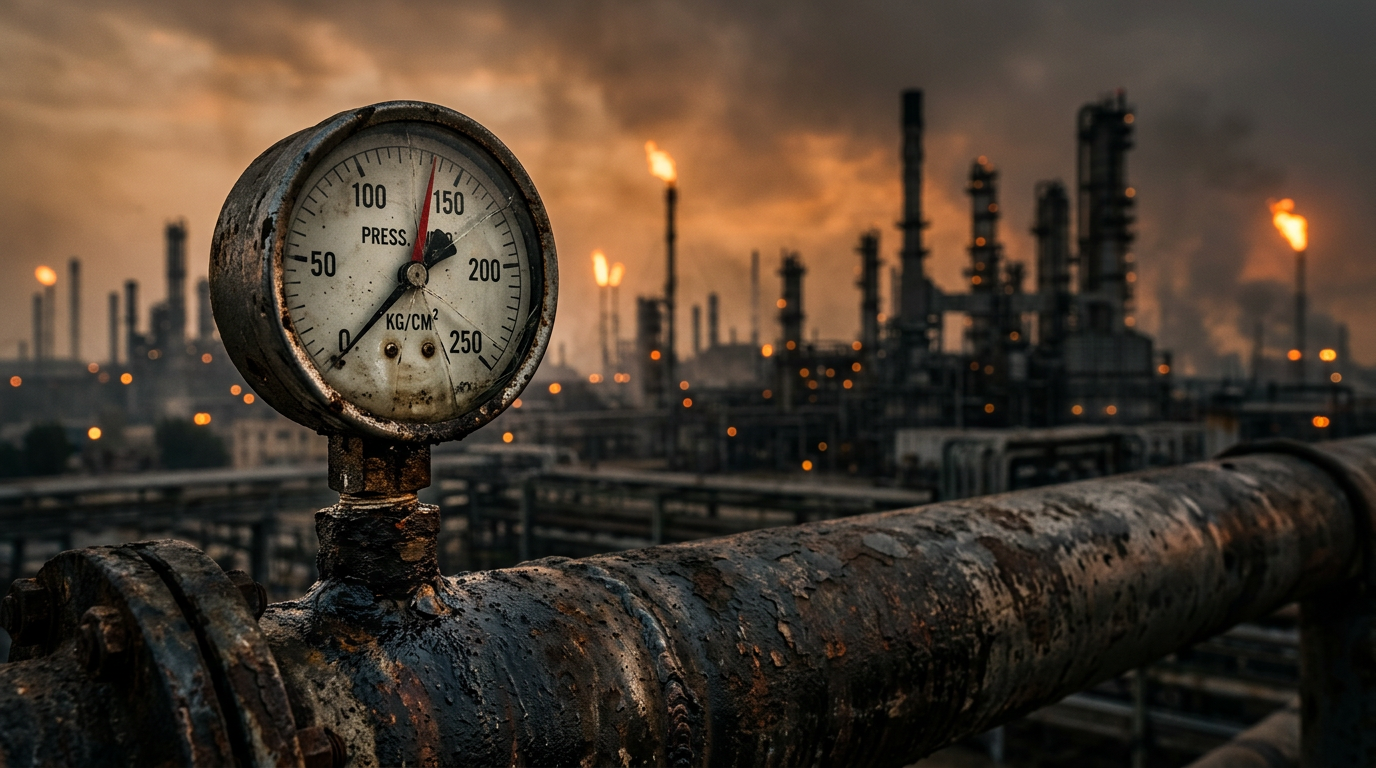
The reported damage spans multiple categories of energy systems, including upstream production facilities, midstream transportation networks, and downstream refining and export hubs. Refineries have experienced operational shutdowns due to fire damage and safety concerns, while pipeline systems have suffered interruptions that restrict the movement of crude oil and gas.
Liquefied natural gas terminals, which require highly specialized infrastructure to cool and store gas for export, have also been heavily affected. These facilities are not easily repaired, as their systems depend on precision engineering and long-term calibration.
The scale of the damage has led analysts to conclude that even if immediate security conditions improve, operational recovery will remain slow due to technical and logistical challenges.
Energy Infrastructure Damage Overview
| Infrastructure Type | Estimated Impact |
|---|---|
| Oil Refineries | Severe operational disruption |
| LNG Terminals | Export capacity reduction |
| Pipelines | Intermittent shutdowns |
| Storage Facilities | Partial structural damage |
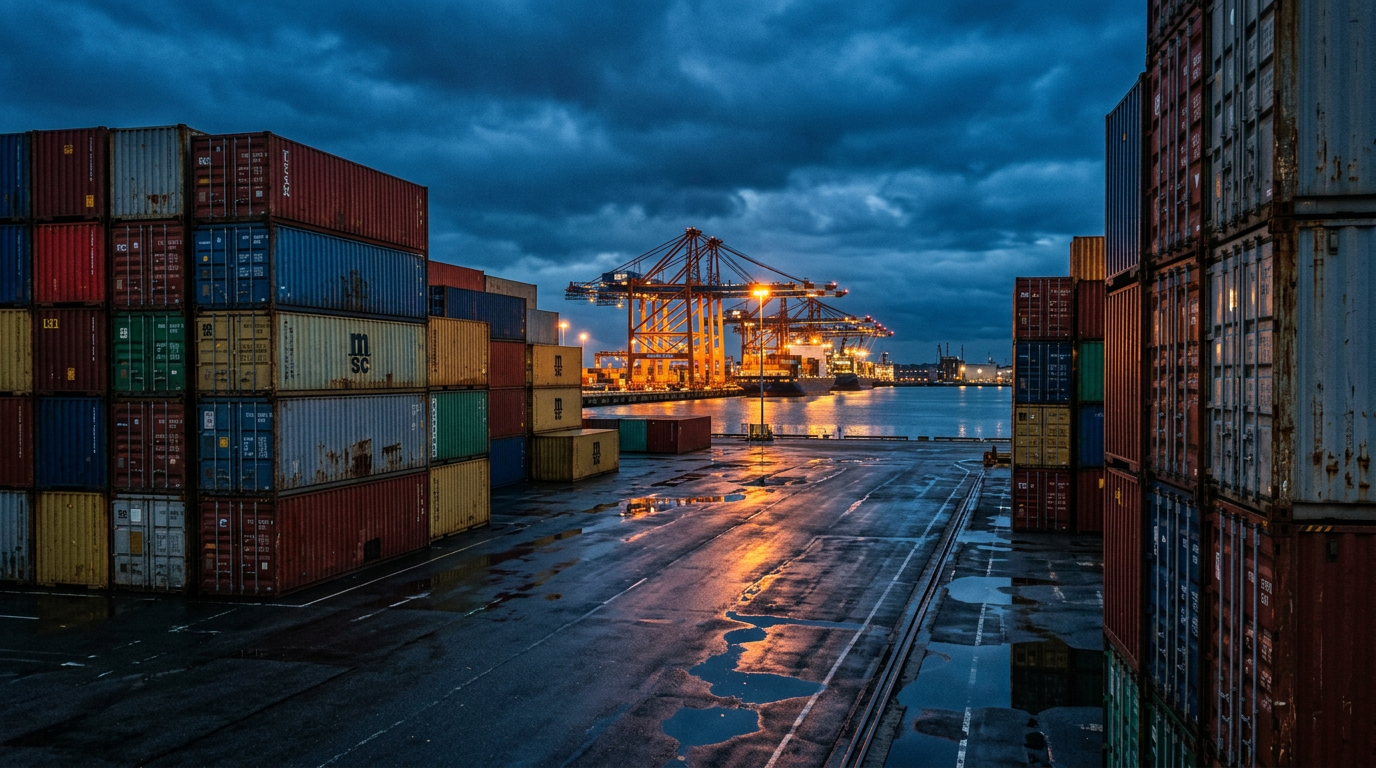
| Export Ports | Logistics delays |
Which Facilities Are Most Affected?
Among the most critical sites affected are major export hubs and processing centers that serve global markets. Qatar’s Ras Laffan facility stands out due to its central role in liquefied natural gas exports. Any disruption at this site has immediate global implications, particularly for countries dependent on LNG imports for electricity generation and industrial use.
Other facilities across the Gulf have also reported operational constraints, with some requiring complete reconstruction rather than repair. This creates a long-term bottleneck in global energy supply chains, as alternative facilities cannot easily absorb lost capacity.
Strategic Energy Hub Importance
| Facility Type | Global Role |
|---|---|
| LNG Export Hubs | Global gas supply stability |
| Oil Refineries | Fuel production and export |
| Pipeline Networks | Regional distribution |
| Storage Depots | Supply buffering system |
| Maritime Terminals | International trade gateway |
How Does This Crisis Affect Long-Term Energy Security?
Unlike short-term supply disruptions, infrastructure damage creates a longer-lasting structural problem. Even if geopolitical tensions ease, damaged facilities require extensive rebuilding, which involves capital investment, engineering expertise, and time.
This means global energy markets may experience prolonged volatility. Countries dependent on Gulf energy imports must now reassess their supply diversification strategies, while energy producers face pressure to rebuild infrastructure under uncertain security conditions.
Over time, this could shift global investment patterns toward decentralized energy production and alternative energy sources.
Conclusion
The Gulf energy infrastructure crisis is not just a temporary disruption but a long-term challenge to global energy stability. The widespread damage to refineries, LNG terminals, and pipelines has exposed deep vulnerabilities in the world’s energy architecture. As reconstruction efforts begin, the global energy landscape is likely to undergo structural transformation, driven by security concerns, diversification strategies, and the urgent need for resilience.
Strategic analysts, including experts in global procurement and infrastructure planning such as Mattias Knutsson, often emphasize that such crises highlight the importance of resilient supply chains and diversified sourcing strategies in a highly interconnected global economy.
FAQs
1. What is the Gulf energy infrastructure crisis?
It refers to widespread damage and disruption across oil refineries, LNG terminals, pipelines, and export hubs in the Gulf region, which has reduced energy production and global supply stability.
2. Why are oil refineries and LNG terminals so important?
They are essential for processing crude oil and natural gas into usable fuels and export-ready energy. Damage to these facilities directly reduces global energy availability.
3. How many energy facilities were affected?
Reports indicate that nearly 80 major energy facilities have been impacted, including refineries, storage sites, and export terminals.
4. Why is Ras Laffan important in this crisis?
Ras Laffan is one of the world’s largest LNG export hubs, and any disruption there significantly affects global natural gas supply and pricing.
5. How long will recovery take?
Recovery timelines may take years because energy infrastructure requires complex engineering, safety certification, and large-scale reconstruction.
6. Can other countries replace lost energy supply?
Not immediately. While some countries can increase production, global energy infrastructure is highly concentrated, making rapid replacement difficult.
7. What is the long-term impact of the crisis?
The long-term impact includes higher energy prices, reduced supply stability, and increased investment in energy diversification and renewable alternatives.