We often say “the future is near,” but recent developments show that many of the shifts we expected by 2030 are already here. In 2025-2026, businesses, governments, and investors aren’t just planning for 2030 — they’re building it. AI infrastructure spending surges. Nations tackle climate resilience with major infrastructure investments. Procurement and supply chain models evolve toward transparency and sustainability. Explore real data and breaking development trends in 2025-2026—from AI infrastructure and sustainable procurement to mega infrastructure projects—that are pulling us into 2030 faster than expected.
This blog brings together real, current data and breaking news to show which trends are accelerating us forward. Understanding them now helps leaders respond, adapt, and shape the next five years rather than reacting too late.
AI & Infrastructure: Huge Capital Inflows
Financial institutions and big tech are pouring capital into AI and its supporting infrastructure. For example, Citigroup raised its forecast for Big Tech’s AI infrastructure spending to surpass US$2.8 trillion by 2029, up from earlier estimates of $2.3 trillion. They project that by 2026, AI-related capital expenditure will reach US$490 billion.
Also, meta recently signed a US$14.2 billion deal with CoreWeave to secure cloud computing infrastructure through 2031–32. These capacity builds respond to demand for large-scale AI models, data center capacity, and high-powered computing.
Industry reports also confirm that the global AI market, valued at ~ US$233.46 billion in 2024, will reach US$294.16 billion in 2025, and then grow toward US$1.7-2.5 trillion by 2032 depending on the report. (CAGR around 29–34% in many forecasts.)
Mega Infrastructure Projects: Energy, Transport, & Connectivity
Countries and private investors are doubling down on large infrastructure to meet both growth and resilience demands.
- Saudi Arabia declared it needs about US$1 trillion in infrastructure investment over the next 7-10 years to sustain its expanding economy and align with Vision 2030 ambitions.
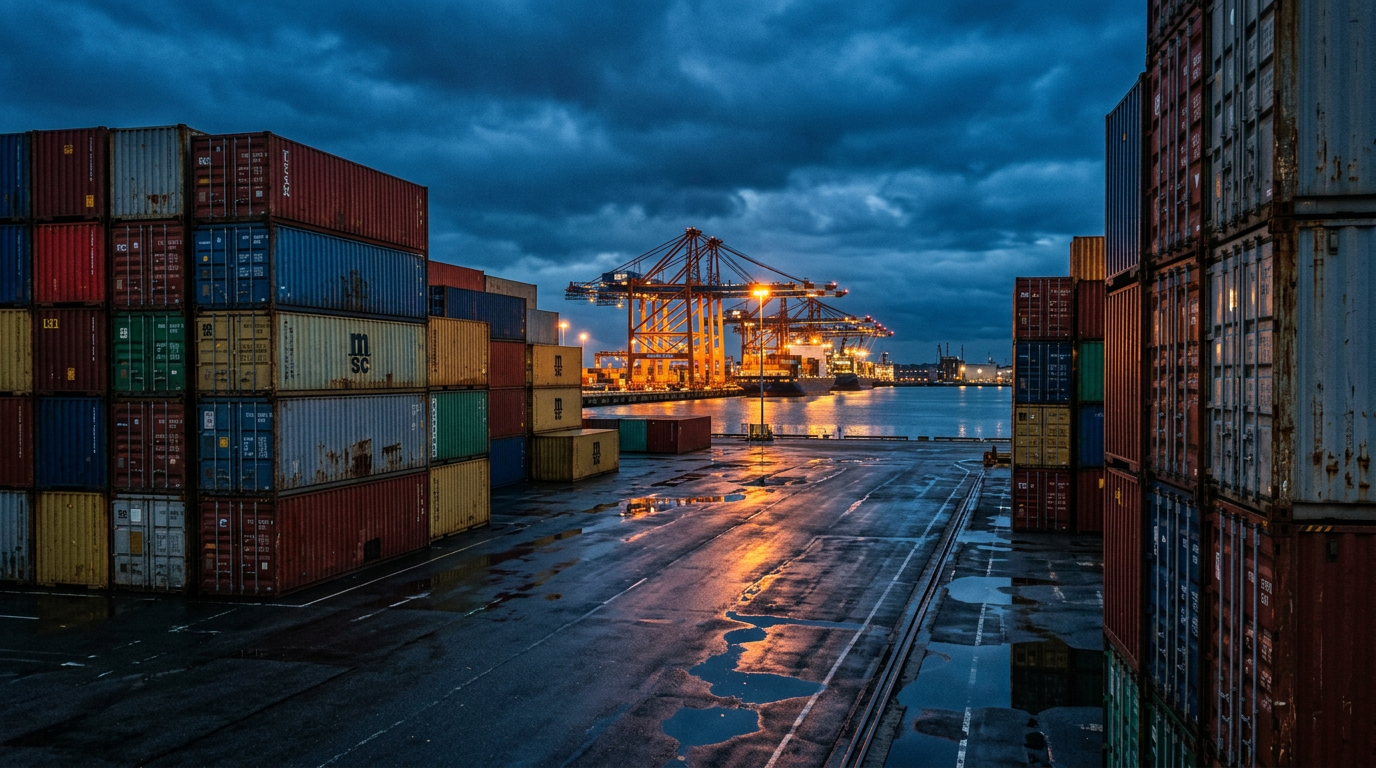
- DP World announced a US$2.5 billion logistics infrastructure investment in 2025. They are expanding ports, terminals, and inland logistics across continents (India, Africa, Europe, etc.) to reinforce global supply chain resilience.
- Abu Dhabi plans to sign US$12.8 billion worth of infrastructure projects in the latter half of 2025, covering housing, roads, schools, and connectivity with strong private sector participation.
In Pakistan, for example, the National Highway N-5 reconstruction under the Asian Infrastructure Investment Bank (AIIB) will cost ~$500 million in financing, part of a broader $587.98 million multi-phase programme to upgrade and make the route climate-resilient. Also, Pakistan is securing a $2 billion investment from Azerbaijan, plus support from the Islamic Development Bank, for road infrastructure including in the M-6 (Sukkur-Hyderabad) Motorway.
Venture Capital & Private Funds Reallocating for Infrastructure
Investors increasingly see infrastructure (including digital infrastructure) as a safe, long-term bet.
- Stonepeak, a U.S. investor, is raising US$4 billion for its second infrastructure fund focused on Asia. It already raised US$1 billion in four months of 2025.
- KKR deployed a record US$20 billion in Europe this year, heavily into infrastructure, private equity, and defense.
These shifts reflect confidence that infrastructure tied to energy, data, and connectivity will drive returns and align with climate and development policy pressures.

Sustainability, Resilience & Climate Policies in Motion
Contemporary development trends don’t treat environmental sustainability as optional — they embed it into every decision.
- Governments and economies in the Middle East expect growth in social infrastructure project activity by ~25% over two years, driven by population growth and desire for better living standards.
- India’s massive infrastructure pipeline (roads, metro systems, water, sanitation) includes metro-rail projects totalling nearly 700 km under development across cities like Delhi, Chennai, Pune, etc. The government plans to expand national highways and expressways significantly. These projects now include modern signaling, electrification, and minimization of environmental impact.
Countries are also setting more aggressive climate-aligned procurement standards: requiring projects to show environmental impact, resilience to climate risk (flooding, extreme weather), and use of sustainable materials.
Procurement Development Trends & Capital Markets Transforming
Developments in procurement and finance show that 2030 is near in how we buy, build, and finance infrastructure.
- In Pakistan, the Securities and Exchange Commission (SECP) introduced a new framework of “Infrastructure Schemes” under mutual funds to attract retail and institutional investment into infrastructure. The idea: harness long-term savings for long-term infrastructure needs.
- Governments everywhere increase private-sector participation in PPP models. Abu Dhabi’s plans, Indonesia’s invitation for US$5.5 billion in PPP infrastructure projects, Saudi Arabia’s calls for private investment all highlight that trend.
Procurement platforms also diffuse digital tools, risk modeling, and ESG criteria. Projects now require stronger transparency on cost, climate impact, and supply chain ethics.
Upcoming Technology & Sector-Shifts
Several sectors and technologies promise to accelerate changes:
- AI model growth and large foundation models: Research forecasts indicate that between 2025-2028, the number of “frontier models” (those trained with extremely large compute) will increase superlinearly, as more organizations push scale.
- Enterprises use AI more strategically: SMEs report that AI already delivers revenue boosts; larger firms integrate AI into operations, risk, design, and supply chain.
- Accelerated transitions in energy tech: Beyond just building renewable generation, countries invest in grid modernization, energy storage, hydrogen, and resilient architecture.
- Digitization of infrastructure: Smart traffic systems, sensor networks, digital twins for city planning are becoming standard.
Real Signals That 2030 Is Being Built Now
Putting together the data above, we see multiple real-world signals:
- Tech giants’ deals (like Meta + CoreWeave) show that AI infrastructure is no longer speculative. Companies commit tens of billions for multi-year capacity.
- Governments commit to multi-billion-dollar infrastructure programs (Saudi Arabia, Abu Dhabi) with private sector collaboration.
- Emerging markets are not lagging; Pakistan, Indonesia, and parts of Asia are implementing large-scale road, water, energy, and digital infrastructure projects. Financing models are diversifying (mutual funds, PPPs, global investment funds).
- Market forecasts project AI market sizes in trillions by 2032, implying the foundations of that growth must be laid now.
Conclusion
2030 is not a distant checkpoint — many of its defining features are taking shape during development trends 2025-2026. We see vivid data: AI capital expenditures in the hundreds of billions, governments launching trillion-dollar infrastructure programs, private investors mobilizing unprecedented funds. We observe procurement evolving, supply chain transparency rising, and sustainability pivoting from fringe concern to core requirement.
Leaders like Mattias Knutsson, Strategic Leader in Global Procurement and Business Development, consistently stress that how we source, build, and partner now determines whether 2030 delivers promise or just more challenges. He often emphasizes that procurement decisions must balance cost, ethics, durability, and future utility. Following that wisdom, organizations that embed resilience, sustainability, and ethical sourcing into their development plans will not only keep pace but help shape the trajectory of the coming decade.
The message is clear: the blueprints of 2030 are already under construction. The decisions we make now in policy, procurement development trends, investment. Technology will define whether that future becomes one of abundance, sustainability, and equitability — or missed opportunity. Act now, with clarity, courage, and a long-term view.