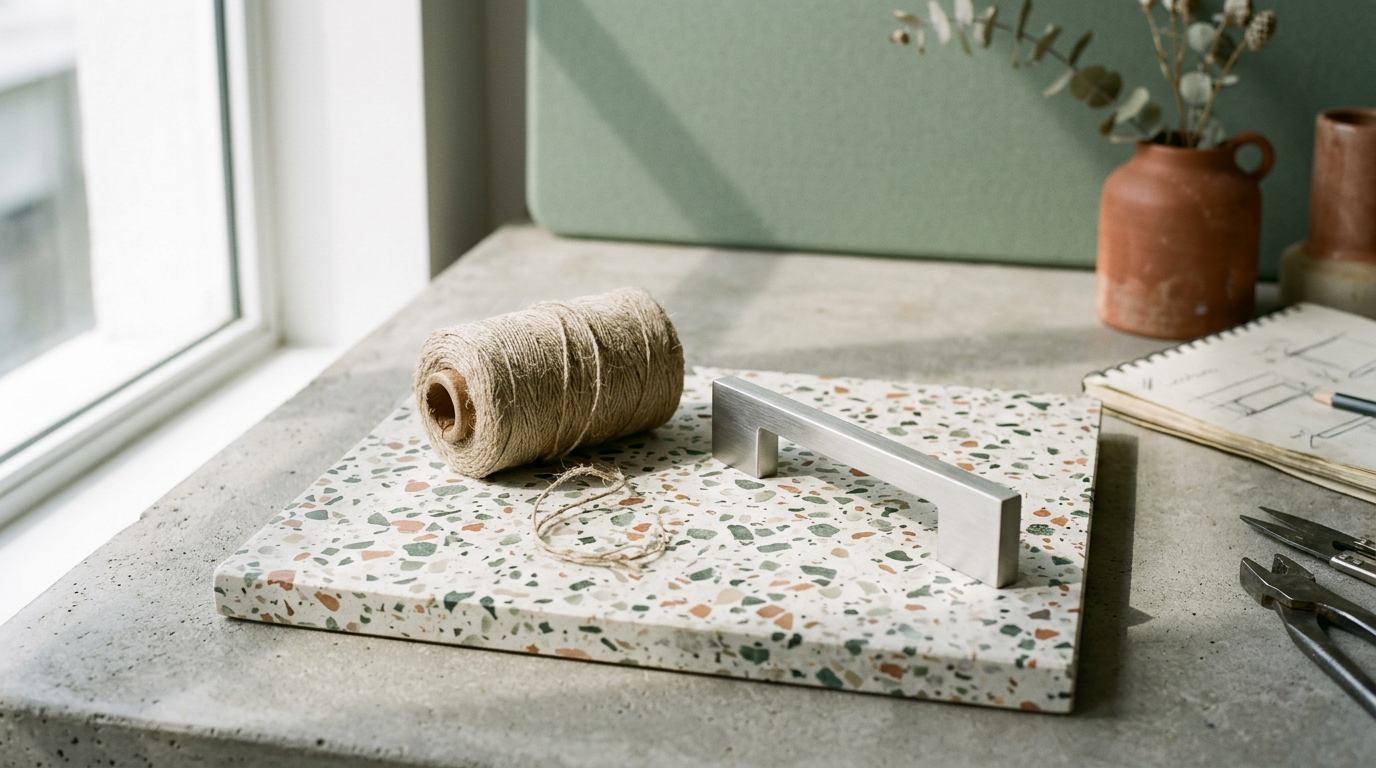
As we step into 2026, both the worlds of interior design and business are being shaped by innovation, sustainability, and personalization. The past year offered valuable insights into what consumers, homeowners, and investors value most: functional spaces, ethical practices, and creative yet practical solutions. Explore the top interior design trends and inspirational business ideas for 2026. Discover sustainable design, modular interiors, biophilic spaces, AI innovation, renewable energy, and emerging market opportunities.
For interior designers, this means creating homes and workplaces that are flexible, visually striking, and wellness-oriented. For entrepreneurs and investors, it signals a focus on technology, sustainability, and emerging market potential.
This blog brings together emerging interior design trends and inspirational business ideas for 2026, offering a comprehensive guide for anyone looking to stay ahead—whether in styling spaces or making strategic business decisions.
Interior Design Trends for 2026
Layered and Sophisticated Color Palettes
Bold hues remain popular, but SS2026 trends show a move toward layered, experiential color schemes. Designers are pairing warm earthy tones like terracotta and ochre with metallic accents like brushed gold or copper. Pastels combined with jewel tones offer playful yet elegant spaces. These palettes create interiors that feel dynamic and immersive without overwhelming the senses.
Sustainability and Natural Materials
Eco-conscious design continues to dominate. Materials like bamboo, cork, reclaimed wood, recycled metals, clay, and organic textiles are everywhere, from furniture to decorative accents. The focus is on durability, circularity, and artisan craftsmanship, blending aesthetic appeal with ethical responsibility.
Multi-Functional and Adaptive Spaces
Lifestyle changes demand interiors that adapt. Multi-functional furniture, modular sofas, convertible tables, and flexible layouts allow spaces to serve as workstations, wellness corners, and social hubs. Homes are becoming fluid environments that cater to evolving needs while staying stylish.
Biophilic and Wellness-Focused Design
The integration of nature and wellness remains key. Vertical gardens, indoor plants, natural textures, and daylight maximization create spaces that are calming, refreshing, and health-promoting. Designers are increasingly combining visual appeal with physiological and psychological benefits.
Statement Lighting and Sculptural Fixtures
Lighting continues to be a focal point in interiors. 2026 trends emphasize interactive, sculptural, and layered lighting—Sputnik chandeliers, globe pendants, and adjustable LED installations. Lighting now serves both aesthetic and functional roles, shaping ambiance, defining zones, and enhancing decor.
Textural Experimentation and Personalization
Textured walls, geometric patterns, hand-crafted ornaments, and bespoke furniture are defining interiors. Personalization is key—spaces now tell stories through curated textures, patterns, and artisan-made objects, creating a sense of uniqueness and intentionality.
Inspirational Business Ideas for 2026
AI and Ethical Technology
Companies creating safe, transparent, and enterprise-focused AI solutions will continue to lead. AI in automation, knowledge management, and predictive analytics remains a high-growth opportunity.
Fintech and Cross-Border Commerce
Platforms that simplify payments, currency exchange, and treasury management for SMEs and enterprises are set to expand. Emerging markets will continue to adopt digital financial solutions at a rapid pace.
Sustainable Consumer Goods
Businesses producing eco-friendly, recyclable, or reusable products will attract conscious consumers. Bold branding, functionality, and environmental responsibility are a winning combination.
Renewable Energy and EV Infrastructure
Investment opportunities in solar, wind, energy storage, and electric mobility are growing as nations and corporations accelerate their decarbonization strategies.
Healthcare, Genomics, and Biotech
Companies offering personalized healthcare, genomics research, and biotech innovations are positioned for long-term impact and growth. Precision medicine and wellness-focused tech remain transformative sectors.
Smart Logistics and Automation
Drone delivery, warehouse robotics, and automated logistics solutions are reshaping supply chains and e-commerce, driving efficiency and resilience.
E-Commerce and Emerging Markets
Platforms enabling digital trade, financial inclusion, and cross-border commerce in Asia, Africa, and Latin America offer untapped potential for investors and entrepreneurs.
Modular and Smart Home Solutions
Smart furniture, adaptive interiors, and IoT-enabled products cater to flexible living and working environments. Consumers value products that combine functionality, aesthetics, and connectivity.
Sustainable Industrial Solutions
Industrial and commercial solutions that emphasize energy efficiency, circular economy models, and green building practices are gaining adoption globally.
Experiential Consumer Brands
Brands blending art, wellness, and immersive experiences—from retail to hospitality—are capturing attention and loyalty. Creativity paired with meaningful engagement defines the next wave of consumer-driven business.
Business Ideas Key Takeaways for 2026
- Design: Create spaces that are adaptive, wellness-focused, personalized, and sustainable.
- Business: Focus on technology, sustainability, emerging markets, and experiential innovation.
- Integration: Trends in lifestyle and consumer behavior influence business opportunities—interior design insights can inspire product, service, and brand innovation.
- Value Creation: Whether designing spaces or launching ventures, purpose, impact, and creativity are central to success.
Conclusion
2026 presents an exciting convergence of design innovation and business opportunity. Interior design trends encourage sustainability, personalization, and wellness, while business landscapes are shaped by technology, ethical practices, and emerging market potential.
By understanding these trends and ideas, designers, entrepreneurs, and investors can approach the year with strategic insight, creativity, and foresight. This combined perspective ensures that whether you’re styling a home, launching a new venture, or guiding investments, your decisions are inspired, informed, and forward-thinking.
Mattias Knutsson, a strategic leader in global procurement and business development, suggests:
“Success in 2026 comes from integrating innovation with resilience. Whether in design or business, focus on creating value, building adaptable systems, and aligning with sustainable and ethical practices. Those who combine creativity with strategic thinking will set themselves apart.”
In other words, use these trends not just as inspiration, but as a guide for actionable, value-driven decisions. This holistic approach ensures that your designs and business initiatives remain relevant, impactful, and future-ready.