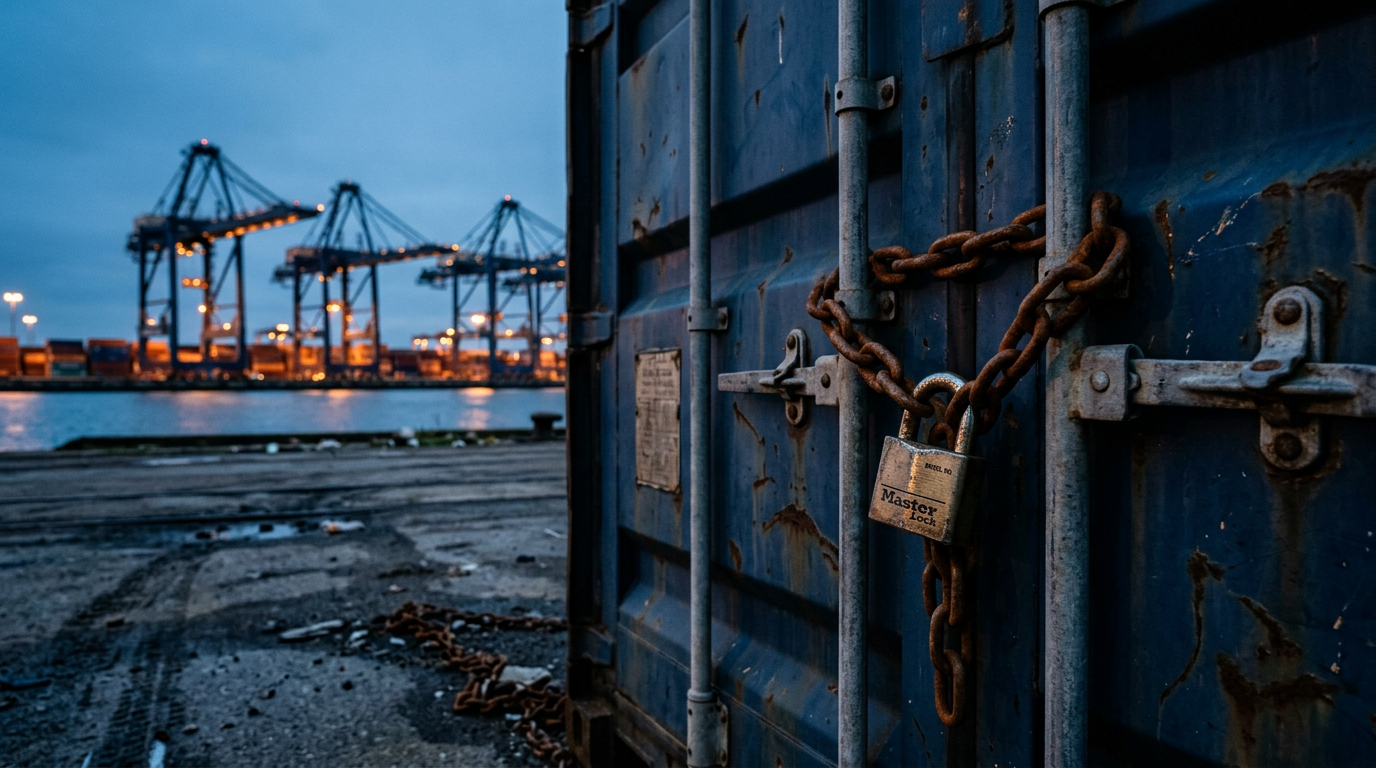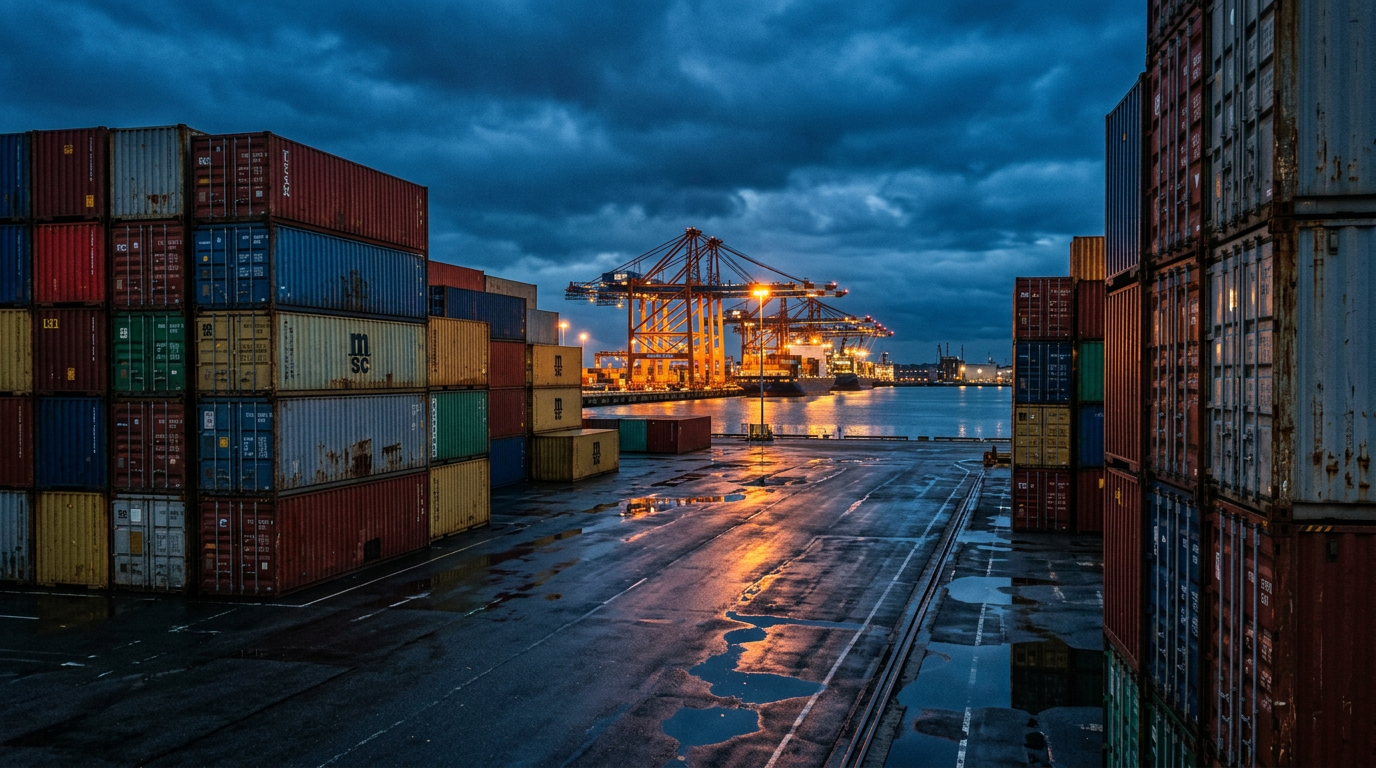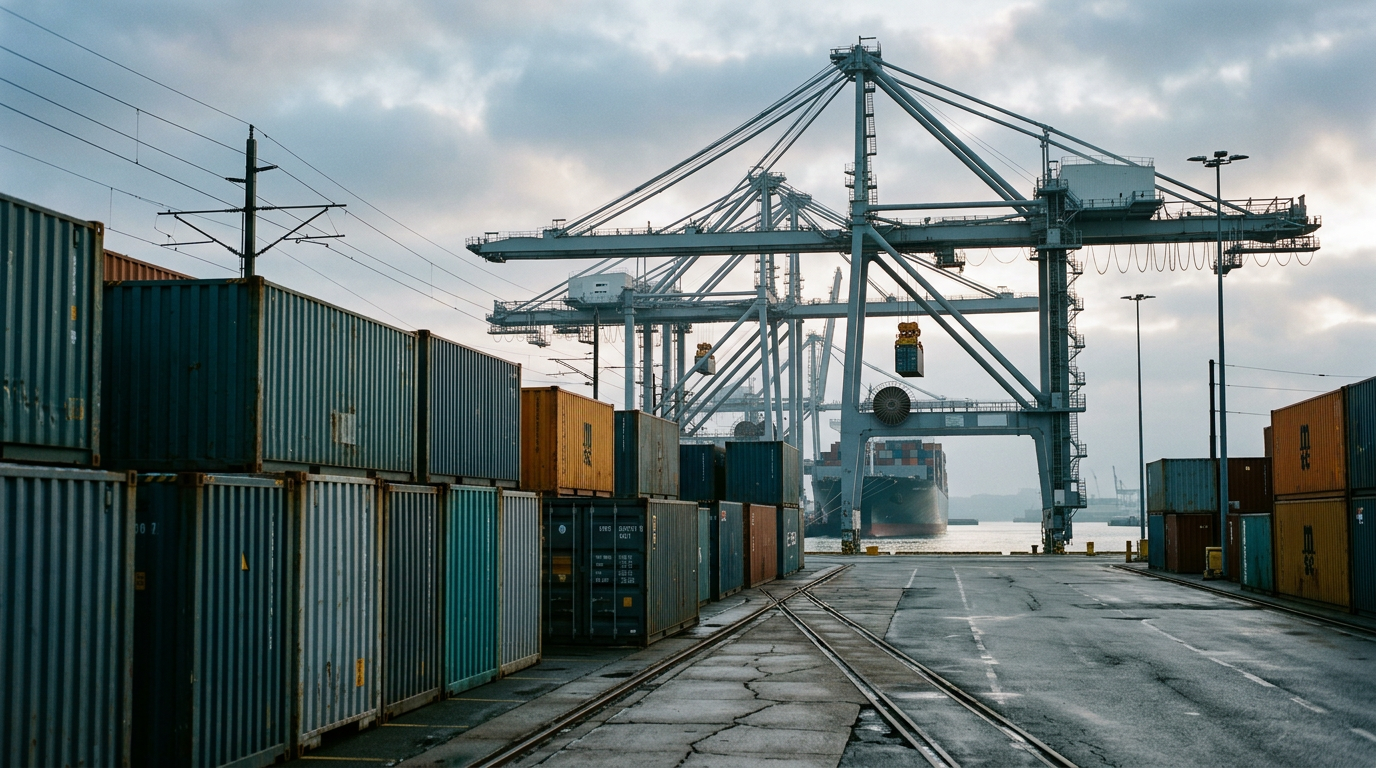
For more than a decade, the Belt and Road Initiative (BRI) has been synonymous with construction on a grand scale. The ports, railways, highways, energy corridors, and fiber networks spanning continents. Between 2013 and 2023, over $1 trillion in cumulative investment transformed trade routes across 150+ countries, according to data from China’s Green Finance & Development Center. By 2026, China’s BRI enters a new phase — moving from massive construction to operational excellence, digital services, and supply-chain integration. Learn what this means for partner countries, service industries, and global value creation.
But as the dust settles on the construction boom, a quiet transformation is unfolding.
After 2025, the BRI is entering a new era of operations, maintenance, and digital integration. One that focuses less on pouring concrete and more on managing, optimizing, and connecting what’s already been built.
This evolution is reshaping how China and partner countries think about long-term economic returns, local participation, and service innovation. It’s no longer just about who builds the road — but who runs it, maintains it, and creates value from it.
Welcome to “BRI 2.0: The Service Era.”
From Construction to Continuity: Why 2026 Marks the Pivot
By 2026, more than half of the major first-wave BRI infrastructure projects — from the China-Pakistan Economic Corridor (CPEC) to rail networks in Africa and Eastern Europe — will have entered their operational phase.
That means maintenance, energy management, toll systems, and logistics coordination are becoming as critical as construction once was.
Analysts call this the “O&M decade” — a period where the value shifts from capital expenditure to operational efficiency and lifecycle performance.
According to the World Bank, for every dollar spent building an infrastructure asset, up to three dollars are spent maintaining and operating it over its lifetime. That means the next wave of opportunity lies in services — not cement.
China’s National Development and Reform Commission (NDRC) has already signaled this transition, emphasizing “service-oriented BRI partnerships” and “lifecycle infrastructure management” as strategic priorities for 2025–2030.
What the Shift Looks Like: Global Trends in Motion
The shift from building to operating can already be observed across regions. They are from energy grids and ports to digital infrastructure and logistics corridors.
Energy Projects: From Power Plants to Power Management
In the first decade of BRI, dozens of power plants — coal, hydro, solar, and wind — came online across Asia, Africa, and the Middle East.
Now, the focus is on optimizing operations: ensuring efficiency, grid integration, and carbon compliance.
- China Energy International and PowerChina have restructured their overseas divisions to include smart grid operations, remote diagnostics, and AI-based predictive maintenance.
- Pakistan’s CPEC energy projects, which added over 5,000 MW of capacity, are moving toward local O&M partnerships, reducing dependence on foreign technicians.
- In Africa, Chinese-backed solar projects are embedding digital monitoring systems that allow remote fault detection and energy trading — turning infrastructure into smart, service-enabled assets.
Ports & Logistics: The Age of Smart Operations
China’s port investments — from Piraeus (Greece) to Gwadar (Pakistan) to Bagamoyo (Tanzania) — are transitioning into digitally managed trade hubs.
- COSCO Shipping Ports, for example, is rolling out smart port technology using AI, IoT, and digital twins to streamline cargo handling and customs processing.
- The Digital Silk Road complements this with 5G-enabled logistics corridors and real-time supply chain visibility, crucial for reducing delays and costs.
In practical terms, this means that by 2026, BRI-connected ports will increasingly operate as service ecosystems — combining transport, warehousing, fintech, and data-driven trade facilitation.
Transport Networks: The BRI Services-PPP Model
Many BRI rail and highway projects are entering new Public-Private Partnership (PPP) arrangements for long-term operations.
This model allows local and international operators to manage toll systems, ticketing, and freight logistics under profit-sharing frameworks.
- The China–Laos Railway, launched in 2021, is now co-operated by Laos-China Railway Co. Ltd., with training programs to localize O&M expertise by 2026.
- In Kazakhstan, sections of the Western Europe–Western China corridor are managed through hybrid PPPs involving local transport authorities and Chinese firms.
- Even in Eastern Europe, where financing has been politically sensitive, BRI-related rail routes are moving toward jointly managed freight operations with EU partners.
Such models are crucial because they reduce the long-term fiscal burden on host countries, spread risk, and foster local capacity building.
Digital Infrastructure: The New Service Layer
The biggest transformation of all is happening above ground — in the digital layer that now overlays physical BRI services infrastructure.
This digital expansion is the backbone of what analysts call “BRI 3.0” — a phase defined by connectivity, automation, and data-driven services.
- The China Mobile International Network, together with Huawei Marine, has deployed over 45,000 km of undersea cables linking Asia, Africa, and Europe.
- Smart city and e-government platforms are being introduced in partner countries like Malaysia, Egypt, and Pakistan, providing public services through BRI-enabled data networks.
- E-commerce routes — the so-called “Digital Silk Road” — are enabling SMEs across Central Asia and the Middle East to integrate into cross-border digital trade.
By 2026, nearly every BRI project — from rail to power to ports — is expected to feature a digital twin or a cloud-based management interface, blurring the lines between physical infrastructure and information technology.
Implications for Partner Countries
This operational shift creates both opportunities and responsibilities for BRI partner nations. The benefits go beyond revenue — they include local value addition, service exports, and technology transfer.
Local Value-Addition & Industrial Participation
As projects move from construction to operation, local firms gain entry into service contracts — from maintenance and security to software and supply-chain management.
For example:
- In Pakistan, local companies now handle O&M for sections of the Sukkur–Multan Motorway under CPEC.
- Kenyan logistics firms are participating in port maintenance and customs digitization at Mombasa.
- In Indonesia, locally owned energy companies are entering into joint O&M ventures for nickel and solar projects.
This shift builds local enterprise ecosystems and ensures that infrastructure continues to generate domestic economic activity long after construction ends.
BRI Services Exports & Skills Development
The operational phase creates a new category of service exports. Countries that develop expertise in managing BRI assets can export those services regionally — from engineering and maintenance to software and logistics.
For instance, Malaysia and Turkey are emerging as BRI service hubs, exporting O&M expertise to neighboring regions.
This service economy approach not only diversifies income but reduces dependency on external contractors.
Education plays a crucial role here.
By 2026, over 80 vocational institutes across BRI countries (including Pakistan, Kenya, and Uzbekistan) are aligned with Chinese standards for infrastructure operation. They are along with the foundation for skills-driven partnerships.
Lifecycle Costs and Financial Sustainability
Another key benefit of this transition is a more realistic approach to project economics.
Earlier, many countries faced debt pressure due to construction-heavy financing models.
Now, lifecycle-based planning — which includes operational revenues, maintenance costs, and PPP income — allows for sustainable financial modeling.
For example, under new BRI frameworks:
- Host governments often retain a minority equity stake while private or foreign partners manage operations under long-term concessions.
- Maintenance budgets are embedded into the initial financing plan, ensuring ongoing funding.
- Green bonds and ESG-linked finance are introducing to support sustainable O&M practices.
This approach reflects a more balanced partnership model — one that aligns with the UN Sustainable Development Goals (SDGs) and global investment standards.
What to Watch by BRI Services in 2026
The next two years will be pivotal for observing how BRI services and operational models mature.
Key trends and indicators to watch include:
- Service-PPP Models: Growing adoption of joint operation and revenue-sharing frameworks in transport, energy, and utilities.
- Aftermarket & O&M Contracts: Expansion of Chinese and local service firms specializing in maintenance, retrofitting, and digital optimization.
- Digital Integration: Introduction of AI, IoT, and blockchain for predictive maintenance, energy tracking, and trade efficiency.
- Regional Service Hubs: Emergence of cities like Dubai, Kuala Lumpur, and Karachi as centers for BRI service exports and innovation.
- Sustainability Metrics: Green operations, lifecycle audits, and carbon efficiency benchmarks becoming part of every new BRI project.
By 2026, the Belt and Road will look less like a network of construction sites — and more like a living global infrastructure ecosystem, powered by data, services, and local talent.
Conclusion
The Belt and Road Initiative has always been more than a geopolitical project; it’s an evolving experiment in global economic integration.
Its first decade built the hardware — roads, ports, grids.
The next one will build the software — skills, digital systems, and service networks that keep the global economy running smoothly.
For partner countries, this is the moment to think beyond ribbon-cutting ceremonies. They plan for 20-year operational excellence, technology transfer, and homegrown innovation.
As Mattias Knutsson, Strategic Leader in Global Procurement and Business Development, puts it:
“The real legacy of the BRI won’t be in the concrete we see today, but in the operational ecosystems we build tomorrow. The countries that invest in maintaining, managing, and innovating will own the future of connectivity.”
By 2026, the Belt and Road will not just connect continents. It will connect services, systems, and societies, shaping a truly interdependent global economy for decades to come.