
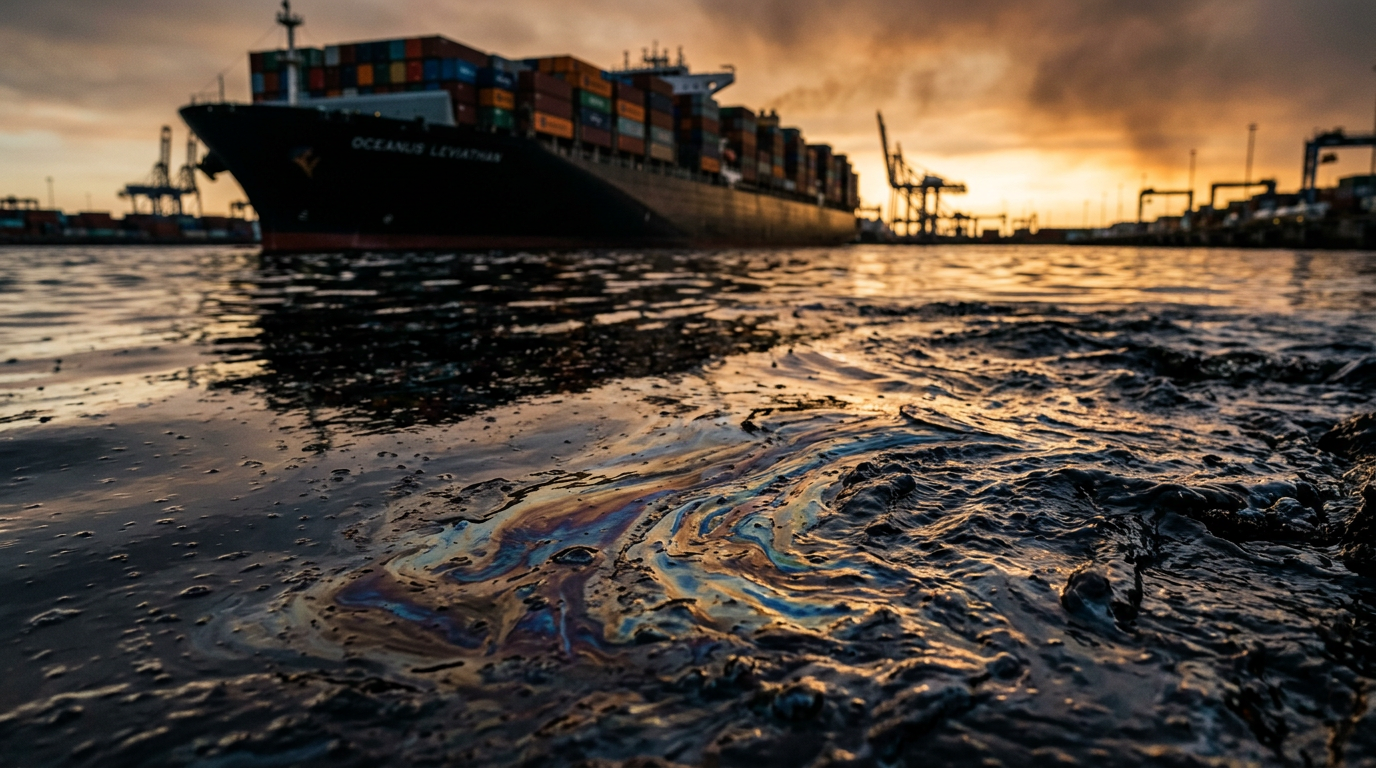
In June 2025, the Middle East erupted into its most dangerous crisis in decades. The Israel–Iran confrontation, once confined to covert cyber skirmishes and proxy conflicts, escalated into open war. The flashpoint? A series of audacious Israeli strikes targeting Iran’s nuclear enrichment facilities, missile depots, and command nodes—followed by Iranian counterattacks on Gulf energy infrastructure and attempted cyber intrusions on Israeli utilities. The conflict lasted twelve days, but its economic shockwaves are still reverberating globally. Explore how the Iran Israel war is disrupting oil markets, trade routes, and global inflation—and why procurement resilience is now critical.
For decades, investors and policymakers operated under a fragile assumption: Middle Eastern volatility might shake oil prices, but the world had buffers—shale oil, LNG flows, and diversified supply chains. That assumption now looks dangerously naïve. The Iran–Israel war has revealed just how interconnected and fragile global systems have become. From surging energy prices to skyrocketing insurance premiums for shipping through the Strait of Hormuz, the world is staring down the possibility of a multi-dimensional economic storm—one that could fuel stagflation, fracture supply chains, and accelerate a new Cold War in global trade.
This blog takes a deep dive into the economic, financial, and trade impacts of the war, using the latest data and analysis. We’ll explore:
- The energy market shock and why oil might not stabilize soon.
- Shipping disruptions and global trade choke points.
- The inflation spiral and central bank dilemmas.
- Consequences for emerging markets, currency stability, and investor confidence.
- How supply chain fragility and procurement strategies are being rewritten.
- A concluding insight from Mattias Knutsson, who explains why procurement resilience is now a boardroom priority.
Why This War Is Different: A Perfect Storm of Risks
Regional wars in the Middle East are not new—but this one is unfolding against a radically different backdrop. The global economy is already under strain from slowing growth, high debt ratios, and persistent inflationary pressures post-pandemic. Add to that volatile energy markets, supply chain fragmentation, and geopolitical rivalries between major powers, and you have the ingredients for a systemic shock.
Unlike the Gulf Wars of the 1990s or the 2003 Iraq invasion, today’s conflict coincides with:
- Global inflation averaging 5–6%, leaving little room for monetary easing.
- Central banks already holding interest rates at multi-decade highs.
- Fragile emerging market currencies and record global debt nearing $310 trillion.
- A world economy deeply reliant on just-in-time supply chains vulnerable to disruptions in energy and shipping lanes.
Energy Shock: The First Domino to Fall
The Strait of Hormuz—through which 21 million barrels of oil per day transit—became an immediate flashpoint. Within 48 hours of Israeli strikes, Iran threatened to block the passage of tankers, and multiple drone attacks on Gulf oil terminals disrupted flows. Markets responded violently:
- Brent crude spiked 15% in a single week, hitting $112 per barrel, its highest level since 2022.
- Natural gas prices in Europe surged by 18%, as LNG buyers scrambled for alternatives.
- Insurance premiums for tankers in the Persian Gulf soared by 40%, pushing freight costs to levels not seen since the tanker wars of the 1980s.
Energy-importing economies such as India, Japan, and the Eurozone are bracing for cascading effects: rising import bills, widening trade deficits, and inflationary pressures threatening fragile recoveries.
Ripple Effects Across Global Trade
The impact doesn’t stop with oil. The war has destabilized major shipping corridors, forcing vessels to reroute around the Cape of Good Hope, adding 12–15 days to Asia–Europe transit times. Container freight rates, already elevated from Red Sea disruptions earlier this year, have climbed another 22% month-on-month.
Key sectors hit hardest:
- Automotive and electronics manufacturing: Dependent on just-in-time components from Asia.
- Agriculture: Rising fertilizer costs linked to energy spikes threaten food price inflation.
- Critical minerals: Supply chains for cobalt and lithium—essential for EV batteries—face additional bottlenecks due to instability in African transit routes impacted by Gulf insurance premiums.
Inflation Spiral: The Policy Maker’s Nightmare
With energy and freight costs surging, the inflation outlook has darkened considerably:
- Global headline inflation could jump by 1.5–2 percentage points in Q3 2025 if oil remains above $110.
- Food prices, already elevated by climate disruptions, risk another 10% climb.
- Wage pressures are intensifying in OECD economies as workers demand compensation for rising living costs.
Central banks are cornered. The Federal Reserve and ECB cannot easily cut rates without fueling price spikes, yet tightening further risks tipping advanced economies into recession. This is the textbook definition of stagflation—slow growth, high inflation, and rising unemployment.
Financial Markets: From Risk-On to Risk-Off
Investor sentiment has flipped almost overnight:
- Global equity markets erased $4.2 trillion in market cap in the first two weeks of the conflict.
- Volatility Index (VIX) surged to 38—its highest reading since the banking turmoil of 2023.
- Gold climbed past $2,400 an ounce, as capital fled to safe havens.
- The U.S. dollar rallied against emerging market currencies, with the Indian rupee and Turkish lira both depreciating 6–8% within days.
Portfolio managers are rebalancing aggressively toward U.S. Treasuries and commodities, accelerating capital outflows from developing economies—a move that risks sovereign debt crises in at least a dozen countries.
Supply Chain Fragility: Lessons for Procurement
Beyond macroeconomics, the war underscores a brutal truth for global businesses: supply chains remain dangerously brittle. Despite years of talk about resilience, most firms still operate with minimal buffer stocks and limited supplier redundancy.
Key vulnerabilities exposed:
- Energy-intensive industries—from chemicals to steel—face input shocks that cannot be mitigated overnight.
- Technology sectors reliant on semiconductors from Asia are again vulnerable to freight disruptions.
- Logistics chokepoints like the Suez Canal and Bab el-Mandeb Strait amplify risks across multiple continents.
Procurement leaders must pivot from cost-driven sourcing to resilience-driven models. This means diversifying suppliers geographically, investing in predictive analytics, and embedding scenario planning into contracts.
Geopolitical Spillovers: Beyond the Middle East
The economic tremors extend well beyond energy and shipping. The Iran–Israel war is reshaping diplomatic alignments:
- China and Russia have positioned themselves as mediators while deepening energy deals with Iran, signaling an accelerated push toward a multipolar order.
- The G7 has launched emergency talks on energy price caps and strategic reserves, echoing the 1973 oil crisis playbook.
- Gulf states are hedging—balancing security guarantees from Washington with deeper trade ties to Beijing.
For multinational corporations, this means navigating an environment where trade policy, sanctions, and political risk are increasingly fluid.
Mattias Knutsson: Procurement in the Age of Uncertainty
Mattias Knutsson, a globally recognized strategic procurement leader, offers a sobering perspective:
“The Iran–Israel war is a wake-up call. Procurement is no longer an operational function—it’s a strategic defense mechanism. Boards must treat supply chain resilience as core to enterprise risk management.”
Knutsson emphasizes three imperatives:
- Supply Chain Intelligence: Firms need real-time visibility into geopolitical risks, from sanctions to cyber threats.
- Multi-Sourcing and Regional Hubs: Over-reliance on single corridors like Hormuz or Suez is a recipe for disaster.
- Integrated ESG and Security Audits: In an era of hybrid warfare, compliance and resilience are inseparable.
“This conflict shows that economic storms don’t start in boardrooms—they start in battlefields. And the businesses that survive will be those that plan for the unthinkable.”
Conclusion:
The Iran–Israel war may be a regional clash in geography, but in economics, it’s global. From oil markets to food prices, from shipping routes to sovereign debt, its reverberations are setting the stage for a perfect storm of risks—stagflation, supply chain paralysis, and geopolitical fragmentation.
The hard truth? This is not a one-off crisis. It’s a stress test for an interconnected global economy increasingly vulnerable to regional conflicts with systemic impact. For governments, this means rethinking energy security and strategic reserves. For businesses, it means transforming procurement from a cost center to a strategic shield against volatility.
As Mattias Knutsson aptly puts it:
“We are entering an era where procurement decisions carry the weight of national security and shareholder survival. Those who adapt will thrive; those who delay will drown in the next storm.”




