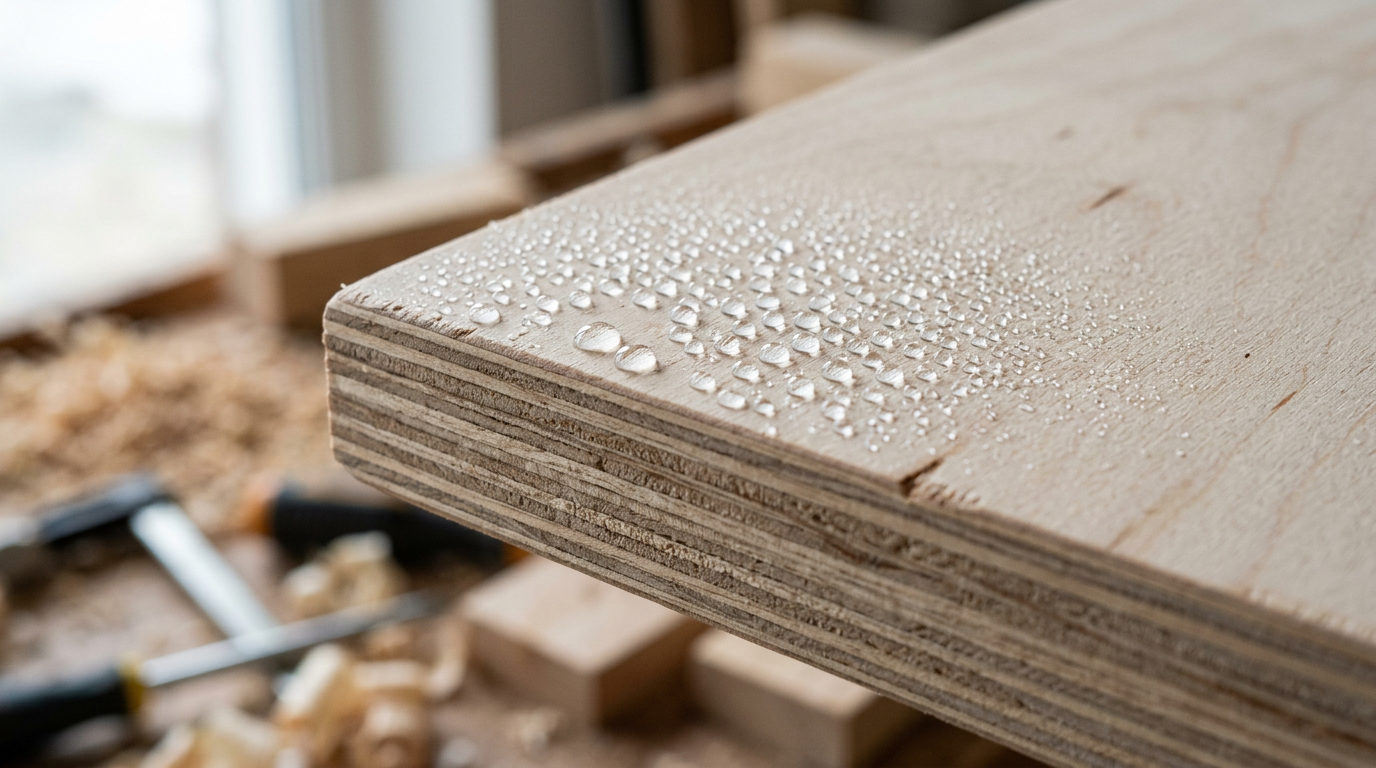
Walk into any construction site. Step inside a furniture shop. Look at the walls of new homes, schools, and offices. Everywhere, you’ll find plywood. It has become the workhorse of modern life. It is cheap, versatile, and strong enough to be used almost anywhere. Nanotechnology is transforming plywood. Discover how nano-coatings and nano-materials will boost strength, water resistance, fungal protection, and lifespan by 2026, and what experts like Mattias Knutsson foresee for the global supply chain.
But plywood is not perfect. Moisture makes it swell. Fungus eats it in damp conditions. Outdoor sunlight fades and cracks its surface. These weaknesses shorten its lifespan. They also make plywood more costly over time.
Now a quiet revolution is happening. Scientists are using nanotechnology to change plywood from the inside out. At the scale of atoms and particles, coatings and additives can make plywood tougher, cleaner, and longer-lasting. Imagine plywood that resists warping in tropical humidity. Panels that shrug off fungi. Surfaces that keep their gloss and color even after years in the sun.
By 2026, these innovations could reach commercial scale. Plywood may shift from being “adequate” to “advanced.” It could stand beside steel and concrete as a trusted, high-performance material. The promise is big, but so are the challenges.
The Science Behind Nano-Coatings
Nanotechnology works at the level of billionths of a meter. At this size, particles act differently. They bond more tightly. Also, they block water and UV light more effectively. They resist microbes in ways normal coatings cannot.
For plywood, nanotech takes two main forms.
One approach is surface coatings. Nanoparticles like silica, zinc oxide, titanium dioxide, or graphene are layered onto plywood faces. These create a thin, invisible shield against water, sun, and fungi.
The other approach is inside-out. Nanoparticles are mixed into resins or impregnated into veneers. This strengthens plywood from within. The result is wood panels with better skeletons and better skins.
It is this double action — surface and core — that makes nanotech so powerful.
Nanotechnology Plywood Breakthroughs in the Lab
The last two years have delivered striking results.
- Hydrophobic and Fungus-Resistant Wood: Researchers used nano-SiO₂, ZnO, and TiO₂ in veneers. The treated panels resisted water and fungi far better than untreated plywood. This is critical for hot, wet regions.
- Strength and Durability: Adhesives enhanced with nanocellulose and nanosilica improved plywood strength by up to 158%. Shear strength rose by nearly 65%. That kind of gain could move plywood into structural applications once reserved for metals.
- UV Stability: Al₂O₃-based coatings reduced discoloration by 37%. Plywood kept its look and shine longer. Perfect for outdoor furniture or façades.
- Nano-Silica Varnishes: Gloss and smoothness lasted longer under weathering tests. Surface cracks were fewer. Panels stayed beautiful even under stress.
These are not small upgrades. They are multipliers. They change what plywood can endure, and where it can be used.
Real-World Applications by 2026
If research success turns into industry practice, plywood could gain entirely new markets.
In outdoor architecture, nano-coated panels could handle both tropical rains and desert heat. Buildings could rely on plywood cladding that doesn’t rot or fade.
In marine and coastal zones, plywood could replace costly hardwoods. Resorts, docks, and boats could use panels that resist both salt and fungi.
For industrial formwork, nano-treated plywood could last through many more concrete pours. Construction firms could cut costs by reusing panels multiple times.
In premium interiors, designers could use glossy, scratch-resistant plywood for luxury kitchens, offices, or hotels. Surfaces would keep their shine for decades.
In disaster zones, plywood resistant to mold and water could protect shelters after floods. Stronger, safer panels could literally save lives.
The Sustainability Advantage
Nanotechnology plywood is not only about performance. It is also about sustainability.
If plywood lasts longer, fewer trees need to be cut. Extending lifespan by 50% could reduce raw timber demand significantly.
With stronger coatings, fewer paints, fungicides, and chemical treatments are needed. That means less environmental harm and lower maintenance costs.
Some studies even suggest nanocellulose makes adhesives easier to recycle. That could mean cleaner disposal and lower waste.
This connects plywood innovation to global sustainability goals. It supports carbon reduction. It helps builders and governments meet ESG commitments.
Barriers to Adoption
Yet big hurdles remain.
Nanoparticles are costly. TiO₂ and graphene composites are still premium materials. Prices are falling, but affordability is not yet universal.
Production is complex. Applying nano-coatings evenly across large plywood sheets requires advanced machinery. Consistency and quality control are still tricky.
Regulation is not yet clear. Questions remain about nanoparticle safety — in manufacturing, disposal, or long-term use. Standards are developing but incomplete.
Builders also need education. Many still see plywood as a “cheap” product. Convincing them to pay more upfront for nano-treated panels requires proof of long-term savings.
For now, nanotech plywood is still niche. The road to mainstream adoption depends on cost, trust, and regulation.
What the Nanotechnology Future Holds
Industry forecasts remain optimistic. Analysts predict nanotechnology in wood coatings could grow at over 11% CAGR through 2030. Demand will likely be highest in Asia-Pacific, where rapid urban growth and extreme climates create real need.
By 2026 or 2027, nano-plywood may move from experimental projects into mainstream use. We may also see hybrids: panels reinforced with hemp or kenaf fibers, plus nano-modifiers. These could offer strength close to steel, with far less weight and carbon cost.
Governments may also play a role. Public housing and green building codes could accelerate adoption, especially if eco-friendly materials gain subsidies.
The market is signaling a shift. What was once just “plywood” is becoming a high-tech engineered product.
Conclusion
Plywood’s reputation is changing. Once seen as fragile and disposable, it is evolving into a smart, high-performance material. With nanotechnology, its limits are being erased. Moisture resistance, fungal protection, UV stability, and structural strength are no longer dreams. They are measurable realities in the lab.
The next step is scale. By 2026, nano-treated plywood could enter mainstream markets. It may appear in coastal homes, skyscraper façades, and luxury furniture alike. It may also serve in shelters where resilience means survival.
Mattias Knutsson, Strategic Leader in Global Procurement and Business Development, adds a clear reminder: “Innovation without supply chain strength cannot last.” For nanotech plywood to thrive, suppliers must deliver nanoparticles, resins, and coatings at reliable volumes and fair costs. Quality must remain consistent. Procurement strategies must anticipate global demand.
If these pieces align, plywood will stop being just a cheap building panel. It will become a symbol of sustainable progress — strong, smart, and built for the future.
The invisible power of nanotechnology could soon be everywhere. In the walls we live within. Moreover, in the furniture we use daily. In the very foundations of our cities. And all from a material we thought we already knew.