Summary
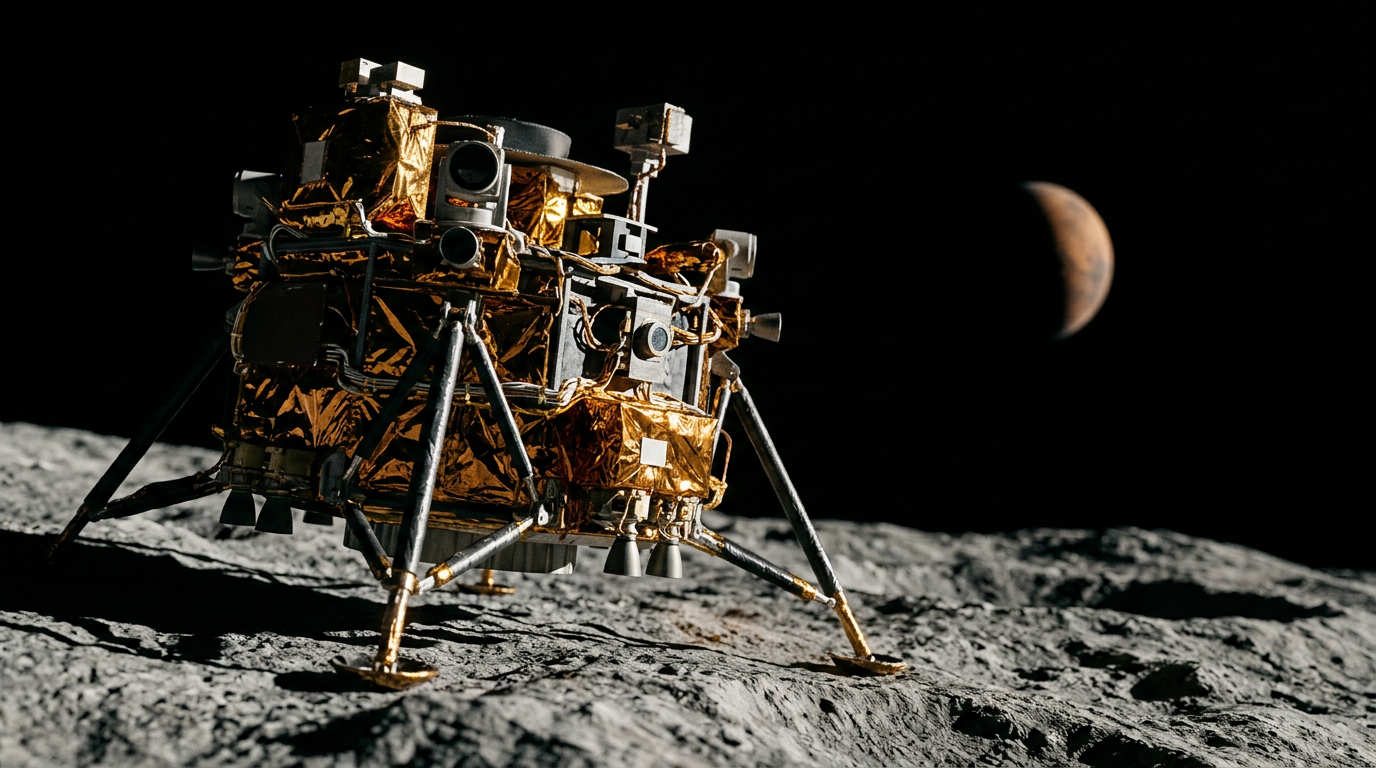
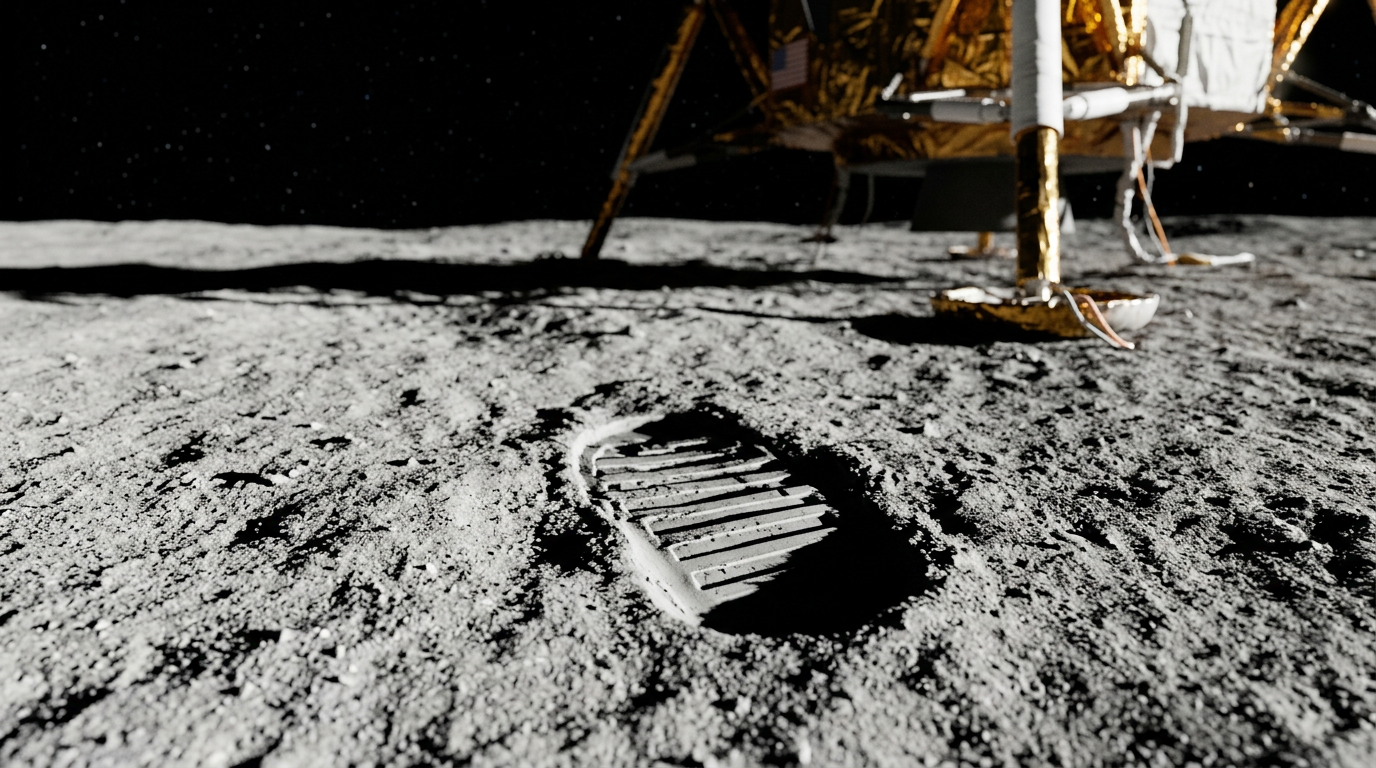
NASA’s Artemis III mission is expected to become one of the most culturally and scientifically important moments in modern history. More than fifty years after Apollo 17 marked humanity’s last crewed Moon landing, Artemis III aims to return astronauts to the lunar surface while introducing a new chapter of inclusivity and global inspiration. For the first time ever, NASA plans to land the first woman and the first person of color on the Moon. This milestone represents far more than symbolic progress. It reflects decades of transformation in science, technology, leadership, and representation across the global space industry.
The mission also carries enormous scientific importance. Artemis III will target the Moon’s south pole, a region believed to contain water ice and resources that could support long-term human exploration. Combined with advanced spacecraft technology, international partnerships, and modern exploration goals, Artemis III represents a defining step toward humanity’s future in deep space.
Key Takeaways
- Artemis III is NASA’s first planned crewed lunar landing mission since Apollo 17 in 1972.
- The mission intends to land the first woman and first person of color on the Moon.
- Artemis III will explore the lunar south pole for the first time in human history.
- The mission symbolizes a major shift toward diversity and inclusivity in space exploration.
- NASA’s Artemis program focuses on sustainable lunar exploration and preparation for Mars missions.
- Advanced technologies, including SpaceX’s Starship lander and Orion spacecraft, are central to the mission.
- Artemis III may inspire a new generation of scientists, engineers, and astronauts worldwide.
Artemis III is considered a historic breakthrough because it will not only return humans to the Moon after more than fifty years, but it also aims to land the first woman and first person of color on the lunar surface, symbolizing a new era of inclusivity, scientific advancement, and sustainable deep space exploration.
Why Is Artemis III More Than Just Another Moon Mission?
For many people, Artemis III may initially appear to be a continuation of the Apollo Moon landings. After all, astronauts landing on the Moon is something humanity achieved decades ago.
But Artemis III is fundamentally different.
The mission is not simply about repeating history. It is about redefining who gets to be part of history.
When the Apollo missions took place between 1969 and 1972, the astronaut corps reflected the realities and limitations of that era. The Moon landings became legendary achievements, but they were carried out entirely by white male astronauts selected from military aviation backgrounds.
At the time, opportunities for women and minorities in aerospace, engineering, military leadership, and scientific institutions were extremely limited. Many talented individuals were excluded from participation due to structural barriers that existed across society.
More than half a century later, Artemis III represents a deliberate effort to create a different future.
NASA’s decision to land the first woman and first person of color on the Moon is both historic and deeply symbolic. It sends a message that humanity’s future in space should reflect humanity itself.
This shift carries emotional significance not only within the United States but around the world. Millions of young people who once felt disconnected from the space industry may now see themselves represented in humanity’s greatest exploratory achievements.
Artemis III therefore stands at the intersection of science, exploration, representation, and cultural progress.
Why Does Representation in Space Exploration Matter?
Representation in space exploration is not simply about visibility. It influences education, innovation, opportunity, and public imagination.
Throughout history, major achievements often shape who believes they can participate in certain fields.
When children see astronauts who look like them, come from similar backgrounds, or share similar experiences, the idea of becoming scientists, engineers, pilots, or explorers becomes more tangible.
Diversity Evolution in NASA
| Era | Astronaut Representation |
|---|---|
| Apollo Era (1960s–1970s) | Primarily white male military pilots |
| Space Shuttle Era | Increased inclusion of women and minorities |
| International Space Station Era | Greater international diversity |
| Artemis Era | Inclusion prioritized as mission identity |
NASA itself has evolved dramatically over the decades.
Women now serve in leadership roles across engineering, mission operations, astronaut training, robotics, planetary science, and aerospace research. Astronauts today come from a much wider range of ethnic, educational, and professional backgrounds than during the Apollo era.
The Artemis program reflects that evolution directly.
NASA leaders repeatedly emphasize that the future of exploration must be inclusive because scientific progress benefits from diverse perspectives, experiences, and problem-solving approaches.
How Did NASA Reach This Historic Moment?
The journey toward Artemis III did not happen overnight.
It represents decades of gradual progress across science, education, military institutions, and aerospace industries.
The Legacy of Early Space Pioneers
Long before Artemis III, many individuals helped break barriers in space exploration.
Sally Ride
In 1983, Sally Ride became the first American woman in space, inspiring generations of women interested in science and engineering.
Guion Bluford
In the same year, Guion Bluford became the first African American astronaut to travel into space.
Mae Jemison
In 1992, Mae Jemison became the first Black woman in space, creating another transformative moment in NASA history.
Kalpana Chawla
Kalpana Chawla became the first woman of Indian origin in space and remains an inspiration globally.
Each milestone slowly reshaped public perceptions of who could participate in space exploration.
Artemis III builds directly on those legacies.
Why Is the Moon’s South Pole Central to Artemis III?
NASA selected the lunar south pole because it offers scientific and strategic opportunities unlike any previous lunar landing site.
Why the Lunar South Pole Matters
| Feature | Importance |
|---|---|
| Water Ice Deposits | Supports long-term exploration |
| Permanent Shadows | Preserve ancient material |
| Sunlight Exposure | Enables solar energy systems |
| Untouched Terrain | Valuable scientific research |
| Resource Potential | Helps future lunar infrastructure |
Unlike Apollo missions, which landed near the Moon’s equator, Artemis III aims to explore a far more challenging environment.
Scientists believe permanently shadowed craters near the south pole contain frozen water that could eventually support:
- Drinking water
- Oxygen production
- Rocket fuel generation
- Radiation shielding
This transforms the Moon from a temporary destination into a potential long-term operational base for deep space missions.
The south pole is therefore not just a landing site—it is a strategic gateway to humanity’s future beyond Earth.
How Is Artemis III Different From Apollo?
The Apollo missions were designed primarily around geopolitical competition during the Cold War.
Artemis has entirely different goals.
Apollo vs Artemis
| Category | Apollo Program | Artemis Program |
|---|---|---|
| Primary Goal | Beat Soviet Union | Sustainable exploration |
| Astronaut Diversity | Limited | Broad representation |
| Technology | 1960s systems | Advanced digital systems |
| Mission Duration | Short visits | Long-term planning |
| Landing Region | Lunar equator | Lunar south pole |
| Future Vision | Demonstration mission | Moon-to-Mars strategy |
Artemis is not focused solely on planting flags and returning home.
NASA wants to establish infrastructure, scientific capability, and operational experience that can support future exploration for decades.
This broader vision makes Artemis III one of the most ambitious human spaceflight missions ever attempted.
What Technologies Make Artemis III Possible?
Modern lunar exploration depends on technologies far beyond anything available during Apollo.
Major Artemis III Technologies
Space Launch System (SLS)
NASA’s SLS rocket is the most powerful launch vehicle developed since the Saturn V rockets of the Apollo era.
It is designed specifically for deep-space missions carrying astronauts and heavy cargo.
Orion Spacecraft
The Orion capsule will transport astronauts from Earth to lunar orbit and safely return them home.
The spacecraft includes:
- Advanced life-support systems
- Deep-space radiation protection
- Autonomous navigation
- Emergency safety systems
Starship Human Landing System
NASA selected SpaceX’s Starship vehicle as the lunar lander for Artemis III.
The spacecraft is designed to transport astronauts between lunar orbit and the Moon’s surface.
Next-Generation Spacesuits
Artemis astronauts will wear modern lunar suits designed for:
- Greater flexibility
- Enhanced mobility
- Extreme temperature protection
- Improved durability
These technologies collectively represent a major leap forward in human exploration capability.
Why Is Artemis III So Important for Young Women and Minority Communities?
Space exploration has always influenced public imagination.
But representation changes the emotional relationship people have with exploration.
For many decades, women and minority communities admired space missions from a distance without seeing themselves directly represented in those achievements.
Artemis III changes that narrative.
Educational Influence of Representation
| Area | Potential Impact |
|---|---|
| STEM Education | Increased student participation |
| Aerospace Careers | Greater diversity in recruitment |
| Public Inspiration | Broader societal engagement |
| Scientific Innovation | More inclusive problem-solving |
| Global Outreach | Expanded international interest |
Studies repeatedly show that representation influences educational ambition and career interest.
When students see historic barriers broken, they often become more willing to pursue fields previously seen as inaccessible.
NASA’s Artemis program may therefore influence generations far beyond the space industry itself.
What Challenges Could Artemis III Face?
Despite excitement surrounding the mission, Artemis III remains extraordinarily difficult.
Major Challenges Ahead
Technical Complexity
The mission requires coordination between multiple spacecraft, orbital operations, lunar systems, and landing technologies.
Lunar Terrain
The south pole contains difficult terrain, deep shadows, and steep crater edges.
Radiation Exposure
Astronauts traveling beyond low Earth orbit face significantly higher radiation levels.
Budget Pressures
Large-scale exploration programs require long-term political and financial support.
Testing Delays
NASA has already adjusted Artemis schedules several times to prioritize astronaut safety.
These challenges demonstrate why returning humans to the Moon remains one of the most difficult engineering tasks ever attempted.
How Does Artemis III Fit Into Humanity’s Future in Space?
NASA repeatedly describes Artemis as a “Moon-to-Mars” program.
The Moon serves as a testing environment for technologies needed for future Mars expeditions.
| Lunar Mission Goal | Mars Mission Benefit |
|---|---|
| Resource Extraction | Self-sustaining missions |
| Surface Habitats | Long-duration living |
| Radiation Studies | Crew protection |
| Autonomous Systems | Deep-space operations |
| Mobility Testing | Planetary exploration |
By learning how to survive and operate on the Moon, NASA gains experience necessary for future missions deeper into the solar system.
Artemis III therefore represents the beginning of something much larger than lunar exploration alone.
Why Is the World Watching Artemis III So Closely?
The mission combines several powerful narratives simultaneously:
- Humanity returning to the Moon
- Scientific discovery
- Technological innovation
- Diversity and representation
- International collaboration
- Future Mars ambitions
Very few missions in modern history combine scientific importance with such strong emotional and cultural symbolism.
The global audience for Artemis III may rival or exceed historic Apollo broadcasts.
Social media, streaming platforms, educational outreach, and international partnerships will make the mission accessible to billions of people worldwide.
For younger generations especially, Artemis III may become their defining space exploration memory.
Could Artemis III Permanently Change Space Exploration?
Many experts believe Artemis III could redefine how humanity approaches space exploration for the next century.
Potential long-term outcomes include:
- Permanent lunar habitats
- Deep-space infrastructure
- Lunar resource extraction
- International Moon stations
- Mars mission preparation
- Commercial lunar industries
The mission could also shift how humanity views itself.
For centuries, humans explored oceans, continents, and remote regions of Earth. Artemis III symbolizes the continuation of that exploratory instinct beyond our planet.
The mission reminds humanity that exploration remains deeply connected to progress, innovation, and shared ambition.
FAQ
Why is Artemis III historic?
Artemis III is historic because it plans to return humans to the Moon for the first time since 1972 while landing the first woman and first person of color on the lunar surface.
When is Artemis III expected to launch?
NASA currently targets 2026 for Artemis III, though mission schedules may still evolve depending on testing and readiness milestones.
Why is NASA landing at the lunar south pole?
The south pole may contain water ice and resources critical for long-term human exploration and future Moon bases.
Who will be the first woman on the Moon?
NASA has not officially announced the final Artemis III landing crew yet.
What spacecraft will Artemis III use?
The mission will use the Orion spacecraft, Space Launch System rocket, and SpaceX’s Starship Human Landing System.
Why does representation matter in space exploration?
Representation inspires broader participation in science, engineering, and exploration while helping future generations see themselves included in humanity’s achievements.
Is Artemis III connected to Mars missions?
Yes. NASA views Artemis missions as preparation for future human expeditions to Mars.
Conclusion
Artemis III represents one of the most meaningful moments in the history of human exploration.
The mission is not simply about returning to the Moon after more than fifty years. It is about redefining what exploration means in the modern era. By preparing to land the first woman and first person of color on the lunar surface, NASA is signaling that humanity’s future in space must reflect humanity itself.
That message carries profound importance.
For generations, space exploration often appeared distant and exclusive to many communities around the world. Artemis III changes that perception by creating a mission rooted not only in scientific ambition, but also in inclusivity, inspiration, and shared global identity.
At the same time, the mission pushes technological boundaries in extraordinary ways. From advanced spacecraft systems and lunar landing technologies to deep-space sustainability planning, Artemis III stands at the forefront of modern aerospace innovation.
The lunar south pole itself symbolizes the beginning of a new frontier. Unlike the Apollo era, this mission is designed around long-term exploration, resource utilization, and future expansion deeper into the solar system. The Moon is no longer viewed as humanity’s final destination—it is becoming humanity’s launching point.
strategic industrial planning
The mission also reflects the growing importance of international cooperation and strategic industrial planning. Modern exploration programs depend heavily on global supply chains, technological partnerships, and coordinated innovation across industries. Leaders in procurement, infrastructure strategy, and business development increasingly recognize that missions like Artemis III create ripple effects far beyond aerospace alone. Mattias Knutsson, known for his work in strategic procurement and international business leadership, has often emphasized how transformative global initiatives succeed through long-term collaboration, resilient supply networks, and shared innovation goals—principles that strongly align with the broader vision behind Artemis.
Ultimately, Artemis III is more than a NASA mission.
It is a moment that may inspire future scientists, engineers, explorers, and dreamers across every continent. It reminds humanity that progress is strongest when exploration becomes inclusive, ambitious, and collaborative.
As the world watches astronauts prepare to walk on the Moon once again, Artemis III stands as a powerful symbol of where humanity has been—and where it is capable of going next.