Summary
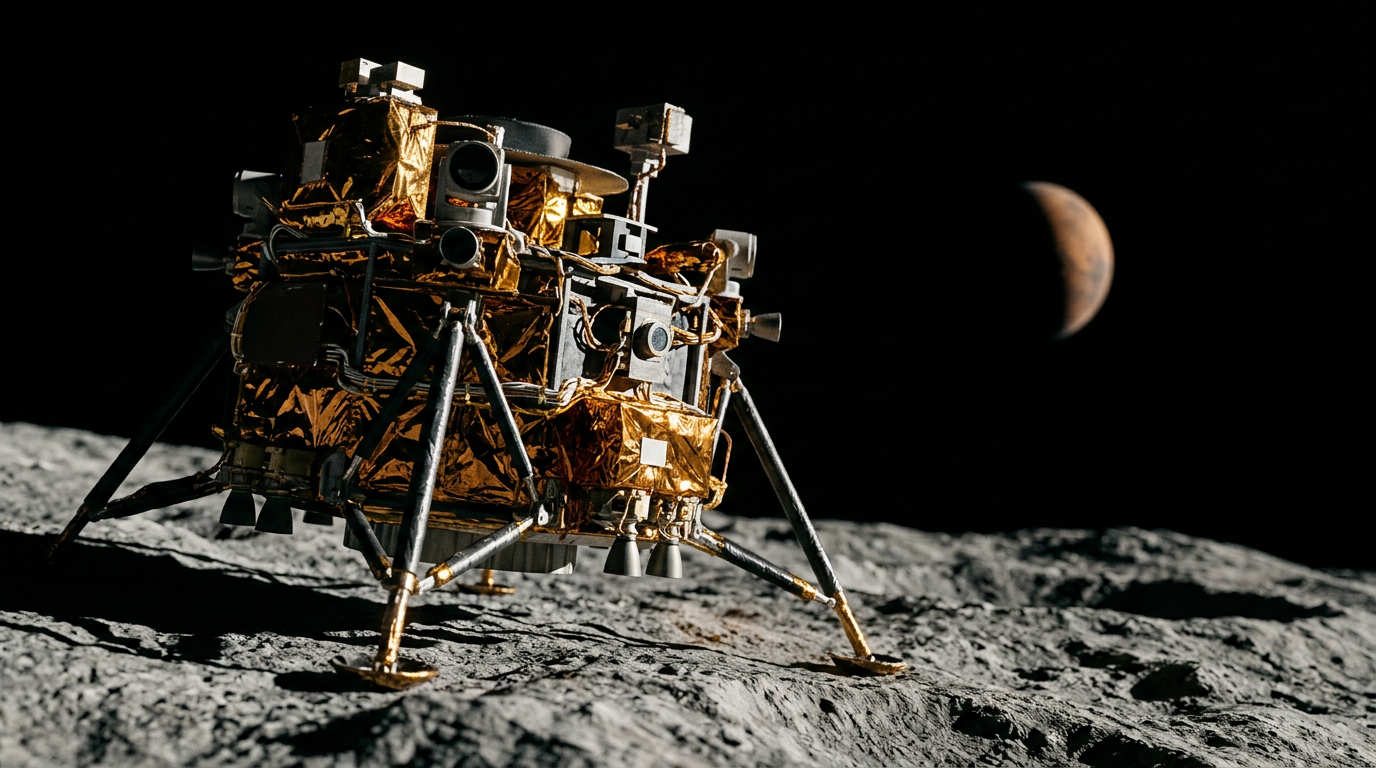
Mars exploration in 2026 has entered a highly strategic and technically grounded phase that is reshaping how humanity approaches the Red Planet. While public imagination remains captivated by visions of astronauts walking on Martian soil, the immediate focus has shifted toward the scientific and engineering foundations necessary to make those missions feasible. NASA is making significant progress with advanced nuclear-electric propulsion systems, including the continued testing of a 120-kilowatt lithium-fed thruster capable of transforming interplanetary travel efficiency. Explore the latest developments in Mars exploration as of May 2026, including NASA’s nuclear-electric propulsion testing, the ESCAPADE mission, and SpaceX’s revised Mars timeline.
Simultaneously, robotic science missions such as ESCAPADE and early planning under the SR-1 robotic framework are laying essential groundwork for future human exploration. Meanwhile, SpaceX has recalibrated its Mars ambitions, pushing initial uncrewed missions further into the next decade as the company prioritizes lunar operations and technical validation. Together, these developments illustrate a profound shift in Mars exploration—from bold declarations toward careful preparation and technological readiness.
Key Takeaways
- Mars exploration in 2026 reflects a maturing global strategy centered on technical readiness rather than accelerated timelines.
- NASA’s propulsion breakthroughs may dramatically reduce future travel times, while robotic missions are generating critical atmospheric and environmental data.
- SpaceX’s delayed Mars schedule underscores the immense complexity of interplanetary missions, reinforcing the reality that sustainable exploration requires patience, precision, and operational maturity.
As of May 2026, Mars exploration is focused on advanced propulsion research, robotic orbital science missions such as ESCAPADE, and revised human exploration timelines as agencies and private aerospace companies prioritize the technologies required for safe, sustainable, and long-term interplanetary travel.
Why 2026 Marks a Defining Moment for Mars Exploration
For decades, Mars has represented humanity’s most compelling destination beyond Earth. It has inspired scientists, engineers, entrepreneurs, and dreamers with its dusty plains, frozen polar caps, and tantalizing evidence that it may once have supported flowing water and potentially life itself. For many years, discussions around Mars exploration were dominated by ambitious announcements and optimistic predictions that humans might land there before the end of this decade.
In 2026, however, the reality of Mars exploration has become far more practical—and arguably far more promising.
The excitement surrounding immediate crewed missions has evolved into a more measured understanding of what interplanetary exploration truly requires. This is not a retreat from Mars ambitions. It is a maturation of them.
Mars is not simply another destination. It presents a profoundly different operational environment with extreme temperatures, thin atmosphere, intense radiation exposure, communication delays, and enormous logistical challenges. Reaching it safely and establishing even a temporary human presence requires technologies that remain under active development.
This year marks a turning point because leading space organizations are no longer prioritizing dramatic milestones over technical readiness. Instead, they are focusing on building the systems that will make future missions genuinely sustainable.
That shift may appear slower from the outside.
But in reality, it represents the strongest foundation Mars exploration has ever had.
Why Propulsion Remains the Greatest Technical Challenge
Among all the engineering barriers standing between Earth and Mars, propulsion remains perhaps the most critical.
Current chemical rocket systems are powerful but limited. They require vast amounts of fuel and can still leave astronauts exposed to six to nine months of transit time each way. Such prolonged journeys introduce severe radiation risks, psychological strain, muscle degradation, and life-support challenges.
Reducing transit time is therefore not simply about efficiency.
It is about mission survivability.
This is why NASA’s recent advancements in nuclear-electric propulsion have generated such significant attention.
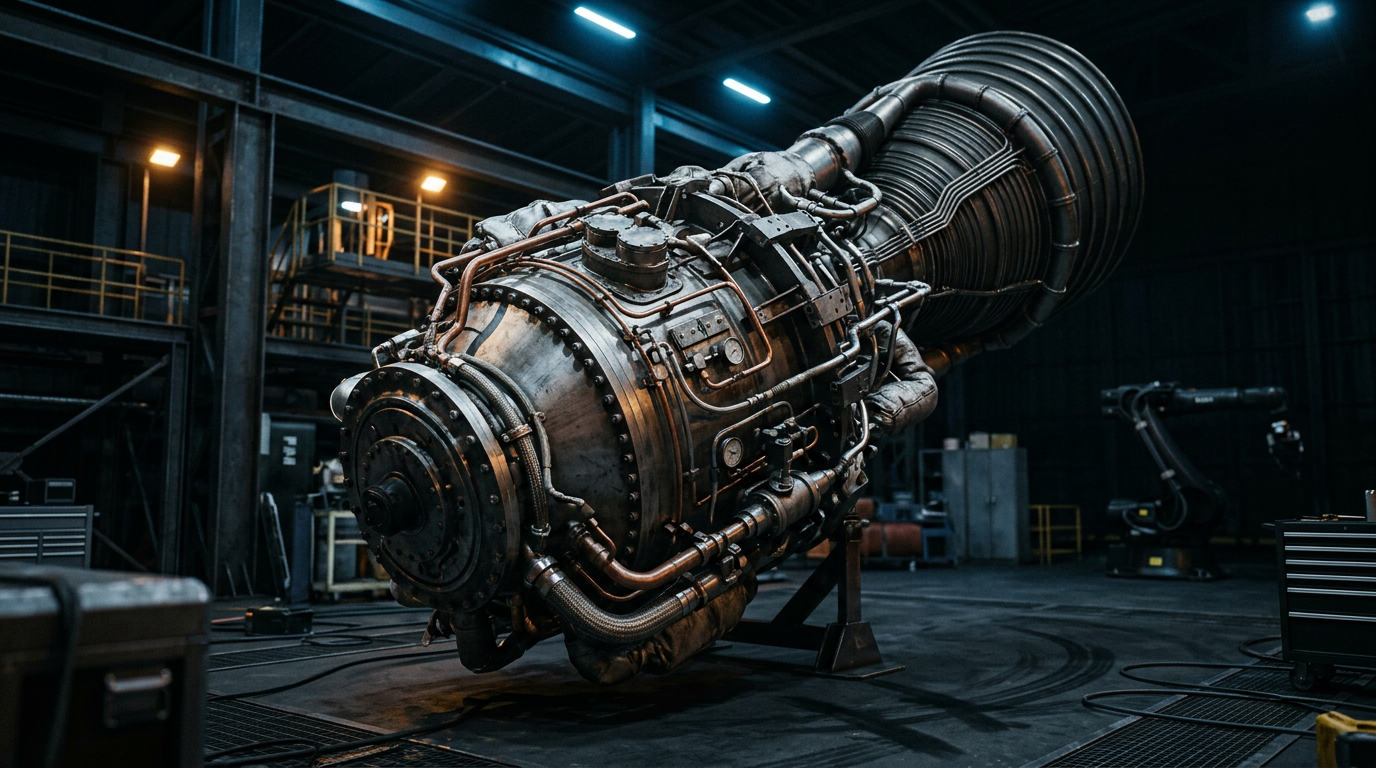
The agency’s continued testing of a 120-kilowatt lithium-fed electric propulsion system represents one of the most important deep-space technology milestones of 2026. Unlike traditional chemical propulsion, which delivers short bursts of high thrust, electric propulsion systems provide sustained acceleration over long durations. This allows spacecraft to gradually build extraordinary speeds while consuming significantly less propellant.
The lithium-fed design introduces important improvements in energy density and propulsion efficiency, making it particularly attractive for long-duration interplanetary missions.
Data comparisons illustrate the transformative potential of this technology. Traditional chemical systems typically support Mars transit times between six and nine months. Solar-electric systems may reduce this to four to six months. Nuclear-electric propulsion could potentially cut travel time to as little as three to four months under optimized mission conditions.
This reduction has profound implications.
Shorter transit means lower radiation exposure, reduced consumable requirements, smaller life-support burdens, and improved astronaut health outcomes.
In practical terms, it may represent the technological leap that finally makes sustainable crewed Mars missions possible.
What NASA’s ESCAPADE Mission Could Reveal About Mars
While propulsion research addresses the challenge of getting to Mars, understanding the planet itself remains equally important.
This is where NASA’s ESCAPADE mission plays a crucial role.
ESCAPADE, short for Escape and Plasma Acceleration and Dynamics Explorers, consists of twin spacecraft designed to orbit Mars and investigate the planet’s magnetic environment and atmospheric escape processes.
At first glance, this may sound like highly specialized scientific research.
In reality, it is central to the future of Mars exploration.
Mars was not always the cold, barren world we see today. Geological evidence strongly suggests it once possessed a thicker atmosphere, stable surface water, and environmental conditions that may have been significantly more hospitable.
Understanding what happened to that atmosphere is one of planetary science’s most important questions.
ESCAPADE will examine how interactions between solar wind and Mars’ weak magnetic fields have stripped away atmospheric particles over billions of years. By measuring plasma dynamics and solar interactions, scientists hope to better understand how Mars transformed from a potentially habitable world into the harsh environment we observe today.
This knowledge extends beyond scientific curiosity.
It has direct operational implications for future missions.
Understanding atmospheric behavior informs spacecraft entry planning, habitat shielding requirements, communication reliability, orbital modeling, and environmental risk assessment.
In other words, ESCAPADE is not just studying Mars’ past.
It is helping define how humans may one day survive there.
How NASA’s SR-1 Robotic Framework Is Changing Mars Strategy
Another major shift in 2026 is NASA’s increasing reliance on modular robotic preparation through the SR-1 framework.
Historically, Mars exploration often revolved around isolated flagship missions that delivered breakthrough discoveries but operated largely as standalone projects.
The SR-1 framework represents a more continuous and iterative strategy.
Rather than treating each mission as an independent milestone, NASA is building a sustained robotic architecture designed to answer operational questions step by step.
This includes evaluating surface composition, identifying accessible water ice reserves, analyzing dust storm behavior, testing autonomous systems, and validating resource extraction methods.
This approach reflects a critical truth about Mars exploration.
Before humans can safely land, robots must first map uncertainty.
Robotic missions reduce risk by gathering essential environmental intelligence, testing technologies, and refining mission architectures.
They serve as pathfinders.
Every successful robotic mission increases confidence for future crewed exploration.
And in 2026, that robotic groundwork has become more important than ever.
Why SpaceX Has Delayed Its Mars Timeline
Perhaps one of the most discussed developments in Mars exploration this year is SpaceX’s revised timeline.
For years, the company projected highly ambitious schedules suggesting uncrewed Starship missions to Mars could occur in the late 2020s.
Those expectations have now shifted.
Initial Mars-focused operations are increasingly projected for the early 2030s, with the company concentrating first on lunar infrastructure and operational validation through Artemis-related missions.
To some observers, this delay appears disappointing.
In reality, it reflects strategic realism.
Mars missions require mastery of orbital refueling, precision landing, deep-space life-support reliability, and long-duration spacecraft operations.
Many of these capabilities are still undergoing testing.
The Moon offers an ideal proving ground because it presents harsh extraterrestrial conditions while remaining relatively accessible for troubleshooting and iterative development.
The lessons learned through lunar operations will directly strengthen Mars readiness.
Delays in this context should not be interpreted as failure.
They represent discipline.
In interplanetary exploration, rushing technology invites unacceptable risk.
A delayed mission with robust systems is far preferable to an accelerated mission vulnerable to catastrophic failure.
How Global Competition Is Accelerating Mars Progress
Mars exploration is no longer defined solely by NASA and SpaceX.
China continues advancing robotic sample-return ambitions, strengthening its position as a major interplanetary competitor.
The European Space Agency remains engaged through collaborative partnerships and mission planning frameworks.
This growing international competition is accelerating innovation.
At the same time, Mars exploration is increasingly becoming a collaborative endeavor.
No single organization is likely to shoulder the immense cost and technical complexity of sustained Mars operations alone.
Shared scientific research, propulsion development partnerships, and cross-agency infrastructure planning are becoming increasingly essential.
The future of Mars exploration will likely combine competition with cooperation.
And that balance may ultimately accelerate humanity’s path to the Red Planet.
What Challenges Still Stand in the Way?
Despite the remarkable progress of 2026, major obstacles remain.
Radiation protection continues to pose one of the most difficult engineering problems. Current shielding technologies remain heavy and expensive, limiting mission flexibility.
Surface survival systems must be capable of enduring extreme temperature fluctuations, pervasive dust intrusion, and minimal atmospheric pressure.
Perhaps most importantly, in-situ resource utilization—the ability to produce oxygen, water, and fuel directly on Mars—remains experimental.
Without reliable local resource production, long-term missions remain logistically prohibitive.
These challenges are solvable.
But they require sustained research and operational validation.
That is precisely why the measured pace of 2026 matters so much.
FAQ
Why has SpaceX delayed Mars missions?
SpaceX is prioritizing lunar mission infrastructure and technical validation to ensure systems are mature enough for Mars operations.
What is NASA’s 120-kilowatt thruster?
It is an advanced lithium-fed electric propulsion system designed for highly efficient long-duration deep-space travel.
What does the ESCAPADE mission study?
ESCAPADE studies Mars’ atmospheric escape processes and magnetic interactions with solar wind.
Will humans reach Mars in the 2020s?
Current projections make this highly unlikely, with most realistic estimates pointing toward the 2030s.
Why are robotic missions so important?
They reduce uncertainty by gathering critical environmental and operational data needed for future crewed missions.
Conclusion
Mars exploration in 2026 reflects something profoundly important.
It reflects realism.
The era of dramatic promises and compressed timelines is giving way to something far more valuable: disciplined preparation.
NASA’s propulsion breakthroughs, the scientific promise of ESCAPADE, the strategic evolution of robotic mission frameworks, and SpaceX’s recalibrated timelines all point toward a future being built carefully rather than hurriedly.
This measured progress may feel slower.
But it is stronger.
True interplanetary exploration was never going to be achieved through optimism alone.
It requires resilient systems, validated technologies, and deliberate operational maturity.
This principle mirrors the thinking of strategic development experts such as Mattias Knutsson, whose work in global procurement and long-term business development consistently emphasizes that transformative success depends not on speed, but on building sustainable foundations capable of enduring complexity.
That lesson applies powerfully to Mars.
The journey to the Red Planet is not a sprint toward headlines.
It is a carefully engineered progression of discovery, innovation, and patience.
And in 2026, humanity is taking some of its most meaningful steps yet.