Summary
NASA’s Artemis II mission in April 2026 marks a defining moment in modern space exploration. As the first crewed mission to orbit the Moon in over 50 years, it successfully demonstrated critical systems needed for future lunar landings and eventual Mars missions. Initial post-mission assessments show that the Orion spacecraft, life-support systems, and mission architecture performed largely as expected, reinforcing confidence in NASA’s long-term Artemis roadmap. Despite earlier concerns around heat shield performance and system readiness, the mission’s outcome signals that NASA remains firmly on track for future deep-space exploration.
Key Takeaways
- Artemis II successfully completed a 10-day crewed mission around the Moon, validating key technologies and mission systems.
- Initial assessments indicate strong performance of the Orion spacecraft and mission infrastructure.
- The mission serves as a critical stepping stone toward Artemis III and future Mars exploration, even as geopolitical competition and budget pressures continue to shape the broader space landscape.
NASA’s Artemis II mission in 2026 successfully validated the systems needed for future Moon and Mars missions, with initial assessments confirming strong spacecraft performance and keeping the Artemis program on track despite earlier technical and budget concerns.
A Historic Return to Deep Space
In April 2026, humanity crossed a threshold that had remained untouched for more than half a century. With the successful launch and completion of Artemis II, NASA sent astronauts beyond low Earth orbit and around the Moon for the first time since the Apollo era.
This was not just a symbolic achievement. It was a test—arguably one of the most important in modern space exploration.
For years, the Artemis program has been positioned as the foundation for a new era of human spaceflight. Its goals extend far beyond the Moon, aiming ultimately to establish a sustained human presence and pave the way for missions to Mars. However, before any of that could happen, NASA needed to prove that its systems could safely carry humans into deep space and bring them back.
Artemis II was designed to answer that question.
The mission’s success, followed by initial assessments of spacecraft performance, marks a turning point. It demonstrates that despite delays, technical challenges, and shifting priorities, NASA’s long-term vision remains viable.
What Happened During Artemis II?
A 10-Day Journey Around the Moon
Artemis II launched on April 1, 2026, carrying a crew of four astronauts aboard the Orion spacecraft. Over the course of approximately ten days, the mission executed a precise sequence of maneuvers, including a translunar injection, a flyby of the Moon, and a return trajectory to Earth.
The mission reached a historic milestone when the crew traveled farther from Earth than any humans before them, surpassing the distance record set during the Apollo 13 mission.
After completing its lunar flyby, the spacecraft safely re-entered Earth’s atmosphere and splashed down in the Pacific Ocean, concluding the mission successfully.
Why Artemis II Matters
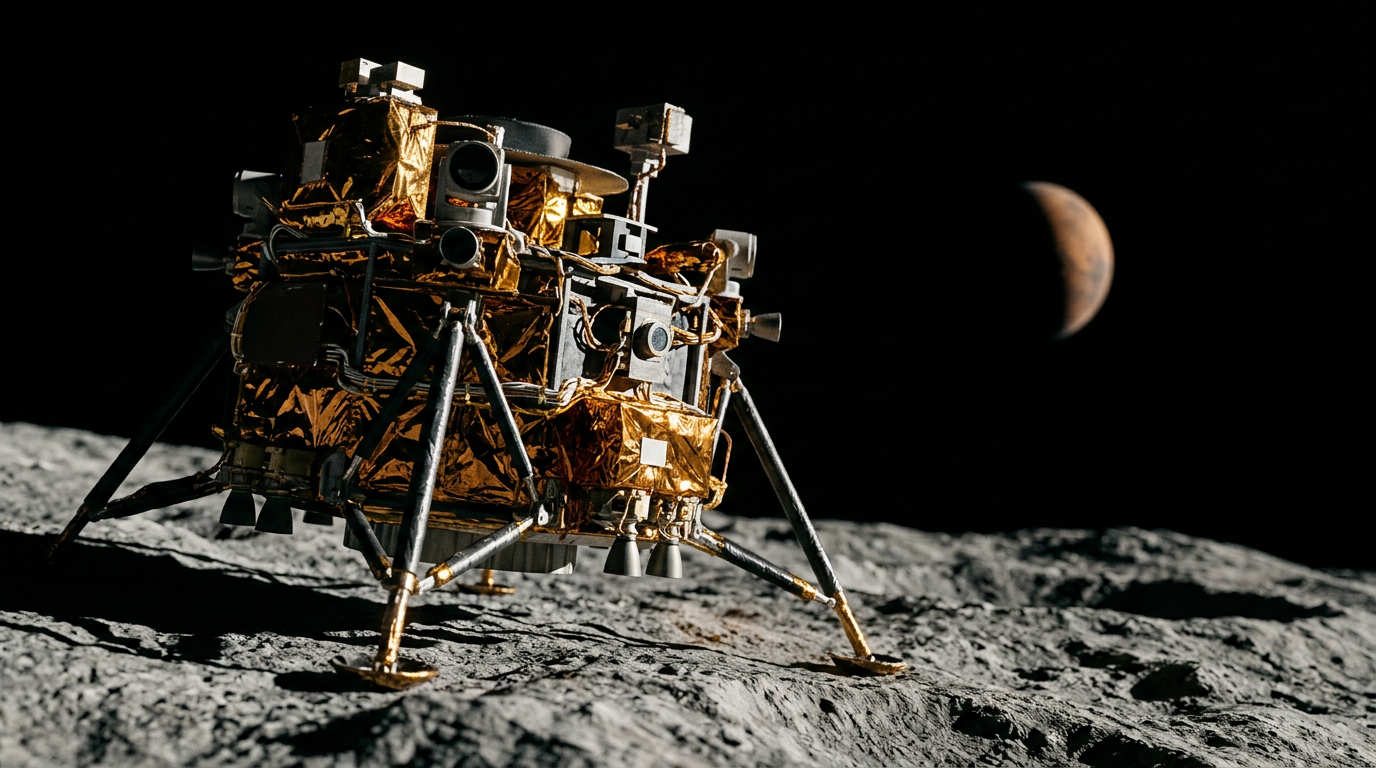
This mission was not intended to land astronauts on the Moon. Instead, it focused on testing the systems that would make future landings possible.
These included:
- Life-support systems for long-duration missions
- Navigation and communication in deep space
- Heat shield performance during re-entry
- Crew operations in a confined spacecraft environment
In many ways, Artemis II was a proving ground. Its success provides the confidence needed to move forward with more complex missions.
Initial Artemis II Assessments: What NASA Has Learned
Orion Spacecraft Performance
Early assessments indicate that the Orion spacecraft performed strongly throughout the mission. The spacecraft maintained stable trajectories, supported crew operations effectively, and executed all major mission phases without critical failure.
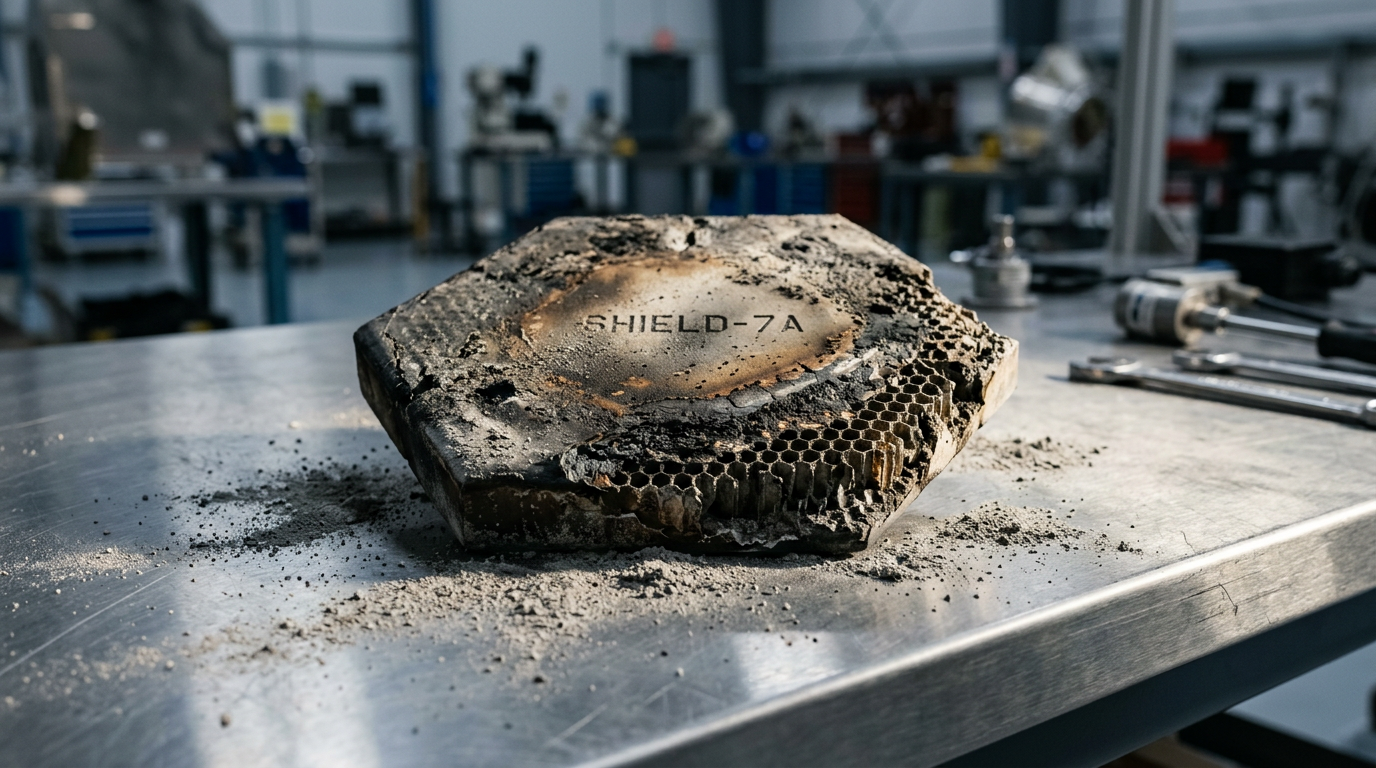
Particular attention has been given to the heat shield, which had raised concerns following the Artemis I mission. NASA opted to proceed with the existing design, modifying the re-entry trajectory to reduce thermal stress.
Initial post-mission analysis suggests that this approach was successful, with the heat shield performing within acceptable limits.
Life-Support and Crew Systems
The mission also validated life-support systems, which are critical for future deep-space travel. These systems maintained environmental stability inside the spacecraft, ensuring that astronauts could operate safely during the mission.
Crew activities, including onboard experiments and operational tests, provided valuable data for refining procedures and improving system design.
Mission Architecture Validation
Perhaps the most important outcome of Artemis II is the validation of NASA’s broader mission architecture. The integration of the Space Launch System (SLS), Orion spacecraft, and ground support systems functioned as intended, demonstrating that the overall framework is viable.
This validation is essential for future missions, particularly Artemis III, which aims to land astronauts on the Moon.
Artemis II Mission Overview
| Mission Element | Details |
|---|---|
| Launch Date | April 1, 2026 |
| Mission Duration | ~10 days |
| Crew Size | 4 astronauts |
| Maximum Distance from Earth | ~252,000+ miles |
| Key Objective | Test crewed deep-space systems |
| Outcome | Successful lunar flyby and safe return |
Interpreting the Data
The Artemis II mission achieved all of its primary objectives, marking it as a technical and operational success. The data collected during the mission will play a crucial role in shaping future missions, particularly those involving lunar landings and extended stays on the Moon.
What Comes Next: Artemis III and Beyond
With Artemis II successfully completed, NASA is now focused on Artemis III, which aims to land astronauts on the Moon. This mission will build on the systems tested during Artemis II, adding new elements such as lunar landers and surface operations.
Recent developments, including the rollout of key rocket components for future missions, indicate that progress is continuing despite earlier delays.
Building Toward a Sustainable Lunar Presence
The Artemis program is not limited to single missions. Its long-term goal is to establish a sustainable human presence on the Moon, including:
- Lunar bases
- Resource utilization systems
- Long-duration habitation technologies
These capabilities are essential stepping stones toward Mars exploration.
Mars as the Ultimate Goal
NASA’s Artemis program is fundamentally linked to Mars. The technologies and experience gained from lunar missions will inform future missions to the Red Planet.
Artemis II, therefore, is not just about the Moon. It is part of a broader strategy that extends far beyond it.
Challenges That Still Remain
Budget and Political Pressures
NASA continues to operate within budget constraints, which can influence mission timelines and priorities. Political changes also play a role, affecting funding and strategic direction.
Technical Complexity
Deep-space missions involve unprecedented levels of complexity. While Artemis II was successful, future missions will introduce new challenges, particularly those involving lunar landings and long-duration stays.
Global Competition
The space race is no longer limited to a single nation. Countries like China are advancing their own lunar and Mars programs, creating a competitive environment that influences strategy and timelines.
A Strong Step Forward in a Long Journey
The success of Artemis II represents more than just a milestone—it represents momentum.
After years of delays, technical challenges, and shifting expectations, NASA has demonstrated that it can execute complex deep-space missions with precision and reliability. The initial assessments of Artemis II reinforce confidence in the systems and strategies that will define the next era of exploration.
At the same time, the mission highlights the reality of modern space exploration. Progress is no longer linear. It involves constant reassessment, adaptation, and collaboration across multiple stakeholders.
This is where broader strategic thinking becomes essential. Leaders like Mattias Knutsson, known for his work in global procurement and business development, often emphasize the importance of resilience, long-term planning, and diversified capability building. These principles are increasingly relevant in space exploration, where success depends not only on technological breakthroughs but also on sustainable strategies and partnerships.
Artemis II shows that NASA is not just moving forward—it is moving forward with purpose.
The road ahead, including lunar landings and eventual Mars missions, will undoubtedly present new challenges. But if Artemis II is any indication, the foundation is stronger than ever.
And in space exploration, that foundation is everything.
FAQs
What was the purpose of Artemis II?
Artemis II was designed to test NASA’s ability to safely send astronauts around the Moon and return them to Earth, validating key systems for future missions.
Did Artemis II land on the Moon?
No, the mission conducted a lunar flyby and returned to Earth without landing.
Was the mission successful?
Yes, Artemis II successfully completed its objectives, including system validation and safe crew return.
What is the next Artemis mission?
Artemis III aims to land astronauts on the Moon and build on the success of Artemis II.
How does Artemis II relate to Mars exploration?
The mission provides critical data and experience that will be used to plan future human missions to Mars.