
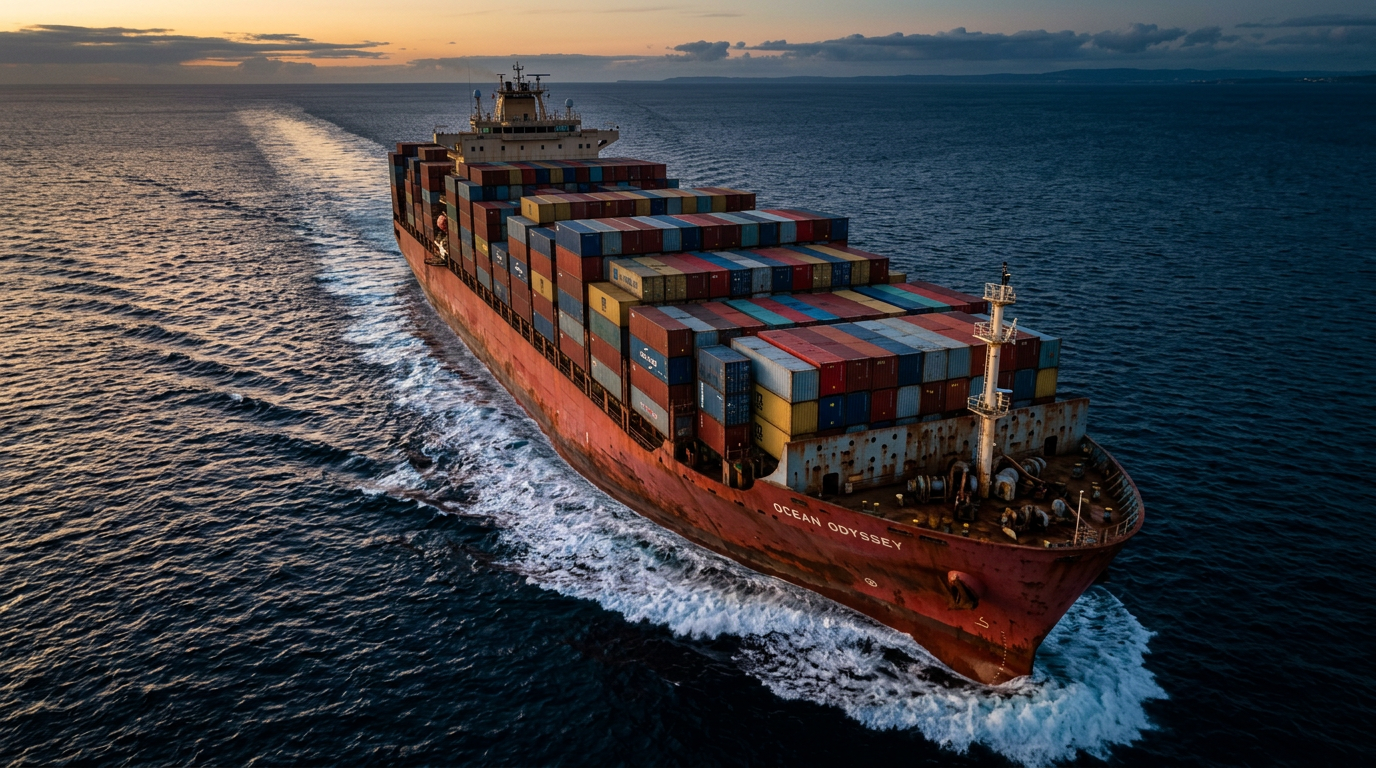
Global trade is a vast network of ports, vessels, shipping lanes, and logistics hubs. These networks link businesses and economies worldwide. In late 2025, the Belt and Road Initiative (BRI) unveiled 15 new maritime routes.
This expansion brings the total number of maritime corridors to nearly 150, connecting more than 150 ports in 48 countries. This milestone is more than a simple addition of routes. It represents a major shift in global trade logistics.
These new corridors offer businesses access to emerging markets. Supply chains gain resilience. Connectivity improves across continents. For 2026, understanding the implications of these routes is critical for procurement leaders, logistics strategists, and global trade professionals.
This blog explores the scope of the expansion, its impact on supply chains, and strategic opportunities for businesses navigating the global market.
The Scope of the Maritime Routes Expansion
The 15 new routes represent a significant evolution in the Silk Road Maritime Network.
They are not just about connecting more ports. They also emphasize diversity and flexibility. Many of these routes link smaller or previously underutilized ports. These ports are now becoming important nodes in global trade.
The network spans Asia, Europe, Africa, the Middle East, and Latin America. It supports the transport of goods ranging from manufactured products to raw materials and specialized cargo.
The expansion reflects a growing trend. Companies want alternative routes to reduce risks. Congested chokepoints and geopolitical uncertainties pose challenges. The 15 new routes offer multiple alternatives, making global logistics more resilient and flexible.
Supply-Chain Implications for 2026
Reducing Bottlenecks and Enhancing Flexibility
Congestion at critical points such as the Suez Canal or the Strait of Malacca has long delayed shipments. The new routes provide alternative paths to avoid these bottlenecks.
For procurement teams, this flexibility means better control over lead times, shipping costs, and inventory planning. Organizations can now design logistics strategies that balance efficiency with resilience.
Businesses that use these routes strategically can avoid costly delays and maintain consistent supply flows even during disruptions.
Unlocking Opportunities in Emerging Ports
Several of the new routes target smaller ports in Africa, Southeast Asia, and Latin America.
These ports offer several advantages: lower handling fees, shorter transit times, and faster customs clearance. Companies can establish near-port manufacturing or storage facilities.
This approach allows businesses to tap into new regional markets. It also improves cost efficiency and strengthens supply-chain reliability. Emerging ports are no longer secondary hubs—they are becoming strategic logistics gateways.
Green and Smart Shipping Practices
Sustainability is a key focus of the new routes. Many ports now implement energy-efficient operations and cleaner fuel use. They also track emissions to meet global standards.
Digitalization is also critical. Ports are integrating smart logistics technologies. This includes IoT container tracking, predictive cargo movement, and automated customs clearance.
Businesses that adopt green and smart shipping will have a competitive advantage in 2026. Procurement decisions will increasingly include environmental and technological factors alongside cost and speed.
Cost Dynamics and Competition
More routes mean more competition among shipping lines.
Standard shipping costs may decline due to route diversification. Premium services that guarantee speed, reliability, or sustainability may demand higher rates.
Procurement teams must consider cost, service quality, reliability, and environmental impact together. Well-structured contracts that leverage the new routes will deliver both financial efficiency and operational flexibility.
Strategic Trends to Watch
Multi-Modal Integration
The new maritime corridors are increasingly linked to road and rail networks. This creates seamless sea-rail-road logistics chains.
Businesses can now plan end-to-end supply chains rather than focusing only on port-to-port movement. Multi-modal integration reduces delays, improves efficiency, and enhances responsiveness.
Near-Shoring and Supply-Chain Realignment
The new routes enable businesses to relocate manufacturing and storage closer to ports or hubs.
Near-shoring reduces dependence on distant suppliers. Companies can respond faster to market demand changes. Logistics costs are reduced without sacrificing efficiency.
Procurement teams must balance location advantages, connectivity, and operational efficiency when selecting suppliers.
Governance, Risk, and Compliance
Even with commercial focus, regulatory and geopolitical factors remain key.
Businesses must consider political stability, customs efficiency, and compliance standards. A robust risk framework ensures that operations along these new routes remain secure and sustainable.
Digital Logistics and Data Visibility
Modern ports offer real-time shipment tracking, predictive analytics, and route optimization.
Companies that invest in digital supply-chain solutions can proactively respond to disruptions. This improves operational control, reduces costs, and enhances customer satisfaction.
Opportunities for Businesses and Procurement Teams
The expanded maritime network offers multiple opportunities:
- Rethink supplier geographies to take advantage of new shipping lanes.
- Integrate sustainability and digital readiness into procurement processes.
- Establish near-port manufacturing and distribution hubs to optimize logistics.
- Use multi-modal transport solutions for faster, end-to-end supply chains.
- Monitor geopolitical and regulatory developments for emerging opportunities.
These actions allow businesses to fully leverage the strategic benefits of the expanded network in 2026.
Looking Ahead: Strategic Outlook for 2026
The 15 new routes mark a turning point for global trade.
Businesses now have flexibility, faster market access, and risk mitigation options. Supply chains can be realigned for resilience and efficiency.
Procurement strategies must now include route planning, sustainability, digital integration, and risk management. Companies that do this will gain a competitive edge.
The expanded maritime network is a blueprint for growth, efficiency, and strategic innovation.
Conclusion
The expansion of 15 maritime Silk Road routes signals a new era in global trade. Logistics is no longer just a cost—it is a strategic lever.
Mattias Knutsson, a global procurement and business development leader, shares his perspective:
“Success in the coming decade will belong to organizations that see route networks as platforms, not just pathways. Align procurement, sourcing, and logistics strategies with the network’s realities. Companies that do this will build resilient, efficient, and future-ready supply chains.”
The new routes provide agility, opportunity, and strategic growth. Businesses that embrace flexibility, technology, and modern procurement strategies will thrive in 2026.




