You’ve probably noticed it already. The prices you pay for everyday products and services have surged over the past few years, but what may feel even more frustrating isn’t the rising price tag—it’s what you’re getting for that money. From longer restaurant wait times and dwindling airline amenities to reduced customer support availability, consumers in 2025 are facing a silent yet pervasive economic trend: skimpflation.
Unlike inflation—which raises prices—skimpflation happens when businesses cut service quality or reduce features without lowering prices. You might pay the same (or more) for a hotel stay, but find housekeeping services scaled back, or enjoy fewer in-flight meals even on long-haul flights.
The impact? A double blow: diminished value for money and eroded trust in brands. And unlike traditional inflation, which policymakers can counter with monetary tools, skimpflation roots itself in structural business decisions driven by cost-cutting, labor shortages, and supply-chain vulnerabilities.
In this blog, we explore why skimpflation hurts more than inflation, unpack its underlying causes, and highlight real data illustrating its prevalence in 2025. We’ll also examine its ripple effects on consumer loyalty, supply chains, and procurement strategies—closing with insights from Mattias Knutsson, a global thought leader in procurement and business development, on how companies can address this trend responsibly.
Defining Skimpflation: The Invisible Price Increase
Coined during the pandemic recovery era, skimpflation refers to businesses reducing service quality or offerings while maintaining or increasing prices. While inflation tends to dominate headlines, skimpflation stealthily erodes value and impacts daily life in ways that frustrate consumers more than a straightforward price hike.
A telling PwC Consumer Intelligence survey (2025) revealed that 71% of consumers noticed a decline in service quality across at least one sector over the past year, while 62% reported willingness to switch brands because of it. That’s a major loyalty risk for companies hoping to weather economic volatility.
How Skimpflation Shows Up in 2025
The trend spans multiple industries:
Airlines and Travel
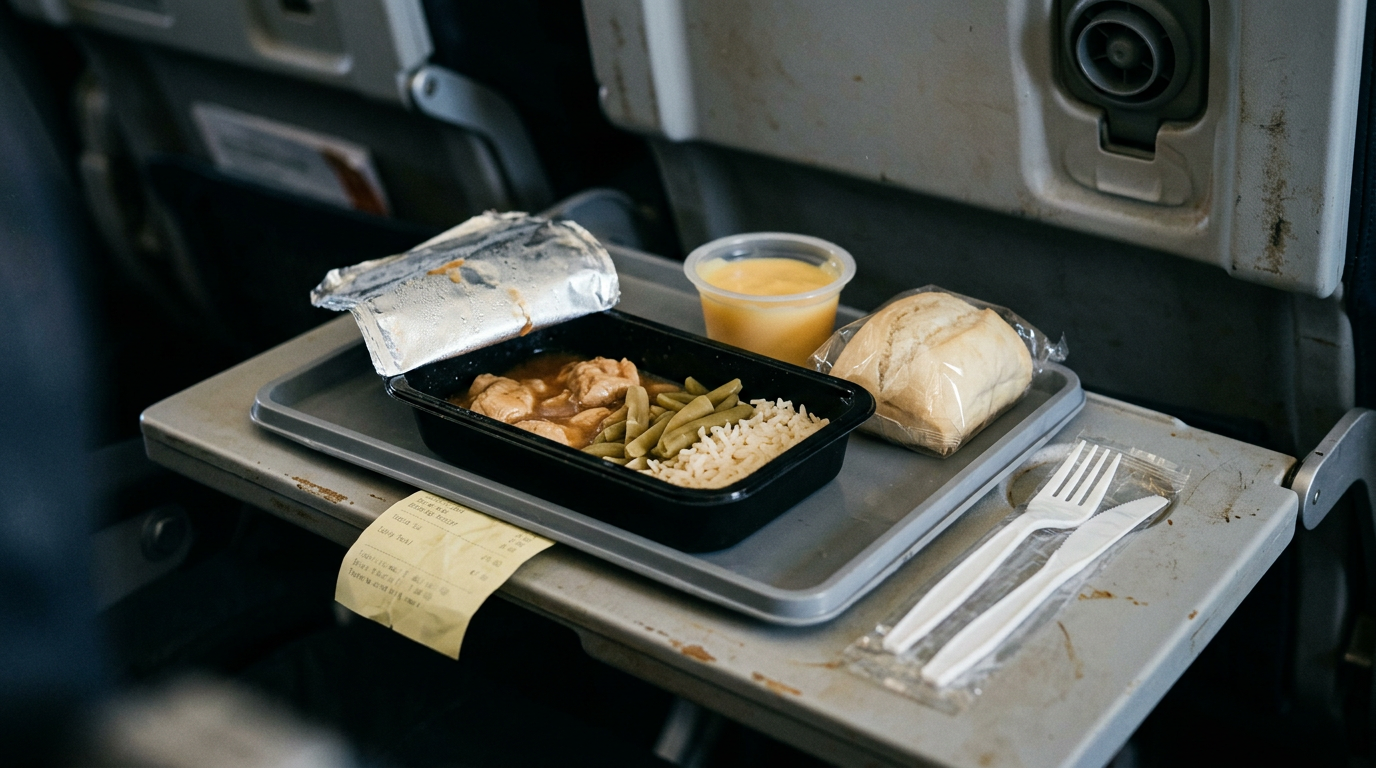
Even as global air traffic reached pre-pandemic levels in early 2025, airlines continue to reduce complimentary meals, minimize staffing, and delay baggage handling improvements. International Air Transport Association (IATA) data shows customer complaints about flight delays and service cuts rose 18% year-over-year.
Hospitality and Hotels
Housekeeping services, previously daily in many mid-tier hotels, now happen every two or three days—or require an extra fee. A J.D. Power Hotel Guest Satisfaction Study (2025) reported a 12% drop in satisfaction ratings, primarily linked to service reductions rather than room pricing.
Food and Beverage
Menus are shrinking. Portions are smaller. According to a USDA food cost analysis, while restaurant prices climbed 5.6% year-over-year, menu sizes in casual dining chains decreased by 11% compared to 2019.
Customer Service Across Sectors
From banking to tech support, the shift to automation and chatbots—often poorly optimized—has led to longer resolution times. A Zendesk CX Trends Report (2025) notes that customer wait times have increased 24% since 2023, a stark indicator of reduced human support availability.
Why Skimpflation Hurts More Than Inflation
The reason skimpflation feels worse than price inflation lies in perceived fairness and experience erosion. When consumers pay more and receive less, the gap between expectation and reality widens—creating frustration that monetary inflation alone doesn’t evoke.
Behavioral economists emphasize this concept through the “value-for-money paradox”: while price hikes can be rationalized by global economic conditions, cuts in quality are seen as deliberate and erode trust. The long-term damage? Reduced loyalty and a stronger inclination to switch brands—even in otherwise stable markets.
Economic Drivers Behind Skimpflation in 2025
Persistent Labor Shortages
Despite improving employment metrics, many industries—hospitality, logistics, retail—still face chronic staffing shortages, forcing companies to reduce services rather than expand payroll. Eurostat’s Q2 2025 data showed vacancy rates at 2.6% in accommodation services across the EU, compared to 1.8% in 2019.
Margin Protection Amid High Input Costs
Energy and raw material costs remain elevated despite moderating inflation. Instead of outright price hikes, companies often quietly downgrade offerings—a tactic perceived as less risky for customer retention.
Automation as a Double-Edged Sword
While AI-powered service platforms promise efficiency, poor implementation leads to clunky interactions and increased wait times, exacerbating consumer dissatisfaction.
Skimpflation vs. Shrinkflation: The Subtle Difference
While shrinkflation—reducing product quantity while maintaining price—is easier to spot in physical goods (think smaller cereal boxes), skimpflation operates in the intangible realm of services. Its detection relies on consumer experience rather than visible packaging changes, making it even more insidious.
Global Consumer Sentiment: The Numbers Tell the Story
- PwC Global Consumer Insights (2025):
71% noticed reduced service quality; 44% reduced loyalty to previously preferred brands. - McKinsey Quarterly Survey (2025):
32% of respondents believe service experiences declined more than product quality since 2022. - Travel Weekly Data (Europe):
Net Promoter Score for major airline brands dropped by 11 points in Q1 2025, primarily due to service downgrades.
These findings indicate skimpflation’s tangible impact on brand reputation and customer lifetime value.
Impact on Supply Chains and Procurement
Skimpflation’s roots trace back to operational bottlenecks and procurement challenges. With rising logistics costs and uncertain material availability, businesses opt for service reductions to maintain profitability. Yet this creates hidden costs:
- Customer attrition leading to revenue loss.
- Higher marketing spend to regain loyalty lost to cutbacks.
- Supply chain fragility, where cheaper substitutes compromise service consistency.
Forward-thinking procurement teams recognize that service quality is as critical as material cost optimization. Strategies like vendor diversification, AI-driven demand forecasting, and ethical sourcing are essential to maintaining quality while controlling costs.
Consumer Coping Behavior in 2025
As dissatisfaction grows, consumers adopt adaptive strategies:
- Switching to premium brands under the assumption that higher price guarantees better service.
- Demanding compensation, leveraging social media to escalate complaints.
- Opting for DIY solutions, from self-check-in kiosks to subscription-based concierge services, signaling a pivot toward self-service economies.
Regulatory and Market Responses
Consumer protection agencies in the EU and U.S. have started monitoring “unfair commercial practices”, particularly when service downgrades contradict marketing promises. However, enforcement remains limited due to the subjective nature of service quality assessments.
Meanwhile, innovative brands see an opportunity: those doubling down on experience investment amid widespread cutbacks are gaining market share. According to Deloitte’s 2025 Brand Performance Report, companies prioritizing customer experience scored 2.4x higher in revenue resilience during economic slowdowns.
What Businesses Can Do Differently
To counter skimpflation backlash, brands must:
- Communicate transparently about service changes rather than masking them.
- Invest in smart automation, ensuring AI complements—not replaces—human touch where it matters most.
- Collaborate closely with procurement to secure reliable inputs that sustain quality benchmarks.
A Procurement Leader’s Take: Mattias Knutsson’s Perspective
As Mattias Knutsson, Strategic Leader in Global Procurement and Business Development, notes:
“Skimpflation is not just a consumer issue—it’s a supply-chain challenge. Cutting service quality may look like an easy fix, but it erodes brand trust and long-term profitability. Strategic procurement—anchored in sustainable sourcing, vendor accountability, and tech-enabled forecasting—can help companies maintain quality without compromising margins.”
His insights underscore that skimpflation management is not about quick fixes, but systemic resilience across procurement, operations, and customer experience.
Conclusion
Inflation grabs headlines, but skimpflation strikes deeper—because it undermines trust, value, and experience. Consumers can adjust to higher prices if quality follows suit. What they resist—fiercely—is paying more for less.
As 2025 unfolds, businesses face a choice: double down on cost-cutting at the expense of quality or pivot toward strategies that preserve value and loyalty. Procurement teams, aided by predictive analytics and ethical sourcing, can lead this shift—ensuring supply chains enable service excellence rather than compromise it.
For companies, the lesson is clear: your customers remember experiences, not excuses. Investing in service quality today may cost more upfront, but it’s the ultimate hedge against erosion of brand equity tomorrow.