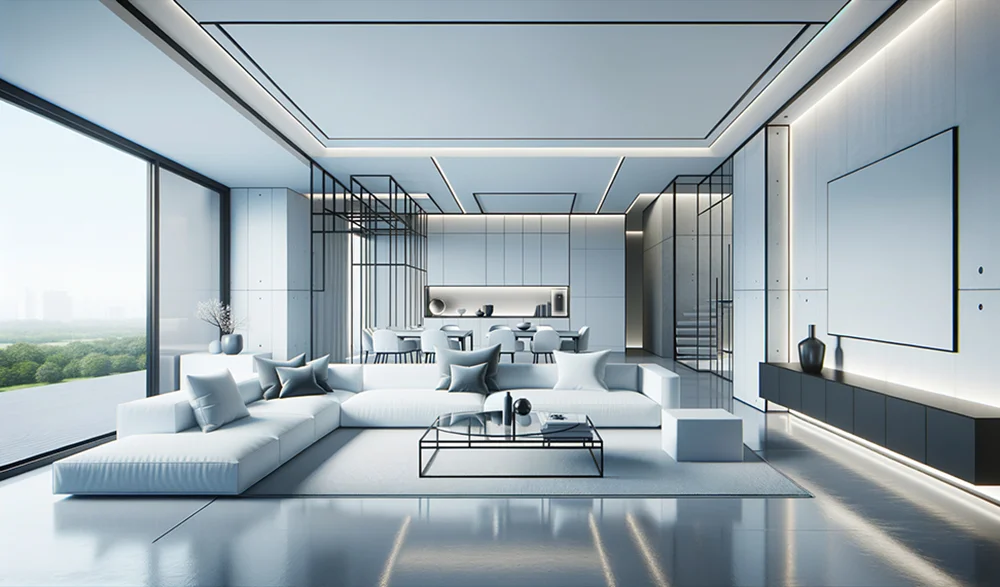
SS2026 is introducing a powerful shift in interior design — one that moves beyond visual aesthetics and into meaningful functionality. While colour has captured headlines this year, another equally transformative movement is unfolding quietly: homes are being designed not only to impress, but to support how we actually live.
The modern home has evolved dramatically in the past decade. It is no longer just a place to unwind at the end of the day. It is an office, a retreat, a classroom, a wellness space, a gathering hub, and for many, a creative studio. With this evolution comes a new design philosophy — function-forward living.
Designers in SS2026 are prioritizing real-life needs: lighting that aligns with circadian rhythms, storage solutions that eliminate stress without sacrificing style, adaptable rooms that transition seamlessly from productivity to rest, and thoughtfully defined zones that foster calm. The home is becoming a partner in wellbeing.
Recent housing and consumer reports indicate that nearly 70% of homeowners now prioritize functionality over decorative trends when renovating. Meanwhile, spending on wellness-oriented home improvements has grown by more than 30% compared to pre-2020 levels. These figures tell a clear story: people want homes that work with them, not against them.
Function-forward living is not about minimalism or austerity. It is about intentional beauty — spaces that serve purpose while remaining warm, inviting, and deeply personal.
The Rise of Functional Beauty
Interior design in SS2026 reflects a matured understanding of beauty. A stunning room that feels impractical no longer satisfies modern homeowners. Instead, the most admired interiors today combine emotional warmth with operational intelligence.
Functional beauty embraces:
- Seamless storage integration
- Flexible layouts
- Intelligent lighting systems
- Multi-purpose furniture
- Dedicated wellness areas
But unlike previous eras of purely utilitarian design, today’s solutions are refined and integrated. Cabinetry conceals clutter without feeling cold. Lighting systems adjust naturally without becoming overly technical. Furniture adapts without sacrificing craftsmanship.
Designers report that clients increasingly ask one key question during consultations: “How will this space support my daily life?”
That question now drives the design process.
Circadian Lighting: Designing for the Human Body
One of the most influential components of function-forward living in SS2026 is circadian lighting.
Circadian lighting systems mimic natural daylight patterns, adjusting brightness and warmth throughout the day. Morning light appears cooler and energizing, while evening light shifts to warmer tones that promote relaxation.
Research in environmental health demonstrates that exposure to appropriate light cycles can improve sleep quality by up to 20%, reduce eye strain, and support overall mood regulation. As a result, smart lighting installations have increased by approximately 25% in residential renovations over the past two years.
How Circadian Lighting Functions
| Time of Day | Light Temperature | Purpose |
|---|---|---|
| Morning | 4000–5000K (cooler white) | Boost alertness and focus |
| Midday | 3500–4000K | Maintain productivity |
| Evening | 2700–3000K (warm white) | Encourage relaxation |
| Night | Dimmable amber tones | Support melatonin production |
In SS2026 interiors, circadian lighting is often integrated subtly through recessed fixtures, pendant systems with adjustable warmth, or smart bulbs programmed through home automation platforms.
What makes this trend remarkable is its quiet impact. Unlike dramatic decor shifts, circadian lighting improves life quality invisibly — supporting wellness without altering design harmony.
Intentional Storage: Calm Through Organization
Clutter has a measurable psychological impact. Studies show that visual clutter can increase cortisol levels and contribute to feelings of stress and overwhelm. In response, SS2026 design focuses heavily on intelligent storage systems that feel intentional rather than hidden.
Storage is no longer an afterthought. It is integrated into architectural planning.
Instead of bulky cabinets or temporary organizers, designers are building:
- Floor-to-ceiling concealed cabinetry
- Built-in wall niches
- Under-bench storage in dining areas
- Hidden appliance garages in kitchens
- Multi-layered closet systems
Global cabinetry and built-in storage markets are projected to grow by over 6% annually through 2027, reflecting this demand for permanent, thoughtful organization solutions.
Storage Strategies in Function-Forward Homes
| Area | Integrated Solution | Benefit |
|---|---|---|
| Entryway | Built-in mudroom benches | Reduces daily clutter |
| Kitchen | Appliance garages | Cleaner countertops |
| Living Room | Concealed media walls | Visual simplicity |
| Bedroom | Custom wardrobes | Maximized efficiency |
| Bathroom | Recessed shelving | Streamlined appearance |
The goal is not to hide life — but to support it. When storage works efficiently, rooms feel peaceful without feeling empty.
Wellness Zones: The Home as a Sanctuary
Another defining feature of SS2026 interiors is the emergence of dedicated wellness zones.
As awareness of mental and physical health continues to grow, homeowners are carving out specific areas designed for restoration and mindfulness. These spaces are not necessarily large; often they are compact corners designed with care.
Examples include:
- Meditation alcoves
- Reading nooks with soft lighting
- Indoor garden walls
- Yoga-friendly open spaces
- Digital detox corners
According to recent consumer trend studies, nearly 45% of homeowners planning renovations are incorporating some type of wellness-oriented feature into their design.
These zones often include calming colour palettes, tactile textiles, natural materials, and layered lighting. Soft oak woods, linen upholstery, stone accents, and indoor greenery are particularly prominent.
Wellness design is less about luxury and more about intentionality. Even a single armchair placed beside a softly lit window can become a powerful restorative space.
Multi-Functional Spaces: Flexibility for Modern Living
Homes in SS2026 are rarely static. Rooms must adapt quickly throughout the day.
A dining room might function as a home office by morning. A guest bedroom might double as a creative studio. A living area may host both family gatherings and quiet evenings.
This has fueled the rise of adaptable furniture and flexible layouts.
Key Adaptable Design Elements
| Element | Dual Purpose |
|---|---|
| Extendable dining tables | Workspace + entertaining |
| Murphy beds | Guest room + office |
| Modular sofas | Conversation + lounging |
| Fold-away desks | Productivity + open space |
| Sliding partitions | Privacy + openness |
Furniture manufacturers report increasing demand for modular and convertible pieces, with growth rates exceeding 15% in certain categories.
Flexibility is no longer a bonus feature — it is essential infrastructure.
Acoustic Design: The Overlooked Comfort Factor
In addition to lighting and storage, acoustic comfort is gaining recognition in SS2026.
As more people work remotely, noise control has become a design priority. Soft furnishings, acoustic panels disguised as art, upholstered walls, and textured rugs help absorb sound.
Research indicates that excessive background noise can reduce concentration by up to 66%. In response, designers are incorporating sound-dampening materials that blend seamlessly into aesthetic choices.
Homes are becoming quieter — not just visually, but acoustically.
Sustainable Functionality
Sustainability and function-forward design are increasingly interconnected.
Homeowners are investing in durable materials, energy-efficient lighting, and long-lasting built-ins rather than temporary decorative upgrades. Energy-efficient LED lighting now accounts for more than 80% of residential lighting installations.
Sustainable materials such as FSC-certified wood, recycled metal hardware, and low-VOC paints are standard in many new builds.
Function-forward living aligns naturally with environmental responsibility: when homes are designed intentionally, they waste less space, less energy, and fewer materials.
Market Snapshot: The Economics of Purpose-Driven Design
The global home improvement market continues to grow steadily, and wellness-focused renovations represent a significant portion of that expansion.
| Category | Estimated Growth 2024–2026 |
|---|---|
| Smart Lighting Systems | +25% |
| Built-In Storage Solutions | +18% |
| Multi-Functional Furniture | +15% |
| Wellness-Oriented Renovations | +30% |
| Acoustic Design Materials | +12% |
These figures highlight a sustained investment in practical beauty.
Function-forward design is not a fleeting aesthetic; it reflects long-term lifestyle priorities.
Conclusion: Designing Homes That Support Real Life
Spring/Summer 2026 is redefining what it means for a home to be beautiful.
A beautiful home today is one that supports sleep, encourages focus, reduces stress, and adapts gracefully to changing routines. It is layered with warmth, guided by purpose, and structured around human wellbeing.
Circadian lighting gently aligns daily rhythms. Storage systems create visual peace. Wellness zones offer quiet restoration. Multi-use furniture provides adaptability without compromise. Acoustic enhancements foster calm.
Function-forward living is not about stripping homes down. It is about building them up — thoughtfully and intelligently.
In a world that often feels fast and overwhelming, our homes must become anchors. They must serve us with intention and grace.
As design continues to evolve, SS2026 reminds us of something essential: when form follows function with empathy and care, beauty becomes deeper, more meaningful, and truly lasting.