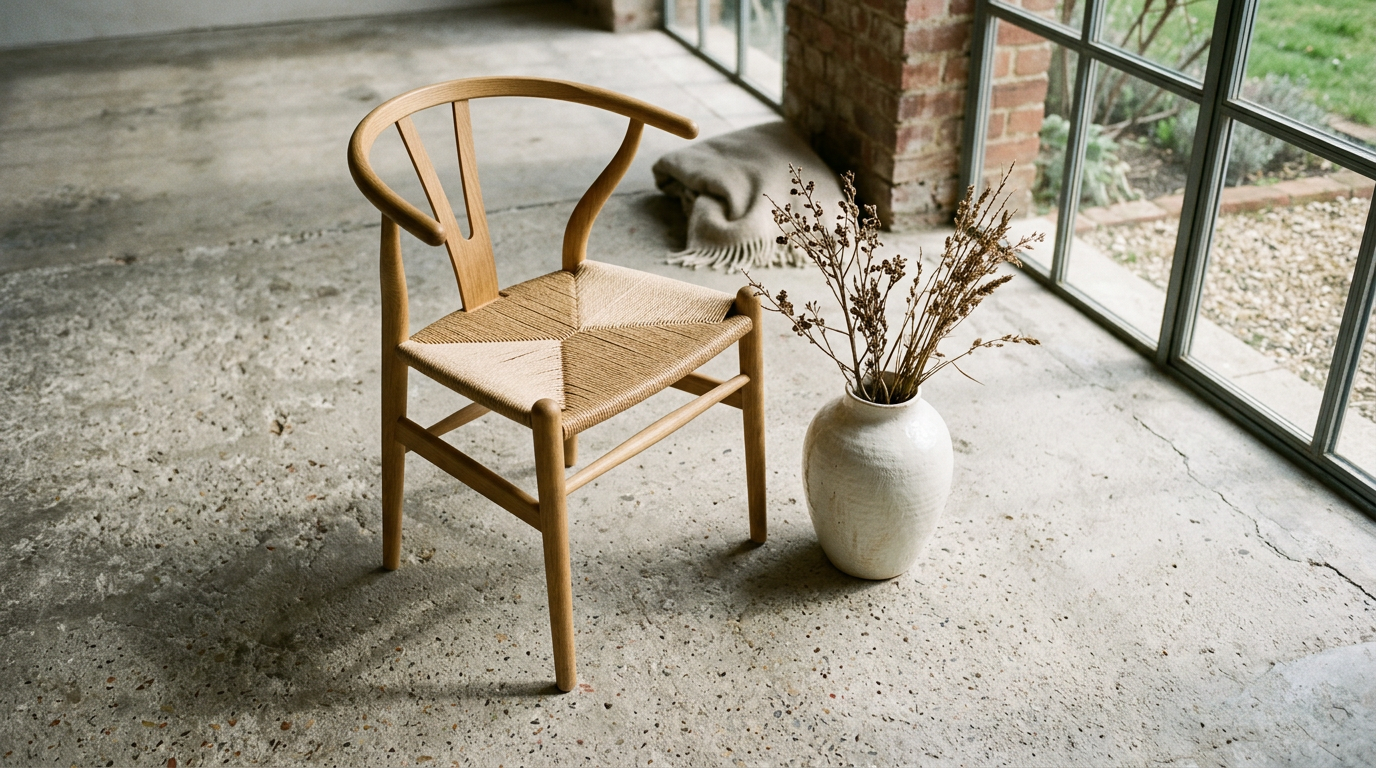
There’s something universally calming about Danish design. You notice it immediately—a chair that feels like a gentle hug, a lamp that casts the right light without showing off, or a room that’s beautifully empty yet fully functional. It’s not about opulence. It’s about intention. Discover the enduring legacy of Danish design. From sleek, functional furniture to modern sustainability, explore what makes it globally iconic.
Danish design has achieved what few aesthetics can: timelessness. Since the mid-20th century, it has represented an entire philosophy of living that values simplicity, function, and quality. It bridges culture and commerce, craftsmanship and technology. Whether you walk into a home in Tokyo, a workspace in San Francisco, or a boutique hotel in Paris, chances are you’ll see the fingerprints of Danish design.
In this blog, we explore the DNA of this iconic design language. We’ll trace its roots, examine its core principles, showcase its most famous pieces, and highlight why procurement professionals and business leaders like Mattias Knutsson see it as a strategic asset—not just a style. Through historical context, current market data, and sustainability trends, we’ll show how Danish design continues to shape the future of global interiors.
A Brief History of Danish Design
To understand its global influence, you need to look back. Danish design blossomed after World War II, during a time of rebuilding and rethinking. The world needed affordable, democratic furniture—furniture that could serve a growing middle class. Denmark answered that need with elegant practicality.
Influential Designers Who Defined the Movement:
- Hans J. Wegner, often called the “Master of the Chair,” designed over 500 chairs in his career.
- Arne Jacobsen, an architect and designer, brought us the famous Egg Chair and Series 7 chair.
- Finn Juhl brought a sculptural and organic form to furniture that elevated it to art.
- Børge Mogensen designed for mass production with a focus on utility and comfort.
Their work was grounded in Bauhaus principles, but with a uniquely Nordic warmth. They combined industrial progress with handmade traditions—wood, leather, and craftsmanship never disappeared.
Core Values That Define Danish Design
Danish design is more than an aesthetic—it’s a mindset. Here are the values that give it its timeless soul:
1. Human-Centered Functionality
Everything begins with the user. How does a person sit, move, feel? If it doesn’t improve the experience, it’s not included.
2. Minimalism with Warmth
Unlike stark minimalism, Danish interiors feel lived-in and welcoming. Soft edges, natural light, and neutral tones replace harsh lines and cold palettes.
3. Craftsmanship and Heritage
Many pieces are still produced by hand or with traditional woodworking techniques. Danish designers view furniture as heirlooms—not disposable items.
4. Longevity and Sustainability
Built to last, Danish pieces often become generational treasures. Sustainability is not a trend—it’s a tradition.
5. Democracy in Design
Design should be available to all. That’s why pieces like the Wishbone Chair or Poet Sofa are now staples in both museums and ordinary homes.
The Global Demand for Danish Aesthetic

The influence of Danish design stretches far beyond Denmark’s borders.
Real-World Stats:
- The Scandinavian furniture market is projected to reach $16.2 billion by 2026, with Denmark contributing over 30%.
- Architectural Digest’s 2024 report listed Danish designers in 7 of their Top 20 most influential modern interior creatives.
- Global search data shows that “Danish furniture” and “Scandinavian interior” rank among the top 10 most Googled interior design terms in the U.S., U.K., Germany, and Australia.
Key Export Markets:
- United States: Mid-century enthusiasts adore Danish design, particularly in California and New York.
- Japan: Shared values in minimalism, quality, and nature-infused living make it a strong fit.
- Germany & France: High-income households favor Danish furniture for its subtle luxury and sustainable appeal.
Sustainable Design Leadership: Denmark’s Ongoing Commitment
Denmark is not just a design leader—it’s a sustainability pioneer.
Notable Examples:
- Carl Hansen & Søn uses FSC-certified wood and crafts furniture meant to last 75+ years.
- Muuto, another Danish brand, incorporates recycled plastics and carbon-conscious packaging in every product line.
- Normann Copenhagen’s 2025 roadmap includes fully circular design practices by 2030.
Even public procurement in Denmark follows green principles. Government buildings and schools often use locally made Danish furniture that complies with Nordic Swan Ecolabel criteria.
National Goals:
- Denmark aims to be climate-neutral by 2045.
- Over 40% of furniture exported from Denmark in 2023 was produced using renewable energy sources (according to Denmark’s Ministry of Environment).
Procurement and Danish Design: A Strategic Match
Procurement isn’t just about sourcing—it’s about aligning purchase decisions with company culture, values, and long-term outcomes. That’s why Danish design has gained traction with global organizations.
Why Procurement Leaders Love Danish Design:
- Long-Term Value: Durable goods mean fewer replacements and better lifecycle cost.
- Employee Well-Being: Ergonomic, nature-inspired furniture enhances productivity and reduces sick leave.
- Brand Alignment: Companies promoting sustainability and mindfulness benefit from interiors that reflect those values.
A 2024 McKinsey study showed that over 68% of Fortune 500 companies have now implemented design strategies aligned with ESG goals—and many have turned to Scandinavian suppliers to lead that shift.
Timeless Danish Icons: Still in Demand
| Designer | Design | Year | Why It Endures |
|---|---|---|---|
| Arne Jacobsen | Egg Chair | 1958 | Privacy meets sculpture; found in airports and lobbies globally. |
| Hans Wegner | Wishbone Chair (CH24) | 1949 | Simple, elegant, and still handmade today. |
| Verner Panton | Panton Chair | 1960 | First single-material molded chair—now a design museum staple. |
| Poul Henningsen | PH5 Lamp | 1958 | Timeless lighting innovation that never glares. |
Today, vintage versions of these designs sell for upwards of $10,000, while new editions remain bestsellers in luxury and contract markets.
Embracing the Future: Danish Design Goes Digital
In the digital age, Danish design is evolving with tech while keeping its soul intact.
Modern Innovations:
- Augmented Reality (AR) shopping apps by BoConcept and HAY allow users to visualize pieces in their homes.
- AI-powered customization tools help users build modular furniture based on room dimensions and light conditions.
- Danish brands are now leaders in biophilic design—integrating nature indoors for improved wellness.
Why It’s More Than Just Aesthetic

Danish design reflects values the world increasingly shares—balance, respect for nature, humility, and quality over quantity. In a chaotic, fast-moving world, it reminds us to slow down and live better.
Whether you’re furnishing a workspace, building a hotel, or sourcing long-term assets for a brand with purpose, Danish design becomes a tool of emotional and environmental intelligence.
Conclusion:
Danish design is more than furniture—it’s an expression of values, a business strategy, and a cultural export with staying power.
As Mattias Knutsson, Strategic Leader in Global Procurement and Business Development, puts it:
“In a procurement world increasingly driven by sustainability metrics and brand alignment, Danish design delivers the full package. It tells a story of intentionality, durability, and social responsibility. For companies looking to lead with purpose, it’s not just a style choice—it’s a strategic one.”
Knuttson advises global firms that Danish design is ideal for creating meaningful workspaces, hospitality experiences, and customer-facing environments. In his view, the minimalist and sustainable DNA of Danish design reflects the exact kind of resilience, ethics, and clarity businesses should strive for.
So as trends continue to shift, one thing is certain—Danish design remains timeless not by accident, but by design.