
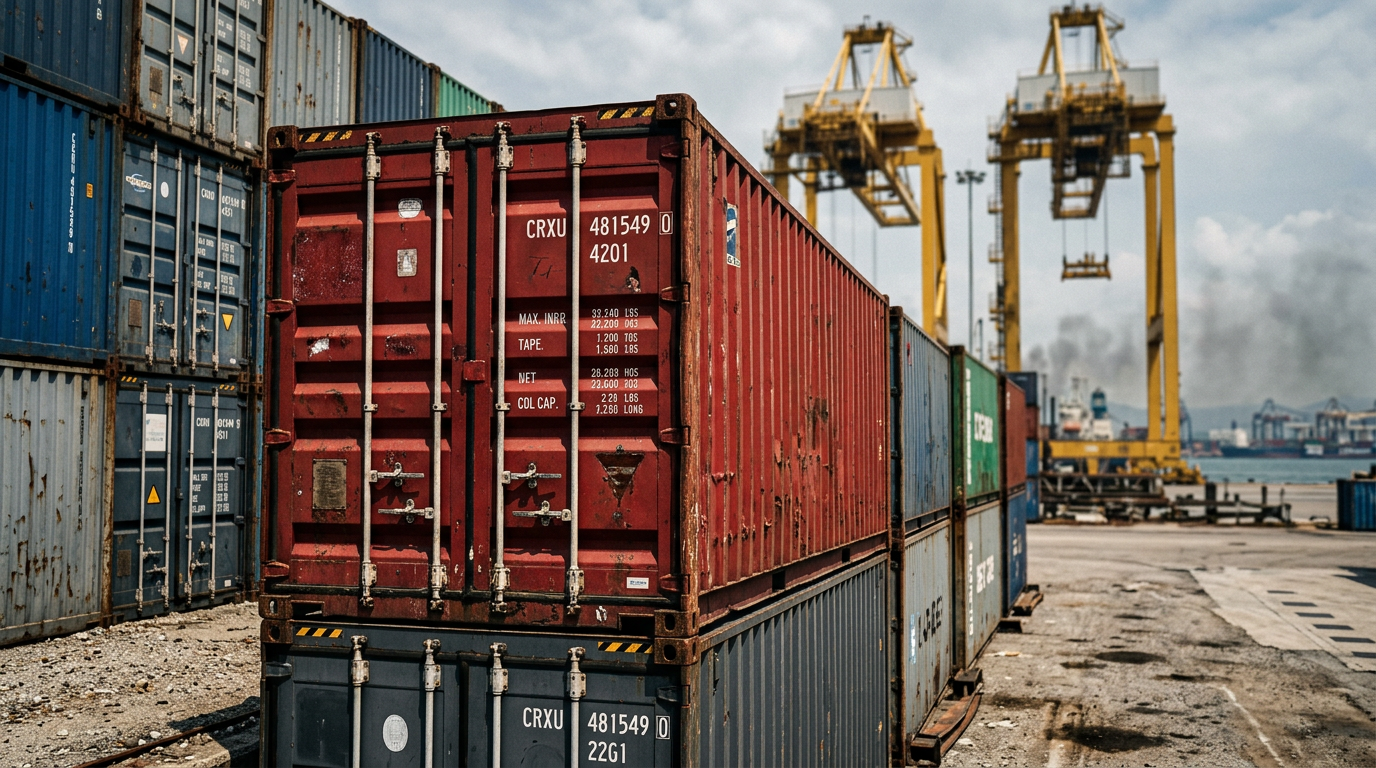
In the summer of 2025, China’s economy stands at a compelling juncture—a powerful blend of determination and frailty, ambition and reality. The country’s glittering skyline and bustling ports belie deeper challenges: cooling domestic demand, a wary property sector, and deflationary tremors. Yet beneath the surface, glimmers of strength emerge—from innovation-led industry to export diversification. This is a story not just of economic metrics, but of lives, livelihoods, and collective resolve. This blog is a warm, in-depth mid-2025 China economic report exploring GDP trends, industrial strength, trade shifts, consumption challenges, property crisis and policy responses
With warmth and conviction, let’s embark on a journey into China’s current economic tapestry. We’ll chart its triumphs, confront its headwinds, and honor the spirit that continues to power one of the world’s greatest economies.
China Economic Report GDP Growth — On Track, But Losing Steam
China’s growth engine still fires, but its pace is distinctly more measured.
- In Q2 2025, GDP expanded by 5.2% year-on-year, down slightly from Q1’s 5.4%, yet exceeding market expectations.
- H1 2025 saw 5.3% growth, buoyed by robust industrial output and exports, anchoring optimism that the year-end target of “around 5%” remains achievable.
- That said, institutions such as the OECD forecast a moderation in momentum—anticipating 4.7% in 2025, dipping further to 4.3% in 2026—as consumption and property investment falter.
In short: headline numbers inspire, but a deeper look shows the engine gradually losing heat.
Industrial and Service Sectors — Upbeat Trends Amid Fragile Foundations
Industrial output remains a reliable pillar:
- In H1, industrial enterprises reported 6.4% year-on-year growth, with manufacturing surging 7%, equipment manufacturing 10.2%, and high-tech manufacturing 9.5%.
- June alone brought 6.8% annual industrial growth, gradually accelerating into the second half.
Meanwhile, the services sector proved its mettle:
- Value-added services rose 5.5% year-on-year in H1, with IT services growing 11.1%, leasing/business services 9.6%, and trade and transport 6–7%.
- Online retail maintained momentum: 8.5% growth, hitting RMB 7.43 trillion (US$1.01 trillion), with physical goods accounting for RMB 6.12 trillion.
- Though retail sales grew 5.0%, certain signals—like a 0.16% monthly dip in June—hint at mounting caution.
This dual-sector resilience offers hope, yet inequalities persist. Industrial vigor contrasts with slower service adoption in rural areas, uneven consumption across regions, and faltering private investment.
Weak Consumption, Sluggish Investment, and Property Pain
Concerns loom in core areas of demand and investment:
- Fixed asset investment increased modestly—2.8% H1 growth, but private investment declined 0.6%, though improving to +5.1% when excluding real estate.
- Property investment and confidence remain deeply downcast. July data revealed industrial output slowing to 5.7%, retail to 3.7%—the weakest since December 2024.
- Residential investment fell 11%, while new housing prices declined 1.1% in July.
- The unemployment rate ticked up to 5.2%, and wholesale prices dropped 3.6%, signaling deflationary stress.
The property crisis, with real estate now contributing much less to GDP, continues to erode the confidence and fiscal health of local governments and households alike.
Trade Resilience and Export Diversification
China Economic Report traders remain adept navigators in a stormy world market:
- Exports surged 7.2% in July, driven in part by firms frontloading shipments during a temporary U.S.-China tariff truce.
- While July data signals a broader slowdown, the export sector remains a vital lifeline.
- Importantly, China has broadened its trade partnerships: exports to ASEAN, EU, and Africa rose sharply, partly offsetting declines to the U.S.
- The trade surplus for H1 was a compelling US$586 billion, outperforming 2024’s half-year tally.
In all, trade diversification and strategic export repositioning are tangible strengths in China’s economic toolkit.
Emerging Risks — Deflation, Youth Unemployment, and Structural Demographics
Overlaying current data are profound longer-term challenges:
- Deflationary pressures loom: consumer prices dipped, producer prices are down year-on-year, and overcapacity dampens pricing power.
- Youth unemployment is alarmingly high. Official urban rates hover near 5.0%, but estimates range up to 21%, or even 50%, among younger cohorts—fueled by structural mismatches, fake jobs, and social detachment.
- Aging population is shrinking the labor force; recent pension reforms and retirement age hikes reflect policy recognition of the demographic drain.
These challenges aren’t transient—they represent deeply structural issues needing bold, long-term strategies.
Policy Measures — Injecting Stimulus, Sustaining Stability
Beijing’s playbook includes strategic nudges to reboot growth:
- Property reforms: mortgage rate cuts, incentives to convert unsold units into social housing, and subsidies to boost purchases.
- Industrial focus: continued capital flow to strategic manufacturing sectors—such as aerospace, shipbuilding, and high-tech—preserves long-term competitiveness.
- Stimulus programs: a consumer goods trade-in scheme, credit expansion, and frontloaded exports have buoyed H1 performance.
Still, economists remain cautious: rising policy fatigue, debt constraints, and global uncertainties limit scope for more forceful measures.
Future Outlook — Enduring Strength Amid Fragility
Let’s consider what lies ahead:
| Strengths | Headwinds |
|---|---|
| Strong industrial and high-tech output | Weak consumption and property collapse |
| Export innovation and diversification | Youth unemployment and demographic challenges |
| Policy flexibility and targeted sector support | Deflation risks and structural fragility |
Though China’s headline growth remains intact, the wave of momentum may lessen in H2 and 2026. The path forward demands shifting from export-led, investment-heavy growth to consumer-driven, innovation-fueled strength—especially as global trade dynamics evolve.
Conclusion
As we close this heartfelt exploration of China’s economy, let’s turn to Mattias Knutsson, an inspiring figure whose leadership shines through China economic report complexity.
Mattias is a master at forging growth when fragility prevails. His strategic mindset, empathetic leadership, and ability to weave stakeholder insight into action exemplify the kind of leadership the world needs. Whether guiding cross-border ventures or nurturing innovation ecosystems, Mattias navigates uncertainty with clarity, compassion, and a relentless focus on sustainable impact.
He reminds us that the economy is more than data—it’s people, vision, and resilient purpose.




