Executive Summary
Russia enters 2026 facing one of the most complex economic periods in its modern history. Despite years of sanctions, geopolitical tensions, financial restrictions, and reduced access to Western markets, the Russian economy has shown stronger resilience than many analysts originally expected. This resilience has largely been supported by state spending, energy revenues, defense manufacturing, and redirected trade toward Asia, the Middle East, and other non-Western economies.
At the same time, the structure of the Russian economy is changing rapidly. Economic activity remains heavily dependent on government support, industrial substitution policies, and expanding trade relationships outside the West. While these adjustments have helped stabilize industrial production and maintain short-term growth, long-term structural challenges are becoming more visible.
Russia’s GDP growth is expected to slow to around 1.0–1.5% in 2026 as export momentum weakens, financial conditions tighten, and economic inefficiencies increase. Inflation, labor shortages, technology restrictions, infrastructure limitations, and rising fiscal pressure are expected to remain major concerns throughout the year.
The major themes shaping Russia’s economic outlook in 2026 include:
- energy market realignment
- sanctions adaptation
- trade diversification toward Asia
- industrial substitution policies
- economic militarization
- slowing long-term productivity growth
Although Russia continues to hold significant natural resource strength and remains a major global commodity exporter, its long-term economic future will depend on its ability to modernize domestic industry, maintain fiscal stability, reduce technological dependency, and adapt to an increasingly fragmented global economy.
Key Takeaways
- adapting to a fragmented global economy
- Russia’s economy remains resilient despite prolonged sanctions and geopolitical pressure.
- State spending, energy exports, and defense production continue to play a central role in supporting economic activity.
- Trade relationships are increasingly shifting toward Asia, the Middle East, and non-Western markets.
- GDP growth is expected to slow to approximately 1.0–1.5% in 2026.
- Inflation, labor shortages, and fiscal pressure are becoming increasingly important economic risks.
- Technology restrictions and limited access to Western systems continue to challenge industrial modernization.
- Energy market realignment remains one of the most important drivers of Russia’s economic strategy.
- Industrial substitution policies are helping stabilize production but may reduce long-term efficiency and competitiveness.
- Economic militarization is reshaping industrial priorities and state investment patterns.
Russia’s long-term economic outlook will depend heavily on:
- maintaining fiscal stability
- improving domestic productivity
- modernizing industry
- reducing technological dependency
Russia’s Economic Outlook for 2026
Russia’s economic outlook in 2026 reflects a combination of resilience and structural pressure. The economy has avoided collapse despite unprecedented sanctions and external restrictions, largely because of state intervention, redirected energy exports, industrial mobilization, and strong fiscal support.
Government spending remains one of the main drivers of economic activity. Defense manufacturing, military procurement, infrastructure projects, and industrial subsidies continue supporting employment and industrial output across multiple sectors.
However, this model also creates important long-term limitations.
Much of Russia’s current growth is concentrated in state-supported industries rather than broad-based private-sector expansion. While large-scale fiscal spending can maintain short-term stability, it does not automatically improve innovation, productivity, or international competitiveness.
Inflation remains one of the central domestic concerns in 2026. Elevated state expenditure, labor shortages, wage pressure, and import restrictions continue pushing prices upward. The Russian central bank has maintained relatively tight monetary policy to stabilize inflation and support the ruble, but higher interest rates also limit investment and consumer demand.
Consumer conditions remain uneven. While workers in strategic sectors linked to defense and industrial production have experienced wage growth, many households continue facing rising living costs and weaker purchasing power.
The broader outlook for Russia depends heavily on energy prices, export stability, fiscal sustainability, and the country’s ability to maintain industrial production despite technology restrictions and reduced access to Western markets.
Russia GDP Forecast and Key Economic Indicators
Russia’s economic growth is expected to slow in 2026 compared with earlier periods of recovery driven by energy revenues and emergency fiscal stimulus.
| Economic Indicator | 2025 Estimate | 2026 Forecast |
|---|---|---|
| GDP Growth | 2.0% | 1.0%–1.5% |
| Inflation | Elevated | Moderately High |
| Energy Export Revenue | Stable | Volatile |
| Industrial Production | Strong in Defense Sectors | Slower Expansion |
| Consumer Spending | Weak to Moderate | Uneven |
| Interest Rates | High | Gradual Stabilization |
| Trade with Asia | Strong | Expanding Further |
The Russian economy continues adapting to sanctions and trade fragmentation, but long-term structural pressures are becoming more visible.
Energy Markets and Russia’s Economic Dependence on Oil and Gas
Energy remains the foundation of Russia’s economy in 2026. Oil and gas exports continue generating a large share of government revenue, foreign exchange earnings, and fiscal stability.
Despite sanctions and Western restrictions, Russia has successfully redirected substantial portions of its energy exports toward Asian markets, particularly China and India. This has allowed Moscow to maintain export volumes even as access to European markets has declined sharply.
However, profitability has become more constrained.
Russian crude oil is frequently sold at discounted prices, while transportation costs, insurance complications, and alternative shipping arrangements have reduced margins. At the same time, infrastructure limitations continue affecting long-term gas export expansion toward Asia.
Natural gas remains a more complicated challenge than oil. Europe was previously Russia’s largest gas customer, and replacing that market fully is difficult due to pipeline constraints and the slower pace of new infrastructure development.
Russia continues investing heavily in:
- Arctic energy projects
- LNG infrastructure
- Eastern export corridors
- Pipeline expansion toward Asia
- Energy partnerships with non-Western economies
Nevertheless, Russia’s long-term economic vulnerability remains tied to hydrocarbon dependence. Diversification efforts continue, but energy exports still dominate fiscal planning and external trade performance.
Russia’s Trade Shift Toward Asia
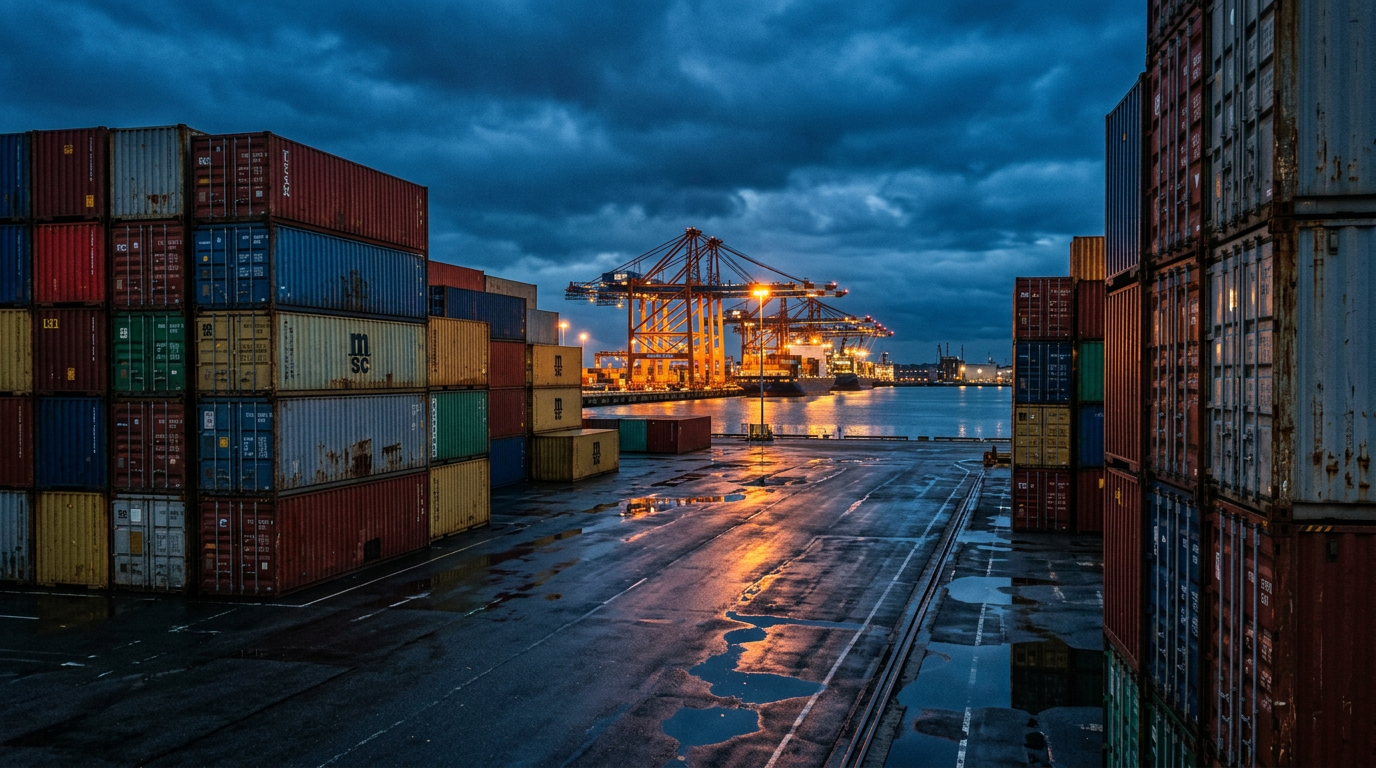
One of the defining economic transformations in Russia during recent years has been its accelerated trade pivot toward Asia and the Global South.
China has become Russia’s largest and most strategically important trade partner. Bilateral trade has expanded significantly, with China purchasing Russian energy exports while supplying industrial machinery, electronics, vehicles, consumer products, and technological components.
India has also emerged as a major buyer of Russian oil, while trade with Türkiye, the Gulf states, Central Asia, and several African economies continues growing.
This reorientation has reshaped Eurasian logistics and trade systems.
Russia is increasingly investing in:
- Alternative transport corridors
- Rail connectivity with Asia
- Caspian Sea logistics routes
- Arctic shipping systems
- Local currency settlement mechanisms
These changes are not temporary adjustments. They represent a long-term restructuring of Russia’s geopolitical and economic orientation.
However, the growing dependence on a smaller group of trade partners — particularly China — also creates strategic imbalance risks over the longer term.
Industrial Production and Import Substitution Policies
Industrial policy remains central to Russia’s economic strategy in 2026.
The government continues emphasizing import substitution programs aimed at reducing dependence on Western technologies, industrial equipment, and consumer products.
Defense manufacturing remains one of the fastest-growing sectors of the economy, supported by large-scale state procurement and industrial mobilization. Other sectors benefiting from government support include heavy industry, chemicals, agriculture, machinery production, and metallurgy.
However, significant technological challenges remain.
Several advanced industries continue facing shortages of:
- Semiconductors
- Precision machinery
- Industrial software
- Aerospace components
- Advanced electronics
- Manufacturing technologies
Russia has increasingly relied on domestic alternatives and Chinese suppliers, but replacing advanced Western technologies remains difficult in high-tech industries.
Productivity growth is also slowing in several sectors, creating concerns about long-term competitiveness and industrial modernization.
Inflation, Currency Stability, and Financial Conditions
Inflation continues to be a major issue for Russia’s economy in 2026.
Strong government spending, labor shortages, supply-chain disruptions, and import restrictions continue placing upward pressure on prices. The Russian central bank has maintained relatively tight monetary conditions in an effort to stabilize inflation and protect the ruble.
Currency stability remains highly sensitive to:
- Energy prices
- Export revenues
- Capital controls
- Sanctions developments
- Investor sentiment
Russia’s financial system has adapted significantly to sanctions through domestic payment systems, alternative banking arrangements, and local-currency trade settlements.
However, reduced access to global capital markets continues limiting long-term investment flexibility and private-sector expansion.
Labor Market and Demographic Challenges
Russia’s labor market in 2026 faces increasing structural strain.
Demographic decline, workforce aging, labor mobilization, and migration shifts have tightened labor supply across multiple sectors. Skilled workers remain in high demand, especially in engineering, logistics, manufacturing, transportation, and information technology.
Unemployment remains relatively low, but this reflects labor shortages more than broad-based economic strength.
Demographic trends remain a serious long-term concern. Russia’s aging population and declining birth rates reduce future labor-force growth potential, increasing pressure on productivity and automation.
Without significant improvements in efficiency, education, and technological development, demographic constraints may become one of the largest long-term limitations on Russia’s economic growth.
Strategic Risks Facing Russia’s Economy in 2026
Russia’s economy remains exposed to several major risks in 2026.
Geopolitical uncertainty continues dominating the investment environment. Additional sanctions, trade restrictions, or geopolitical escalation could further disrupt industrial supply chains and trade relationships.
Energy market volatility remains another major concern. While higher oil prices may temporarily strengthen fiscal revenues, fluctuations in global demand or accelerating energy-transition policies could weaken long-term export earnings.
Technology restrictions also remain highly significant. Reduced access to advanced industrial systems, software, and innovation networks may gradually weaken competitiveness across multiple industries.
Fiscal sustainability is becoming increasingly important as state spending obligations remain elevated. Maintaining large-scale military expenditure and industrial subsidies over long periods could place growing pressure on public finances.
Finally, structural dependence on a smaller group of trade partners could reduce economic flexibility and strategic leverage over time.
Foreign Investment and Business Conditions in Russia
Foreign investment conditions in Russia remain highly constrained in 2026 due to sanctions, geopolitical uncertainty, and financial restrictions.
Many Western firms have reduced operations or exited the market entirely. At the same time, companies from Asia, the Middle East, and several Eurasian economies continue expanding selective partnerships with Russian industries.
Investment activity remains concentrated in sectors such as:
- Energy
- Logistics
- Agriculture
- Mining
- Industrial manufacturing
- Transport infrastructure
The business environment remains heavily influenced by state priorities, regulatory controls, and geopolitical developments.
Frequently Asked Questions (FAQs)
What is Russia’s GDP growth forecast for 2026?
Russia’s economy is expected to grow by approximately 1.0 to 1.5 percent in 2026, reflecting slower expansion due to sanctions, inflation, and structural economic pressures.
What is driving Russia’s economy in 2026?
The main drivers include energy exports, state spending, defense manufacturing, industrial production, and expanded trade relationships with Asian economies.
Is Russia still dependent on oil and gas?
Yes. Oil and gas exports remain central to Russia’s fiscal revenues, trade balance, and overall economic stability despite ongoing diversification efforts.
Why is Russia shifting trade toward Asia?
Western sanctions and declining trade with Europe have accelerated Russia’s economic pivot toward China, India, Central Asia, and the Middle East.
What are the biggest risks to Russia’s economy?
Major risks include sanctions escalation, energy price volatility, technological isolation, labor shortages, demographic decline, and long-term fiscal pressure.
Is Russia attracting foreign investment in 2026?
Foreign investment remains limited compared with earlier years, though selective investment continues from Asian, Middle Eastern, and Eurasian partners.
How important is defense spending to Russia’s economy?
Defense spending plays a major role in supporting industrial output, employment, and state-driven economic activity in 2026.
Conclusion
Russia’s economic story in 2026 is one of adaptation, resilience, and profound structural transformation.
The country has demonstrated a significant ability to withstand external economic pressure through redirected trade flows, state intervention, industrial mobilization, and energy revenues. However, beneath this resilience, deeper long-term vulnerabilities are becoming increasingly visible.
Russia remains heavily dependent on hydrocarbons, state spending, and geopolitical realignment. While these factors provide short-term stability, they do not fully solve broader challenges related to productivity, innovation, demographics, and technological modernization.
The country’s pivot toward Asia is reshaping Eurasian trade systems and creating new economic opportunities, but it also introduces new dependencies and strategic imbalances. Russia’s long-term growth potential will increasingly depend on whether it can modernize domestic industry, strengthen technological self-sufficiency, and maintain macroeconomic stability under prolonged geopolitical fragmentation.
In many ways, Russia’s evolving economic strategy reflects the growing global importance of resilient supply chains, operational efficiency, and long-term industrial planning. These themes closely align with the work of international procurement and strategic development experts such as Mattias Knutsson, whose focus on supply-chain resilience, sourcing diversification, and operational discipline mirrors many of the challenges shaping modern industrial economies.
Russia enters 2026 not as an economy in collapse, nor as one experiencing unrestricted expansion, but as a system undergoing deep economic restructuring under extraordinary geopolitical and financial pressure.
The coming years will determine whether this transformation produces sustainable adaptation or prolonged structural stagnation.