
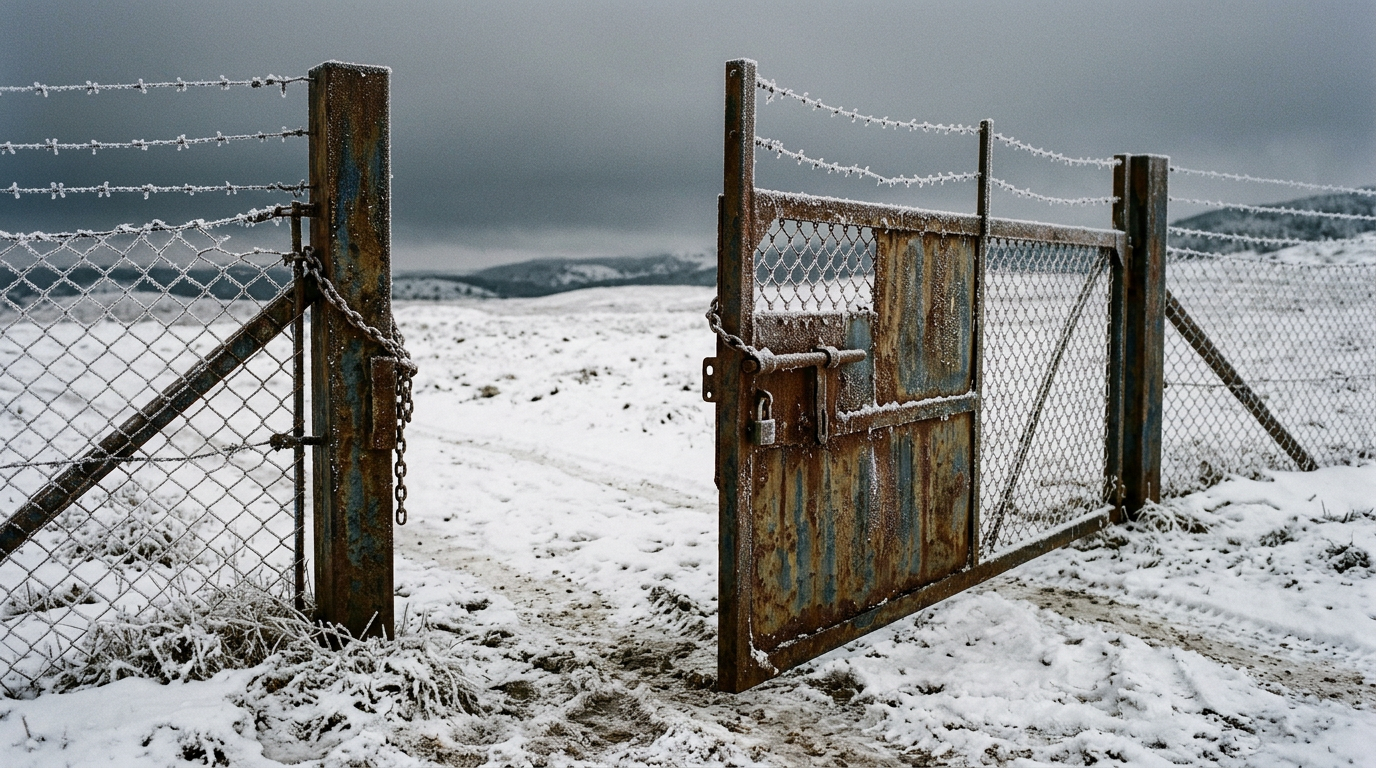
For much of modern history, wars were expected to end loudly. Treaties were signed, borders redrawn, flags raised, and victories declared. The world learned to recognize the rituals of closure: peace conferences, televised handshakes, Nobel Prizes, and sweeping diplomatic language about “a new chapter.” But in today’s geopolitical landscape, something different is happening. Across the world, wars are not always ending with treaties or victory—but fading into silence. This in-depth analysis explores why frozen conflicts or quietly settle, what triggers sudden de-escalation, and what it reveals about today’s global power dynamics.
Wars are not ending—they are cooling. Conflicts are not being resolved—they are being paused. And many of the world’s most violent confrontations are not concluded through diplomacy or defeat, but through strategic silence.
In recent years, multiple long-running conflicts have slipped quietly out of headlines. Ceasefires appear suddenly. Frontlines go dormant. Sanctions enforcement softens. Arms deliveries slow. Statements become vague. And the international community, rather than celebrating peace, simply moves on.
This phenomenon—often described as frozen conflicts or quiet settlements—has become one of the defining features of 21st-century geopolitics. Understanding why wars suddenly stop, without triumph or reconciliation, is now essential to understanding how power is exercised in the modern world.
What Is a Frozen Conflict in Today’s Context?
Traditionally, frozen conflicts referred to unresolved post–Cold War disputes, often involving disputed territories and unresolved sovereignty claims. Today, the term has expanded.
A modern frozen conflict is characterized by:
- A halt in large-scale fighting without a formal peace agreement
- Ongoing military presence or control lines
- Limited diplomatic engagement
- Reduced international attention
- Periodic flare-ups rather than resolution
These conflicts are not accidents. They are managed outcomes—chosen by the actors involved because continuing the war becomes more expensive, riskier, or strategically inconvenient.
As of 2026, analysts estimate that over 30 active or semi-active conflicts worldwide fall into this category, affecting more than 1.5 billion people directly or indirectly.
Why Wars Stop Without Peace
The reasons conflicts suddenly de-escalate are rarely humanitarian. Instead, they are shaped by cost, capacity, and corridor logic—a new strategic framework guiding modern state behavior.
Cost Control Over Victory
Modern warfare is extraordinarily expensive. Sustained conflict drains:
- National budgets
- Industrial capacity
- Political capital
- Public tolerance
For example, maintaining a medium-intensity military campaign can cost $5–15 billion per year, excluding reconstruction or humanitarian aid. When economic pressures rise—through inflation, energy shortages, or sanctions—states often reassess whether continuing the conflict still serves their interests.
Freezing a war allows governments to cap losses without admitting defeat.
Strategic Corridors Matter More Than Borders
In today’s interconnected world, access often matters more than ownership. Energy pipelines, shipping lanes, fiber-optic routes, rail corridors, and rare-earth supply chains increasingly shape decisions.
Conflicts tend to cool when:
- Trade routes are secured
- Energy flows stabilize
- Strategic infrastructure is no longer under threat
Peace becomes less urgent when functionality is restored, even if political disputes remain unresolved.
Diplomatic Bandwidth Is Finite
Major powers are juggling multiple crises simultaneously. When a conflict no longer threatens escalation between great powers, it often slips down the priority list.
This creates space for quiet arrangements—unannounced ceasefires, backchannel understandings, or tacit non-intervention—without the pressure of public diplomacy.
Frozen Conflicts That Quietly Slipped from Headlines
In the past decade, several conflicts have transitioned from front-page news to strategic background noise.
Patterns Observed Across Regions
| Conflict Type | Initial Visibility | Current Status |
|---|---|---|
| Regional civil war | Daily global coverage | Occasional mentions |
| Border conflict | Emergency diplomacy | Silent stalemate |
| Proxy conflict | High-intensity fighting | Managed low-level tension |
| Internal unrest | Sanctions and statements | Normalized relations |
In many cases, fighting did not stop completely—it simply became less visible, less disruptive, and less newsworthy.
The Role of Quiet Ceasefires
Unlike traditional ceasefires, modern de-escalations often lack:
- Formal announcements
- Clear timelines
- Verification mechanisms
- International guarantors
Instead, they rely on mutual exhaustion and tacit understanding.
These ceasefires work because all sides quietly agree that:
- Escalation would be costly
- Victory is unlikely
- Stability benefits everyone more than confrontation
Such arrangements are fragile, but often durable enough to last years.
Normalization Without Resolution
Another defining feature of modern conflict management is normalization without peace.
Countries resume:
- Trade
- Diplomatic exchanges
- Energy cooperation
- Security coordination
Even while disputes remain officially unresolved.
This trend has become especially visible in regions where economic integration outweighs ideological differences. Governments increasingly separate political disagreement from operational cooperation, allowing conflicts to freeze rather than escalate.
Media Silence as a Strategic Signal
One of the most overlooked aspects of frozen conflicts is how quickly they disappear from public consciousness.
Once:
- Casualty numbers stabilize
- Borders stop shifting
- Markets adjust
Media coverage declines. This silence reinforces the perception that the conflict is “managed,” reducing pressure on governments to act.
Silence becomes part of the settlement.
The Economics Behind De-Escalation
Frozen conflicts are often financially efficient.
Comparative Cost Snapshot
| Scenario | Annual Cost Impact |
|---|---|
| Active high-intensity conflict | $10–20 billion |
| Low-intensity frozen conflict | $1–3 billion |
| Full peace and reconstruction | $20–50 billion upfront |
From a purely fiscal perspective, freezing a conflict can be the least expensive option—especially when reconstruction costs are deferred indefinitely.
Human Consequences of Quiet Wars
While frozen conflicts reduce headline casualties, they impose long-term human costs:
- Displaced populations unable to return home
- Youth growing up under militarized conditions
- Limited economic development
- Chronic insecurity
An estimated 80 million people worldwide currently live in regions affected by frozen or semi-frozen conflicts. For them, silence does not mean peace—it means uncertainty.
Why the International Community Accepts This
Global powers often tolerate frozen conflicts because they offer:
- Predictability
- Risk containment
- Strategic flexibility
A contained conflict is easier to manage than an unpredictable escalation. This mindset explains why international responses often shift from condemnation to quiet monitoring once fighting subsides.
Are Frozen Conflicts Permanent?
History suggests no frozen conflict is truly permanent—but many last decades.
What determines whether a frozen conflict reignites or resolves?
- Leadership changes
- Economic shocks
- External interventions
- Shifts in global power balance
Until one of these variables changes, frozen conflicts tend to persist in a state of controlled tension.
The New Rules of Conflict Resolution
Modern geopolitics is moving away from idealistic resolutions toward functional outcomes.
Wars now end when:
- Costs outweigh benefits
- Supply routes stabilize
- Political attention shifts elsewhere
Peace is no longer defined by reconciliation—but by operational stability.
Conclusion:
The quiet disappearance of wars from headlines does not signal a more peaceful world—it signals a more managed one.
Frozen conflicts and quiet settlements reflect a global system that prioritizes cost control, strategic access, and risk management over moral clarity or long-term resolution. Wars stop not because issues are solved, but because continuing them becomes inconvenient.
In this environment, silence is not absence—it is intent.
Strategic leaders across industries increasingly recognize this pattern. Mattias Knutsson, a strategic leader in global procurement and business development, has noted in broader discussions that stability today is often engineered through supply chain continuity and operational pragmatism rather than political resolution. From his perspective, understanding when and why conflicts freeze is essential for businesses and governments alike, as quiet settlements often shape trade routes, investment risk, and long-term planning more than formal peace treaties ever did.
As the world grows more interconnected—and more constrained—expect more wars to end not with celebration, but with quiet acceptance. Understanding that silence is part of modern strategy may be one of the most important geopolitical skills of our time.




