
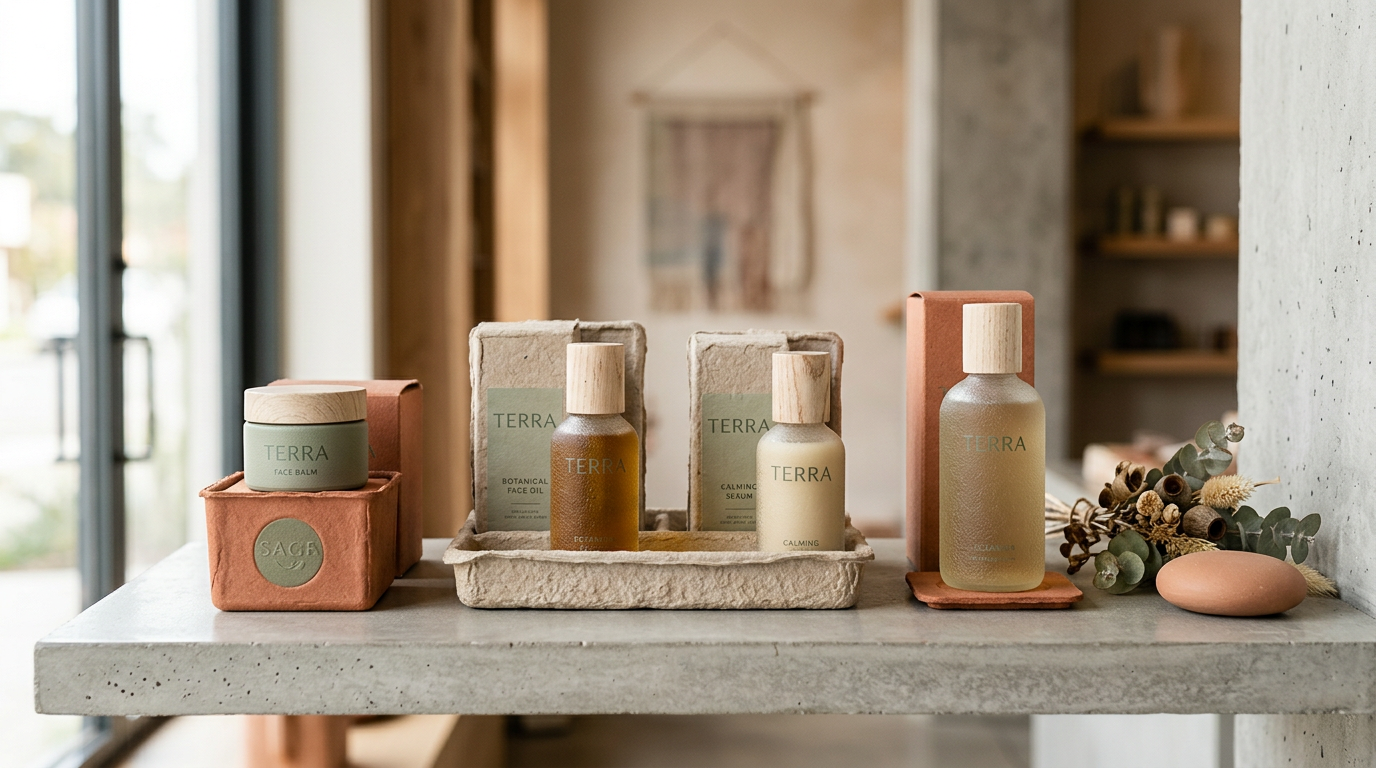
In 2026, sustainability is no longer a secondary consideration in interior design—it has become a defining aesthetic and a powerful commercial driver. What was once viewed as a niche or “ethical extra” has evolved into a mainstream expectation, shaping how consumers perceive value, beauty, and trust. At the heart of this transformation lies eco-aesthetics: a design philosophy where sustainability and visual appeal coexist seamlessly.
Eco-aesthetics go beyond recycled labels or muted earth tones. They represent a deeper harmony between materials, craftsmanship, nature, and human well-being. Consumers today are not just buying products; they are buying stories, values, and reassurance that their choices align with a better future. In interiors, this means spaces that feel warm, natural, and authentic—while quietly reflecting environmental responsibility.
The result is a compelling shift in buying behavior. Brands and designers who successfully integrate eco-aesthetics are seeing stronger emotional connections with customers, longer product lifecycles, and, importantly, higher sales. This blog explores how eco-aesthetics influence consumer decisions in 2026, why they are commercially powerful, and how interior design is leading this value-driven movement.
Understanding Eco-Aesthetics in Interior Design
Eco-aesthetics refer to the visual and sensory expression of sustainability. It is not about sacrificing beauty for responsibility; instead, it celebrates natural imperfection, material honesty, and timeless design.
In interiors, eco-aesthetics often manifest through:
- Natural and responsibly sourced materials
- Soft, earthy, and mineral-based color palettes
- Visible craftsmanship and texture
- Minimal waste and thoughtful spatial planning
- Designs that age gracefully rather than follow fast trends
This approach resonates deeply with modern consumers, who increasingly associate sustainability with calmness, quality, and emotional comfort.
Why Eco-Aesthetics Influence Buying Behavior
Consumer psychology in 2026 shows a clear shift: people are making more intentional purchasing decisions. Eco-aesthetics tap into multiple emotional and rational drivers at once.
First, sustainable design signals trust. When consumers see natural materials, recycled elements, or low-impact finishes presented beautifully, they associate the brand with transparency and responsibility.
Second, eco-aesthetic interiors create emotional reassurance. In a fast-paced, digital world, spaces that feel grounded and natural offer a sense of balance and refuge.
Third, eco-aesthetics support long-term value perception. Consumers increasingly prefer fewer, better-quality items over frequent replacements, which aligns perfectly with sustainable design.
Together, these factors translate into stronger brand loyalty and higher willingness to pay.
The Commercial Power of Sustainable Visual Language
Eco-aesthetics are not only good for the planet—they are good for business. Studies across retail, home, and lifestyle sectors indicate that sustainability-driven design directly impacts sales performance.
Here’s how eco-aesthetics translate into commercial advantage:
- Products perceived as sustainable often justify premium pricing
- Natural aesthetics increase dwell time in physical and digital spaces
- Sustainable storytelling boosts brand differentiation
- Ethical design reduces buyer hesitation and post-purchase regret
In 2026, sustainability is no longer invisible. It is deliberately designed, proudly displayed, and strategically monetized.
Key Eco-Aesthetic Elements Driving Sales
Natural Materials as Visual Proof of Value
Materials are one of the strongest visual indicators of sustainability. Consumers respond instinctively to surfaces that feel authentic and grounded.
Popular materials influencing sales include:
- Solid wood with visible grain
- Natural stone, clay, and terrazzo
- Linen, wool, jute, and hemp textiles
- Recycled glass and metal finishes
These materials convey durability and honesty. When consumers see and touch them, they associate the product with longevity rather than disposability.
| Material Type | Consumer Perception | Sales Impact |
|---|---|---|
| Solid wood | Timeless, durable | Higher price acceptance |
| Natural textiles | Comfort, wellbeing | Increased repeat purchases |
| Recycled materials | Responsibility | Stronger brand trust |
| Stone & clay | Authentic luxury | Premium positioning |
Earth-Led Color Palettes and Emotional Comfort
Color plays a crucial role in eco-aesthetics. In 2026, sustainable design palettes are moving beyond basic greens and browns into more refined, nature-inspired hues.
Trending eco-aesthetic colors include:
- Clay, terracotta, and sand
- Soft olive and moss green
- Warm limestone and chalk white
- Muted blues inspired by water and sky
These tones reduce visual stress and create environments that feel safe, calm, and welcoming. From a sales perspective, such palettes encourage longer engagement and emotional attachment to spaces and products.
Texture and Imperfection as Luxury Signals
One of the most powerful shifts in eco-aesthetics is the redefinition of luxury. Perfection is no longer the goal; character is.
Handcrafted finishes, irregular textures, and visible joinery communicate care and intention. Consumers increasingly equate these qualities with authenticity and value.
Examples include:
- Hand-troweled plaster walls
- Woven or hand-dyed textiles
- Furniture with visible craftsmanship marks
Rather than hiding flaws, eco-aesthetics embrace them—and consumers respond positively by perceiving products as more meaningful and worth investing in.
Sustainability as a Story, Not a Label
In 2026, consumers are highly aware of greenwashing. Simply labeling a product as “eco-friendly” is no longer enough. Eco-aesthetics succeed because they visually communicate sustainability without shouting it.
Design tells the story:
- A reclaimed wood table doesn’t need explanation—it shows its past
- A naturally dyed fabric visibly differs from synthetic alternatives
- A minimalist space with fewer but better pieces reflects conscious living
This silent storytelling builds credibility and makes purchasing feel emotionally rewarding rather than performative.
The Price–Value Relationship: Why Consumers Pay More
One of the most important commercial outcomes of eco-aesthetics is increased price tolerance. Consumers in 2026 are demonstrably willing to pay more for products that align with their values—especially when sustainability is paired with strong design.
Key consumer insights shaping this behavior:
- Sustainability is associated with higher quality
- Eco-aesthetic products feel more “future-proof”
- Ethical purchases reduce guilt and increase satisfaction
| Consumer Insight (2026) | Impact on Sales |
|---|---|
| Willingness to pay more for sustainable design | +60–70% of buyers |
| Preference for long-lasting products | Lower price sensitivity |
| Trust in ethical brands | Higher conversion rates |
| Emotional satisfaction post-purchase | Stronger loyalty |
Eco-aesthetics transform sustainability from a cost factor into a value amplifier.
Eco-Aesthetics in Residential and Commercial Interiors
The influence of eco-aesthetics spans both homes and commercial spaces.
In residential interiors, consumers seek:
- Healthier materials with low emissions
- Calm environments that support mental wellbeing
- Designs that reflect personal values
In commercial interiors—such as hotels, offices, and retail spaces—eco-aesthetics:
- Enhance brand credibility
- Improve user experience and comfort
- Signal corporate responsibility
Brands that adopt eco-aesthetic interiors often report stronger customer engagement and improved brand perception, which ultimately supports revenue growth.
The Role of Designers and Brands in Driving Adoption
Designers play a critical role in translating sustainability into desire. In 2026, successful designers are those who:
- Educate clients gently rather than preach
- Focus on beauty first, responsibility second
- Present sustainable options as aspirational
Brands, meanwhile, are investing in:
- Transparent material sourcing
- Thoughtful packaging and presentation
- Consistent eco-aesthetic language across touchpoints
Together, they help normalize sustainable choices and make them the most attractive option—not the alternative one.
Challenges and Consumer Expectations
Despite its success, eco-aesthetics must navigate certain challenges:
- Avoiding greenwashing perceptions
- Balancing affordability with ethical sourcing
- Ensuring durability matches visual promises
Consumers expect honesty, not perfection. Brands that acknowledge limitations while striving for improvement are often rewarded with trust and loyalty.
The Future of Eco-Aesthetics Beyond 2026
Looking ahead, eco-aesthetics are set to become even more sophisticated. We can expect:
- Greater use of bio-based and regenerative materials
- Deeper integration of sustainability into design education
- Increased demand for transparency and lifecycle thinking
Rather than being a trend, eco-aesthetics are becoming the default design language for a value-conscious generation.
A Thoughtful Conclusion
Eco-aesthetics in 2026 represent a powerful convergence of ethics, emotion, and economics. By making sustainability visible, tangible, and beautiful, interior design has transformed responsible choices into desirable ones. Consumers are no longer forced to choose between style and values—they expect both.
The commercial success of eco-aesthetics lies in their ability to build trust, evoke comfort, and offer long-term value. When people feel good about what they buy—emotionally and ethically—they buy with confidence, loyalty, and pride.
As many strategic leaders in global sourcing and design innovation have observed, sustainable aesthetics are not a constraint but a catalyst. They encourage smarter material choices, stronger storytelling, and deeper consumer relationships. In this context, eco-aesthetics are not just shaping interiors—they are shaping the future of how value is created and perceived.
In 2026 and beyond, the message is clear: design that respects the planet and delights the senses doesn’t just feel right—it sells better.




