Summary
As the conflict surrounding Iran enters its eightieth day, diplomatic hopes remain fragile while tensions across the Middle East continue to intensify. Fresh warnings from President Donald Trump have renewed concerns about potential military escalation, while Tehran has reiterated that it is prepared to confront what it describes as any act of aggression. Simultaneously, Israeli military operations in Lebanon continue despite earlier ceasefire expectations, adding another layer of uncertainty to an already volatile regional landscape. Recent statements from both sides suggest that neither military deterrence nor diplomacy has yet produced a clear path toward de-escalation. As the Iran conflict enters day 80, Donald Trump issues a new warning to Tehran while Iran vows to respond to any aggression. Explore the latest developments, regional tensions, and wider geopolitical impact.
Key Takeaways
- Trump has issued renewed warnings toward Tehran and suggested time for negotiations may be narrowing
- Iranian officials say the country is prepared to respond decisively to any military action
- Concerns over renewed US strikes continue to grow
- Israeli operations in Lebanon remain active despite previous ceasefire expectations
- Global markets remain sensitive to developments involving the Strait of Hormuz and broader regional stability
- Diplomatic efforts continue but major disagreements persist between Washington and Tehran
Day 80 of the Iran conflict reflects a situation where military pressure and diplomatic negotiations appear to be moving simultaneously but without convergence. While Washington continues increasing pressure through warnings and strategic signaling, Tehran insists it will respond forcefully to external aggression. Regional tensions involving Israel and Lebanon further complicate efforts to stabilize the broader Middle East.
Introduction
Eighty days into the conflict surrounding Iran, what initially appeared to be another episode of regional tension has evolved into a broader geopolitical challenge with implications extending far beyond the Middle East. The conflict now exists at the intersection of military strategy, diplomacy, energy security, and international politics. Each passing day adds new variables that complicate an already difficult landscape. Governments around the world continue watching developments closely because the consequences of further escalation are no longer confined to a single country or region.
The Middle East has historically occupied a unique position in global affairs because of its geographic importance, energy resources, and interconnected political dynamics. Events unfolding within the region rarely remain isolated. Developments involving Iran can influence oil markets in Asia, diplomatic calculations in Europe, security decisions in Washington, and broader strategic discussions across the international system. As a result, every statement, military movement, and diplomatic initiative now carries greater significance.
Recent developments have intensified those concerns. President Donald Trump has issued another warning toward Tehran, suggesting diminishing patience with stalled negotiations and emphasizing that time may be running out for diplomatic progress. Reports indicate increasingly firm rhetoric surrounding potential future actions if negotiations fail to produce acceptable outcomes.
Iran, however, has shown little indication of backing down. Senior Iranian officials have repeatedly stated that the country does not seek war but remains prepared to confront what it considers aggression against its sovereignty. Tehran’s messaging continues emphasizing both deterrence and resistance, suggesting that external pressure alone is unlikely to force major concessions.
Why Are Fears of Renewed US Strikes Increasing?
Recent statements from Washington have contributed significantly to concerns surrounding potential escalation. President Trump indicated that the “clock is ticking” regarding negotiations with Tehran and warned of severe consequences should diplomatic progress remain stalled. While such rhetoric can serve as a negotiating tactic designed to increase pressure, it simultaneously increases uncertainty regarding future military actions.
Political messaging during conflicts often serves multiple audiences simultaneously. Statements directed at adversaries may also aim to reassure domestic audiences, signal resolve to allies, and influence ongoing negotiations. However, such messages can create risks if opposing sides interpret them differently.
In situations involving prolonged conflict, perception itself becomes an important strategic factor. Military escalation does not always emerge solely from deliberate decisions. Miscalculations, misunderstandings, or responses to perceived threats can also generate rapid changes in circumstances. As tensions remain elevated, observers increasingly worry about the possibility that rhetoric could eventually translate into military action.
Reports suggest that strategic discussions surrounding future options continue receiving attention among policymakers and military planners. While this does not necessarily indicate imminent action, it reinforces broader concerns that the current situation remains unstable.
Why Is Tehran Signaling Readiness for Confrontation?
Iran’s response has remained relatively consistent throughout recent developments. Officials have repeatedly stated that while Tehran does not seek expanded conflict, it maintains the capability and willingness to respond if attacked.
Iranian leaders have framed their position as defensive rather than offensive, arguing that external threats require visible preparedness. Public statements from Iranian officials emphasize sovereignty, deterrence, and the importance of demonstrating readiness under pressure.
From Tehran’s perspective, projecting weakness could create additional vulnerabilities. Consequently, strategic messaging increasingly focuses on signaling resilience and maintaining domestic and regional credibility.
Historical experience also shapes current behavior. Iranian security thinking has long emphasized resistance to external pressure and the importance of maintaining strategic independence. This background helps explain why pressure alone may not produce rapid political concessions.
How Are Israeli Operations in Lebanon Affecting the Situation?
Another major concern involves continuing Israeli military operations in Lebanon despite previous expectations surrounding ceasefire arrangements. Continued military activity introduces additional uncertainty because regional conflicts rarely exist independently from one another.
Events occurring in Lebanon can influence broader calculations involving Iran and other regional actors. Alliances, security relationships, and political interests across the Middle East remain interconnected, meaning developments within one area frequently affect others.
As military operations continue, fears persist that multiple regional fronts could increasingly overlap. Such scenarios often increase complexity because diplomatic efforts become more difficult when several interconnected crises evolve simultaneously.
What Could Be the Wider Global Consequences?
The implications of further escalation extend far beyond immediate military considerations. Energy markets remain particularly sensitive to developments involving Iran because of the country’s geographic position and broader regional significance.
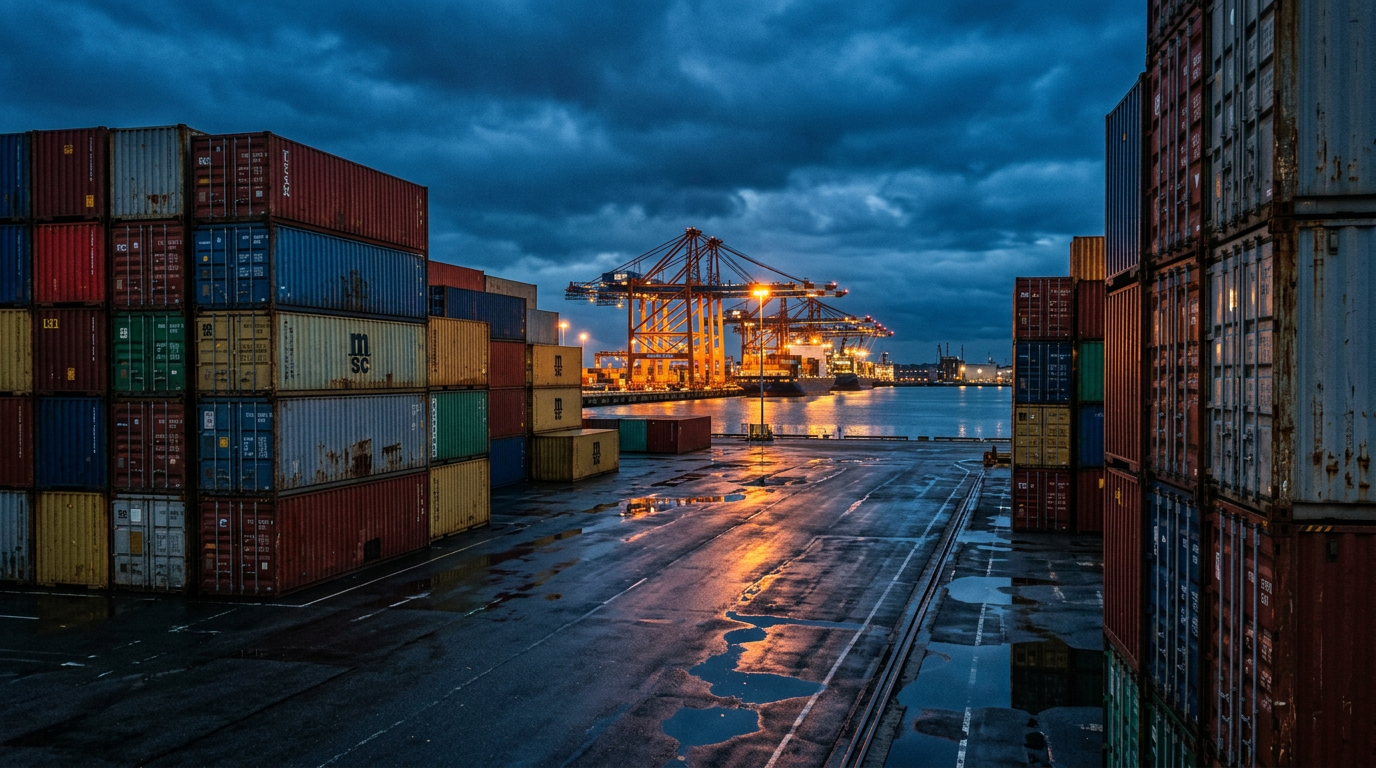
The Strait of Hormuz continues representing one of the world’s most important energy transit routes. Any developments affecting security in this region can rapidly influence oil prices, shipping costs, and broader market confidence. Previous periods of tension demonstrated how quickly uncertainty surrounding the region can affect international markets.
Financial markets are also closely monitoring developments because prolonged instability can affect inflation expectations, investment decisions, and broader economic forecasts.
Beyond economics, humanitarian concerns remain important. Prolonged conflicts often create pressure on civilian populations, infrastructure systems, and regional stability.
Conclusion
Day 80 of the Iran conflict highlights the increasingly complex nature of modern geopolitical crises. Military pressure, diplomatic negotiations, regional security concerns, and global economic implications now intersect within a single evolving situation. What makes the current environment particularly difficult is that multiple sources of uncertainty exist simultaneously. Washington continues applying pressure through strong rhetoric and strategic signaling, while Tehran continues emphasizing readiness and resistance.
At the same time, broader regional dynamics involving Israel and Lebanon create additional variables that complicate diplomatic calculations. The result is an environment where progress toward de-escalation remains difficult even as many international actors continue calling for restraint.
History repeatedly demonstrates that prolonged periods of tension create risks extending beyond immediate participants. Small developments can sometimes trigger broader consequences, particularly when several interconnected crises unfold simultaneously.
The coming days may therefore prove important not simply because of military developments but because of diplomatic choices made by key actors. Whether current tensions gradually move toward negotiation or evolve into broader confrontation remains uncertain.
For now, the region continues operating under a fragile balance between deterrence and escalation, while much of the world watches closely.
Frequently Asked Questions (FAQ)
What did Trump say regarding Iran?
Trump recently warned that time was running out for Tehran to reach an agreement and suggested serious consequences if negotiations fail.
How has Iran responded?
Iranian officials stated that the country is prepared to respond decisively to any military aggression while maintaining that it does not seek war.
Why is the Strait of Hormuz important?
The Strait of Hormuz represents one of the world’s most important energy transit routes and significantly influences global oil markets.
Why are developments in Lebanon relevant?
Israeli military operations in Lebanon affect broader regional dynamics because multiple security and political relationships remain interconnected.
Could tensions lead to broader regional escalation?
Analysts continue expressing concerns that prolonged instability and overlapping regional conflicts may increase the risk of wider escalation, although future developments remain uncertain.