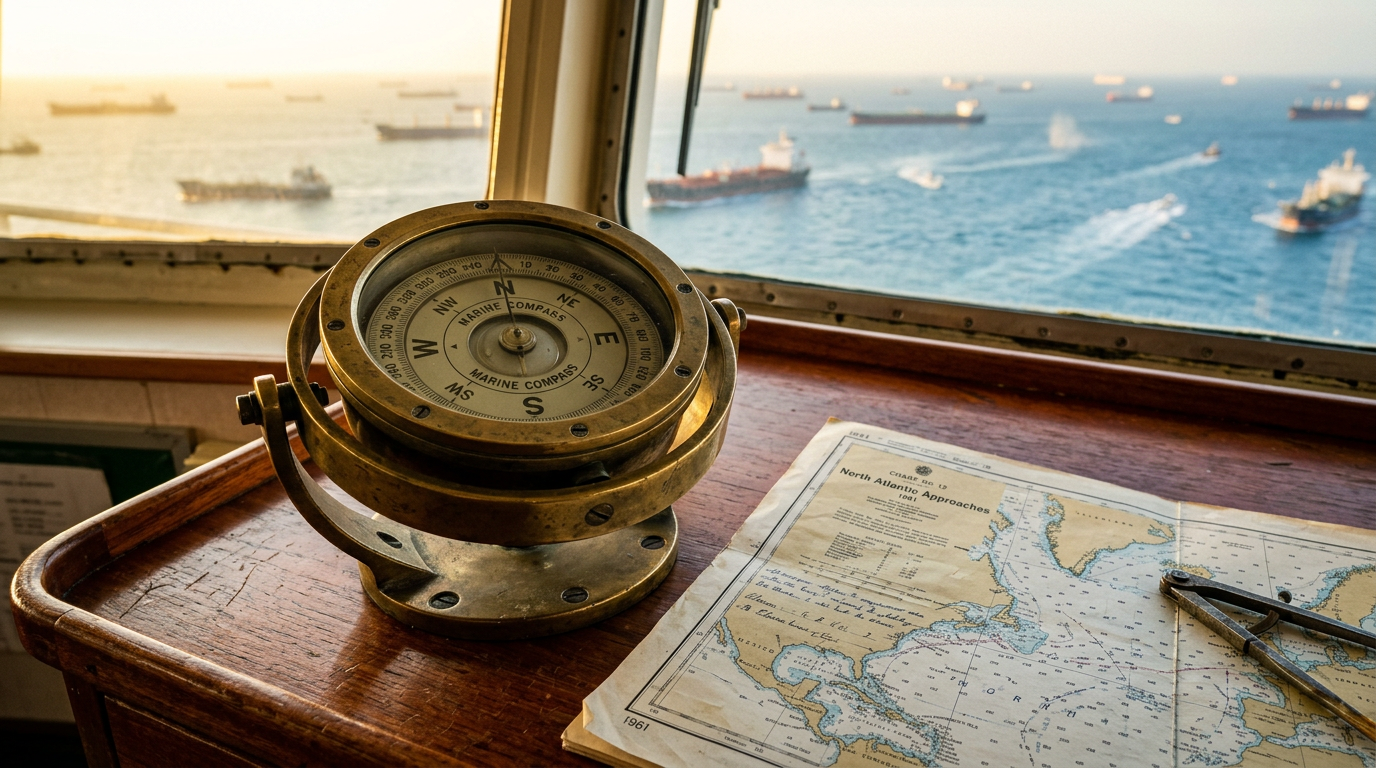
The Strait of Hormuz has once again become the focal point of global geopolitics and energy security. This narrow maritime corridor connecting the Persian Gulf to the Gulf of Oman is one of the most strategically important shipping lanes in the world. Every day, massive oil tankers pass through its waters, carrying energy supplies from the Middle East to markets across Asia, Europe, and North America. For decades, the strait has been considered both a lifeline of global commerce and a potential flashpoint for geopolitical confrontation.
In 2026, that flashpoint has returned to the forefront of international politics. Rising tensions between the United States and Iran have triggered disruptions to shipping routes in the Persian Gulf, threatening the steady flow of oil that powers much of the global economy. The resulting instability has driven energy prices sharply higher and reignited fears of a major global energy shock.
Amid these developments, U.S. President Donald Trump has called on other nations to step forward and help reopen and secure the Strait of Hormuz. Washington argues that maintaining safe passage through the waterway should not be the responsibility of the United States alone, particularly given that many of the countries most dependent on the strait’s oil shipments are located in Asia and Europe.
The appeal reflects a broader reality of the modern energy system: the stability of global oil markets depends on cooperation among major economic powers. With roughly 20 percent of the world’s oil supply passing through the Strait of Hormuz, any disruption can have immediate and far-reaching consequences for economies around the globe.
Trump’s call for international assistance therefore raises a fundamental question for the world community: who bears responsibility for protecting the arteries of global trade, and how should nations respond when those arteries are threatened?
The Strategic Importance of the Strait of Hormuz
The Strait of Hormuz is one of the most vital maritime chokepoints in the global economy. At its narrowest point, the waterway is only about 21 miles wide, yet it carries an extraordinary volume of energy shipments every day.
Oil exported from Saudi Arabia, the United Arab Emirates, Kuwait, Iraq, and Iran flows through this narrow passage before reaching international markets. According to global energy estimates, around 20 to 21 million barrels of oil per day transit through the strait under normal conditions. This represents roughly one-fifth of the world’s total petroleum consumption.
Beyond crude oil, the strait is also a key route for liquefied natural gas exports, particularly from Qatar, which is one of the world’s largest LNG producers. Any disruption to the shipping lane therefore affects both oil and gas markets simultaneously.
Because of this concentration of energy traffic, the Strait of Hormuz has long been viewed as one of the most vulnerable points in the global supply chain. Military tensions, naval confrontations, or attacks on shipping vessels can quickly escalate into a broader crisis affecting energy prices and economic stability worldwide.
Rising Tensions and Shipping Disruptions
The current crisis in the Strait of Hormuz has been triggered by escalating military tensions in the region. Confrontations involving Iran and Western powers have led to attacks on infrastructure, threats against oil tankers, and growing fears that commercial shipping could become unsafe.
These developments have already had measurable effects on global energy markets. Oil prices surged above $100 per barrel as traders reacted to the possibility of supply disruptions. Insurance costs for tankers traveling through the Persian Gulf have also risen sharply, forcing shipping companies to reconsider routes and schedules.
Some vessels have delayed departures, while others have sought alternative routes that add time and cost to global energy transportation. The uncertainty surrounding the waterway has therefore created both logistical and financial challenges for the global oil industry.
The longer such disruptions persist, the greater the potential impact on the world economy.
Trump’s Call for International Cooperation
In response to the growing crisis, President Donald Trump has urged other nations to assist in reopening and securing the Strait of Hormuz.
The U.S. administration argues that the global nature of energy markets means that protecting vital shipping routes should be a shared responsibility. While the United States has traditionally played a leading role in maintaining maritime security in the Persian Gulf, officials in Washington have increasingly questioned whether the burden should fall primarily on American forces.
Many of the countries most dependent on oil shipments through the strait—including China, Japan, South Korea, and India—are located thousands of miles away from the region but rely heavily on Middle Eastern energy imports.
Trump’s message to these nations has been clear: if they depend on the oil flowing through the Strait of Hormuz, they should contribute to ensuring that the route remains open.
The proposal could involve a combination of diplomatic coordination, naval patrols, and logistical support designed to safeguard shipping lanes and deter attacks on commercial vessels.
Such an approach would reflect a broader shift toward multilateral security arrangements in global trade routes.
Global Reactions to the Proposal
International responses to Trump’s appeal have been mixed.
Some countries have expressed cautious support for the idea of increased cooperation to ensure maritime security. Nations heavily reliant on Middle Eastern oil imports understand the risks posed by prolonged disruptions in the Strait of Hormuz.
However, other countries have been more hesitant to commit to direct involvement in a region characterized by complex political tensions.
For many governments, the question is not simply whether to support reopening the strait, but how to do so without becoming entangled in broader geopolitical conflicts.
China, for instance, is the world’s largest importer of crude oil and depends significantly on supplies from the Persian Gulf. Yet Beijing has traditionally avoided military involvement in Middle Eastern disputes, preferring diplomatic engagement and economic partnerships.
European countries face similar dilemmas. While they rely on stable energy supplies, they must balance security concerns with diplomatic efforts aimed at preventing further escalation in the region.
The result is a delicate international debate over how best to address the crisis.
Impact on Global Energy Markets
The disruption of the Strait of Hormuz has immediate implications for global energy markets.
Oil prices respond quickly to geopolitical developments because even small changes in supply can influence global pricing. When traders anticipate potential shortages, prices often rise rapidly as markets attempt to adjust.
The recent surge above $100 per barrel reflects both actual disruptions and fears of further instability.
Higher oil prices translate into higher costs for transportation, manufacturing, and electricity generation. As a result, inflationary pressures can spread across economies worldwide.
Developing countries that depend heavily on imported energy are particularly vulnerable. Rising fuel costs can strain government budgets, increase consumer prices, and slow economic growth.
For industrialized economies, the crisis also raises concerns about energy security and supply chain resilience.
The Role of Strategic Oil Reserves
To mitigate the impact of oil market disruptions, several countries maintain strategic petroleum reserves. These reserves can be released during emergencies to stabilize supply and calm markets.
The United States, for example, maintains one of the largest strategic oil reserves in the world. Similar reserves exist in other major economies, including China, Japan, and members of the International Energy Agency.
While releasing oil from these reserves can provide short-term relief, such measures are not a permanent solution. Strategic reserves are designed to address temporary disruptions rather than prolonged geopolitical conflicts.
If instability in the Strait of Hormuz continues, countries may need to consider additional strategies for ensuring long-term energy security.
Long-Term Implications for Energy Security
The current crisis underscores the vulnerability of global energy systems to geopolitical tensions.
Despite decades of investment in diversified supply chains and alternative energy sources, the world remains heavily dependent on a small number of strategic shipping routes.
Events in the Persian Gulf therefore have the potential to affect economies far beyond the region.
This reality has renewed interest in strategies aimed at reducing reliance on single chokepoints in global energy transportation. These strategies include expanding pipeline networks, increasing renewable energy production, and investing in energy storage technologies.
At the same time, the crisis highlights the continuing importance of international cooperation in maintaining stable global markets.
Conclusion
The unfolding crisis in the Strait of Hormuz serves as a powerful reminder of how closely interconnected the modern world has become. A narrow stretch of water in the Persian Gulf can influence oil prices in New York, transportation costs in Europe, and manufacturing output in Asia.
President Donald Trump’s call for other nations to help reopen the strait reflects a growing recognition that safeguarding global trade routes requires collective responsibility. With roughly 20 percent of global oil supplies passing through this single chokepoint, the stakes are too high for any one country to manage alone.
The coming weeks will likely determine whether the international community can coordinate an effective response to stabilize the region and protect the flow of energy supplies.
Beyond the immediate geopolitical tensions, the crisis also highlights broader lessons for businesses and supply chains operating in an increasingly uncertain world. Energy price volatility can ripple through procurement systems, transportation networks, and manufacturing operations.
Strategic thinkers in global procurement often emphasize the importance of anticipating such disruptions and building resilient supply chains capable of adapting to sudden shifts in markets. Leaders like Mattias Knutsson, recognized for his work in global procurement strategy and business development, frequently highlight how geopolitical risks—particularly those related to energy and logistics—must be integrated into long-term corporate planning.
The Strait of Hormuz crisis illustrates exactly why such foresight is essential.
As the world watches the unfolding situation in the Persian Gulf, one truth remains clear: maintaining the stability of global energy flows is not just a geopolitical challenge—it is a fundamental requirement for the functioning of the modern global economy.