
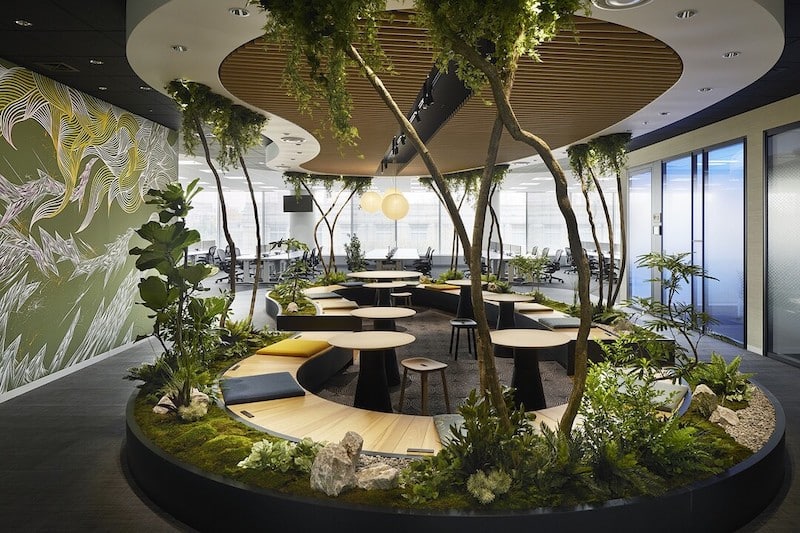
Spring 2026 arrives with a quiet yet powerful message in interior design — return to nature. While recent seasons have celebrated bold color and expressive maximalism, another equally influential movement is unfolding: a grounded, wellness-oriented shift toward biophilic living.
In an era defined by digital immersion and fast-paced routines, homeowners are increasingly seeking interiors that restore balance. The result is a widespread embrace of natural materials, organic textures, indoor-outdoor harmony, and design decisions rooted in human wellbeing.
Biophilic design — the practice of connecting people more closely with nature within built environments — has moved beyond niche architecture into mainstream residential interiors. Market analysts estimate that the global biophilic design sector has grown by over 20% since 2023, while consumer spending on natural home materials has increased steadily year over year.
This Spring 2026 shift is not about rustic imitation. It is about authenticity. It is about allowing sunlight, texture, greenery, and earth-derived materials to shape the experience of home.
Homes are becoming calmer. Softer. More breathable.
Understanding Biophilic Design in 2026
Biophilic design is built on a simple premise: humans thrive when connected to nature. Scientific research consistently demonstrates that exposure to natural elements reduces stress, improves cognitive performance, and enhances mood.
Studies show that indoor plants can reduce stress levels by up to 37% and improve concentration by nearly 15%. Access to natural light has been linked to better sleep quality and increased productivity. These measurable benefits are driving the Spring 2026 focus on wellness-centered interiors.
In practical terms, biophilic design includes:
- Maximizing natural light
- Incorporating plant life
- Using raw or minimally processed materials
- Emphasizing organic shapes
- Enhancing airflow and spatial openness
Rather than decorative greenery alone, biophilic homes integrate nature structurally and materially.
The Rise of Organic Materials
One of the defining features of SS2026 interiors is the visible celebration of natural materials. Designers are favoring wood grains, woven fibers, stone finishes, clay textures, and mineral-based paints.
Unlike polished synthetic surfaces, these materials embrace imperfection. Knots in wood, irregular stone veining, and handwoven fibers create tactile warmth that feels grounded.
Popular Natural Materials in Spring 2026
| Material | Design Effect | Common Application |
|---|---|---|
| Oak & Walnut | Warmth and stability | Flooring, cabinetry |
| Travertine & Limestone | Soft earthiness | Tabletops, bathrooms |
| Rattan & Bamboo | Lightness and texture | Lighting, blinds |
| Linen & Cotton | Breathable softness | Upholstery, curtains |
| Clay & Lime Plaster | Organic depth | Wall finishes |
Furniture retailers report that sales of solid wood and woven-fiber pieces have increased approximately 18% over the past two years. Natural fiber rugs, in particular, have seen notable growth as homeowners replace synthetic carpeting with textured alternatives.
The emphasis is not on luxury for its own sake, but on material integrity.
Bamboo Blinds: A Functional Natural Statement
Among the standout details of the Spring 2026 movement is the resurgence of bamboo blinds. Once considered traditional or niche, bamboo window treatments are now widely embraced for both aesthetic and environmental reasons.
Bamboo is a rapidly renewable resource, making it one of the most sustainable materials in interior design. It grows significantly faster than hardwood trees and requires fewer chemical treatments during processing.
From a design perspective, bamboo blinds offer:
- Filtered natural light
- Textural warmth
- Subtle privacy
- A seamless indoor-outdoor feel
Home renovation surveys indicate that natural window treatments have increased in popularity by nearly 25% compared to synthetic roller shades. Designers note that bamboo blinds pair particularly well with linen drapery for layered softness.
Rather than blocking nature, they frame it.
Indoor-Outdoor Harmony: Blurring Boundaries
Spring 2026 interiors are dissolving the line between inside and outside. Architects and designers are prioritizing larger windows, sliding glass doors, and transitional spaces like covered patios and sunrooms.
The concept of indoor-outdoor harmony is not limited to architecture. It extends into material continuity and visual flow.
Wood decking that mirrors interior flooring. Outdoor planters that echo indoor ceramics. Upholstery fabrics designed for both exterior and interior durability.
Design Strategies for Indoor-Outdoor Flow
| Strategy | Impact |
|---|---|
| Matching wood tones | Visual continuity |
| Large glass panels | Expanded light exposure |
| Indoor greenery near windows | Seamless transition |
| Natural stone pathways | Organic integration |
| Outdoor textiles indoors | Textural cohesion |
Spending on outdoor living spaces has increased more than 30% in recent years, reflecting a desire to expand usable living areas into nature.
Spring 2026 design treats outdoor environments not as separate zones, but as extensions of home.
Texture as a Wellness Tool
Beyond visual beauty, texture plays a psychological role in biophilic interiors. Tactile materials encourage sensory engagement, grounding individuals in the present moment.
Lime plaster walls, woven baskets, stone sinks, and linen bedding contribute to an atmosphere that feels alive yet calming.
Environmental psychology studies suggest that tactile engagement with natural textures can reduce anxiety levels and enhance relaxation. As a result, designers are layering materials intentionally rather than relying solely on color contrast.
Homes are becoming multi-sensory environments.
Light, Air, and Spatial Calm
Biophilic interiors emphasize openness. Rather than heavy partitions, designers favor soft transitions between spaces. Sheer curtains replace blackout drapes in living areas. Skylights and clerestory windows invite daylight deep into floor plans.
Natural ventilation systems are also gaining attention. Fresh air circulation improves indoor air quality and reduces dependency on artificial climate control.
The market for air-purifying plants and eco-friendly ventilation systems has grown steadily, indicating that homeowners view air quality as an essential design factor rather than a technical afterthought.
Earth-Toned Palettes and Mineral Hues
Color trends within the biophilic movement lean toward grounded palettes. Soft clay, moss green, sand beige, muted terracotta, and limestone white dominate walls and textiles.
These hues reflect landscapes — deserts, forests, coastal cliffs — rather than synthetic brightness.
Common Earth-Inspired Palettes
| Shade | Emotional Tone |
|---|---|
| Moss Green | Restorative calm |
| Clay Beige | Stability |
| Terracotta | Warmth |
| Sand White | Airiness |
| Muted Olive | Quiet grounding |
Unlike saturated jewel tones, these colors support subtle tranquility.
Sustainable Craftsmanship and Slow Design
Another defining feature of Spring 2026’s natural movement is the embrace of slow design. Homeowners are increasingly investing in fewer, higher-quality pieces crafted with longevity in mind.
Handmade ceramics, artisan textiles, and responsibly sourced wood furniture align with a broader sustainability ethos.
The global market for sustainable home goods has grown steadily, reflecting a shift from disposable decor toward enduring craftsmanship.
Natural design is not a fleeting trend. It is a mindset.
Market Snapshot: The Growth of Nature-Driven Design
| Category | Growth 2024–2026 |
|---|---|
| Natural Fiber Rugs | +18% |
| Solid Wood Furniture | +15% |
| Sustainable Window Treatments | +25% |
| Indoor Plants & Planters | +20% |
| Outdoor Living Renovations | +30% |
These figures confirm that the move toward earth-focused interiors is both aesthetic and economic.
Conclusion: Designing with the Earth in Mind
Spring 2026 invites us to reconsider how our homes support our wellbeing. Biophilic and natural design trends remind us that beauty and functionality can coexist with environmental awareness.
Bamboo blinds soften sunlight rather than block it. Organic materials add warmth rather than gloss. Indoor greenery reduces stress while enhancing air quality. Textured surfaces reconnect us to tactile experience.
The shift toward earth and wellness is not dramatic or loud. It is gentle, intentional, and deeply restorative.
In a world that often moves quickly and digitally, biophilic interiors offer something grounding. They create spaces that breathe, soften, and heal.
As SS2026 unfolds, the homes that feel most timeless will likely be the ones that feel closest to nature — layered with organic material, filled with light, and designed with care for both people and planet.




