A Dangerous Escalation in the Middle East Conflict
The conflict involving Iran has entered a more dangerous phase. Military tensions in the Middle East are rising rapidly. What began as targeted strikes has expanded into a broader regional confrontation.
The United States recently announced that it destroyed 16 Iranian vessels believed to be capable of laying naval mines. These ships were operating near the Strait of Hormuz, one of the most important waterways in the world.
The strikes represent one of the largest naval actions in the current crisis. They also signal a major escalation between Iran and U.S.-aligned forces.
The Strait of Hormuz is critical for global trade. A large share of the world’s oil and natural gas shipments move through this narrow passage. Any military activity in the area immediately raises global concern.
At the same time, Iran has responded with retaliatory attacks across the region. Missiles and drones have been launched toward multiple countries. Air defense systems in several states have been activated.
These developments show that the conflict is spreading beyond isolated military operations. The crisis now involves several countries and key global trade routes. The situation is increasingly complex and unpredictable.
The U.S. Operation Against Iranian Naval Assets
According to U.S. military officials, intelligence reports suggested that Iranian vessels were preparing to deploy naval mines. These mines could have been placed in key shipping lanes inside the Strait of Hormuz.
Naval mines are extremely dangerous weapons. They can damage or sink ships without warning. Even the threat of mines can halt shipping traffic.
Because of this risk, U.S. forces moved quickly. They launched targeted strikes against the suspected vessels. Advanced surveillance systems were used to track the ships.
Precision weapons were then deployed to destroy them. The Pentagon later confirmed that 16 Iranian mine-capable vessels were eliminated during the operation.
Officials stated that the goal was to protect international shipping. The United States has repeatedly said it will not allow the Strait of Hormuz to be mined or blocked.
Military experts also point out that mines do not need to sink many ships to cause disruption. Even a few mines can force shipping companies to stop operations.
Once mines are detected, naval forces must conduct long clearance operations. This process can take days or even weeks.
Preventing the mines from being deployed was therefore seen as a critical step in keeping the waterway open.
Why the Strait of Hormuz Is Strategically Critical
The Strait of Hormuz is one of the most important maritime chokepoints in the world. It connects the Persian Gulf with the Gulf of Oman and the Arabian Sea.
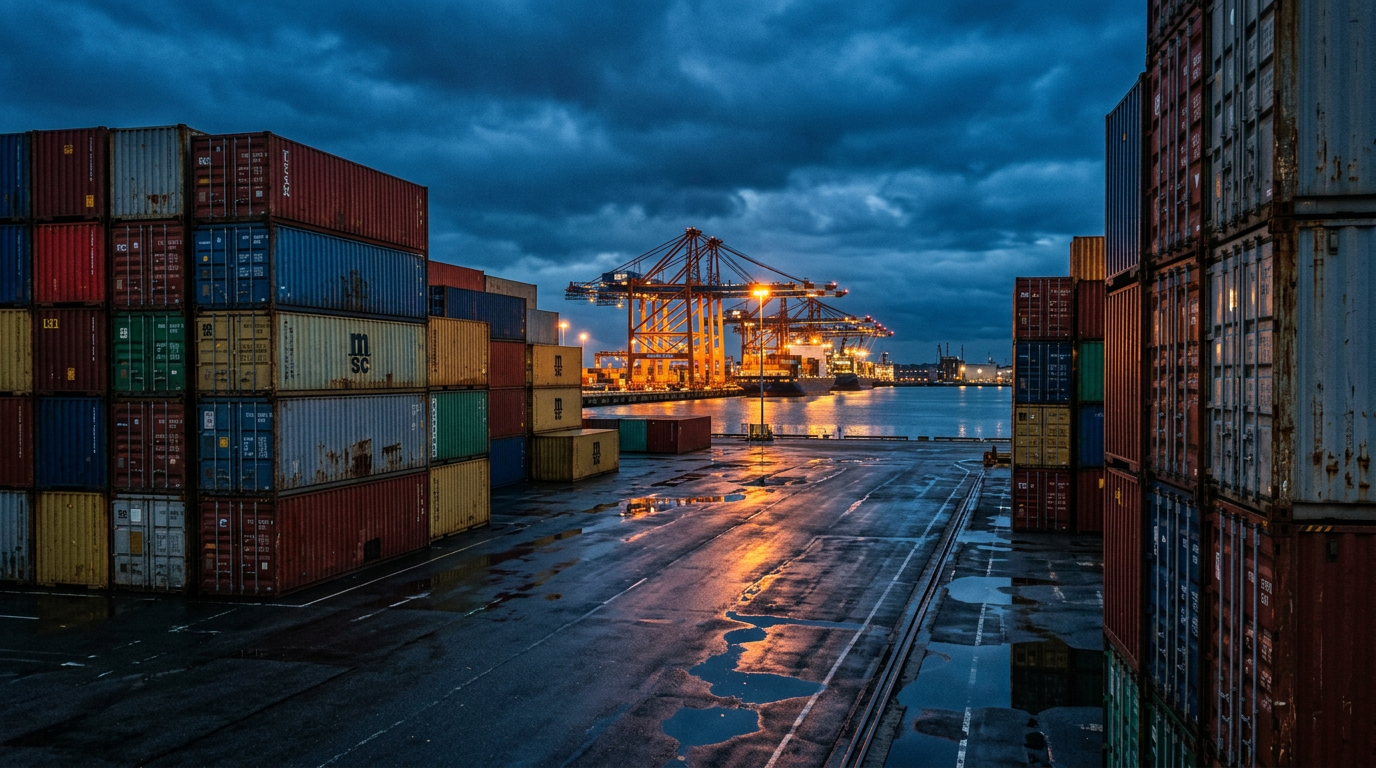
Every day, millions of barrels of oil move through this narrow corridor. Tankers carry crude oil and petroleum products from Gulf producers to global markets.
Major exporters rely heavily on this route. These include Saudi Arabia, Iraq, Kuwait, Qatar, and the United Arab Emirates.
The strait is geographically narrow. In some places it is only a few dozen kilometers wide. Shipping lanes are even narrower.
Because of this, the waterway is highly vulnerable during conflicts. Mines, missile strikes, or naval attacks can quickly disrupt traffic.
This is why global energy markets react strongly to any instability in the region.
For decades, analysts have warned about the possibility of a crisis in the strait. Iran has developed naval capabilities designed for asymmetric warfare.
These include fast attack boats, drones, submarines, and naval mines. Such systems can threaten larger naval forces and commercial shipping.
The latest confrontation shows how fragile the situation can become when geopolitical tensions rise.
Iran’s Retaliatory Military Actions
After the U.S. strikes, Iran launched several retaliatory operations. These attacks were aimed at signaling that Tehran still has strong regional capabilities.
Missiles and drones were launched toward different locations across the Middle East. Air defense systems in multiple countries responded quickly.
In Israel, warning sirens sounded in several cities. Missile defense systems intercepted incoming projectiles.
Gulf states also reported security incidents. Saudi Arabia intercepted drones targeting energy infrastructure.
Kuwait and Bahrain also reported intercepting aerial threats. These countries host U.S. military facilities and maintain strong defense partnerships with Washington.
Meanwhile, explosions were reported in parts of the United Arab Emirates. Industrial facilities were reportedly targeted by drones.
Damage assessments are still ongoing. However, the attacks illustrate the expanding geographical scope of the conflict.
Iranian officials have warned that additional retaliatory actions could follow. They also suggested that maritime traffic in the Persian Gulf could become a target if the conflict intensifies.
A Regional Conflict With Multiple Fronts
The crisis now extends far beyond a single battlefield. Several countries are involved either directly or indirectly.
Military activity is increasing across the region. Air defenses are on high alert in multiple states.
Lebanon has also experienced intensified military exchanges. Regional tensions have increased sharply.
U.S. military bases in the Gulf are operating under heightened security conditions. Naval forces are patrolling strategic waters.
The presence of multiple military forces in a confined region increases the risk of miscalculation.
Even a small incident could trigger further escalation.
Gulf countries are particularly concerned about protecting their energy infrastructure. Oil facilities, ports, and pipelines are vital to the global economy.
Governments in the region are strengthening security around these installations. Airports and industrial facilities are also under increased protection.
Cybersecurity measures have also been reinforced. Officials fear that cyberattacks could accompany physical strikes.
Energy Markets React to the Crisis
Global energy markets reacted immediately to the news of the naval strikes. Oil prices rose sharply as traders assessed the risks.
The Strait of Hormuz is a critical energy transit route. Disruption there can quickly reduce global supply.
Energy traders closely monitor military developments in the Gulf. Even small disruptions can lead to price spikes.
Shipping costs are also rising. Insurance companies have increased premiums for vessels traveling through the region.
Some tanker operators are delaying shipments. Others are seeking alternative routes when possible.
Energy producers are also exploring backup transportation options. Saudi Arabia, for example, has pipelines that transport oil to the Red Sea.
These routes help bypass the Strait of Hormuz. However, they cannot handle the full volume of Gulf exports.
If the conflict continues, global energy markets may experience tighter supply conditions. Higher fuel prices could follow.
Military Strategy and the Risk of Escalation
The U.S. strikes were likely intended as a deterrent. The goal was to prevent Iran from disrupting global shipping routes.
However, deterrence strategies carry risks. Military responses can sometimes lead to further escalation.
Iran has historically relied on asymmetric military tactics. These include drones, missile strikes, and proxy forces.
Such strategies allow Iran to challenge stronger military powers without direct confrontation.
The risk now is that both sides continue responding to each other’s actions.
This cycle could gradually expand the conflict.
International diplomats are working to prevent that outcome. Several governments have called for restraint and dialogue.
However, tensions remain extremely high.
Conclusion: A Crisis With Global Implications
The destruction of 16 Iranian mine-laying vessels marks a significant moment in the escalating Middle East crisis. It highlights how quickly maritime security can become central to geopolitical conflicts.
The Strait of Hormuz sits at the heart of the situation. It is one of the most important energy corridors in the world.
Any disruption there affects global oil markets, shipping routes, and economic stability.
Iran’s retaliatory attacks show that the conflict is far from contained. Military activity now spans multiple countries and strategic locations.
For the global economy, the stakes are enormous. Energy supplies, supply chains, and international trade all depend on stability in the Persian Gulf.
If the crisis continues to escalate, markets could face significant volatility. Oil prices, shipping costs, and geopolitical risks would all rise.
The coming weeks will be critical. Diplomatic efforts may determine whether the conflict stabilizes or expands further.
What happens next will not only shape the Middle East. It could influence global economic stability and international security for years to come.