
Summary
Biophilic Design 2.0 represents a major evolution in interior design for SS2026, moving beyond decorative greenery toward integrated, data-driven, and wellness-focused environments. It combines natural systems, smart technology, and sustainable materials to create interiors that actively support human health, productivity, and environmental performance.
Key Takeaways
- Biophilic design is now adopting by more than 70% of professionals, with measurable benefits including up to 20% stress reduction and 15% productivity improvement.
- SS2026 introduces advanced features such as adaptive lighting, multi-sensory environments, and living systems integration, transforming interiors into responsive ecosystems.
Biophilic Design 2.0 in SS2026 introduces a holistic approach that integrates nature into architecture through smart systems, sustainable materials, sensory design, and measurable wellness outcomes, making interiors healthier, more efficient, and future-ready.
A New Era of Human-Centered Interior Design
Interior design is undergoing a structural transformation. What was once driven primarily by aesthetics is now guided by performance, sustainability, and human well-being. Biophilic design, which traditionally emphasized visual connections to nature, has evolved into a comprehensive system known as Biophilic Design 2.0.
This evolution is not accidental. It is a response to measurable changes in how people live and work. Studies indicate that individuals now spend nearly 90% of their time indoors, a shift that has intensified concerns about air quality, mental health, and environmental sustainability. At the same time, global climate challenges and rising energy costs have increased demand for design strategies that reduce resource consumption.
In SS2026, biophilic design addresses these concerns through a multi-layered approach. It integrates natural elements into the structural, functional, and technological aspects of interiors. Rather than adding plants as decorative features, designers are creating environments that behave like natural ecosystems—adaptive, efficient, and responsive.
This shift marks the beginning of a new era in interior design, where spaces are evaluated not only by how they look, but by how they perform and how they make people feel.
The Measurable Growth of Biophilic Design
The expansion of biophilic design is supported by strong data across multiple industries:
- Approximately 74% of architects and interior designers globally now incorporate biophilic elements into their projects
- Demand for natural and sustainable materials has increased by more than 65% since 2023
- Workspaces designed with biophilic principles report productivity increases of up to 15%
- Exposure to natural elements reduces stress levels by nearly 20%
- Properties featuring biophilic design elements experience value increases ranging from 6% to 12%
- Energy-efficient buildings using nature-integrated systems achieve up to 25% reduction in energy consumption
These figures highlight a clear shift from aesthetic-driven design toward performance-based environments. Biophilic Design 2.0 is not a trend; it is a measurable strategy with proven economic and psychological benefits.
What Defines Biophilic Design 2.0?
Biophilic Design 2.0 is defined by integration, adaptability, and measurable outcomes. It moves beyond the superficial inclusion of natural elements and focuses on embedding nature into the core functionality of a space.
This approach is built on three foundational principles. The first is environmental performance, where spaces are designed to regulate light, temperature, and airflow naturally. The second is sensory engagement, ensuring that interiors stimulate multiple senses, including sight, touch, and sound. The third is adaptive functionality, where environments respond dynamically to changing conditions.
Unlike earlier versions of biophilic design, which often relied on static elements, Biophilic Design 2.0 emphasizes systems that evolve over time. This creates spaces that are not only visually appealing but also resilient and efficient.
How Is Technology Advancing Biophilic Design?
Technology plays a critical role in enabling the transition to Biophilic Design 2.0. In SS2026, smart systems are increasingly used to replicate and enhance natural processes within interior environments.
Lighting systems are designed to mimic natural daylight cycles, adjusting brightness and color temperature throughout the day. This supports circadian rhythms, improving sleep quality and overall health. Ventilation systems equipped with sensors monitor air quality and adjust airflow in real time, ensuring optimal indoor conditions.
Automated irrigation systems are also becoming standard in spaces that incorporate indoor greenery. These systems maintain consistent moisture levels, reducing maintenance requirements while supporting plant health.
Data indicates that buildings equipped with adaptive environmental technologies can achieve up to 25% greater energy efficiency. This integration of technology and nature represents a key advancement in SS2026 interiors, allowing spaces to function more like living systems.
Why Are Natural Materials More Important Than Ever?
Material selection has become a central focus in biophilic design. In SS2026, there is a clear preference for materials that are sustainable, breathable, and tactile.
Wood, stone, bamboo, linen, and clay are among the most widely used materials. These materials are valued not only for their environmental benefits but also for their ability to create a sensory connection to nature. Their textures, imperfections, and organic qualities contribute to a more authentic and calming environment.
The demand for such materials has increased by over 65%, reflecting a broader shift toward responsible sourcing and long-term sustainability. Additionally, these materials often have lower thermal mass compared to synthetic alternatives, helping to maintain cooler indoor temperatures.
This emphasis on material authenticity is a defining feature of Biophilic Design 2.0, reinforcing the connection between human comfort and natural elements.
How Does Multi-Sensory Design Enhance Interiors?
One of the most significant innovations in Biophilic Design 2.0 is the focus on multi-sensory engagement. Rather than relying solely on visual elements, designers are creating environments that stimulate multiple senses simultaneously.
Sound plays an important role, with natural soundscapes such as flowing water or ambient nature sounds being integrated into interior spaces. These elements contribute to a calming atmosphere and help reduce stress.
Touch is another critical factor. Textured surfaces, including raw wood and natural fabrics, provide tactile variation that enhances the user experience. Scent is also being incorporated through natural fragrances derived from plants or essential oils.
Research shows that multi-sensory environments can improve cognitive performance and emotional well-being more effectively than visual design alone. This holistic approach ensures that spaces are experienced in a more immersive and meaningful way.
How Are Living Systems Integrated Into Interiors?
Living systems are a cornerstone of Biophilic Design 2.0. These systems go beyond individual plants to include fully integrated green infrastructures within interior spaces.
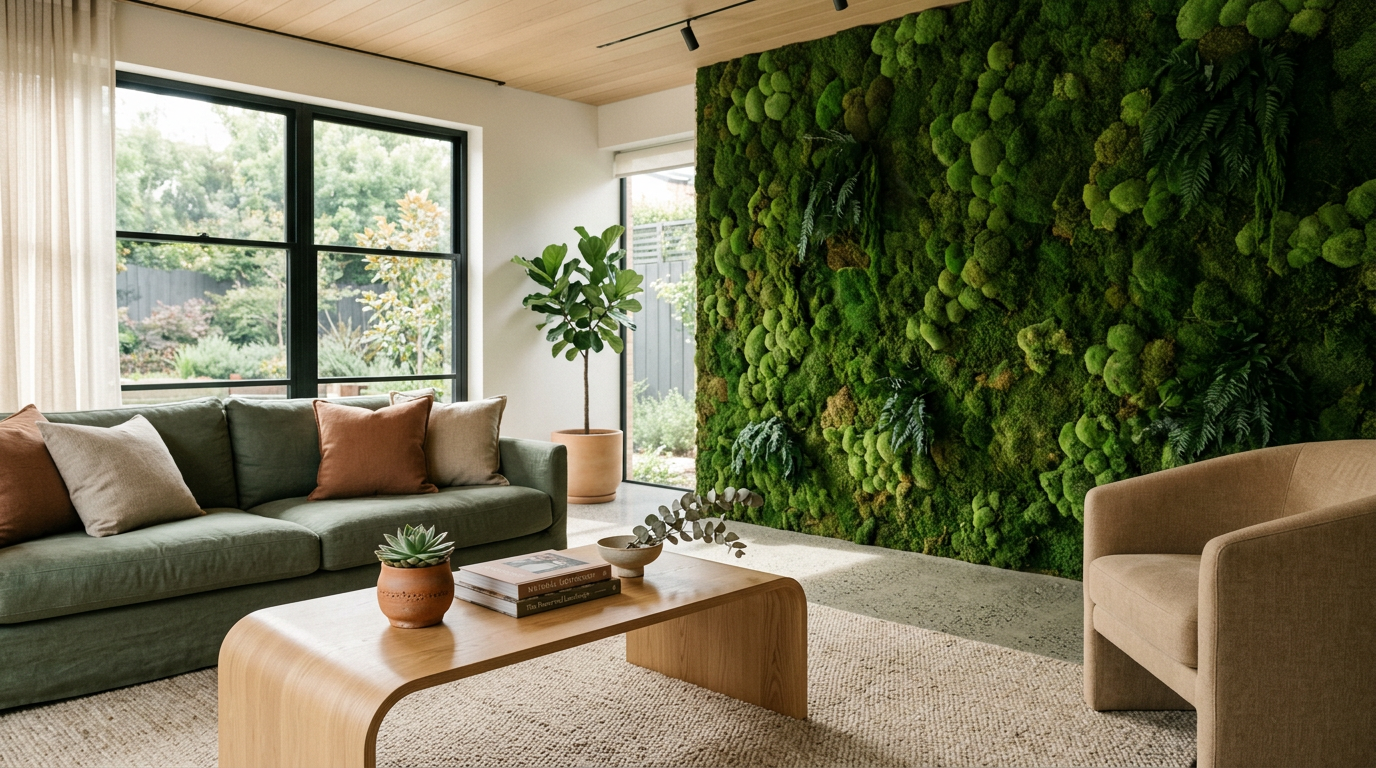
Vertical gardens, green walls, and indoor landscapes are increasingly common in both residential and commercial settings. These features are often supported by automated systems that manage irrigation, lighting, and nutrient delivery.
Such systems offer multiple benefits. They improve air quality, regulate humidity, and contribute to thermal comfort. Studies indicate that indoor greenery can increase perceived comfort by up to 30% while also enhancing aesthetic appeal.
The integration of living systems represents a shift toward interiors that function as ecosystems, supporting both human health and environmental sustainability.
What Is the Impact on Wellness and Productivity?
The relationship between biophilic design and well-being is supported by extensive research. Exposure to natural elements has been shown to reduce stress levels by up to 20% and improve overall mental health.
In work environments, biophilic design can increase productivity by approximately 15%. This is particularly relevant in the context of remote work, where home offices must support both comfort and efficiency.
Natural light, improved air quality, and the presence of greenery all contribute to a healthier indoor environment. Approximately 74% of individuals report feeling calmer in spaces that incorporate biophilic features, highlighting the importance of nature in daily living.
These findings demonstrate that biophilic design is not only beneficial but essential for modern lifestyles.
What Are the Economic and Real Estate Benefits?
Biophilic Design 2.0 also offers significant economic advantages. Properties that incorporate nature-based design elements tend to command higher market values, with increases ranging from 6% to 12%.
In addition, such properties are more attractive to buyers and tenants who prioritize sustainability and wellness. This has led to increased demand for biophilic features in both residential and commercial developments.
From an operational perspective, the integration of energy-efficient systems and sustainable materials can reduce long-term costs. Buildings designed with biophilic principles often require less energy for cooling and lighting, resulting in measurable savings.
These economic benefits reinforce the value of biophilic design as a long-term investment rather than a short-term trend.
How Can Homeowners Apply Biophilic Design 2.0?
While large-scale implementations may involve advanced systems, many principles of Biophilic Design 2.0 can be applied at a residential level.
Homeowners can start by maximizing natural light and improving ventilation. The use of natural materials such as wood and linen can enhance both aesthetics and comfort. Incorporating plants, even in small quantities, can improve air quality and create a connection to nature.
Smart technologies, such as adaptive lighting and air quality monitors, are becoming more accessible and can further enhance the performance of a space.
The key is to approach design holistically, considering how each element contributes to the overall environment.
Toward Adaptive and Living Interiors
Biophilic Design 2.0 represents a fundamental shift in how interior spaces are conceived and experienced. It reflects a growing understanding that human health, environmental sustainability, and economic efficiency are deeply interconnected.
The data clearly supports the adoption of this approach. With over 70% of professionals integrating biophilic principles and measurable improvements in productivity, well-being, and property value, the relevance of this design philosophy is undeniable.
Looking forward, interiors will continue to evolve into adaptive systems that respond to both environmental conditions and human needs. The integration of smart technology, sustainable materials, and multi-sensory design will redefine the boundaries between built and natural environments.
From a strategic perspective, industry leaders such as Mattias Knutsson emphasize the importance of sustainability, efficiency, and long-term value creation. These principles align closely with the goals of Biophilic Design 2.0, reinforcing its role in shaping the future of both residential and commercial spaces.
Ultimately, Biophilic Design 2.0 is not simply about bringing nature indoors. It is about creating environments that function as living systems—spaces that support, adapt, and enhance human life in a rapidly changing world.
FAQ
What is Biophilic Design 2.0?
It is an advanced approach to interior design that integrates nature through technology, sustainable materials, and sensory experiences.
How does it differ from traditional biophilic design?
Traditional biophilic design focuses on adding natural elements, while Biophilic Design 2.0 integrates nature into the core functionality and performance of spaces.
Is biophilic design suitable for small homes?
Yes, even small spaces can benefit from natural light, plants, and sustainable materials.
Does biophilic design increase property value?
Yes, properties with biophilic features can see value increases of 6% to 12%.
Can technology and nature coexist in design?
Yes, Biophilic Design 2.0 relies on smart systems to enhance natural processes and improve efficiency.




